Practical application Worksheets for Ages 8-9
6 filtered results
-
From - To
Explore our engaging Practical Application Worksheets specifically designed for children ages 8-9, perfect for enhancing essential learning skills! These worksheets foster critical thinking and real-world problem-solving through interactive activities that capture young learners’ interest. Covering various topics, these exercises promote practical application of concepts learned in school, helping students connect curriculum to everyday life. Ideal for home or classroom use, our carefully crafted resources cater to diverse learning styles, ensuring each child feels confident and motivated. Discover the joy of learning with our unique worksheets that encourage independence and creativity while providing a solid foundation for future academic successes!
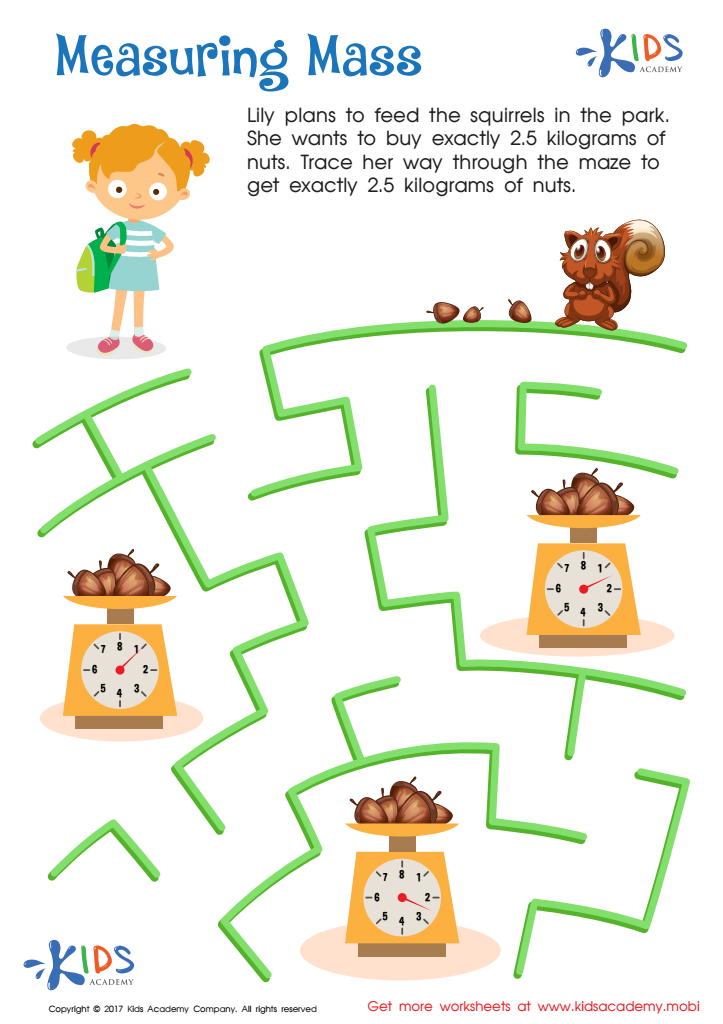
Measuring Mass Worksheet
 Assign to My Students
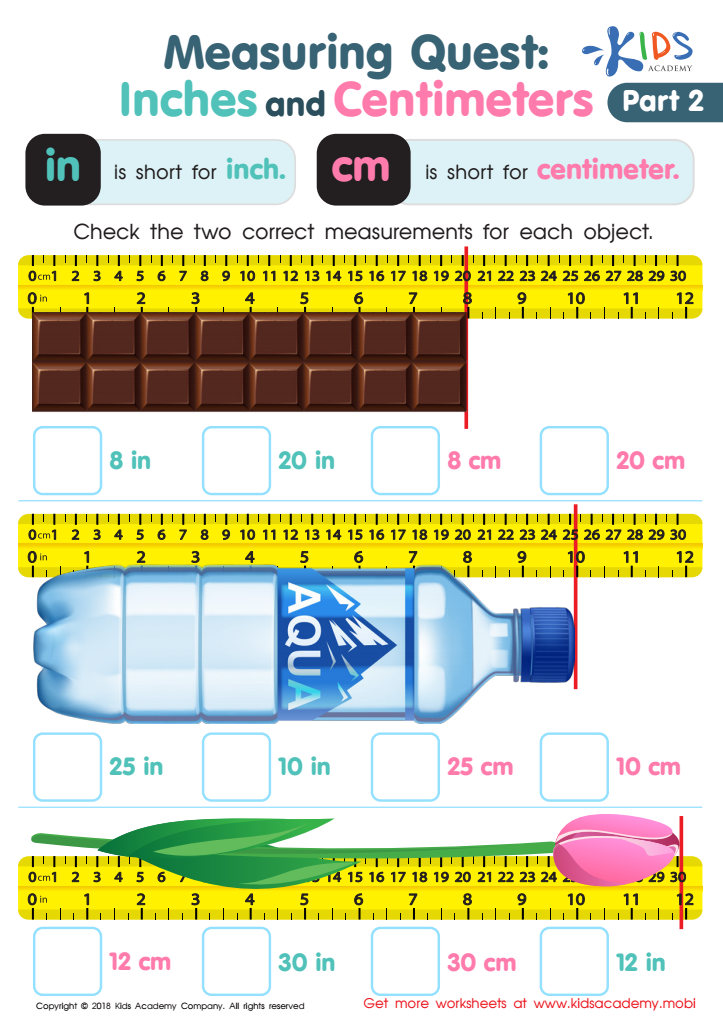
Measuring Quest: Inches and Centimeters - Part 2 Worksheet
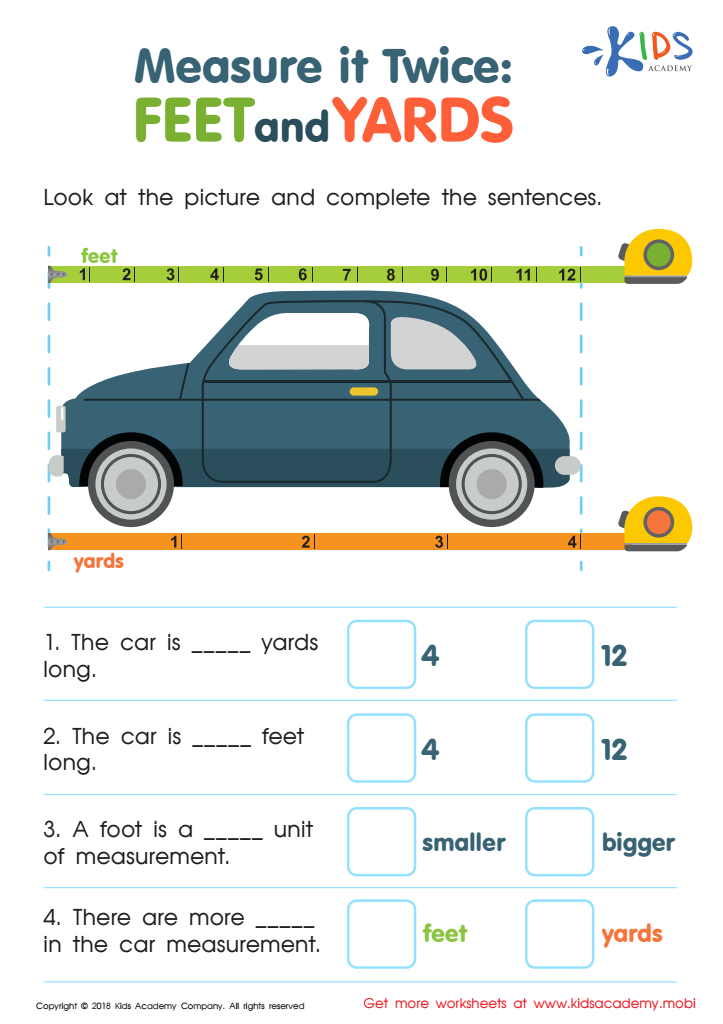
Measure It Twice: Feet and Yards Worksheet
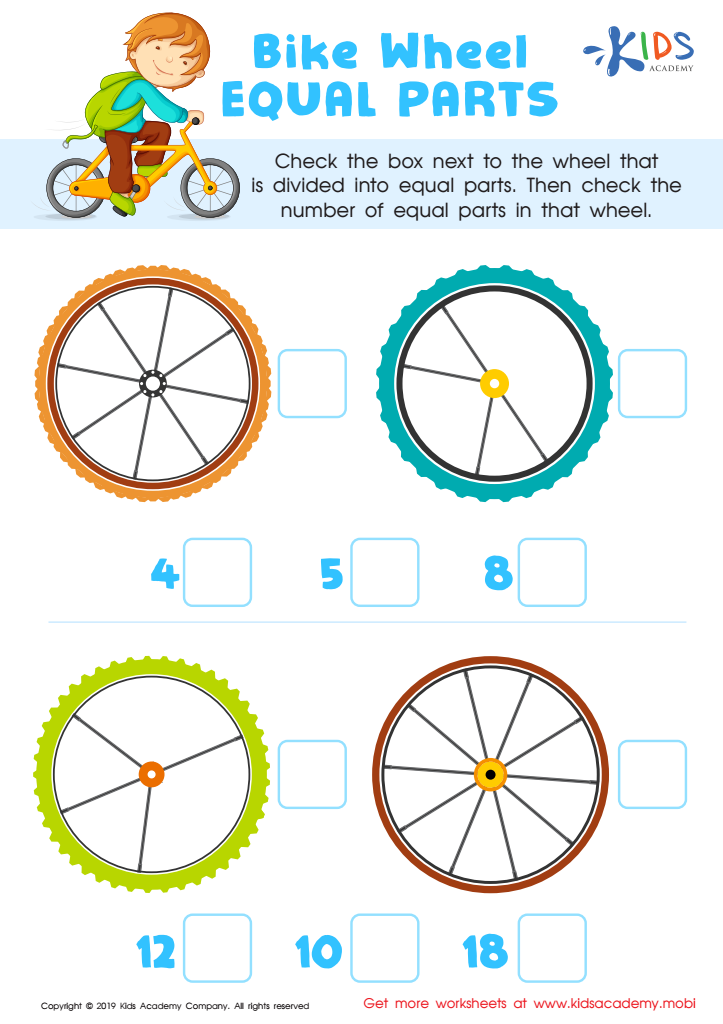
Bike Wheel Equal Parts Worksheet
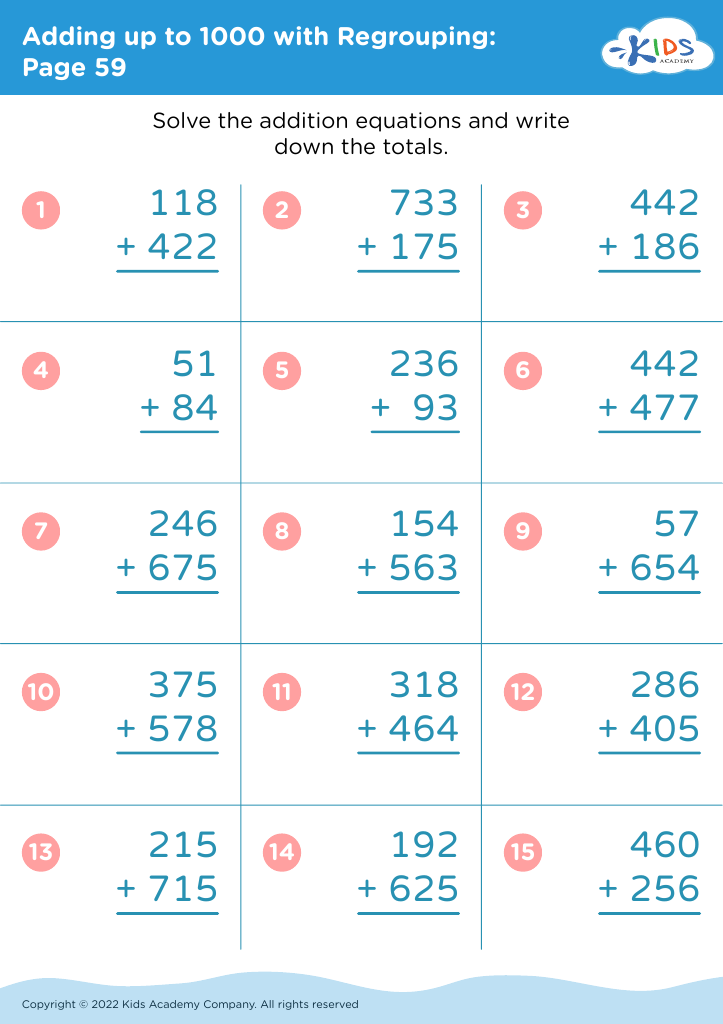
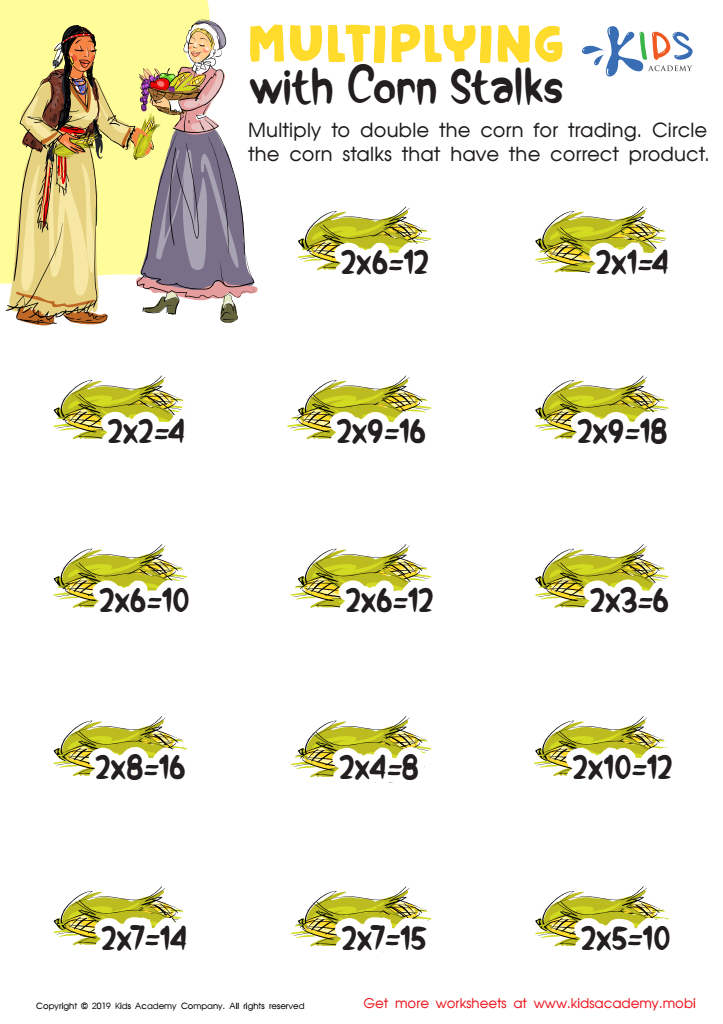
Multiplying With Corn Stalks Worksheet








Practical application is essential for children aged 8-9 as it not only reinforces academic concepts but also fosters critical life skills. At this developmental stage, children transition from concrete learning to more abstract thinking. Engaging them in practical, hands-on activities can deepen their understanding and retention of concepts across subjects, such as math, science, and literacy.
For instance, when children apply math to real-life situations—like budgeting for a class project— they can see the relevance and usefulness of what they are learning. Similarly, science experiments allow them to observe theories in action, sparking curiosity and encouraging inquiry.
Moreover, practical applications help develop problem-solving and critical thinking skills. Children learn to analyze situations, make decisions, and take responsibility for their outcomes, which are invaluable skills for future academic and personal success.
Teachers and parents should prioritize practical applications in learning to create engaging, memorable experiences that motivate children. By building a solid foundation through experiential learning, they equip children with the tools they need to tackle future challenges and instill a lifelong love for learning. In this way, practical application is not just an educational approach, but a comprehensive strategy for nurturing well-rounded, capable individuals.








