Recognizing shapes Worksheets for Ages 8-9 - Page 2
39 filtered results
-
From - To
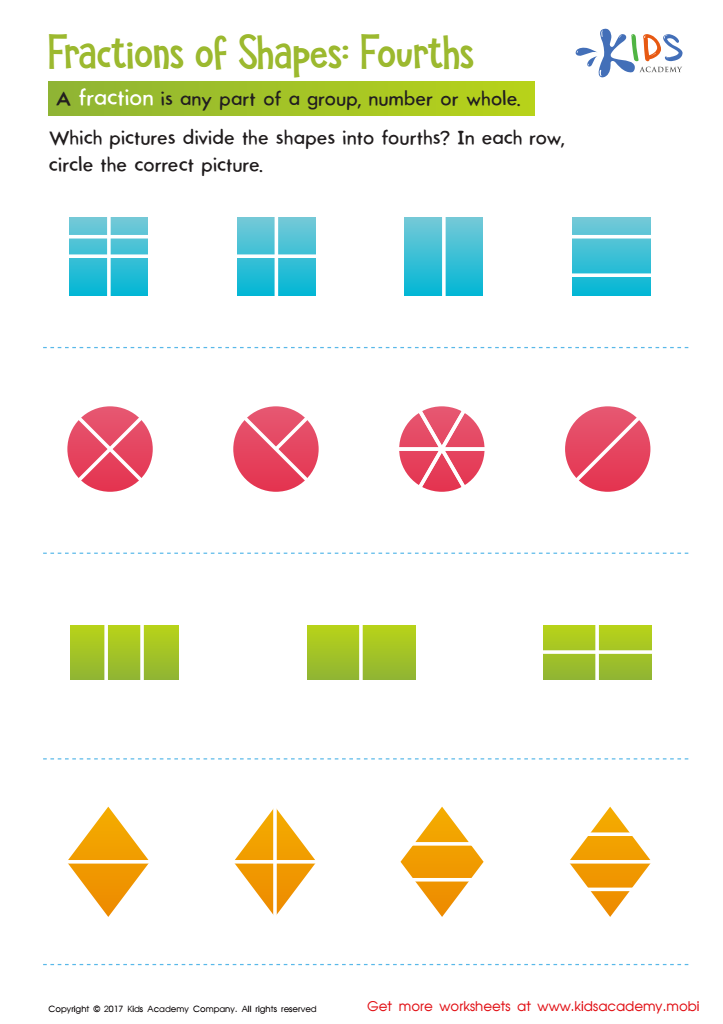
Fractions of Shapes Worksheet
 Assign to My Students
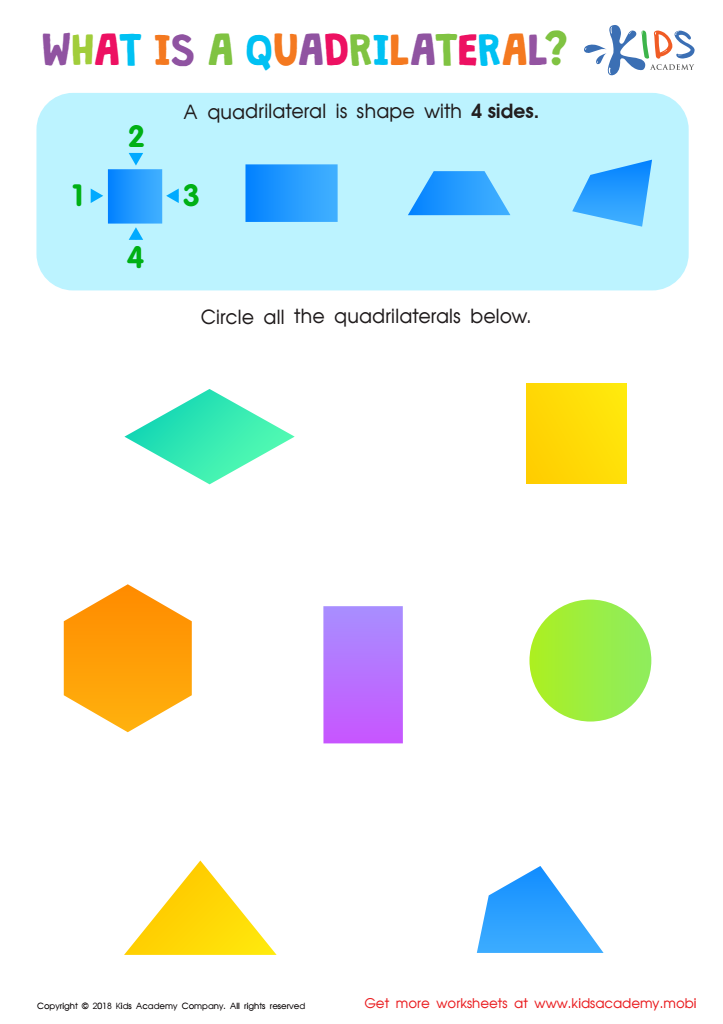
What Is a Quadrilateral? Worksheet
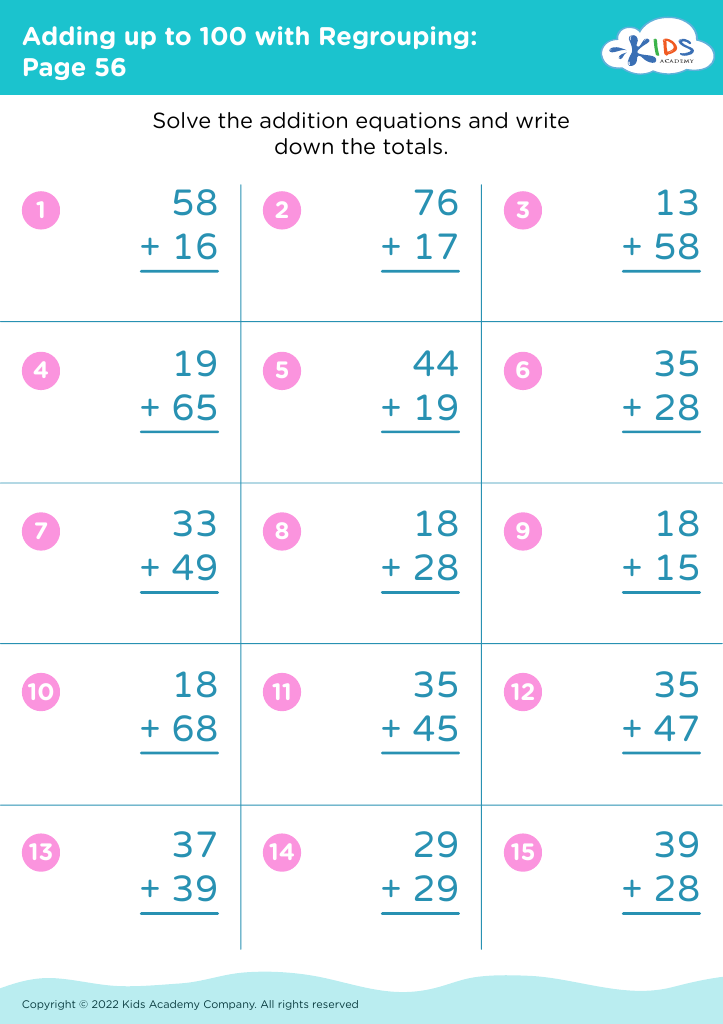
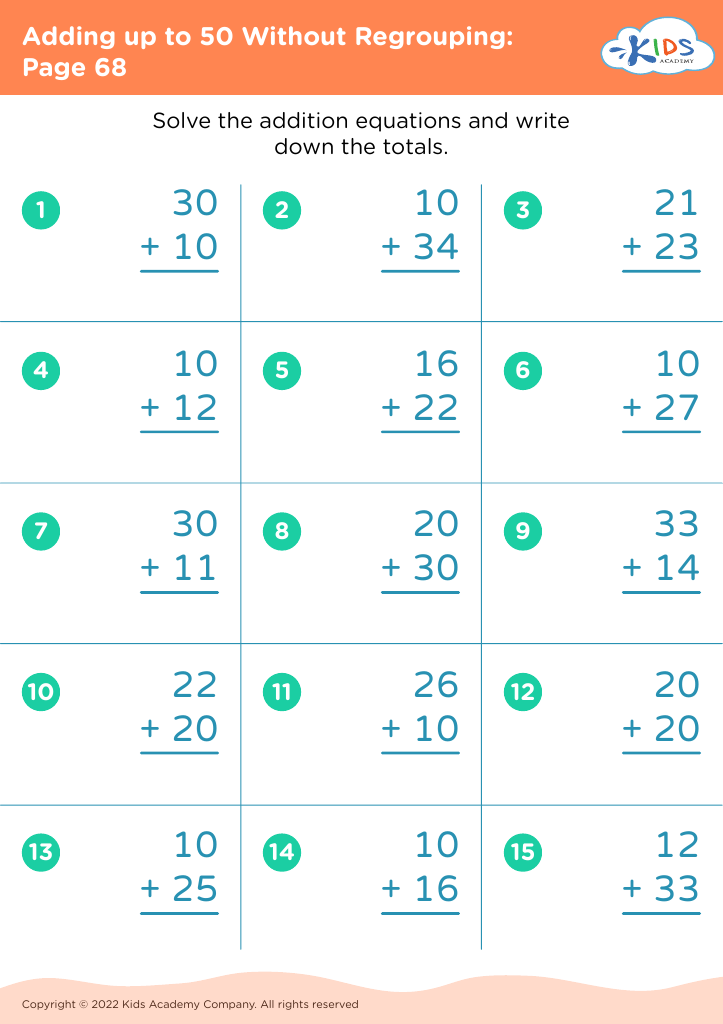
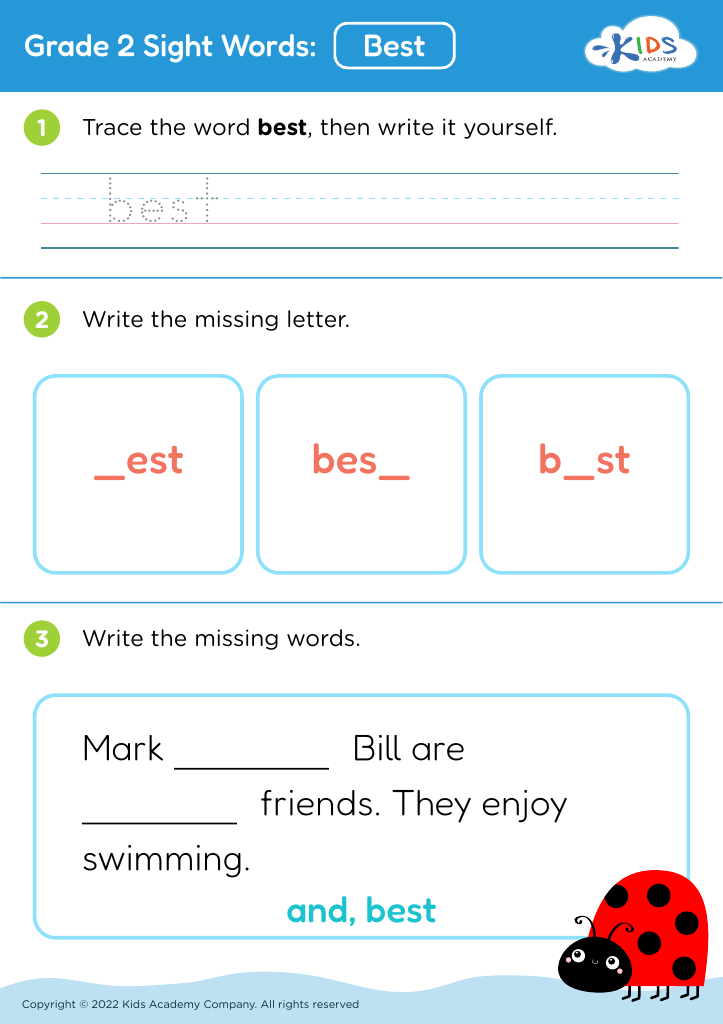
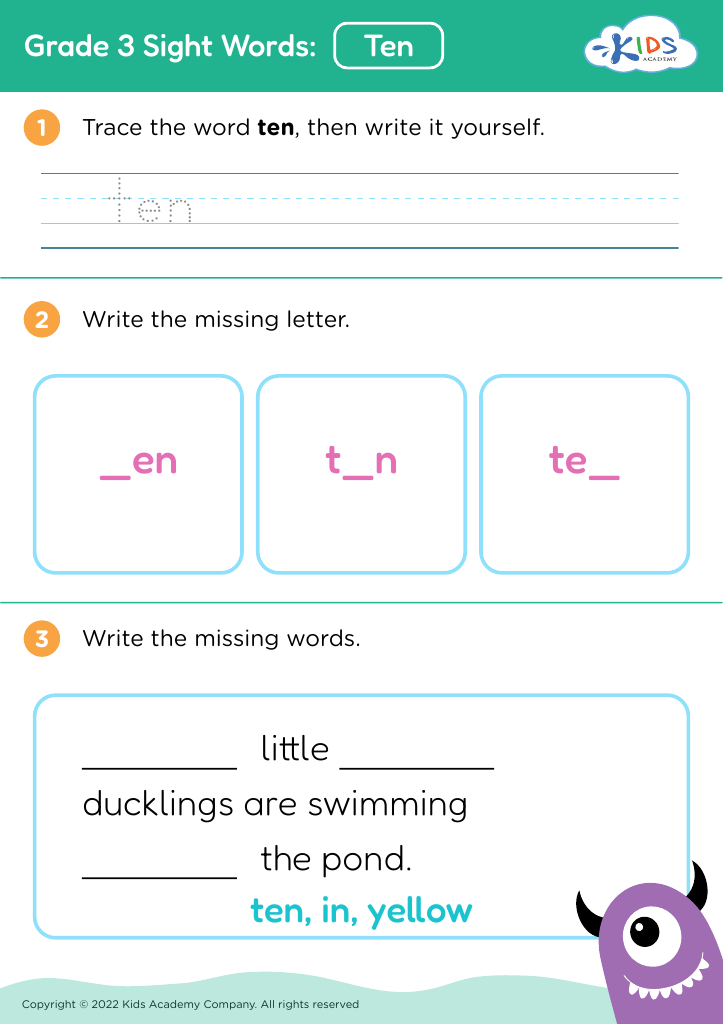








Recognizing shapes is a vital developmental skill for children aged 8-9, as it lays the foundation for important cognitive abilities and everyday applications. At this age, children begin to encounter more complex geometric concepts in mathematics, such as angles, symmetry, and spatial reasoning. By understanding basic shapes like circles, squares, and triangles, they can better grasp visual patterns and relationships that are essential for problem-solving and critical thinking.
Moreover, recognizing shapes enhances children's perception and creativity. It helps them to categorize objects in their environment, improves their fine motor skills through activities like drawing and crafting, and fosters their imagination in constructing 2D and 3D representations. This skill is also invaluable in real-life situations, from understanding maps and diagrams to architecture and art.
When parents and teachers emphasize shape recognition, it encourages collaboration, communication, and discovery in group activities and projects. Engaging children through fun, interactive experiences, such as shape scavenger hunts or building games, makes learning enjoyable and impactful. Ultimately, recognizing shapes is an integral part of a child’s development that supports their academic progress and paves the way for success in more advanced mathematical concepts later on.








