Addition skills Addition & Subtraction Worksheets for Ages 8-9 - Page 2
31 filtered results
-
From - To
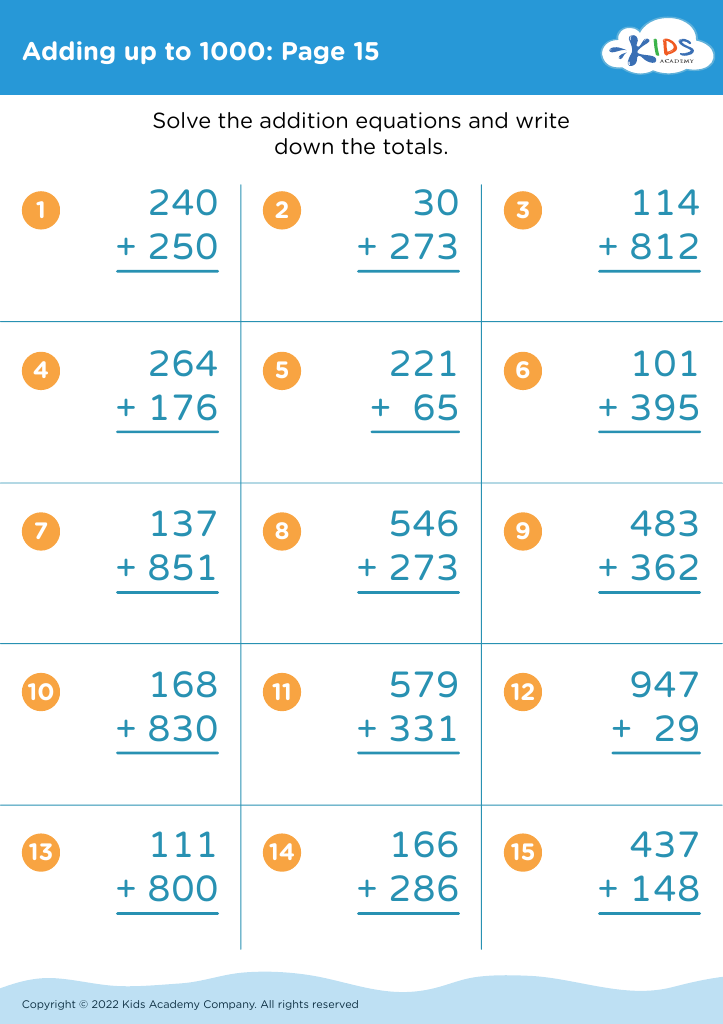
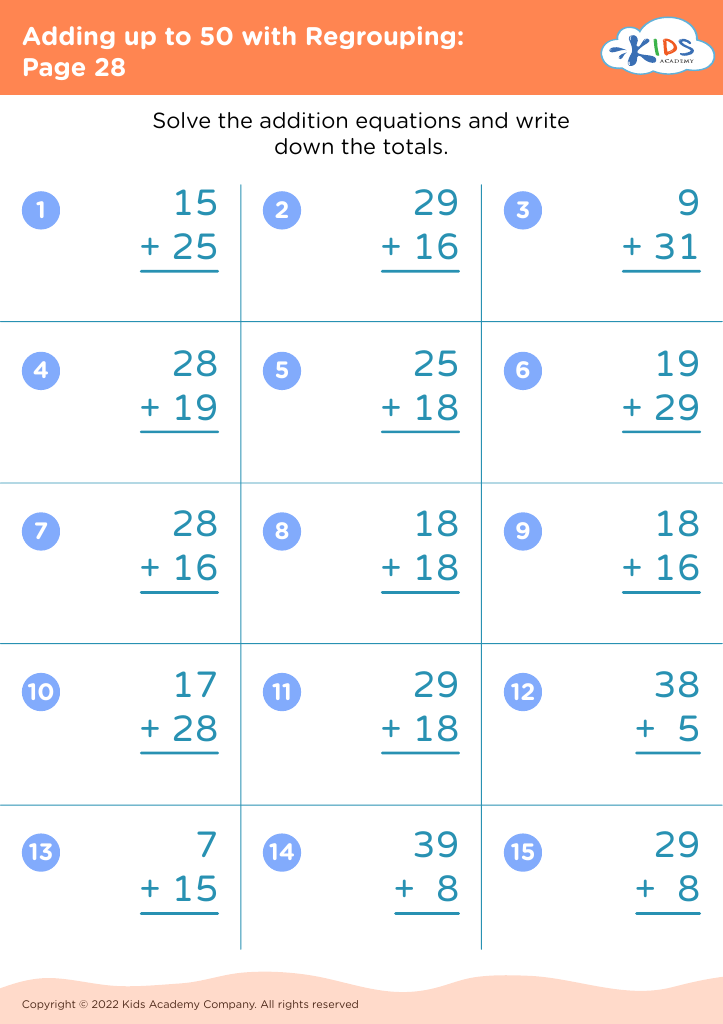
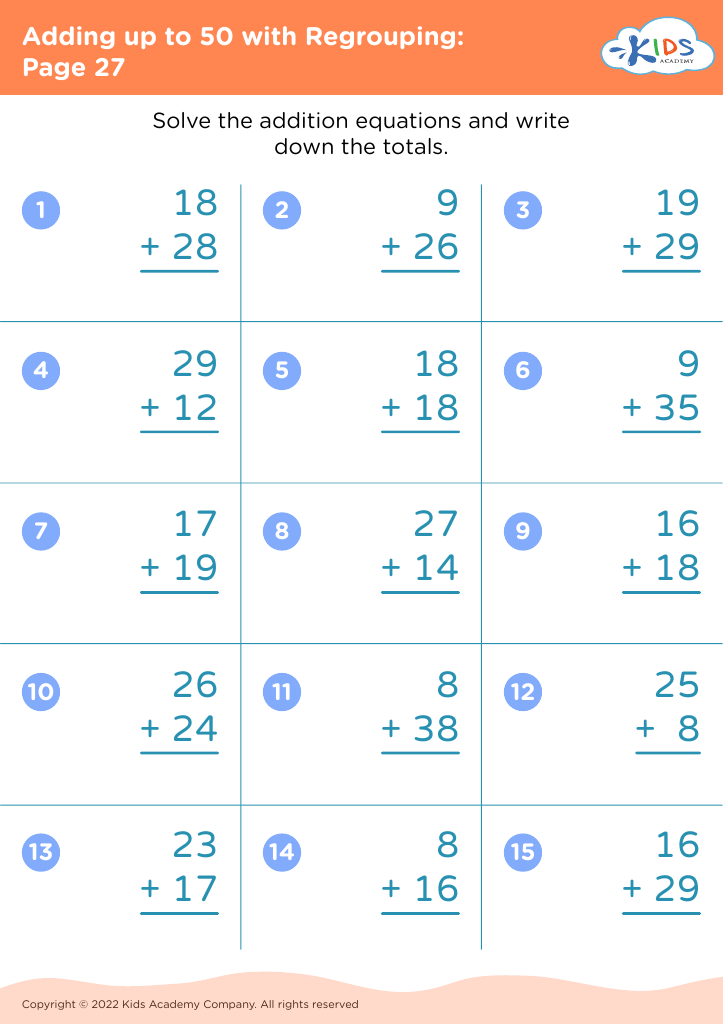
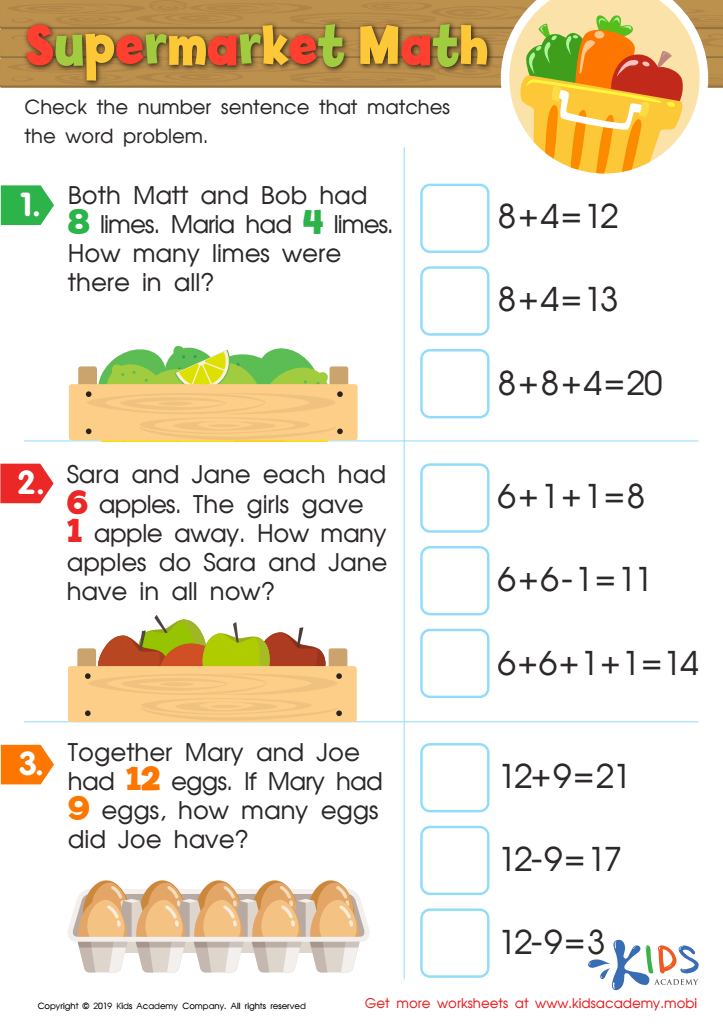
Supermarket Math Worksheet
 Assign to My Students
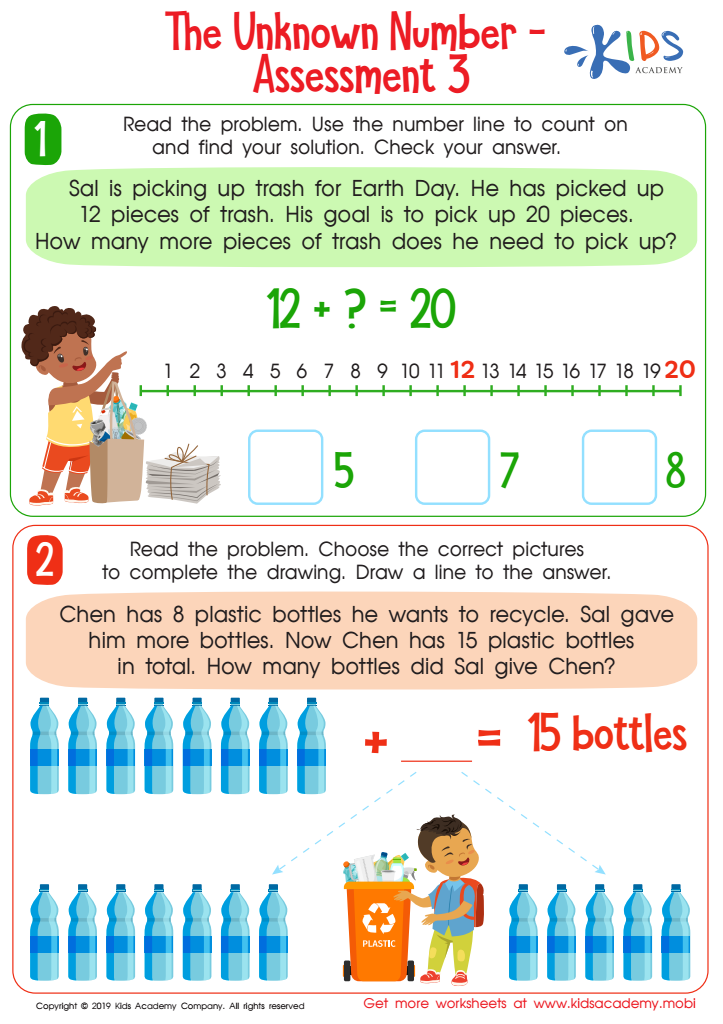
The Unknown Number - Assessment 3 Worksheet
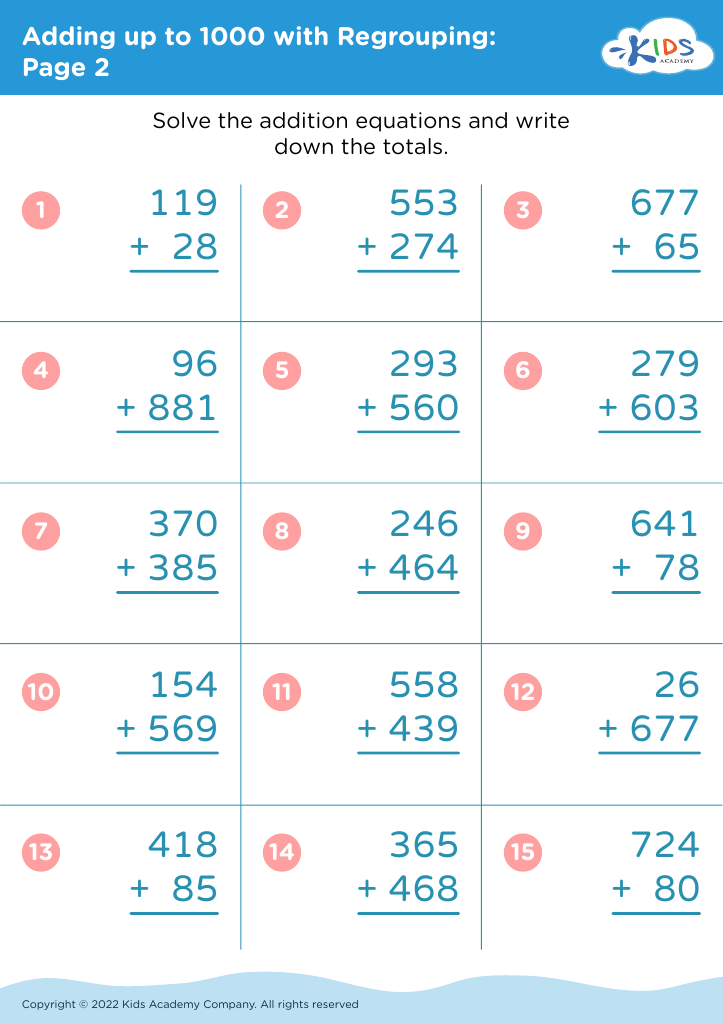
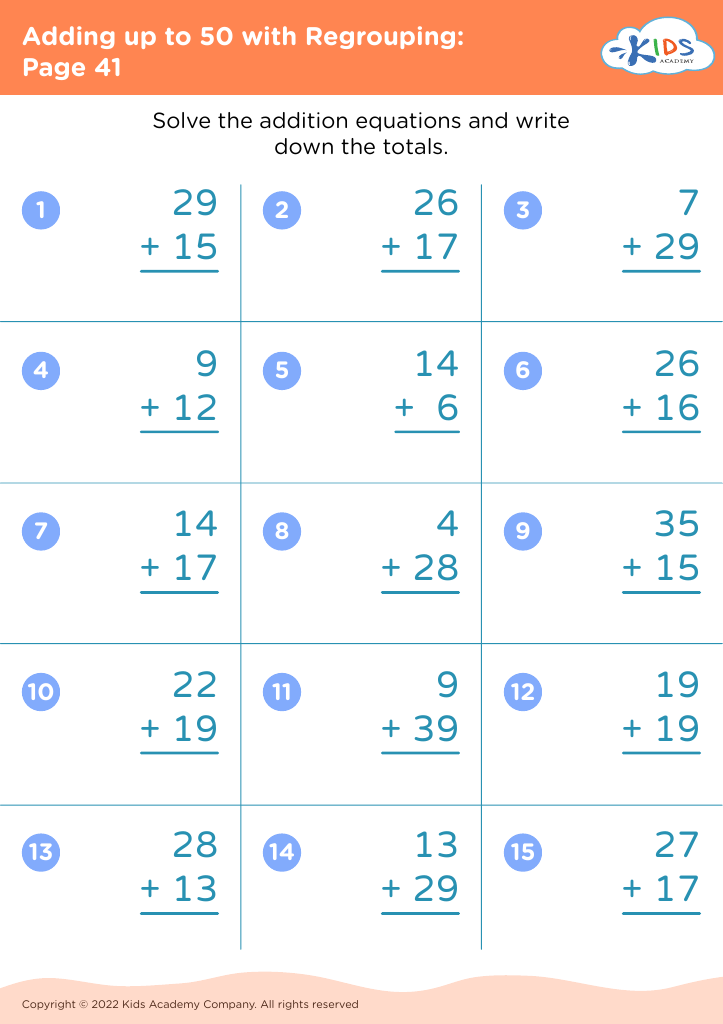






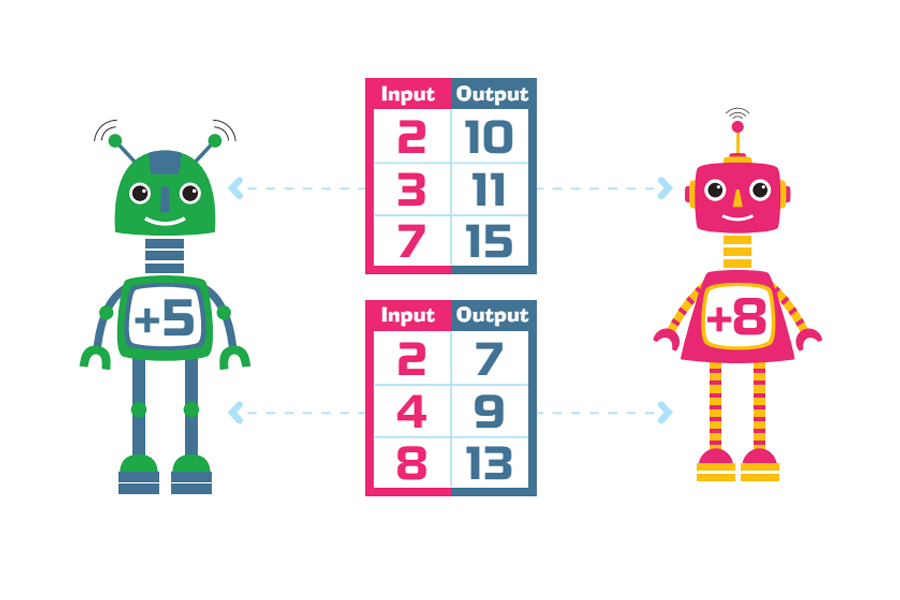

Addition and subtraction are foundational skills for children's mathematical development, especially for ages 8-9. During these formative years, mastering these basic operations helps set the stage for more complex math concepts, such as multiplication, division, fractions, and problem-solving.
For parents and teachers, ensuring that children are proficient in addition and subtraction is crucial because these skills permeate various aspects of daily life, from handling money to measuring ingredients in a recipe. Strengthening these foundational skills builds children's confidence and reduces math anxiety, an important factor affecting long-term academic success and attitudes towards learning.
Moreover, a solid understanding of addition and subtraction fosters logical thinking and enhances cognitive abilities. Students learn to recognize patterns, make predictions, and think critically—a skill set that extends beyond mathematics and into other academic subjects.
Investing time and effort into these skills ensures that children are well-prepared for future mathematical challenges. Considering the essential role of mathematics in education, career prospects, and everyday problem-solving, parents and teachers must emphasize the importance of addition and subtraction to help children thrive academically and develop practical life skills. This attention not only improves immediate academic performance but also sets a positive trajectory for lifelong learning and success.








