Cognitive Development Math Worksheets for Ages 8-9 - Page 2
31 filtered results
-
From - To
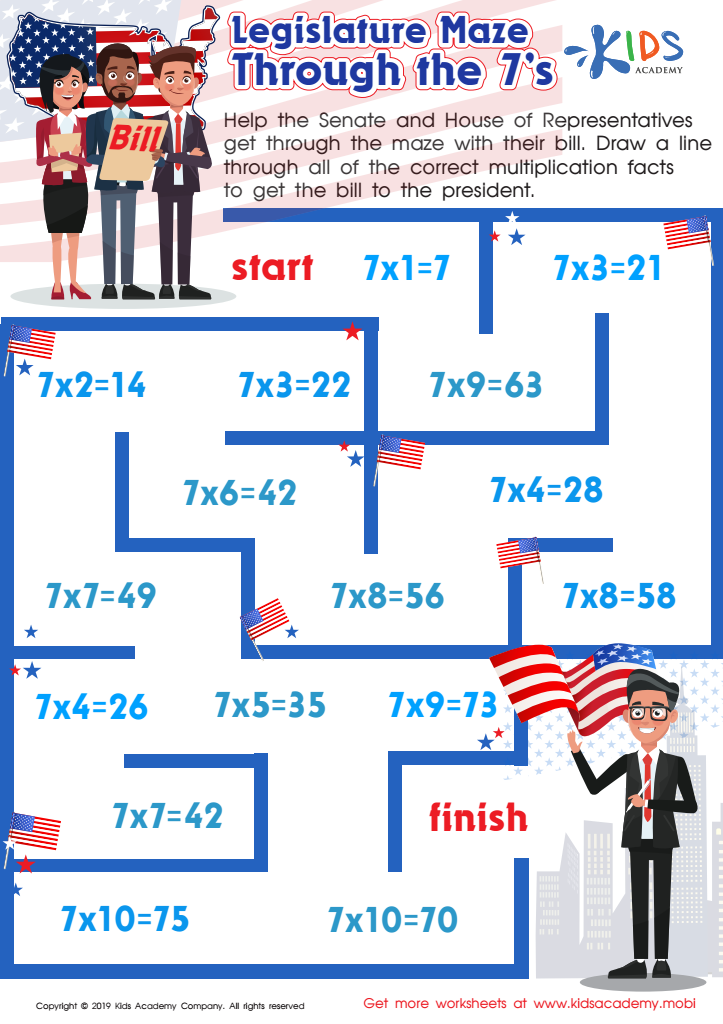
Legislature Maze Through the 7’s Worksheet
 Assign to My Students
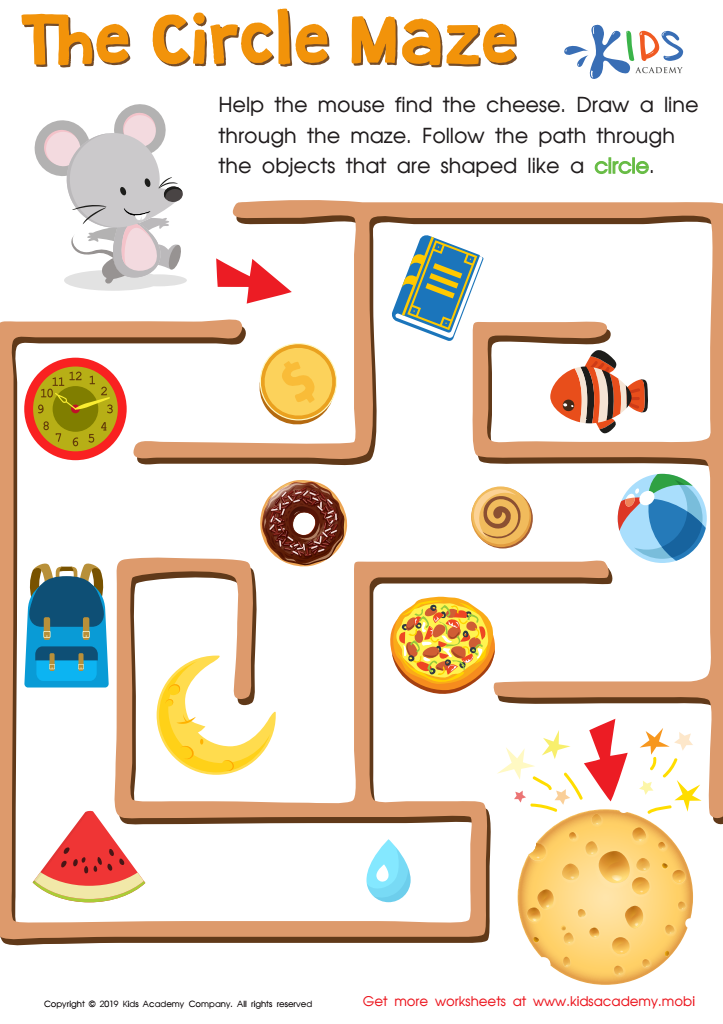
The Circle Maze Worksheet
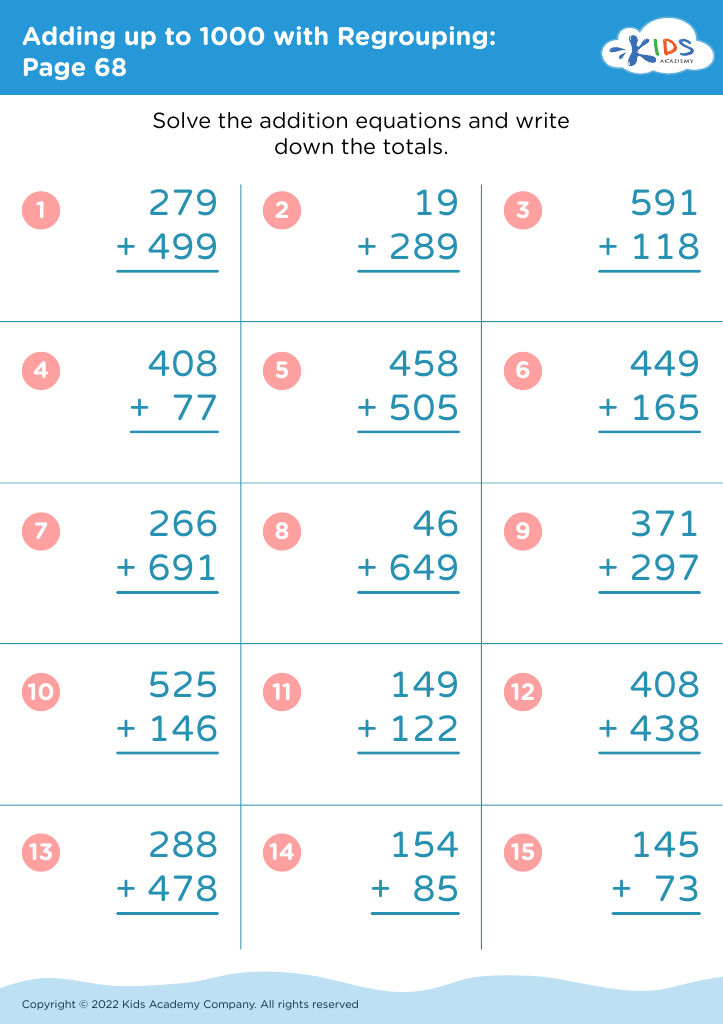
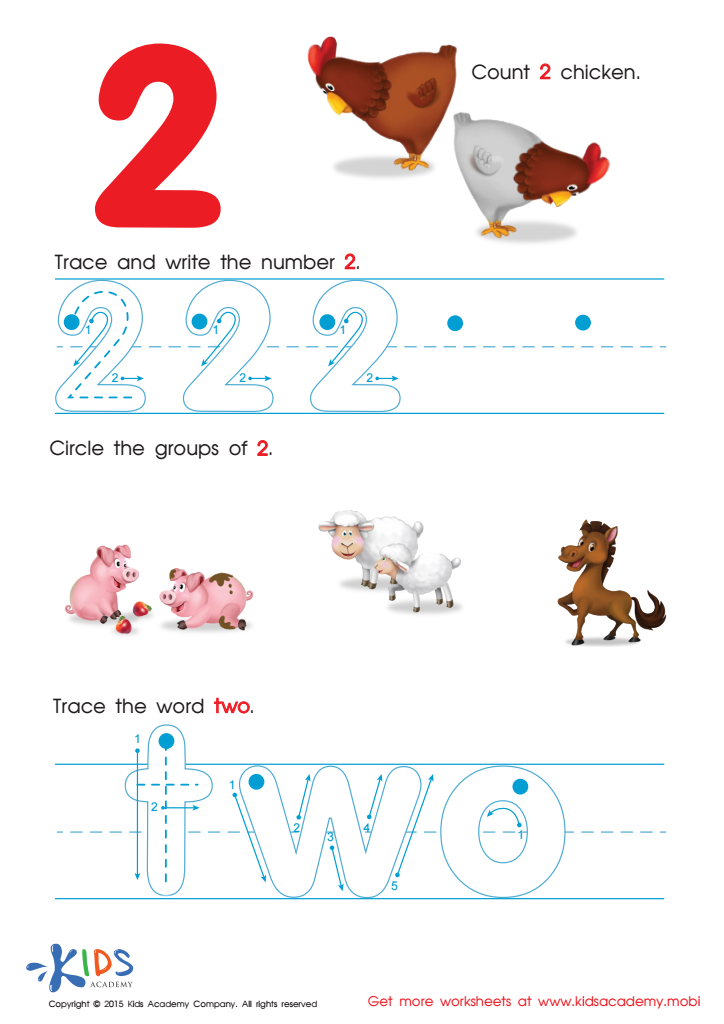
Learn to Write the Number 2 Worksheet
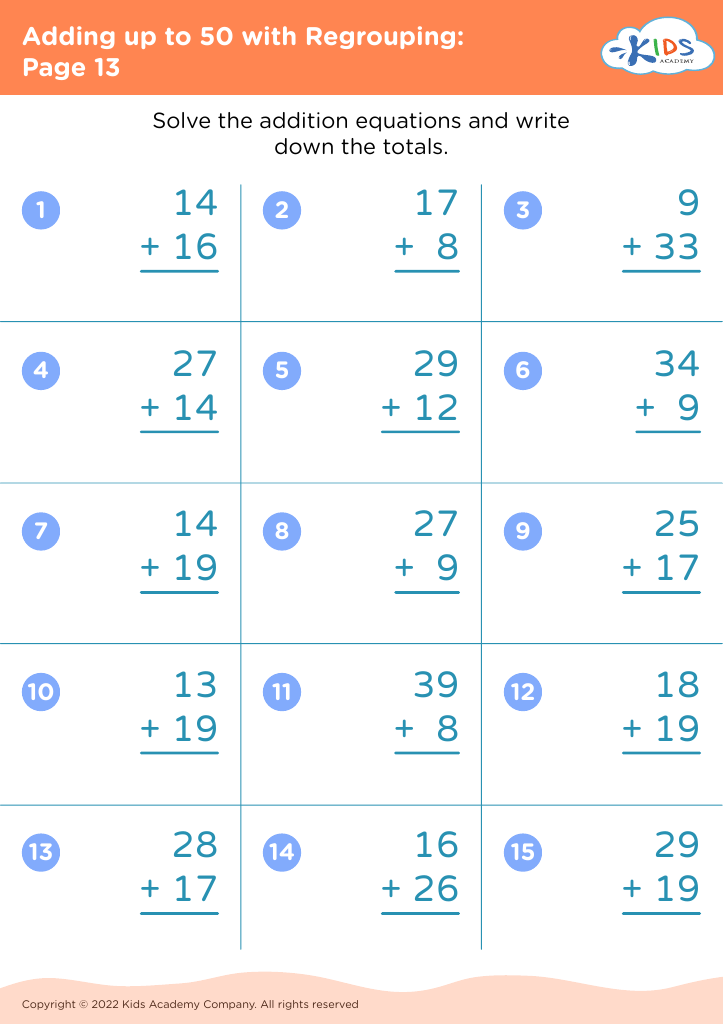








Cognitive development in math for ages 8-9 is crucial because it lays the groundwork for future academic success and practical life skills. At this stage, children transition from concrete operational thought, where they learn to categorize and organize information, to more complex problem-solving abilities. By engaging in math activities tailored to their developmental stage, children enhance their logical reasoning, critical thinking, and ability to understand abstract concepts like addition, subtraction, multiplication, and division.
When parents and teachers focus on cognitive development in math, they help children build a strong foundation for later mathematical skills and concepts, which are essential for more advanced topics in the future. This period is also critical for developing a positive attitude towards math, which can influence a child's motivation, confidence, and willingness to tackle challenging problems.
Furthermore, math skills are integral to everyday activities, from managing money to measuring ingredients for a recipe. By fostering these skills early, parents and teachers equip children with essential tools for daily life, academic pursuits, and future careers. Prioritizing cognitive development in math during these formative years therefore cultivates a growth mindset, encourages lifelong learning, and prepares children for a complex and numerical world.








