Developing observation skills Math Worksheets for Ages 8-9
5 filtered results
-
From - To
Discover our engaging "Developing Observation Skills Math Worksheets" designed for children ages 8-9. These worksheets provide fun and interactive activities that enhance students' analytical and observational abilities, critical for tackling more complex mathematical concepts. By utilizing visual prompts and real-life scenarios, kids will learn to identify patterns, notice details, and make deductions, all while building a strong mathematical foundation. Perfect for reinforcing classroom learning or supplementing home study, these worksheets encourage curiosity and critical thinking. Help your child become an astute observer and confident problem-solver in math with our expertly crafted resources today! Visit to explore and download.
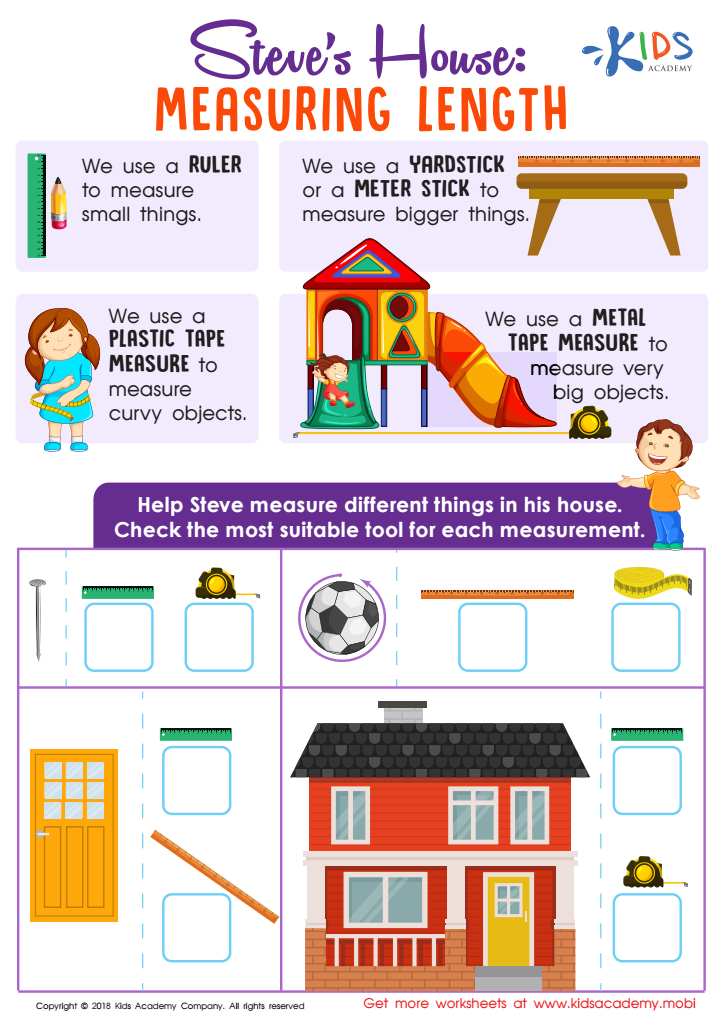
Steve's House: Measuring Length Worksheet
 Assign to My Students
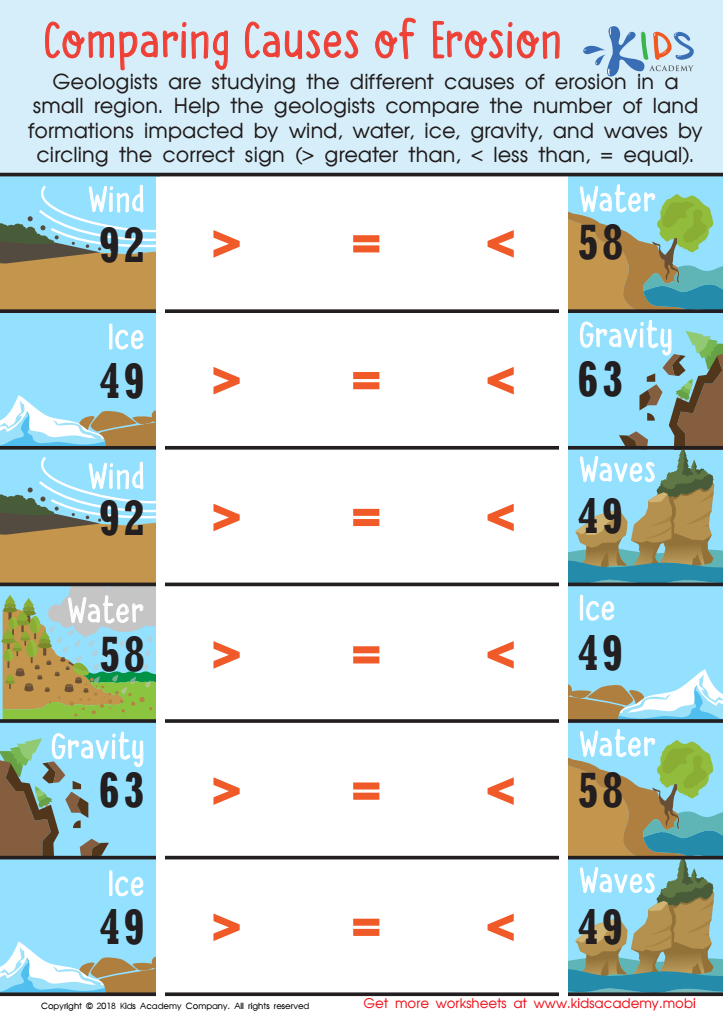
Comparing Causes of Erosion Worksheet
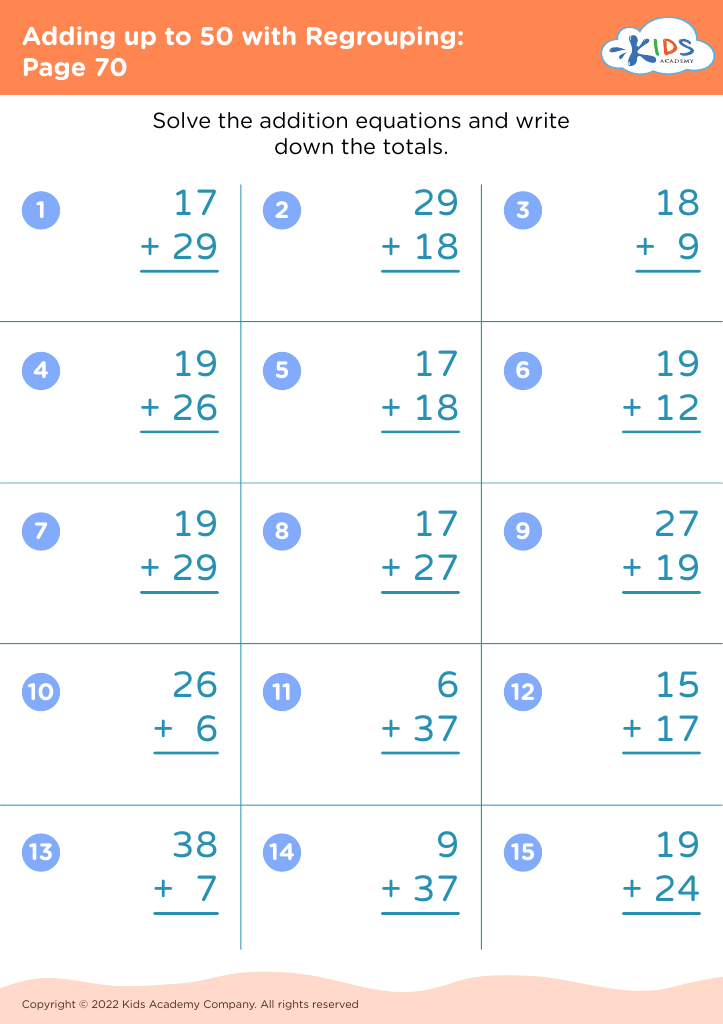
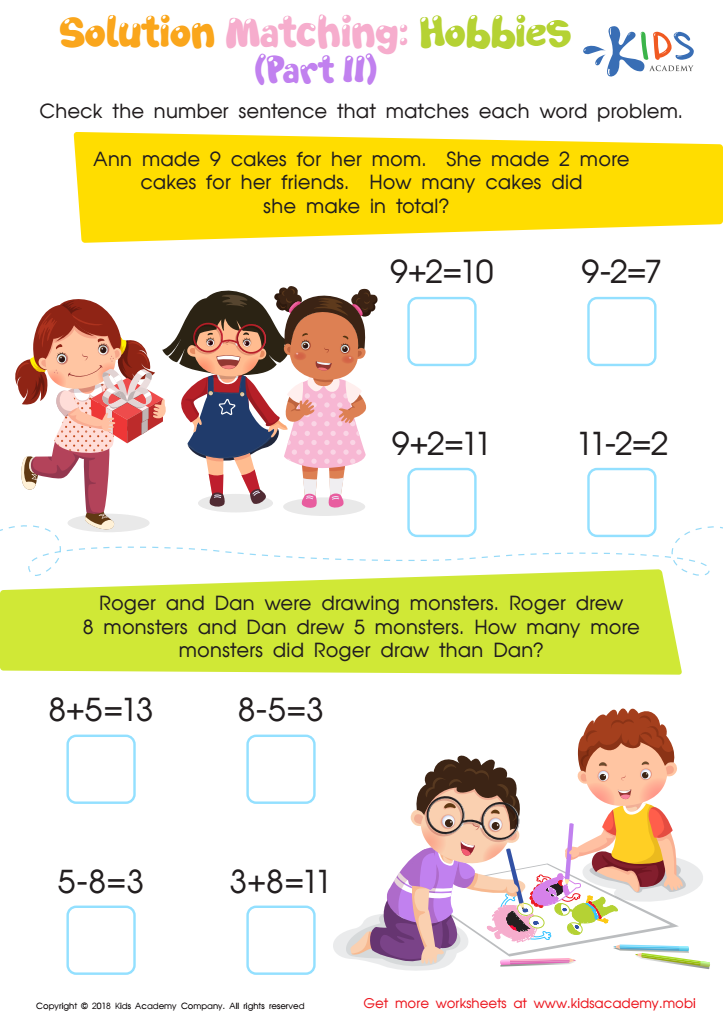
Solution Matching: Hobbies. Part 2 Worksheet








Developing observation skills in math for ages 8-9 is vital for fostering a deeper understanding of mathematical concepts and nurturing critical thinking abilities. At this age, children expand their cognitive skills, and enhancing their observational capabilities allows them to notice patterns, make connections, and solve problems more effectively. When parents and teachers focus on observation skills in math, they enable children to engage actively with their environment.
For instance, through activities like measuring objects or counting items in their surroundings, children can grasp the practical applications of math and recognize its relevance in everyday life. This experiential learning approach cultivates curiosity, allowing students to explore and ask questions, which is essential for their intellectual development.
Moreover, strong observation skills are foundational for higher-level math competencies, such as geometry and algebra, where recognizing shapes and relationships is crucial. By encouraging observational tasks, parents and teachers equip children with the tools to analyze data and draw conclusions, fostering a growth mindset. Ultimately, investing time in developing these skills not only helps children perform better in math but also builds confidence and resilience in learning, setting them on a path toward lifelong mathematical literacy and problem-solving success.








