Improve reading skills Math Worksheets for Ages 8-9 - Page 2
29 filtered results
-
From - To
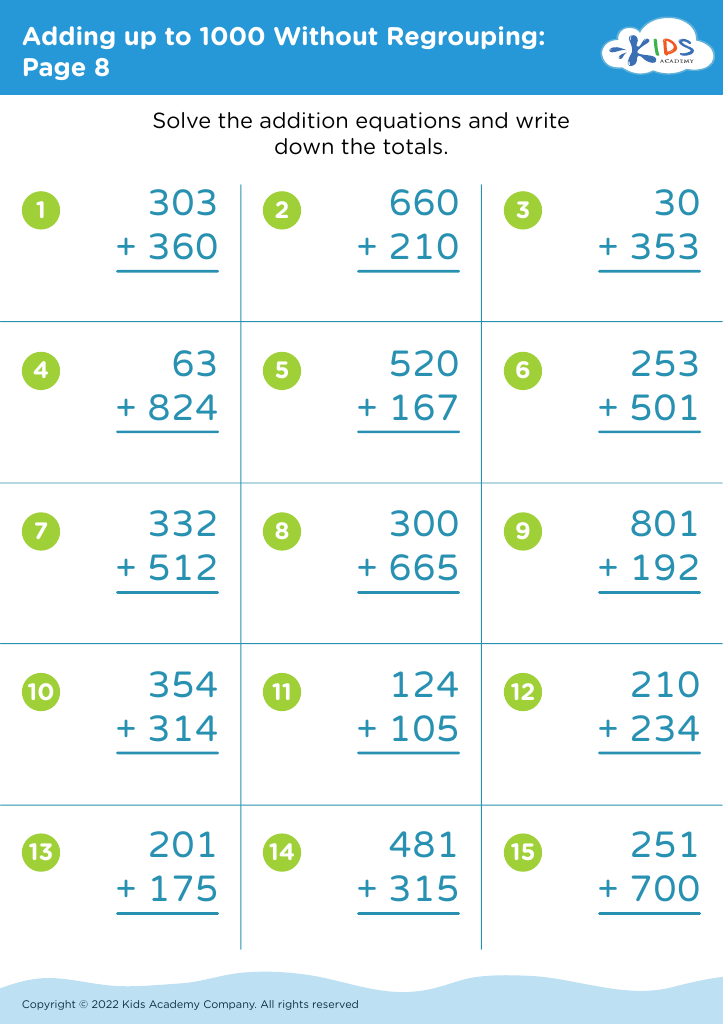
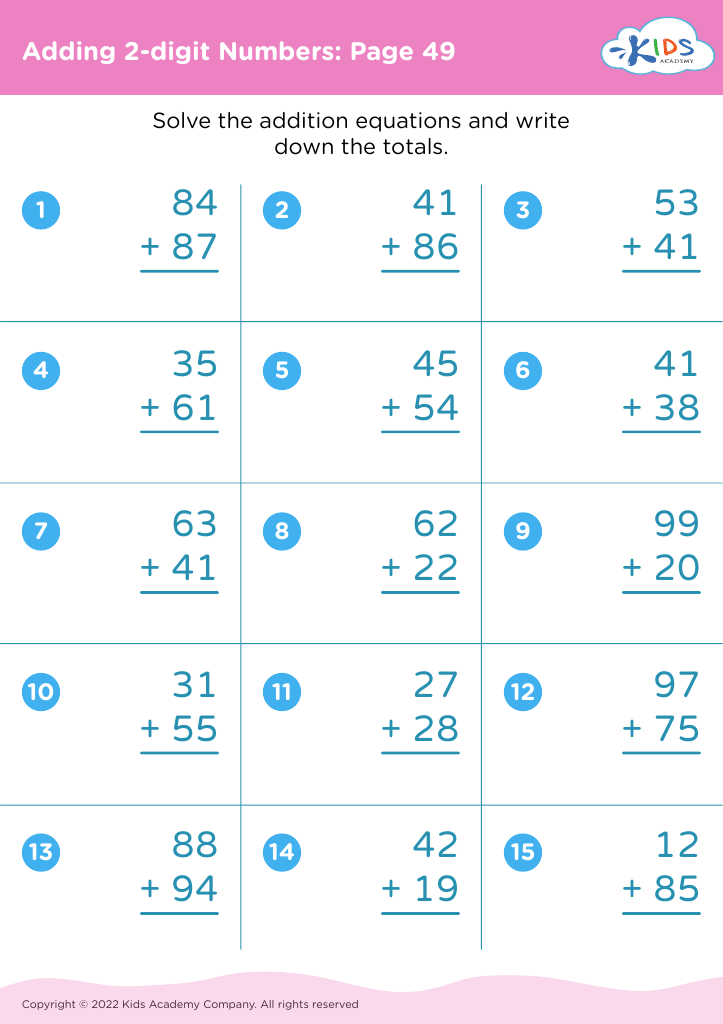
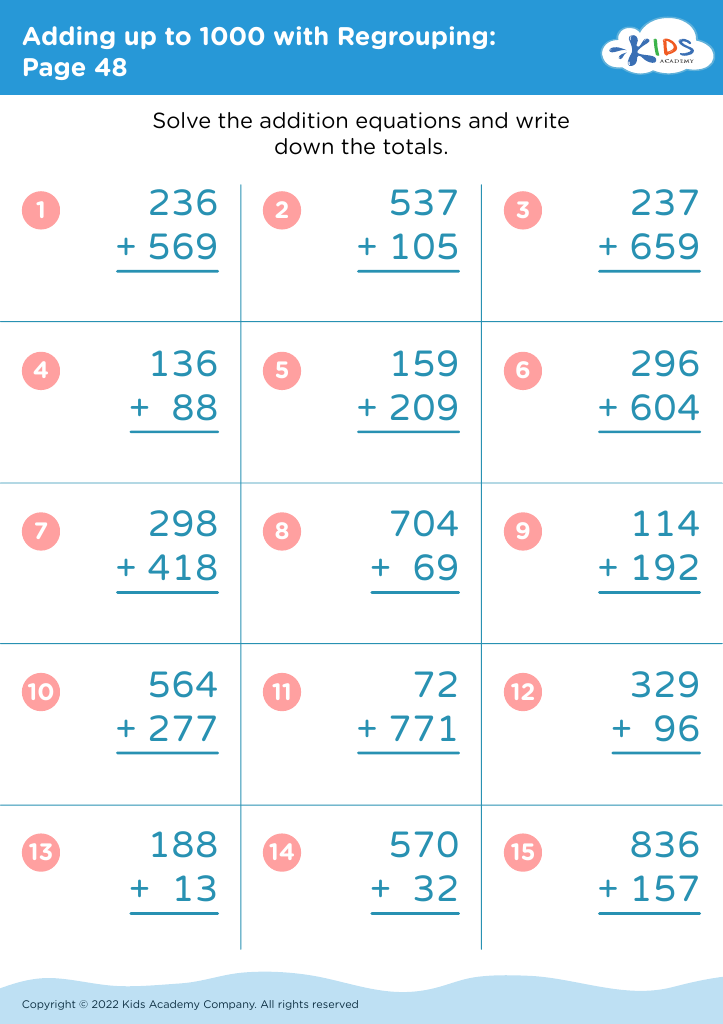
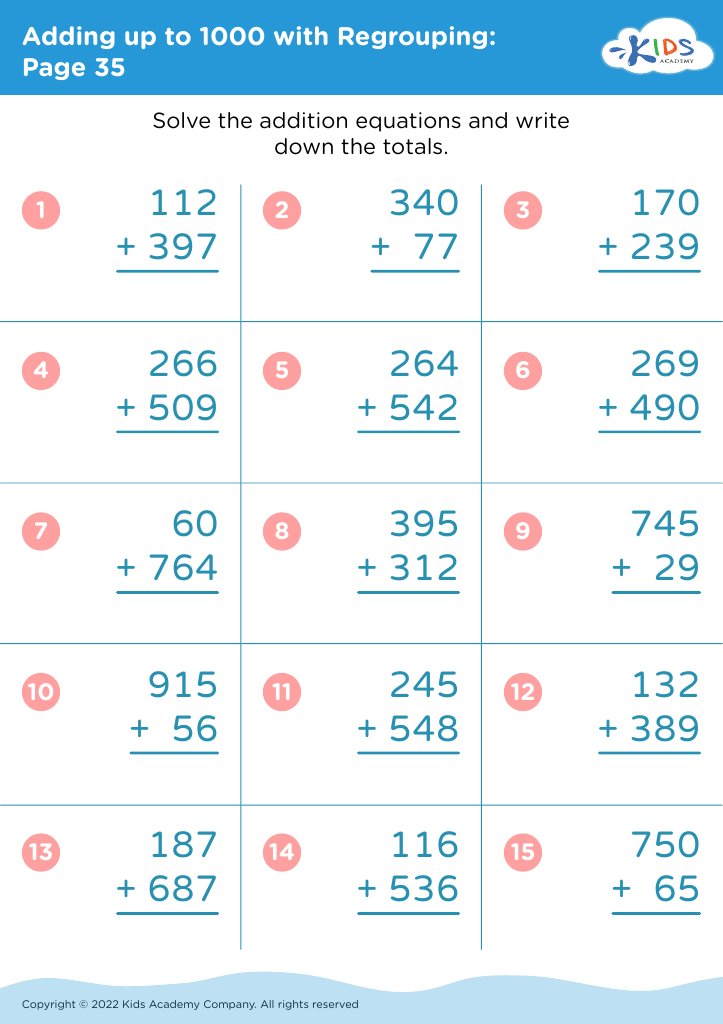
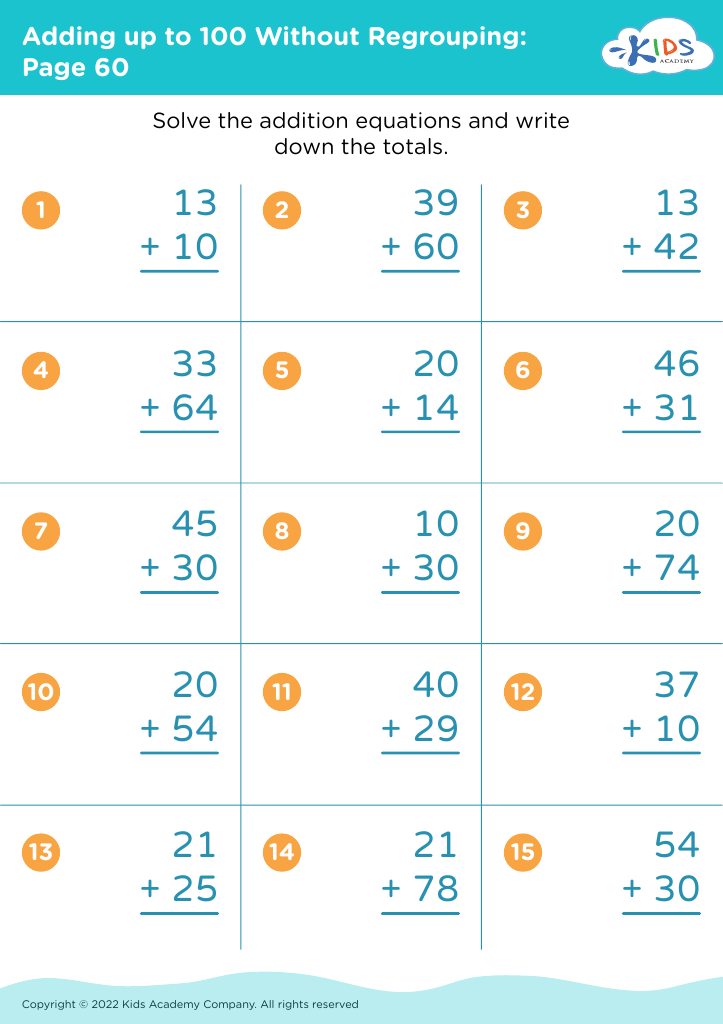








Improving reading skills and math comprehension for children ages 8 to 9 is crucial for several reasons. At this developmental stage, students transition from basic skills to more complex conceptual understanding. Strong reading skills allow children to interpret math problems accurately, understand word problems, and develop critical thinking abilities. Equally, math fluency builds confidence and enhances their ability to tackle both numerical and logical challenges.
Furthermore, strong reading and math competencies are foundational for academic success across all subjects. They support not only performance in standardized tests but also help children develop a love for learning, fostering curiosity and engagement. Enhanced skills can stimulate better participation in class, creating a more vibrant classroom environment.
It’s important for parents and teachers to collaborate in recognizing and addressing any challenges in these areas early on. Engaging in activities that promote reading, such as storytelling or reading various texts, and providing interactive math opportunities, like games or puzzles, can make learning enjoyable and effective. By nurturing these skills at this age, caregivers can help ensure that children become confident, independent learners who are prepared to face future academic endeavors. Thus, supporting reading and math skills is a vital investment in children's lifelong learning journey.








