Visual Learning Math Worksheets for Ages 8-9
11 filtered results
-
From - To
Unlock your child's potential with our Visual Learning Math Worksheets designed for ages 8-9! Our engaging worksheets use captivating visuals to teach core math concepts like addition, subtraction, multiplication, and division. Carefully crafted to align with school curriculums, these exercises make learning intuitive and fun. Empower your child to understand math in an enjoyable way while boosting their problem-solving and critical-thinking skills. Ideal for home or classroom use, these printable worksheets help children grasp challenging lessons through a visual approach, turning abstract numbers into tangible learning experiences. Discover the joy of learning with visual aids that make math truly click!
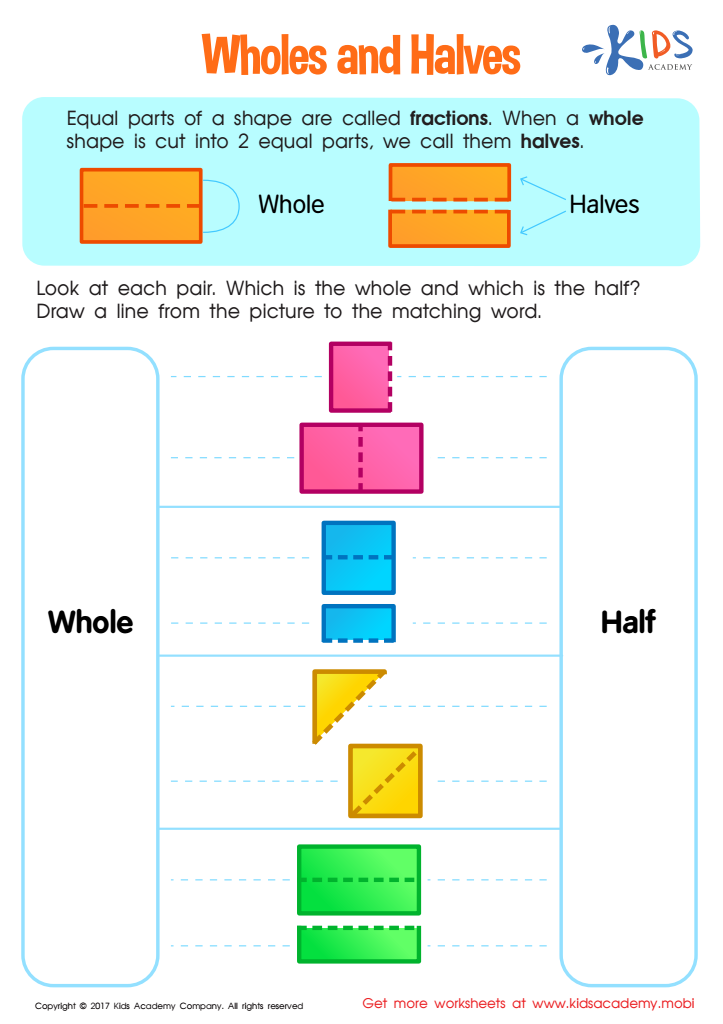
Wholes and Halves Worksheet
 Assign to My Students
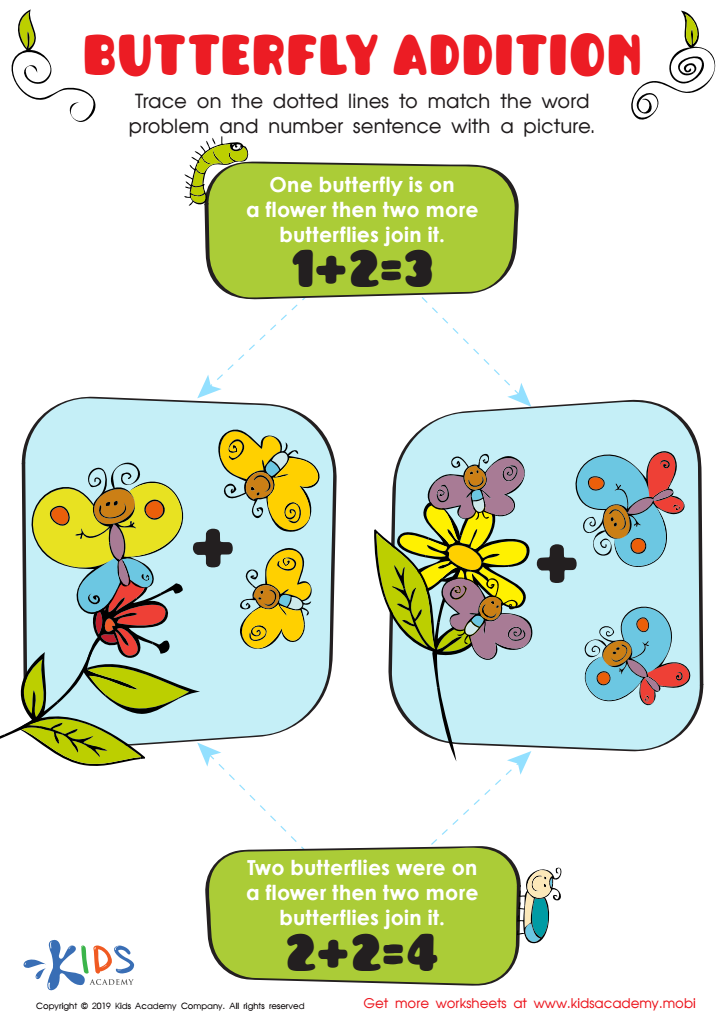
Butterfly Addition Worksheet
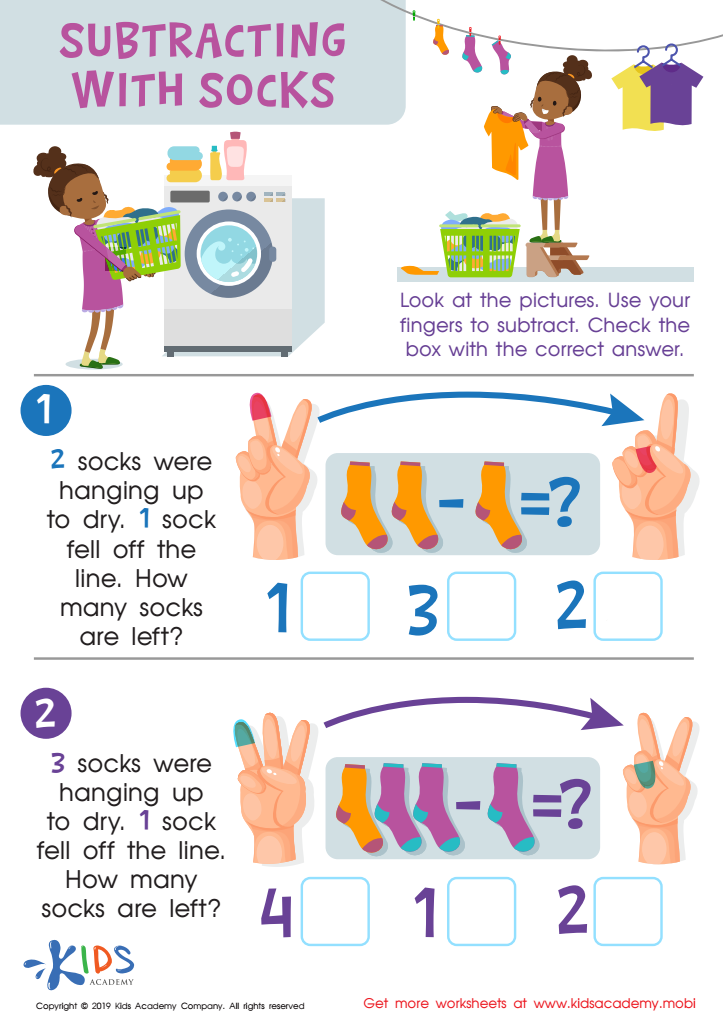
Subtracting Socks Worksheet
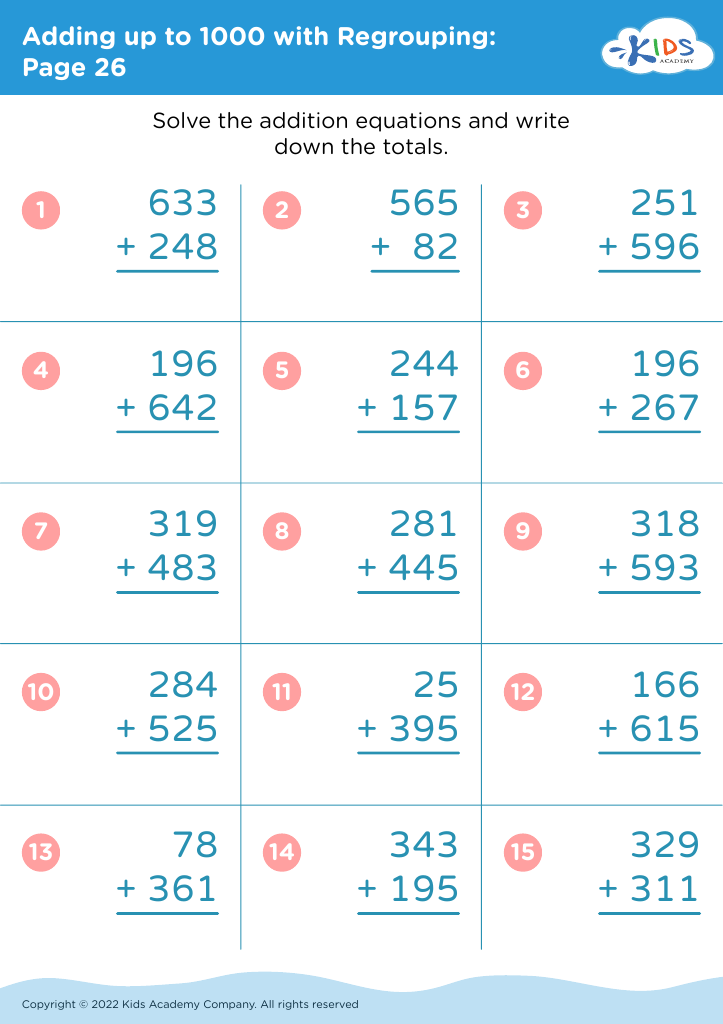
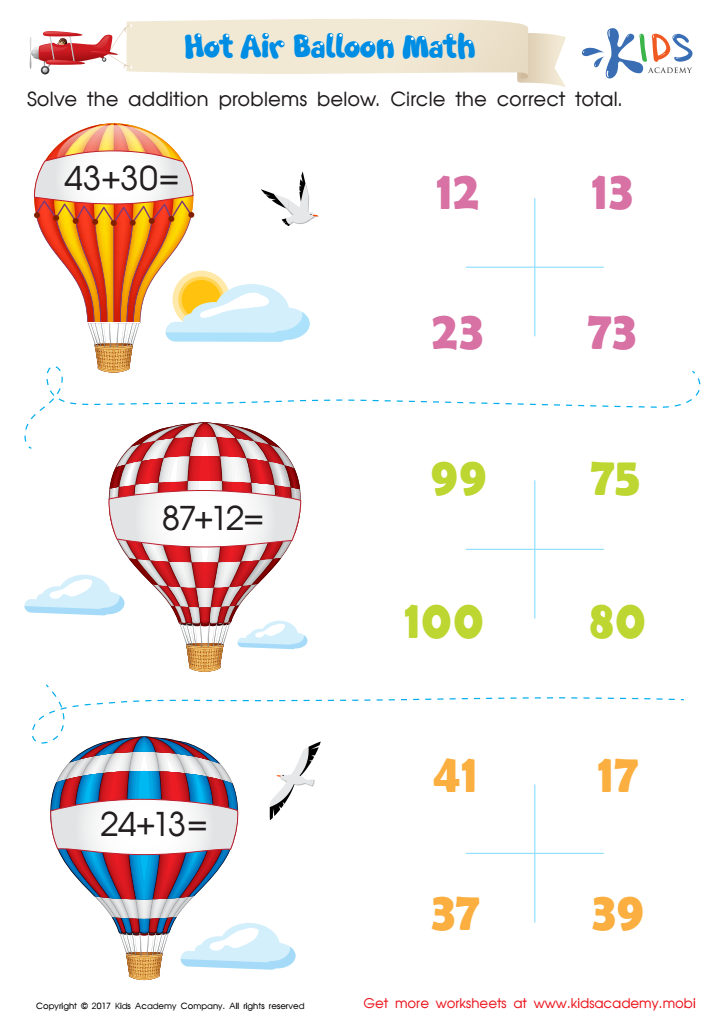
Hot Air Balloon Math Worksheet
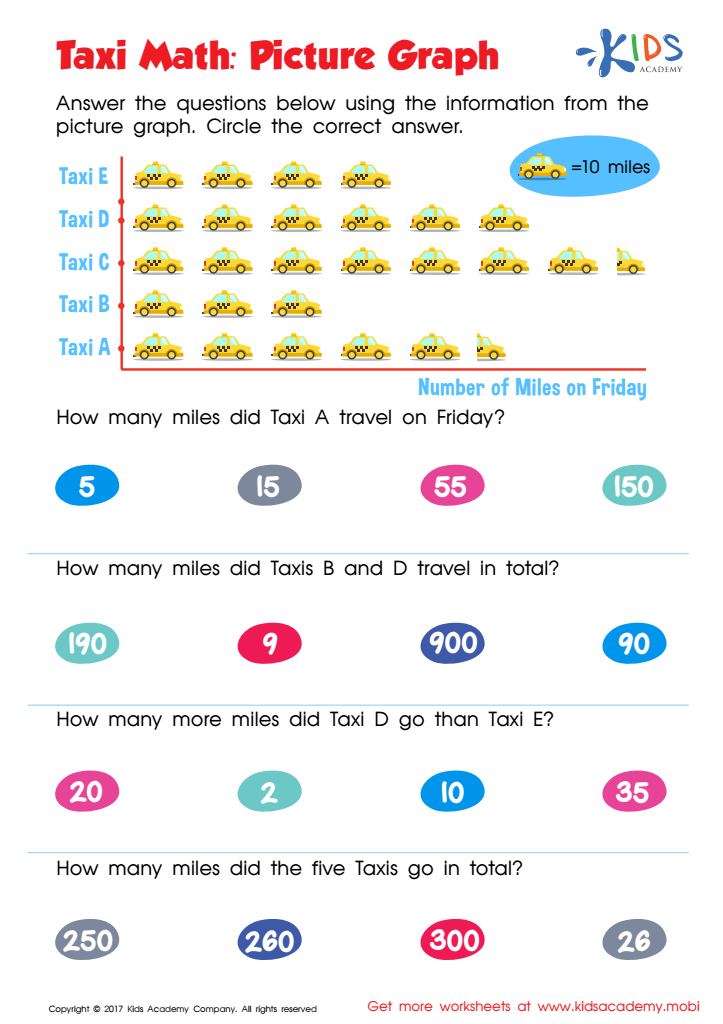
Taxi Math Worksheet
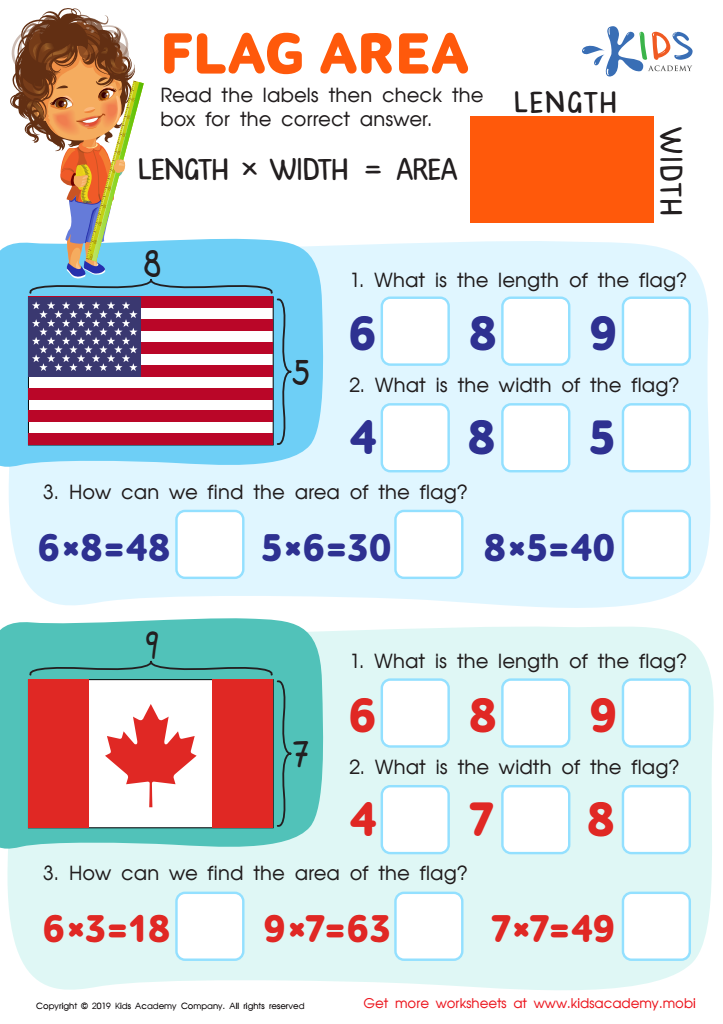
Flag Area Worksheet
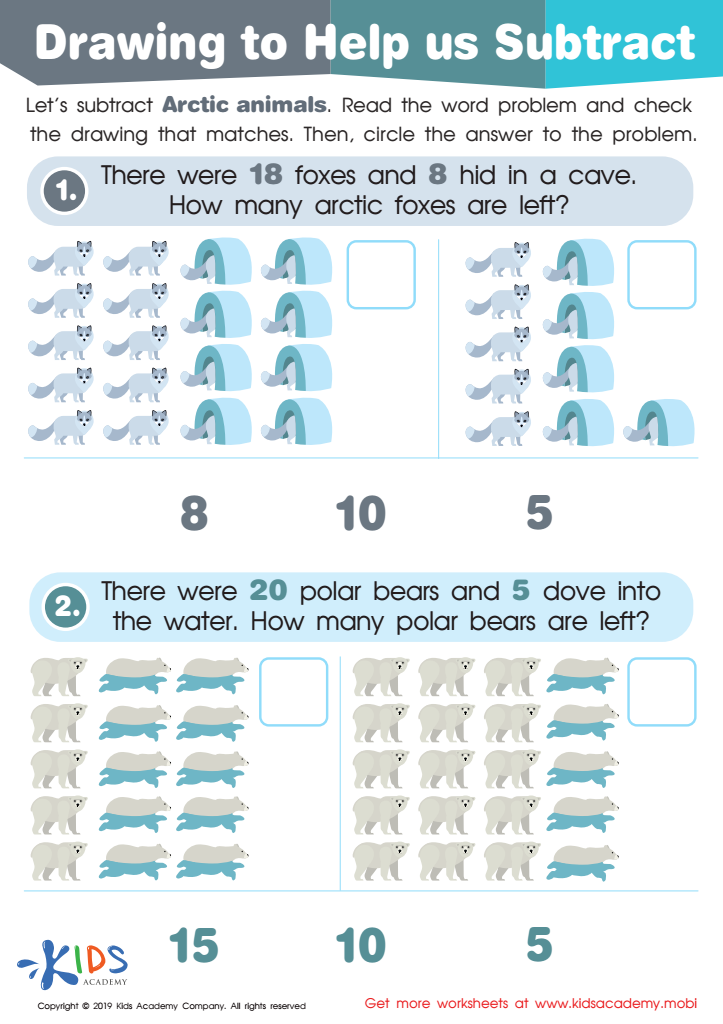
Drawing to Help Us Subtract Worksheet
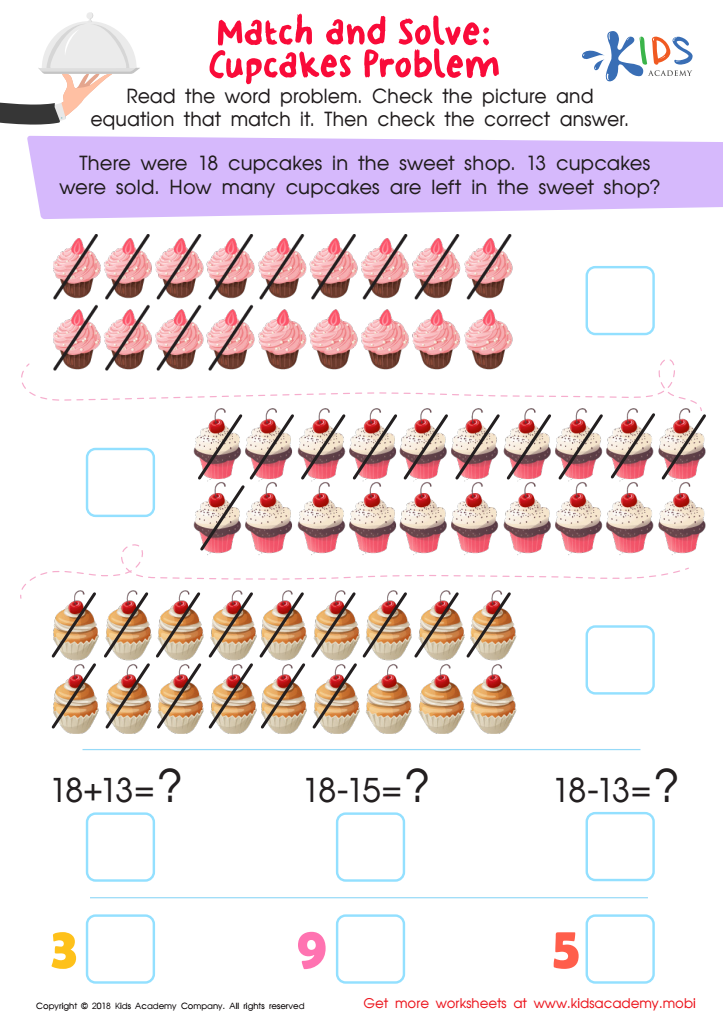
Match and Solve: Cupcakes Problem Worksheet
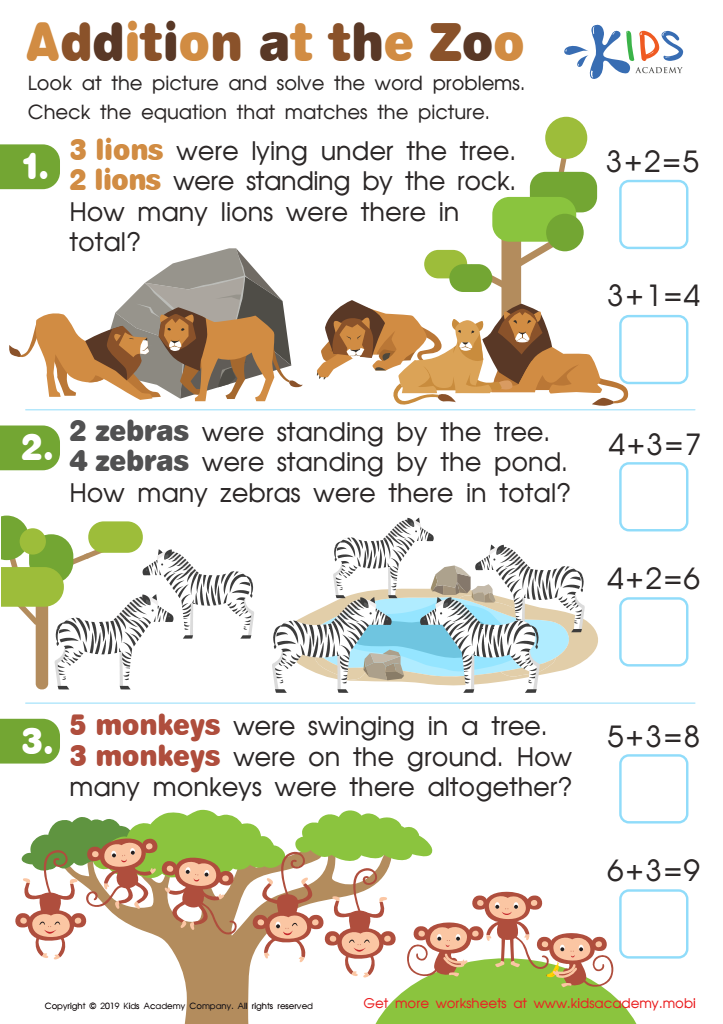
Addition at the Zoo Worksheet
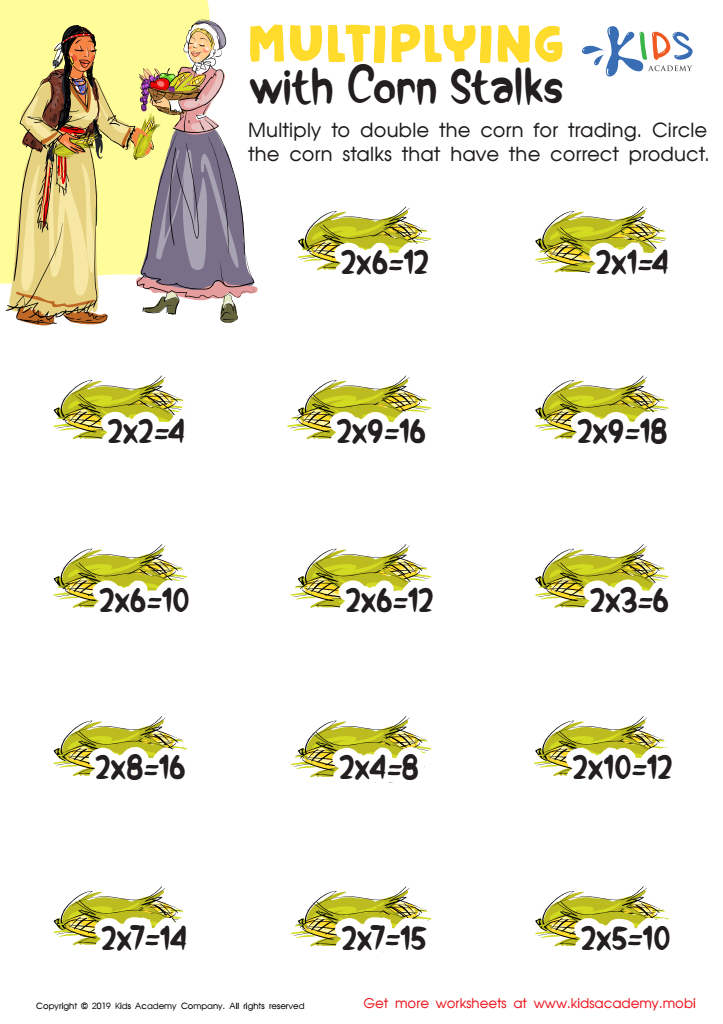
Multiplying With Corn Stalks Worksheet








Parents and teachers should care about visual learning math for ages 8-9 because it leverages children's natural ability to understand and remember visual information better than text. Visual learning strategies, such as diagrams, charts, and videos, make abstract math concepts concrete, enhancing comprehension. This aids in building a strong mathematical foundation during critical years when children are transitioning from simple arithmetic to more complex operations.
Visual aids can bridge gaps between theoretical ideas and practical understanding. For instance, seeing how fractions work through pie charts can be more intuitive than just reading about them. Visual methods also accommodate various learning styles, supporting not only visual learners but helping all students by making learning interactive and engaging.
In an age where students are increasingly familiar with screen-based media, integrating visual learning can keep them focused and motivated. These tools can also foster problem-solving skills and critical thinking. Visual models illustrate multiple problem-solving strategies, encouraging flexibility in thinking.
Furthermore, visual learning aligns with how real-world math problems are often represented, preparing students for future academic and life challenges. As a result, investing in visual learning not only makes math accessible and enjoyable for young learners but also equips them with essential skills for lifelong learning.








