Addition Practice Reading Worksheets for Ages 8-9
3 filtered results
-
From - To
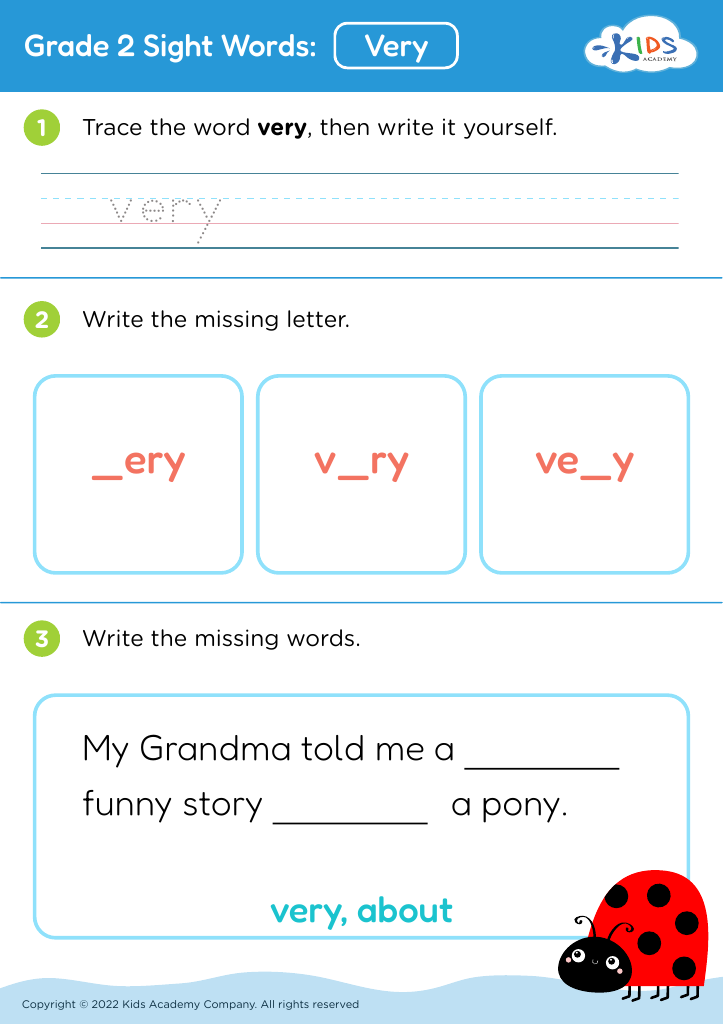
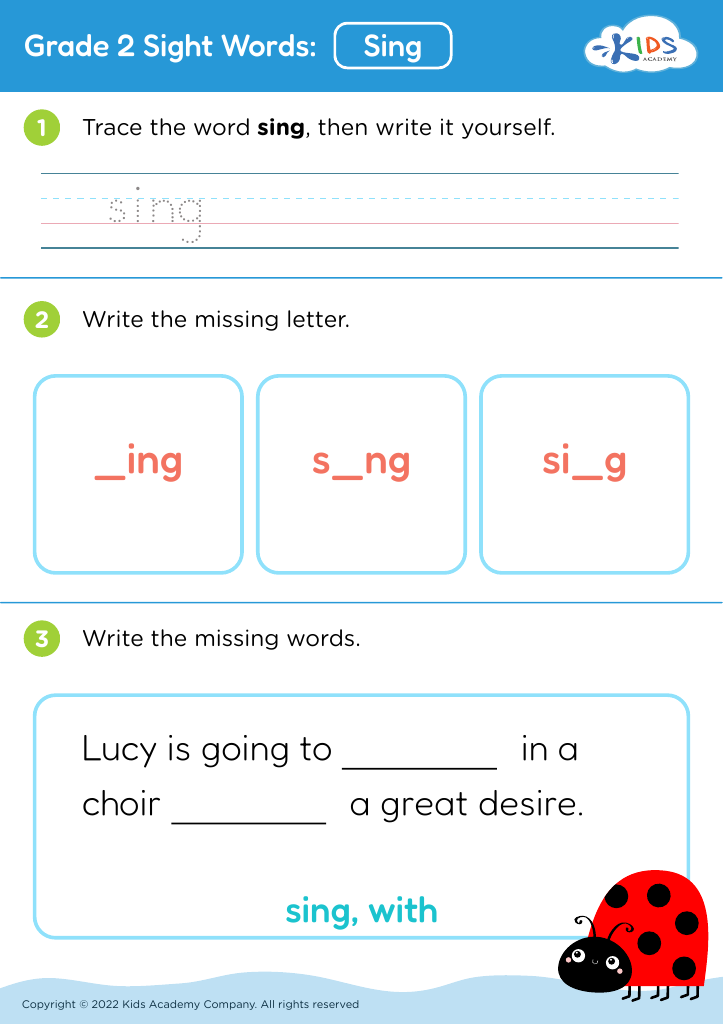
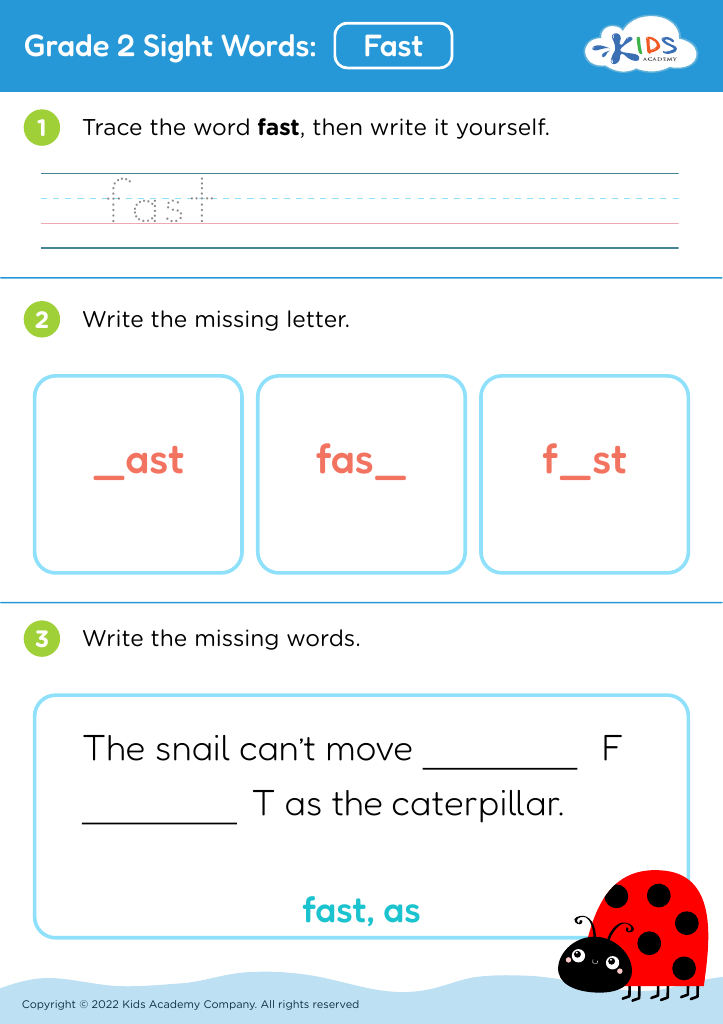
Welcome to our Addition Practice Reading Worksheets for ages 8-9! Designed to enhance both math and reading skills, these engaging worksheets combine educational content with fun activities that capture children's attention. Each worksheet focuses on addition concepts, inviting young learners to solve problems through engaging narratives and illustrations. Students will not only practice arithmetic but also improve their reading comprehension as they contextualize math within stories. Perfect for home or classroom use, our resources promote a love for learning while reinforcing essential skills. Explore our collection today to support your child's educational journey in an enjoyable way!






.jpg)

Addition practice reading for children aged 8-9 is crucial for several reasons. At this age, children transition from learning basic addition to applying these skills in more complex problems, often involving word problems that require comprehension and critical thinking. This practice not only helps solidify their mathematical skills but also enhances their reading proficiency, enabling them to interpret and analyze mathematical information effectively.
Engaging in addition practice reading fosters a deeper understanding of mathematics. When children learn to extract relevant information from a text, they develop both reading comprehension and problem-solving skills essential for future academic success. Teachers and parents should encourage this practice as it promotes a well-rounded skill set that empowers children to tackle more advanced concepts in both literacy and numeracy.
Furthermore, practicing mathematical reading builds confidence. Children who feel competent in both reading and addition are more likely to participate in class discussions, tackle challenging problems, and develop a positive attitude toward learning. As foundational skills are laid early on, they pave the way for lifelong learning and adaptability in various subjects. Hence, investing time in addition practice reading is a commitment to children’s overall educational development, it equips them with essential skills that are interlinked across subjects.








