Comparing Fractions Reading Worksheets for Ages 8-9
15 filtered results
-
From - To
Explore our engaging "Comparing Fractions Reading Worksheets" designed for kids ages 8-9! These worksheets help young learners develop essential skills in understanding and interpreting fractions. With a variety of fun activities, students will practice identifying, comparing, and expressing fractions in a clear, relatable manner. Our resources are aligned with educational standards, making them perfect for both classroom and home use. Through colorful visuals and interactive exercises, children will build confidence in their math abilities while enhancing their reading comprehension in the context of fractions. Start enhancing your child’s math journey today with our expertly crafted worksheets!
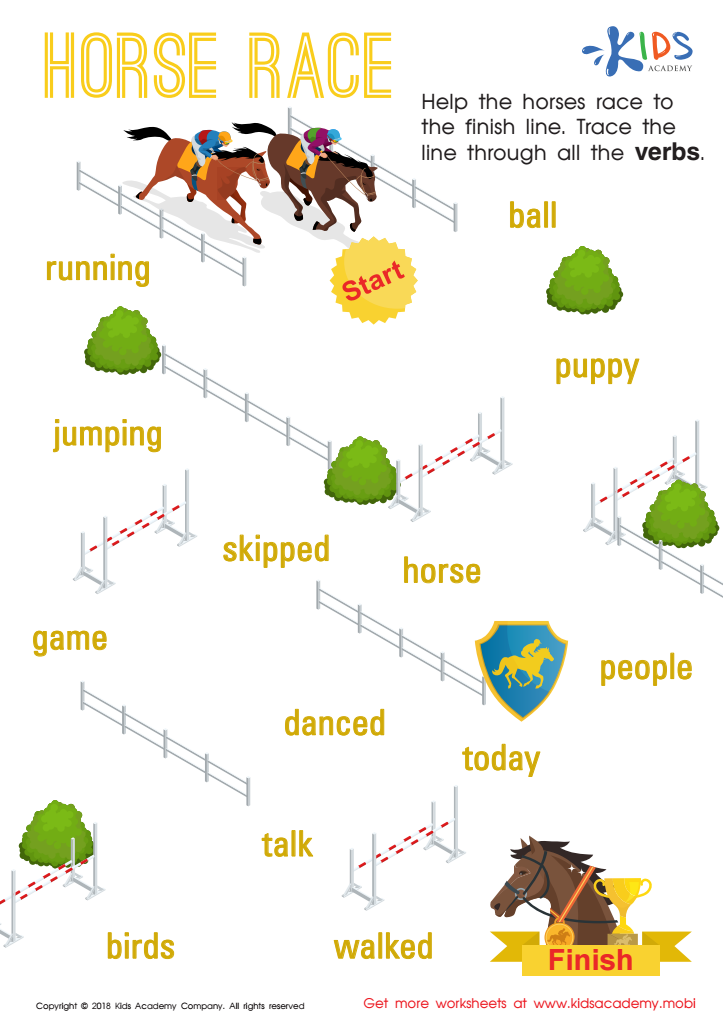
Horse Race Worksheet
 Assign to My Students
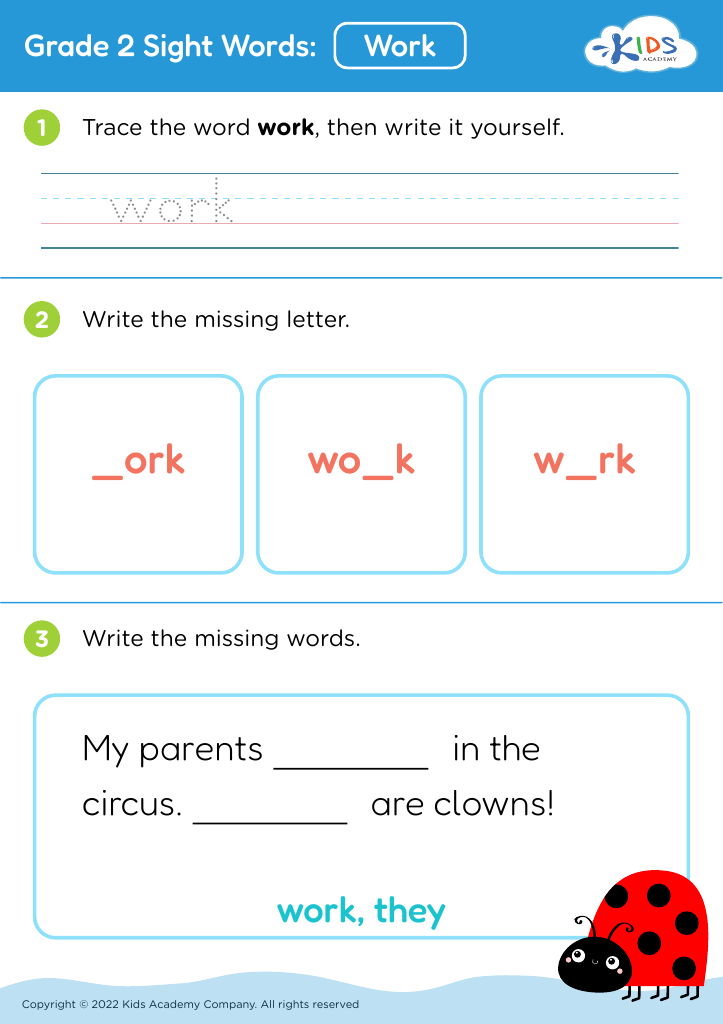
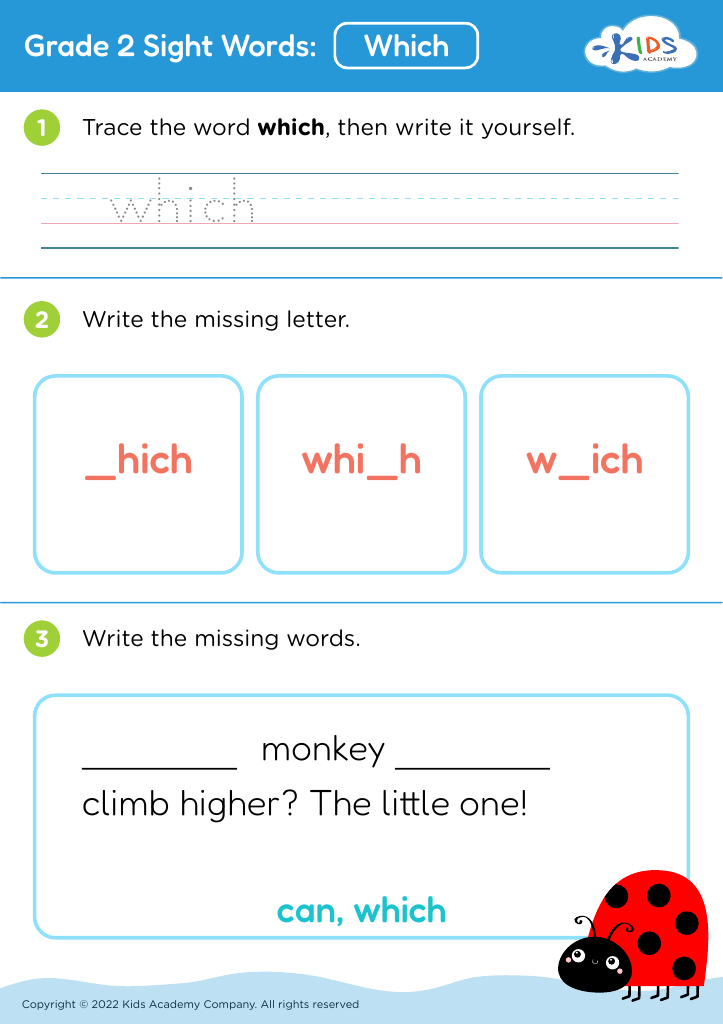
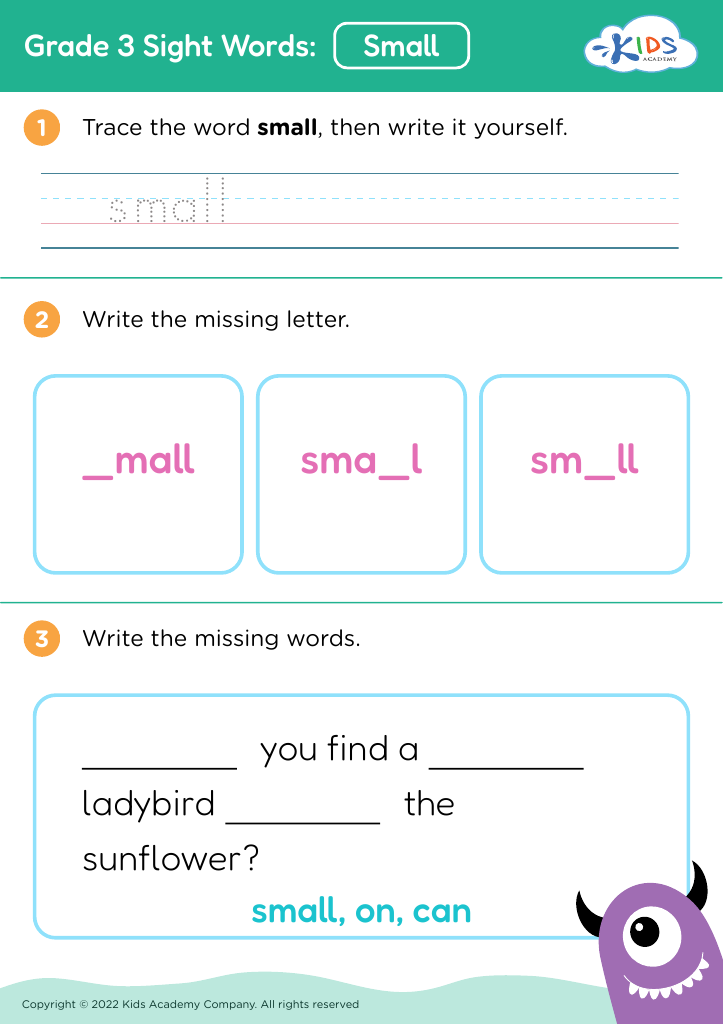






Comparing fractions is a crucial mathematical skill for children aged 8-9, as it lays the foundation for more advanced concepts in fractions, ratios, and proportions. Understanding how to compare fractions helps students make sense of real-life scenarios, such as sharing food or determining quantities in recipes, which enhances their problem-solving abilities.
Parents and teachers should care about comparing fractions reading because it develops critical reasoning and cognitive skills. Engaging with age-appropriate texts on this topic allows children to grasp the concepts of numerators and denominators, fostering analytical thinking. These readings encourage discussions about why one fraction is larger or smaller, which strengthens verbal communication and mathematical discourse among peers and adults.
Moreover, by integrating comparing fractions reading into the learning process, parents and teachers can support individual learning styles and enhance comprehension. These resources can enrich a child's vocabulary but also create a fun, interactive approach to learning math, making it less intimidating. Additionally, mastering fraction comparison builds confidence in mathematics, paving the way for success in future academic challenges. Thus, fostering an early understanding of comparing fractions should be a priority for both parents and educators.








