Counting practice Reading Worksheets for Ages 8-9
8 filtered results
-
From - To
Welcome to our Counting Practice Reading Worksheets for Ages 8-9! These engaging and interactive worksheets are designed to help young learners enhance their math skills while developing reading comprehension. Each activity combines counting exercises with fun reading passages, ensuring that students not only practice their numbers but also improve their language abilities. Our worksheets align with educational standards, making them perfect for classroom use or home practice. Encourage your children to explore the world of numbers and words, fostering a strong foundation in both math and literacy. Discover inspiring resources that make learning enjoyable and effective today!
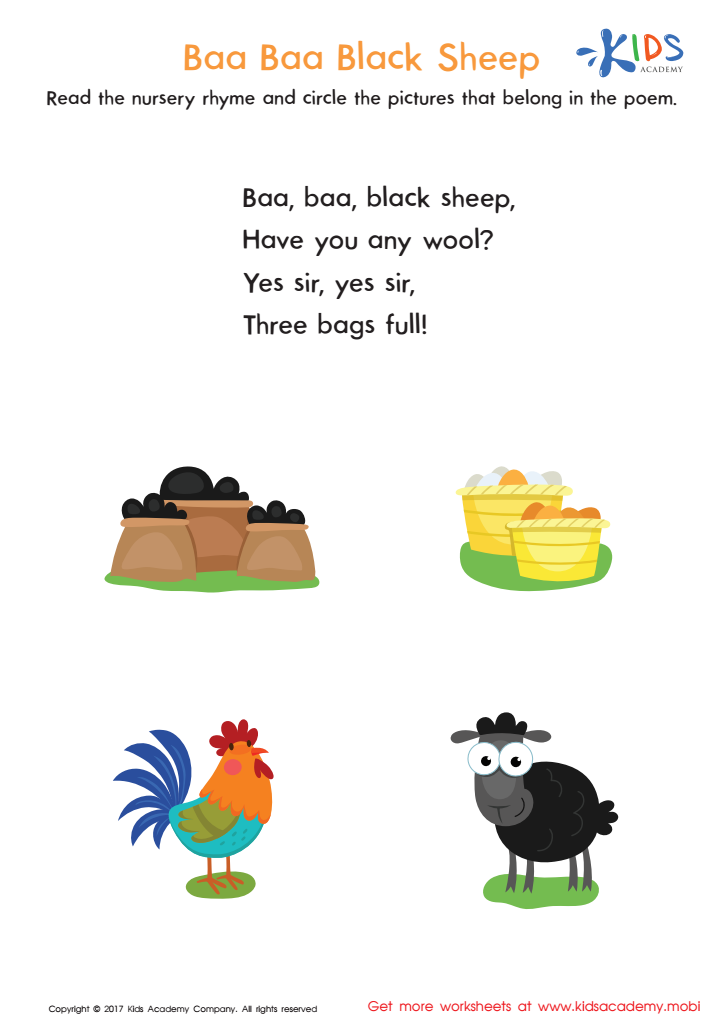
Baa Baa Black Sheep Printable
 Assign to My Students

The Dog and His Bone Worksheet
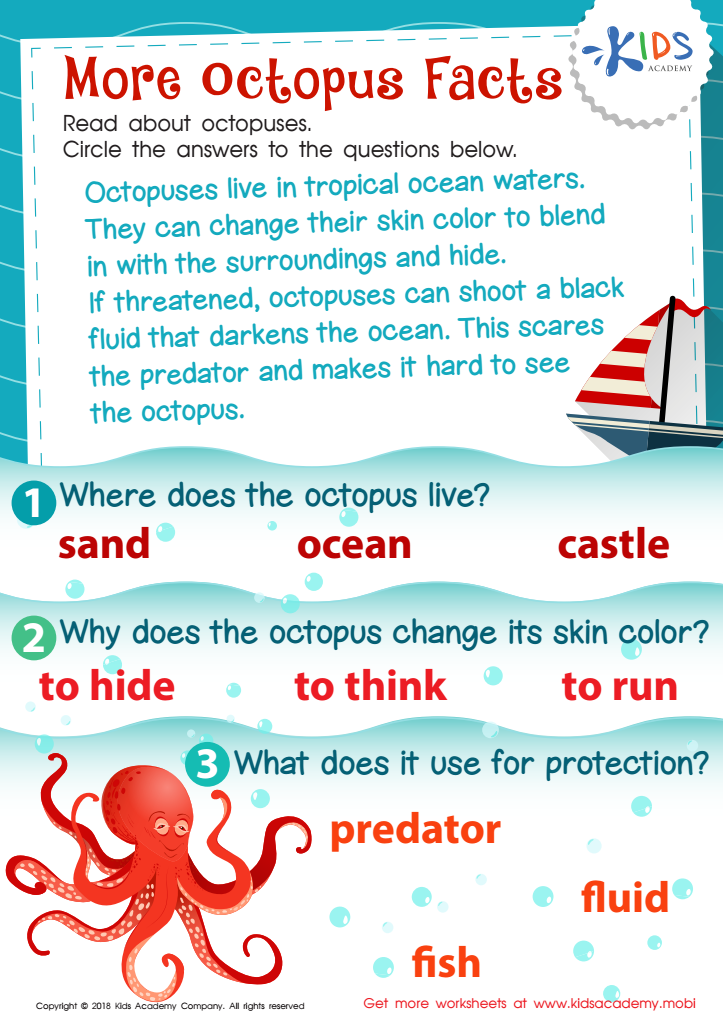
More Octopus Facts Worksheet
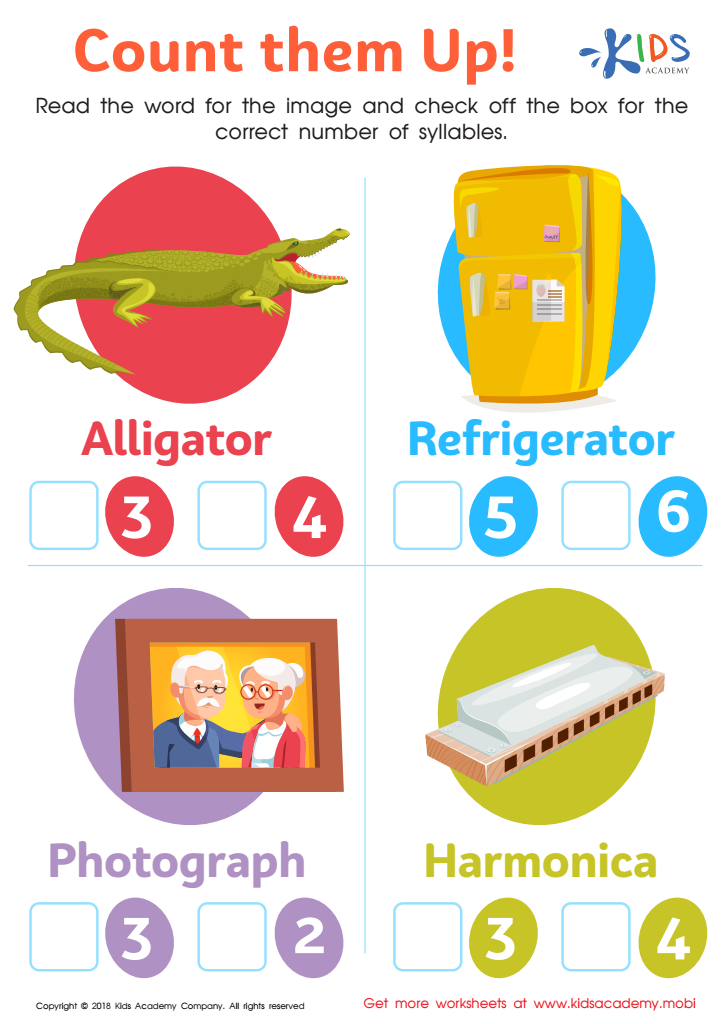
Count Them Up Worksheet








Counting practice is vital for children aged 8-9 as it lays a robust foundation for mathematical understanding. At this developmental stage, students navigate more complex numerical concepts, such as addition, subtraction, multiplication, and division. Regular counting practice sharpens their numerical fluency, helping them to solve problems more effectively in both academic and real-life situations.
For parents and teachers, fostering a strong sense of counting not only boosts children's confidence but also encourages critical thinking skills. Engaging activities, such as counting objects or playing number games, can make learning enjoyable and interactive, showing children that math can be fun.
Furthermore, counting practice complements reading skills by enhancing cognitive functions such as memory, attention, and comprehension. Just as children learn to decode words and understand sentence structures, mastering numbers is essential for their overall academic growth.
Additionally, instilling a strong numerical foundation at this age can bridge to more advanced concepts later on, such as fractions and geometry. Ultimately, prioritizing counting practice empowers children, setting them on a path toward academic success and everyday problem-solving, making it a crucial focus for parents and educators alike.








