Hand-eye Coordination Reading Worksheets for Ages 8-9
5 filtered results
-
From - To
Enhance your child's reading skills with our Hand-eye Coordination Reading Worksheets for ages 8-9. Designed to engage young learners, these worksheets integrate reading comprehension with hands-on activities that promote motor skills. Our engaging exercises and fun illustrations create a dynamic learning environment, ensuring that your child not only grasps reading concepts but develops vital hand-eye coordination essential for their overall development. Suitable for both classroom and home use, these worksheets are perfect for reinforcing essential reading skills while keeping your child entertained. Explore our diverse range of activities and watch as your child's confidence and proficiency in reading flourish!
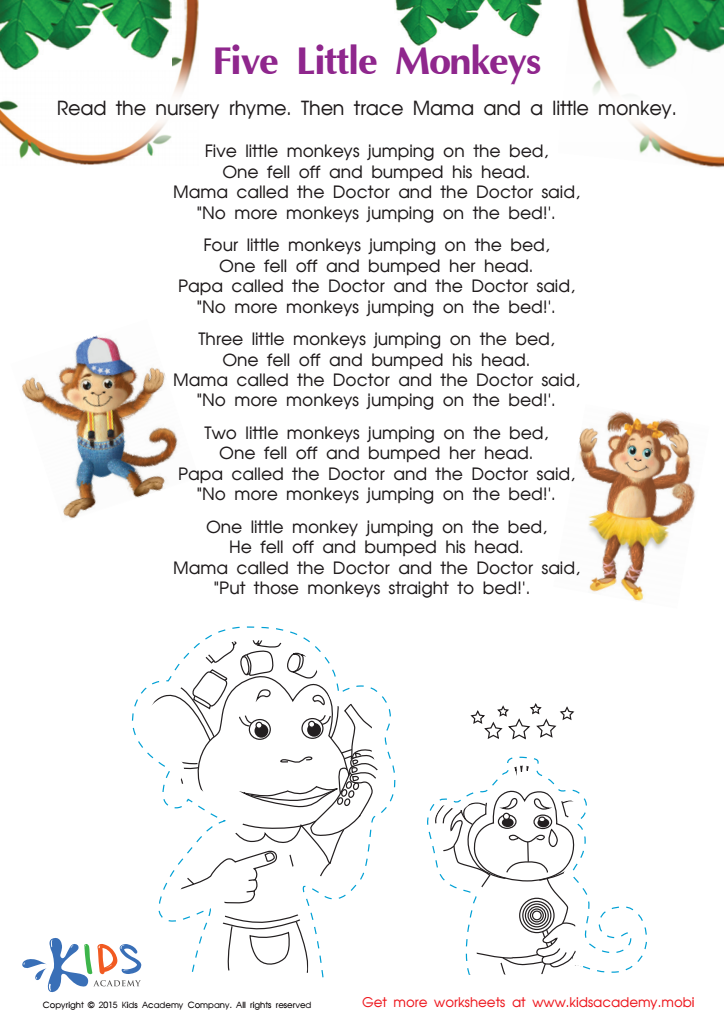
The Five Little Monkeys Nursery Rhyme Worksheet

Long and Short U Worksheet
 Assign to My Students
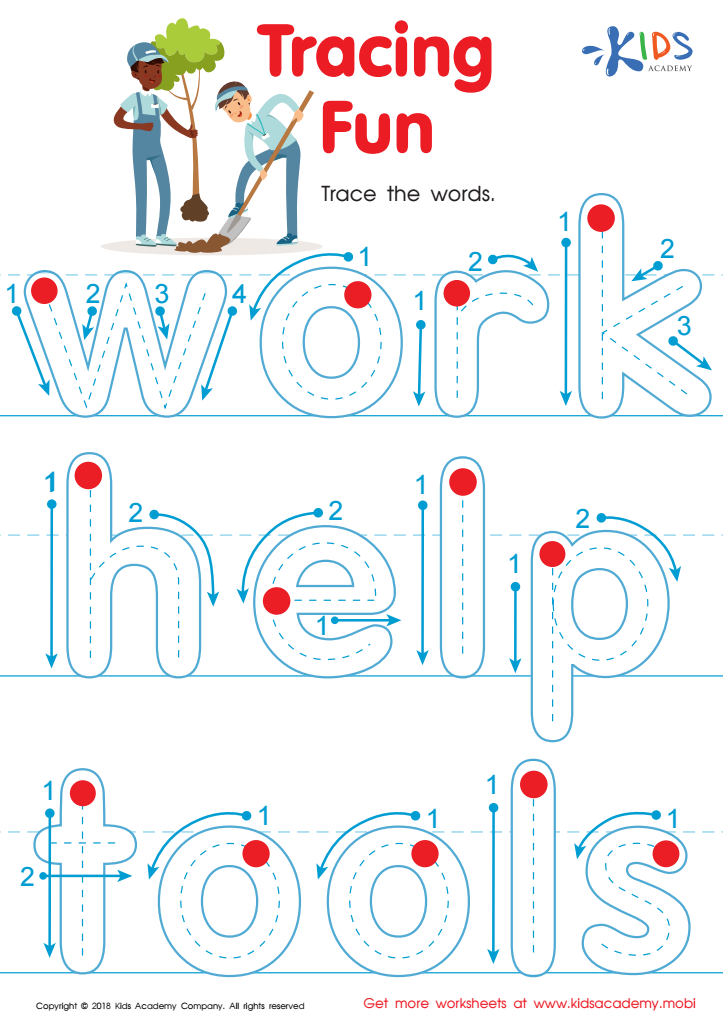
Tracing Fun Worksheet
Boy and Girl Words Coloring Worksheet
Assign to My Students
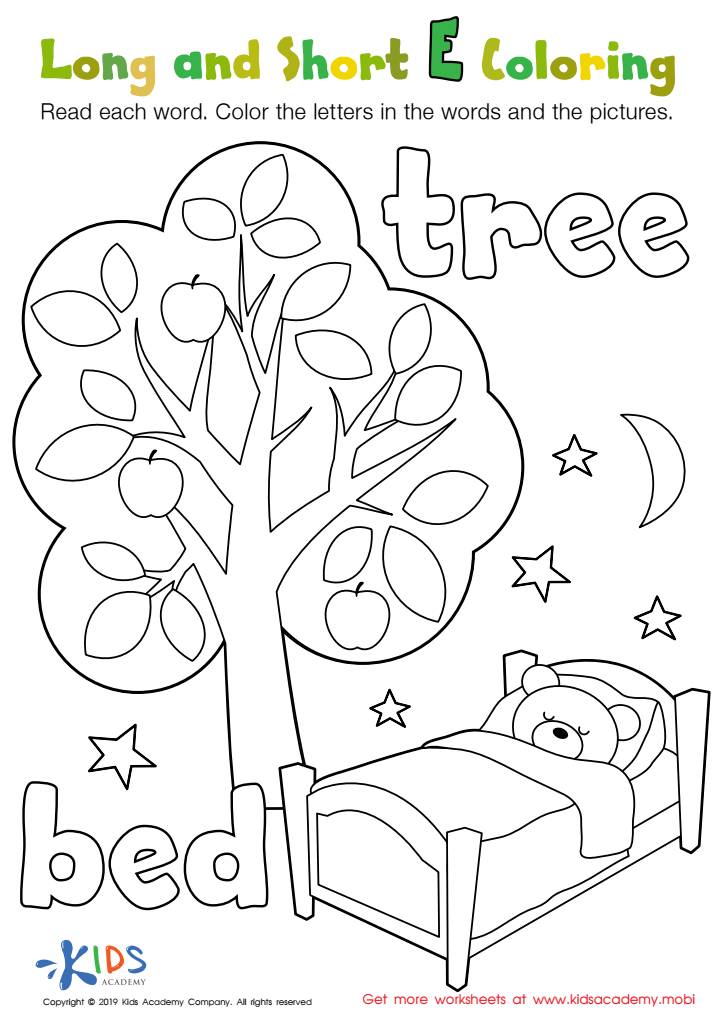
Long and Short E Worksheet
Assign to My Students







Hand-eye coordination is an essential skill that significantly impacts learning, particularly in reading for ages 8-9. During this critical developmental stage, children are refining their ability to coordinate their visual perception with motor skills. Effective hand-eye coordination allows children to track words on a page smoothly, transitioning from one word to the next while maintaining comprehension, ultimately fostering fluency.
When parents and teachers prioritize activities that enhance hand-eye coordination, they benefit students beyond just reading. Improved coordination aids in writing, drawing, and even problem-solving tasks, as children develop their fine motor skills. Furthermore, reading improves cognitive abilities, enhancing vocabulary retention and comprehension skills.
Moreover, strong hand-eye coordination correlates with confidence, as children who struggle with tracking often become frustrated and disengaged. By integrating coordinated movements with reading activities, such as puppet shows or interactive games, adults can create engaging experiences that solidify these critical skills.
Encouraging hand-eye coordination not only supports academic success but also contributes to children's overall development, impacting their physical, cognitive, and emotional growth. For parents and teachers, nurturing this ability can lead to improved learning outcomes and a positive attitude towards reading, setting the foundation for lifelong learning and exploration.








