Improve reading comprehension Reading Worksheets for Ages 8-9
4 filtered results
-
From - To
Enhance your child's reading skills with our engaging and educational worksheets designed specifically for ages 8-9. Our "Improve Reading Comprehension" series offers a variety of activities that promote critical thinking, enrich vocabulary, and boost understanding of texts. These worksheets feature captivating stories, thought-provoking questions, and fun exercises that make learning enjoyable. With our expertly crafted materials, children will develop the skills needed to analyze and interpret information, fostering a love for reading that lasts a lifetime. Perfect for classroom use or at-home practice, these resources are a valuable tool for young readers.
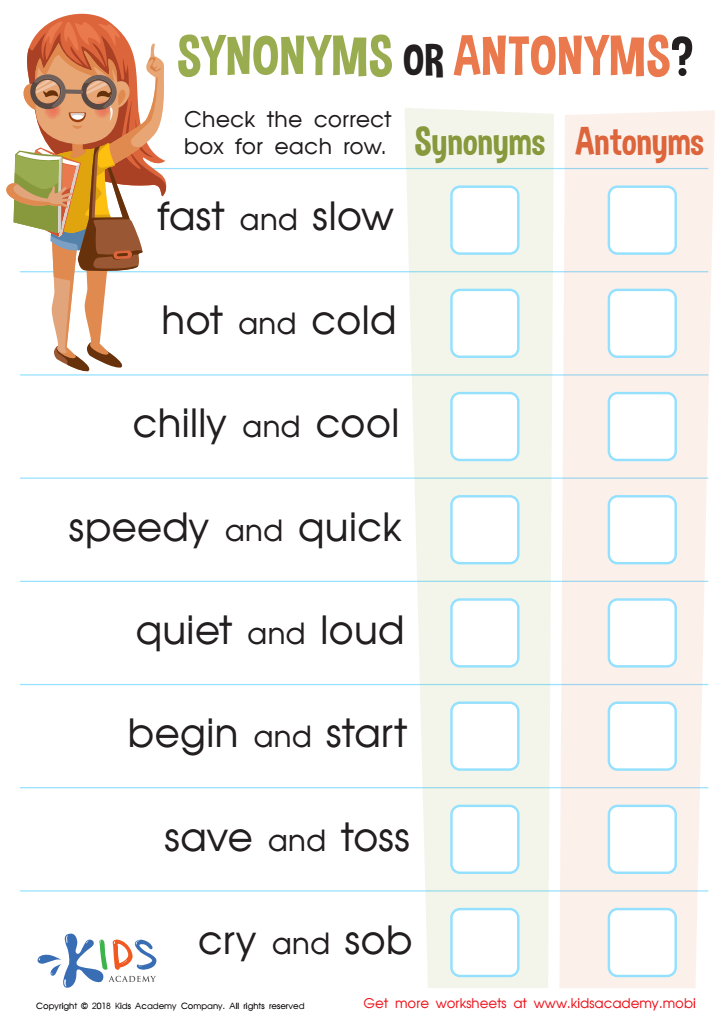
Synonyms or Antonyms: Assessment Worksheet
 Assign to My Students
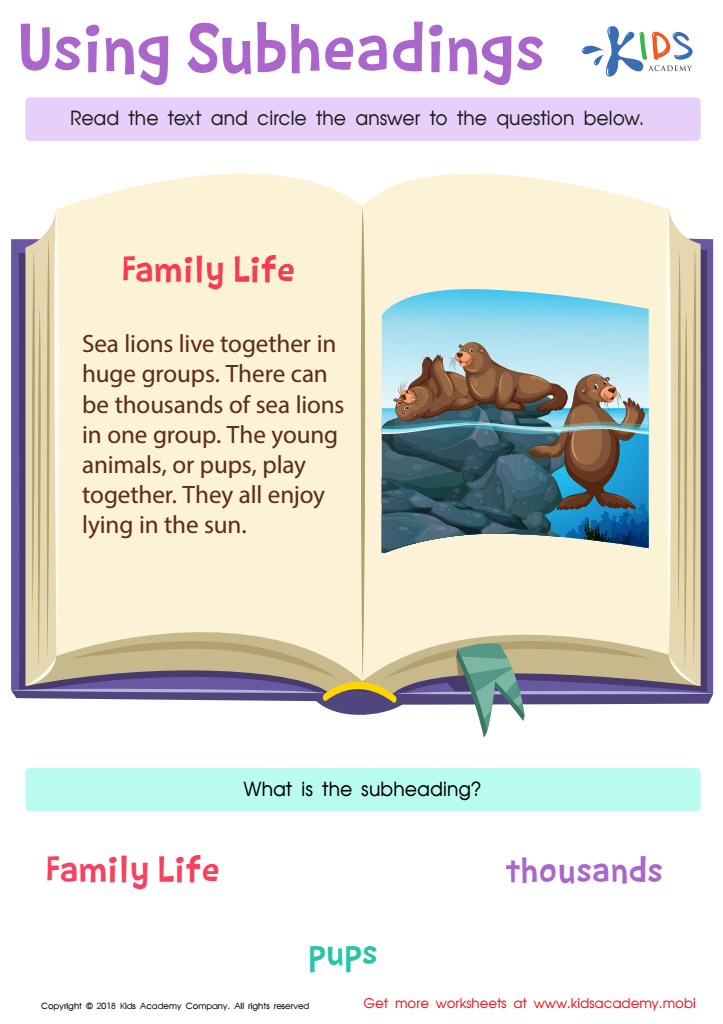
Using Subheadings Worksheet
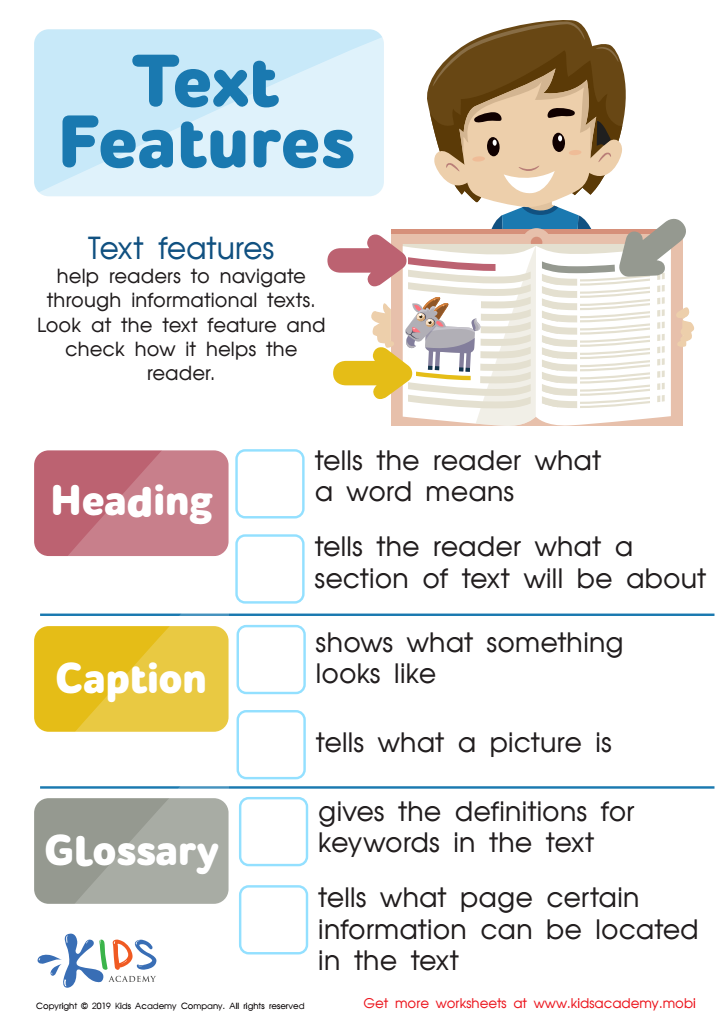
Text Features Worksheet
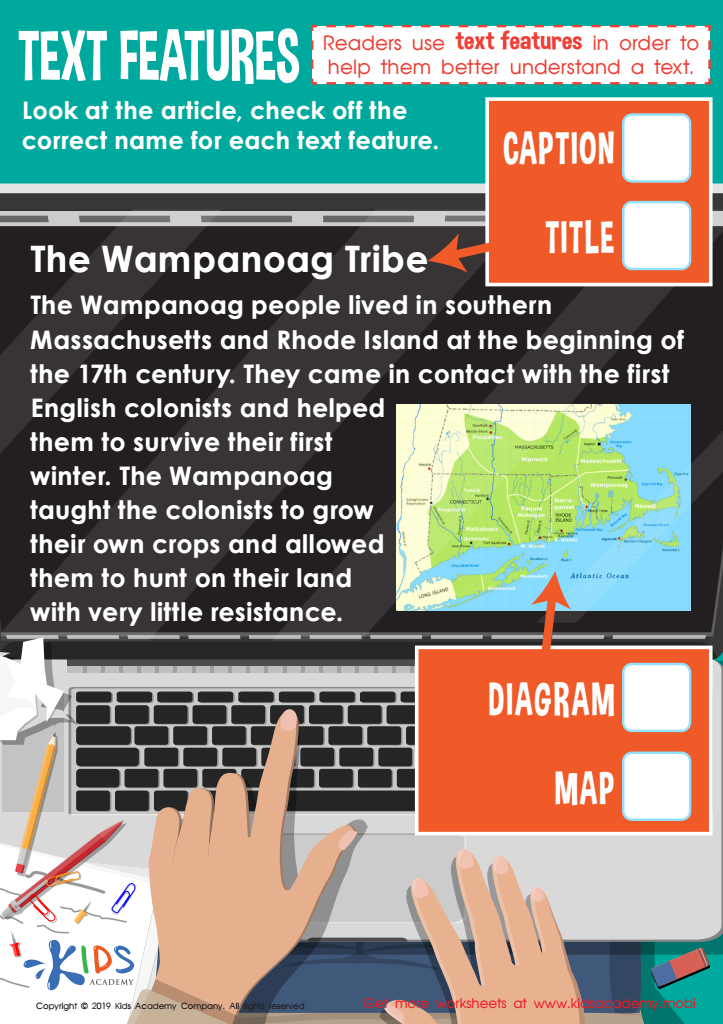
Text Features Worksheet







Improving reading comprehension skills for children aged 8-9 is crucial for several reasons. Firstly, this age range typically falls in the middle of elementary education, where students transition from learning to read to reading to learn. Strong reading comprehension skills are essential for understanding more complex texts across all subjects, including science, social studies, and math word problems.
Secondly, good comprehension fosters a love for reading by making the process enjoyable and rewarding. When children understand what they read, they are more likely to be engaged and show enthusiasm for picking up books, which builds lifelong reading habits.
Thirdly, effective reading comprehension skills contribute to academic success and overall cognitive development. Comprehending text involves critical thinking, analyzing information, making inferences, and drawing conclusions, which are all vital cognitive skills.
Furthermore, reading comprehension is directly linked to writing skills. Understanding text structures, vocabulary, and context enables children to become better writers.
Lastly, in today's information-driven world, the ability to comprehend written material accurately is imperative for personal and professional growth. By prioritizing reading comprehension, parents and teachers set children up for future success, nurturing them into well-informed, thoughtful, and competent individuals. Investing in these skills also helps close educational gaps, providing equal opportunities for all learners.








