Understanding fractions Reading Worksheets for Ages 8-9
25 filtered results
-
From - To
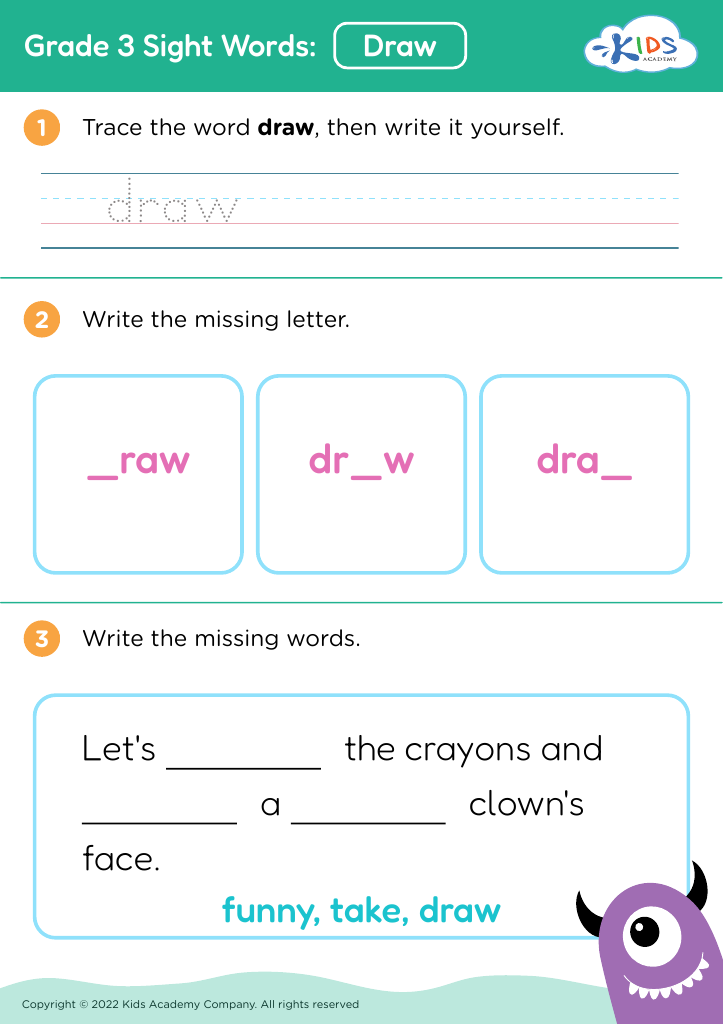
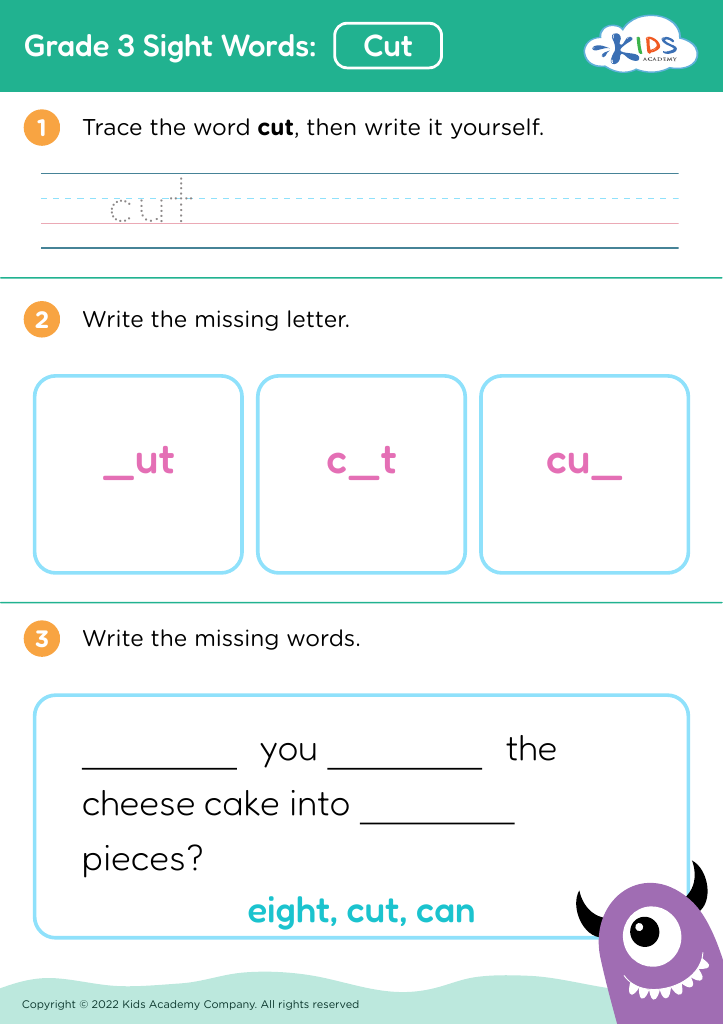
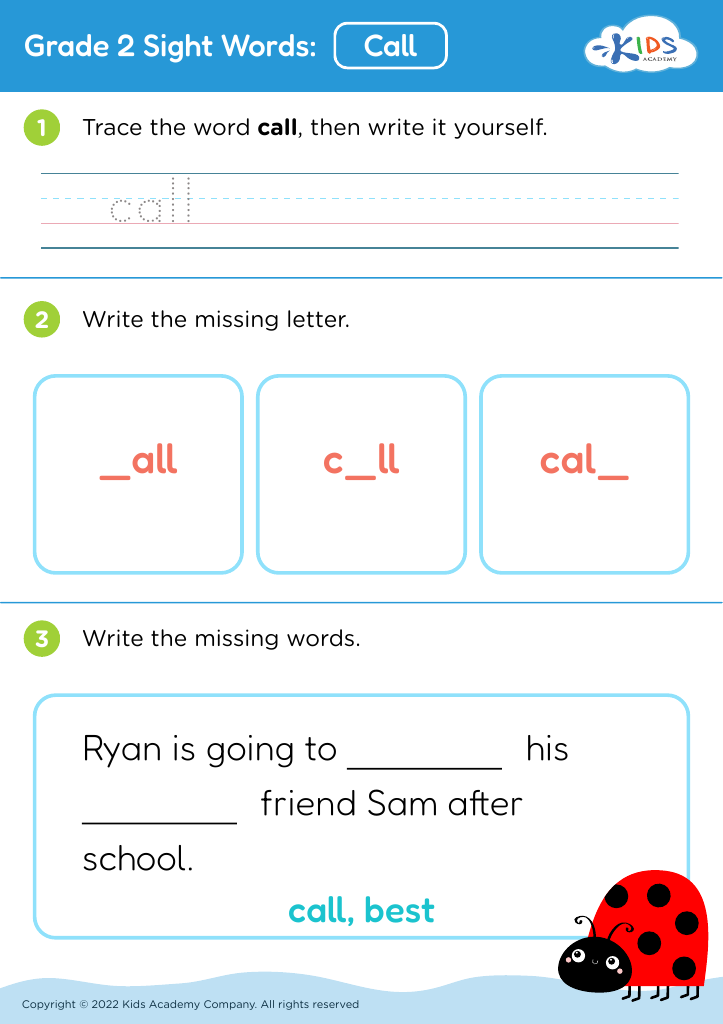
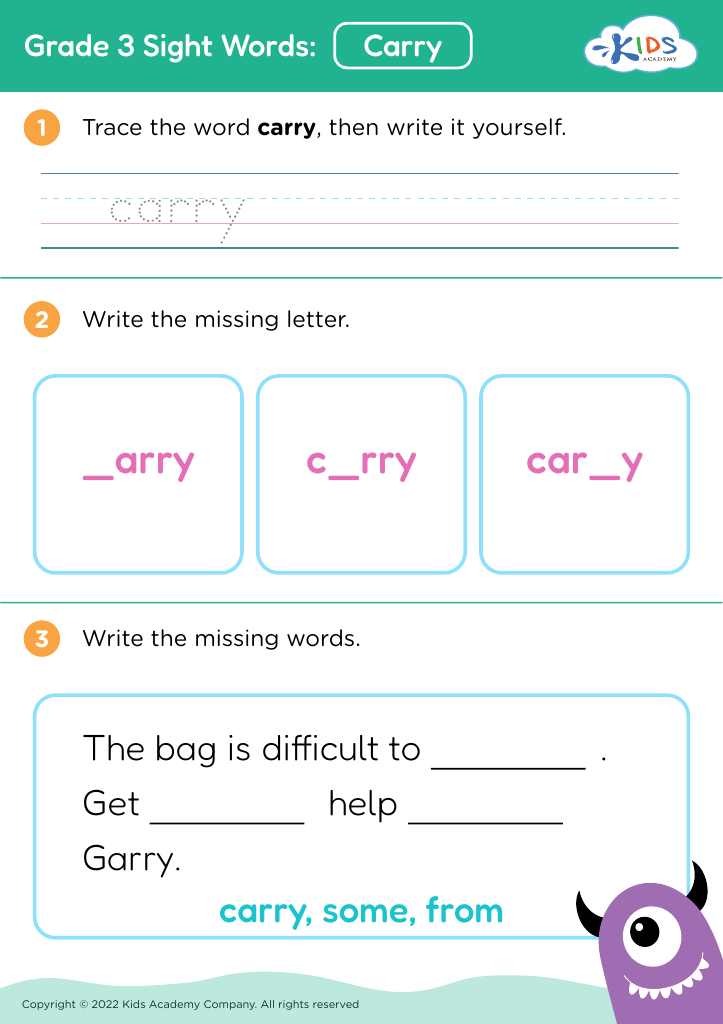
Unlock the potential of your 8-9 year-olds with our comprehensive "Understanding Fractions" reading worksheets. Designed to simplify the complex concept of fractions, these engaging worksheets blend fun with fundamental learning. Your child can explore fractions through interactive activities, word problems, and visually stimulating exercises, enhancing both their reading and mathematical skills. Each worksheet is tailored to make learning fractions intuitive and enjoyable, fostering confidence and competence. Ideal for home or classroom use, our resources support your child's journey towards mastering fractions, ensuring they are ready for more advanced math concepts. Empower your child with these essential math-building tools today!
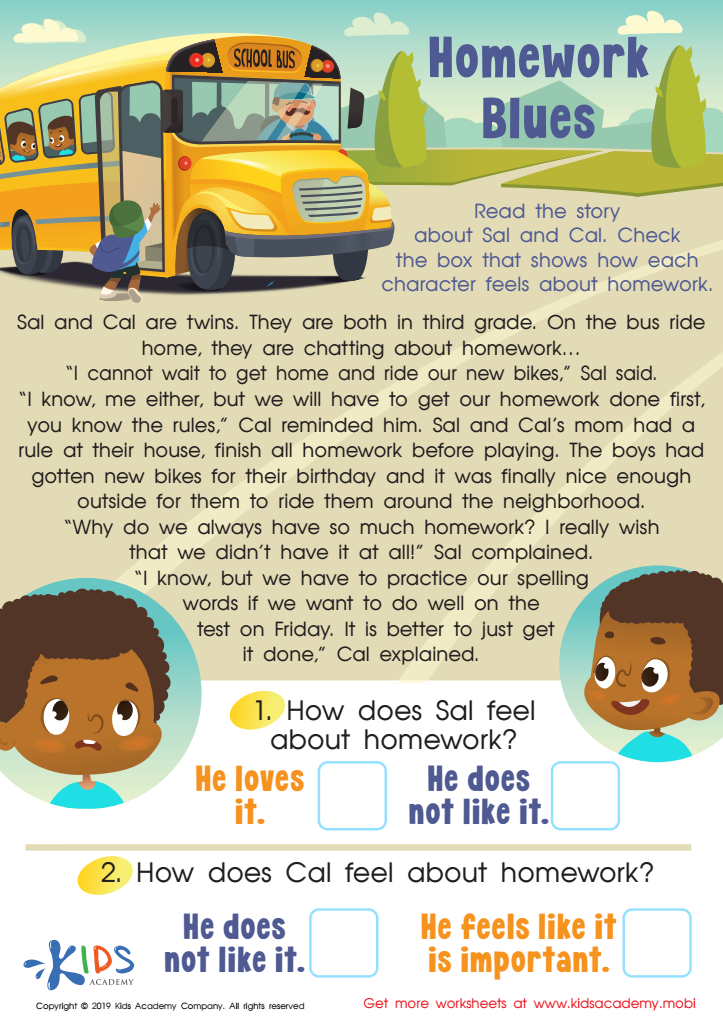
Homework Blues Worksheet
 Assign to My Students
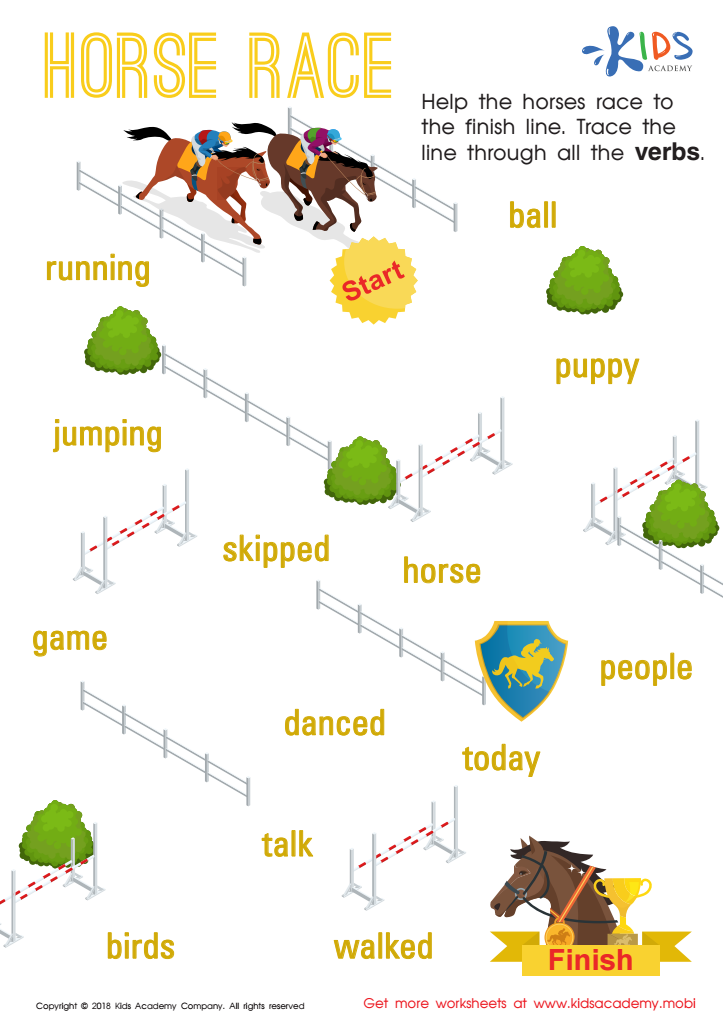
Horse Race Worksheet
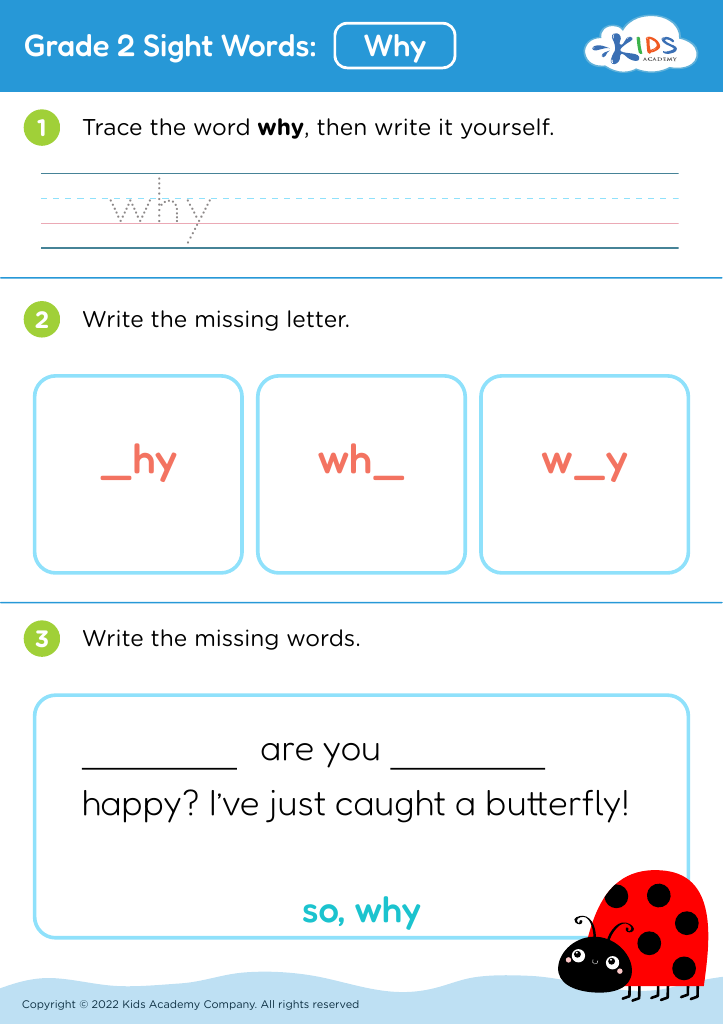
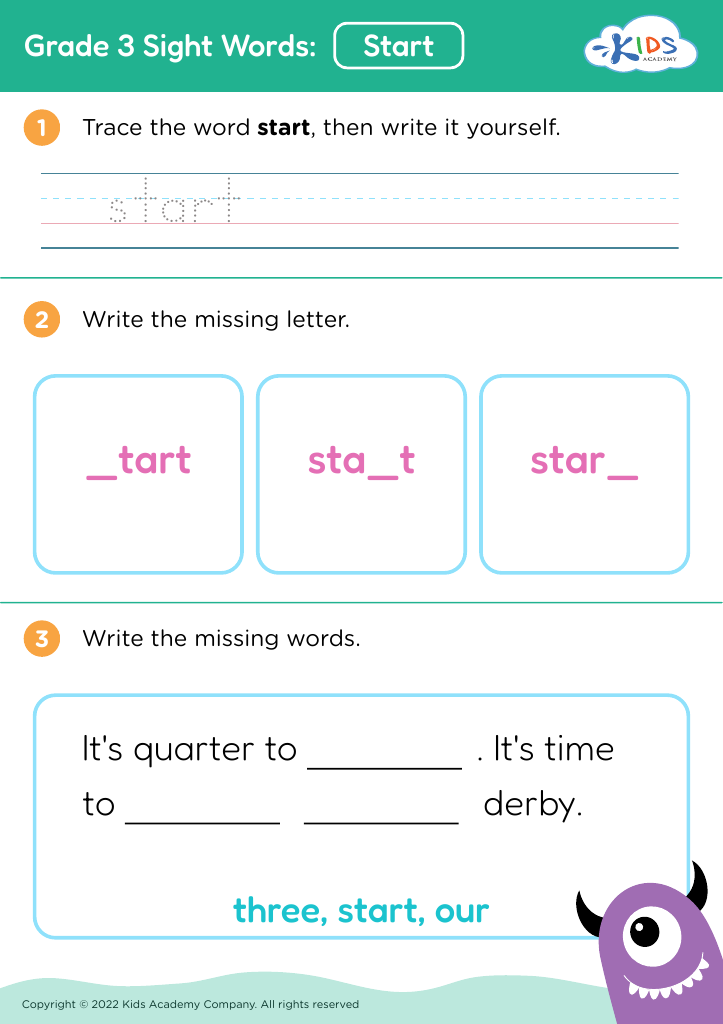








Understanding fractions at the ages of 8-9 is crucial for both parents and teachers to emphasize, as this foundational math concept significantly affects a child's future academic success. Fractions are not only key in mathematics, but they also lay the groundwork for more complex concepts like ratios, proportions, percentages, and algebra. When children grasp fractions early, they build a solid mathematical basis, promoting confidence and competence in future math challenges.
Moreover, teaching fractions around these ages helps enhance cognitive skills such as problem-solving, critical thinking, and logical reasoning. These skills go beyond math, improving overall academic performance. Exposure to fractions also allows kids to see and understand the world quantitively, such as in reading time, cooking, or using money—practical applications they'll encounter throughout life.
Early, consistent support from parents and teachers is essential. Interactive learning methods, such as using visual aids like pie charts or fraction bars, make the concepts less abstract and more understandable. Parental involvement further strengthens this learning, as practice outside school helps reinforce classroom teachings. Ultimately, caring about a child's understanding of fractions at a young age helps cultivate numeracy skills, setting the stage for lifelong learning and real-world problem-solving abilities.








