Understanding ecosystems Science Worksheets for Ages 8-9
3 filtered results
-
From - To
Elevate your child's understanding of nature with our comprehensive 'Understanding Ecosystems' science worksheets, designed specifically for ages 8-9. Our engaging worksheets cover essential topics such as food chains, habitats, and environmental balance, fostering a passion for scientific exploration. Each worksheet is crafted to build analytical skills and ecological awareness through interactive activities, critical thinking questions, and vivid illustrations. Ideal for both classroom use and home learning, these resources provide valuable insights into ecosystems, helping young learners grasp complex concepts in an enjoyable way. Start your child’s journey towards becoming a budding environmental scientist today!
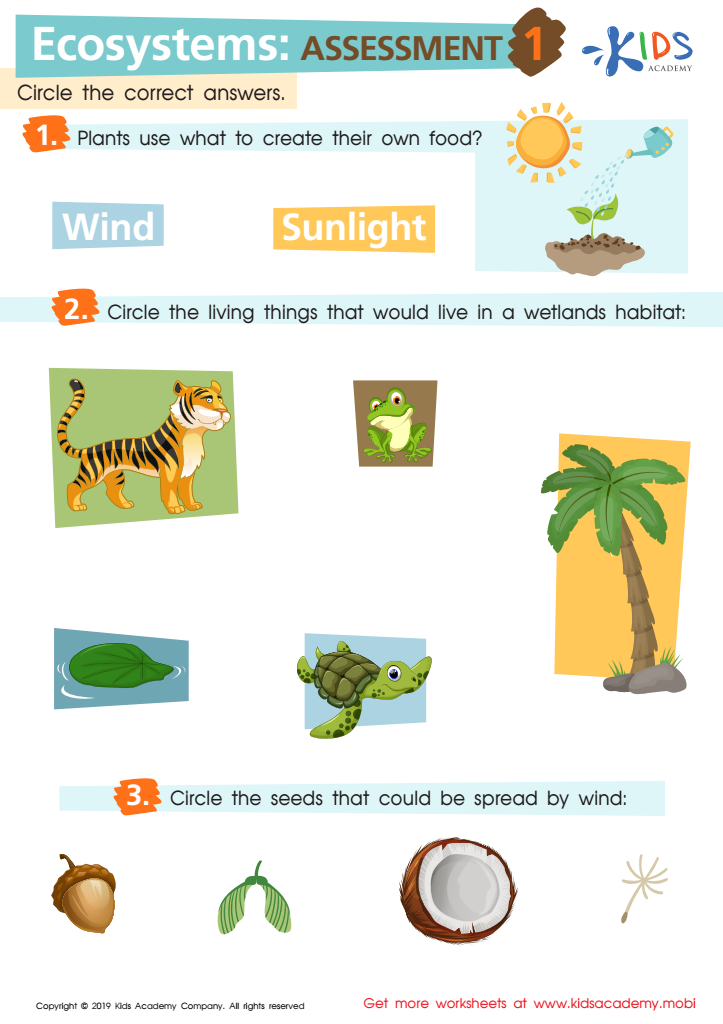
Ecosystems: Assessment 1 Worksheet
 Assign to My Students
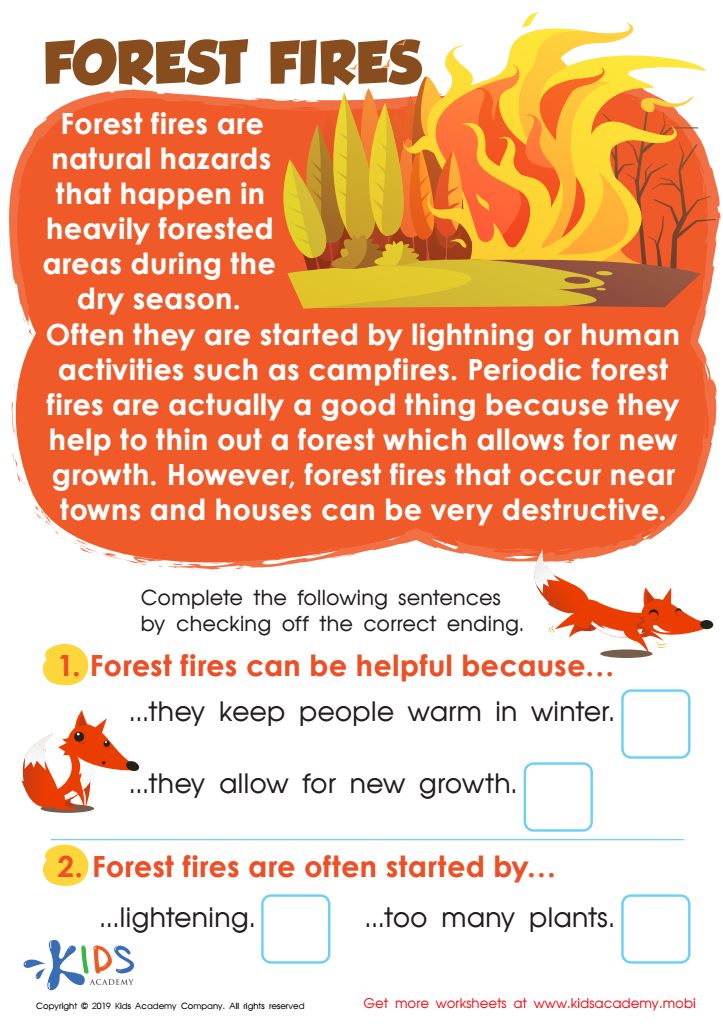
Forest Fires Worksheet
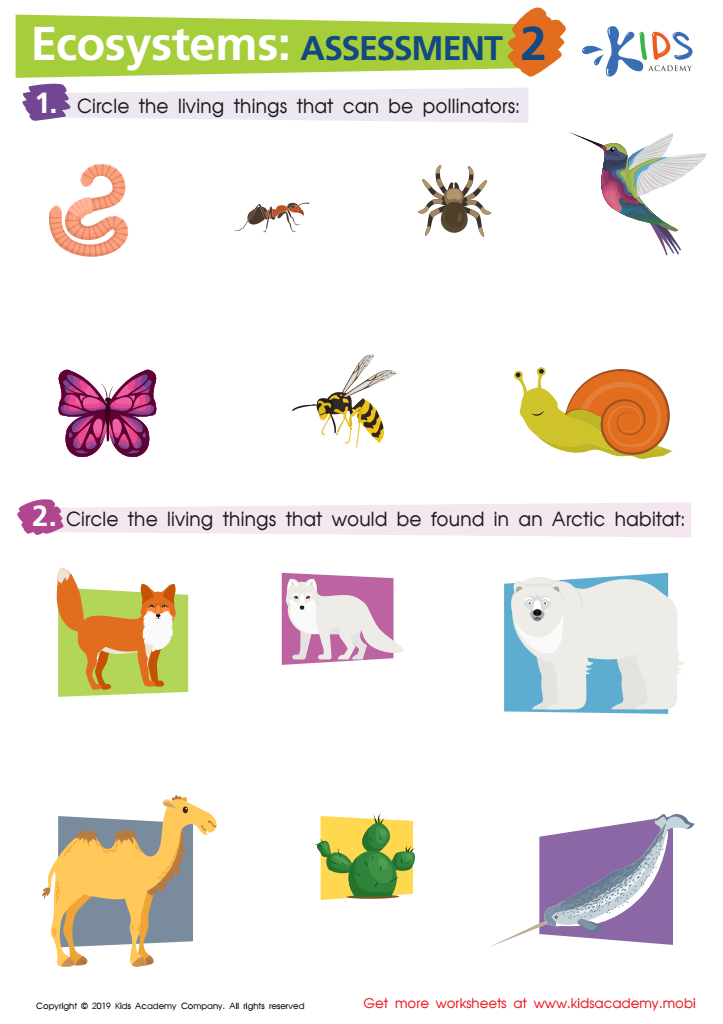
Ecosystems: Assessment 2 Worksheet


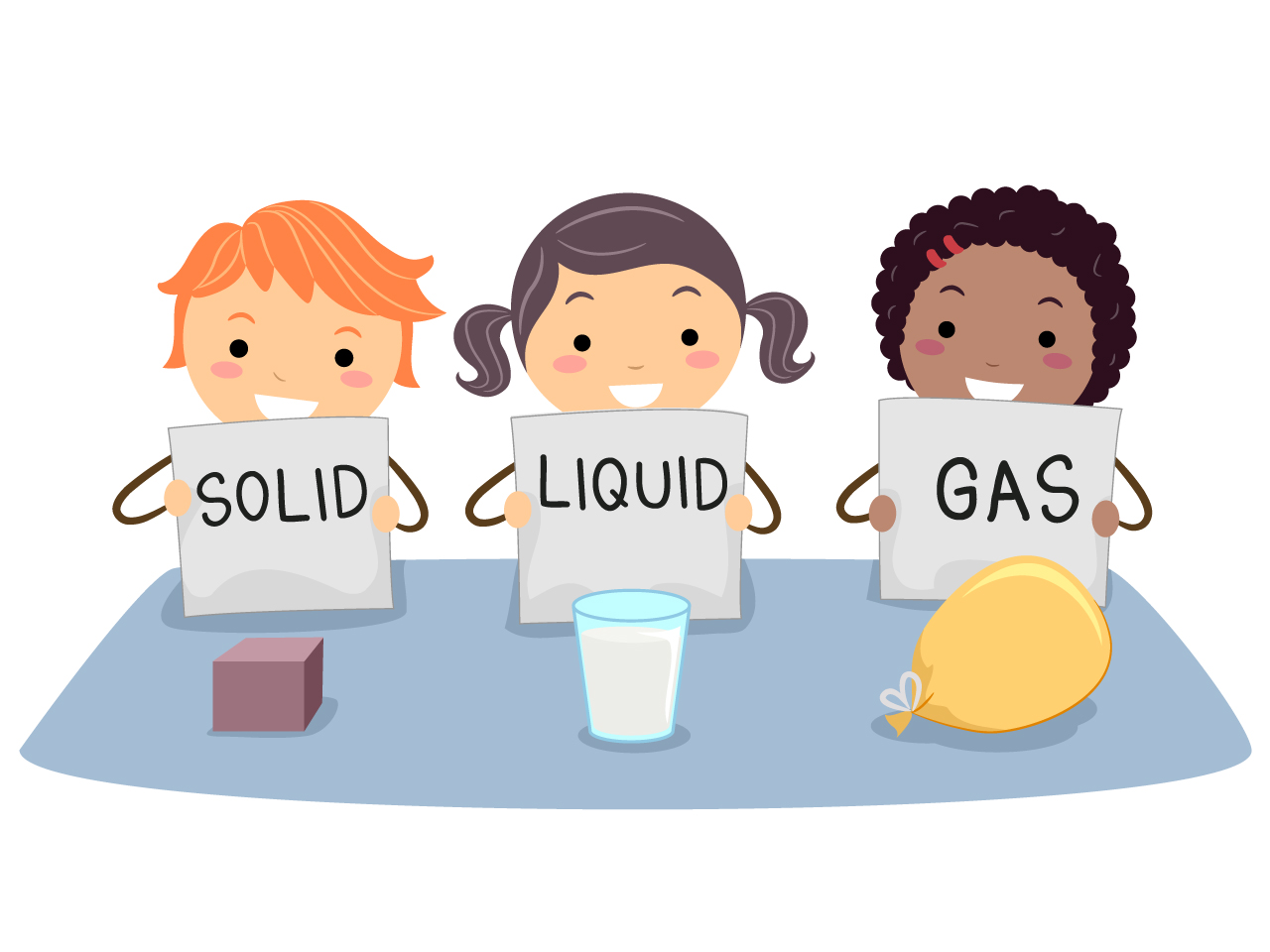


.jpg)

Understanding ecosystems science is crucial for children aged 8-9 because it lays the foundation for environmental literacy and responsible citizenship in an increasingly interconnected world. At this formative age, kids are naturally curious and their brains are highly receptive to new concepts. Teaching them about ecosystems helps them appreciate the delicate balance of nature, showing how plants, animals, and humans rely on each other and their environments for survival.
Incorporating ecosystem education early helps young minds grasp the importance of biodiversity, conservation, and sustainable practices. As future stewards of our planet, children who understand ecosystems develop a sense of responsibility and empathy toward protecting natural resources. They are better equipped to make informed decisions that contribute positively to their environment when they grow older.
Furthermore, learning about ecosystems can foster critical thinking and problem-solving skills. It encourages students to observe, ask questions, and understand complex systems, setting the stage for scientific thinking. This kind of educational strategy not only aligns with science curricula but also enhances interdisciplinary learning, combining elements of geography, biology, and environmental science.
Engaging with ecosystem science thus equips kids with essential knowledge and skills that have far-reaching implications for their future and the health of our planet. Parents and teachers should prioritize this subject to nurture a generation that values and protects the natural world.







