
Vocabulary development Life Science Worksheets for Ages 8-9
3 filtered results
Difficulty Level
Grade
Age
-
From - To
Subject
Activity
Standards
Our Vocabulary Development Life Science Worksheets for Ages 8-9 are designed to spark curiosity and deepen understanding of essential life science concepts. These engaging worksheets help young learners expand their science vocabulary through fun and interactive activities. Students explore topics such as ecosystems, adaptation, plant and animal life, and more, while practicing key reading and comprehension skills. Ideal for classroom or home use, these worksheets align with curriculum standards and support academic achievement in science. Parents and educators will appreciate the thoughtfully crafted materials that make learning science vocabulary an enjoyable and educational experience for children.
Favorites
With answer key
Interactive
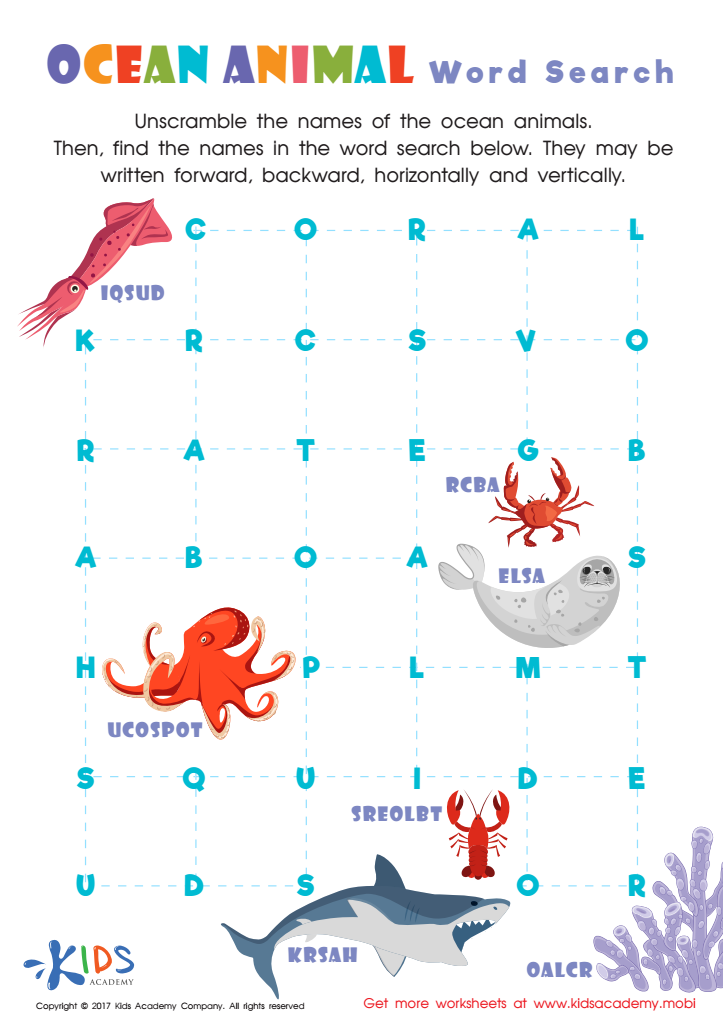
Ocean Animals Word Search Printable
Challenge your child to unscramble the names of ocean animals and find them in the word search. This ocean animals printable is a fun way to teach kids more about these fascinating creatures!
 Assign to My Students
Ocean Animals Word Search Printable
Worksheet
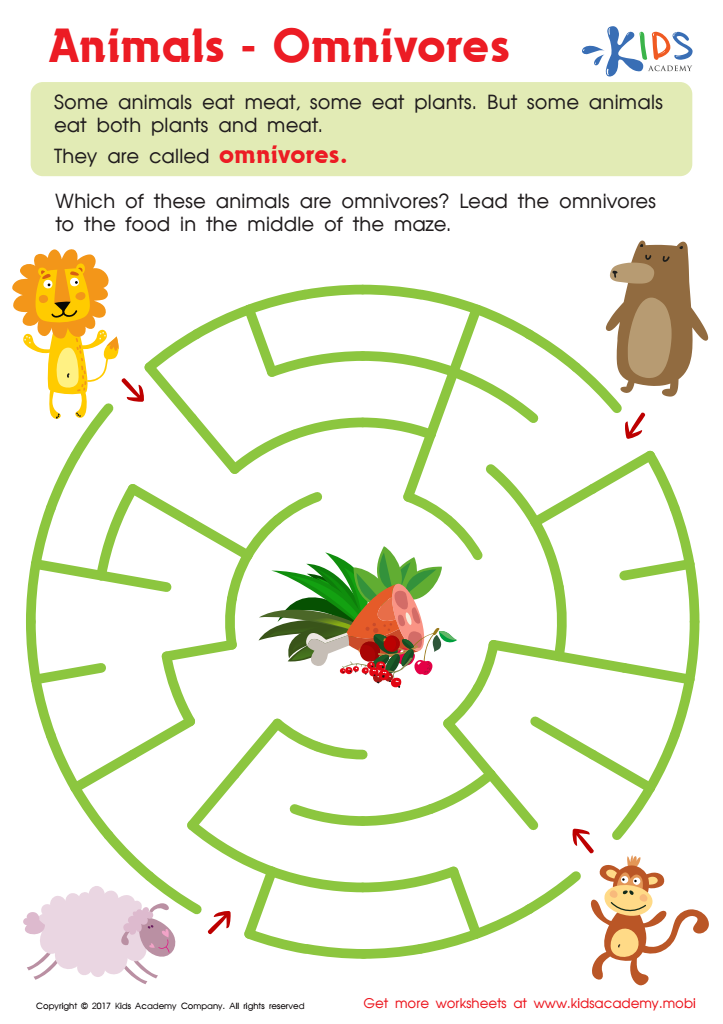
Omnivores Animals Worksheet
Kids can explore omnivores animals with this worksheet! It presents herbivores, carnivores and omnivores, with the main activity being a maze. Kids must guide a bear through it to get to its food. See how much they know about omnivores!
Omnivores Animals Worksheet
Worksheet
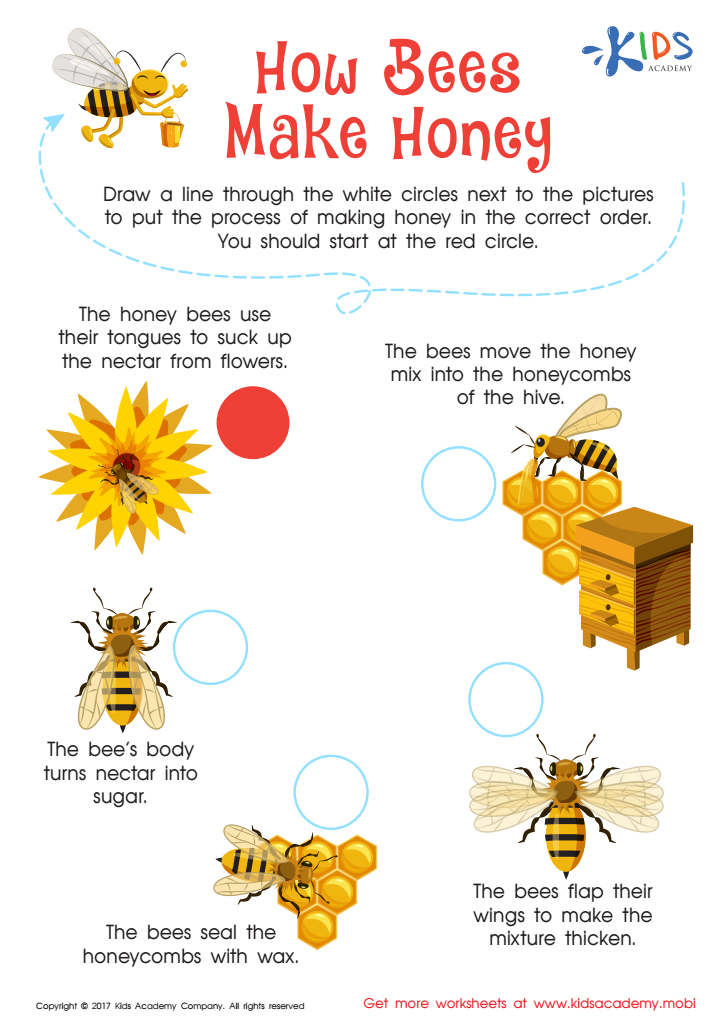
Honey Bee Worksheet
Kids learn about life science and the process of making honey with this sweet honeybee worksheet for 3rd grade. They identify the steps bees take and put the cycle in order, developing knowledge and appreciation for honeybees!
Honey Bee Worksheet
Worksheet
Join Kids Academy for Free
Who is primarily going to use this learning content?







.jpg)
Vocabulary development in life science for children aged 8-9 is crucial for several reasons. First, a strong vocabulary serves as the foundation for effective communication, allowing children to express their ideas clearly and confidently. In the context of life sciences, specific terminology is essential for understanding and discussing topics such as ecosystems, habitats, and the characteristics of living organisms.
Secondly, early exposure to scientific vocabulary enhances cognitive development. It encourages curiosity and critical thinking, as children learn to categorize, analyze, and relate various life science concepts. For instance, understanding terms like "photosynthesis" or "predator-prey relationships" can spark inquisitiveness and support more complex learning in later grades.
Moreover, proficient use of scientific language prepares students for higher education and related careers by building a robust base of knowledge. Children who are comfortable with subject-specific terms are more likely to excel in subjects like biology, ecology, and environmental science, paving the way for future academic and professional success.
Finally, incorporating vocabulary from the life sciences into everyday learning creates a more enriched educational environment. It integrates learning across disciplines, strengthens reading comprehension, and fosters a love for nature and science. Thus, both parents and teachers play a vital role in nurturing this aspect of development, which has long-lasting educational and personal benefits.








