Understanding patterns History Worksheets for Ages 8-9
3 filtered results
-
From - To
Explore our engaging "Understanding Patterns History Worksheets" designed for children aged 8-9! These worksheets offer a unique approach to learning about historical events and figures by focusing on recognizing and analyzing patterns. By connecting past happenings to patterns in behavior, cause and effect, and societal changes, students will enhance their critical thinking and comprehension skills. Perfect for home or classroom use, these resources aim to make history relatable and exciting. With a variety of activities that cater to different learning styles, children can dive into history while developing essential analytical skills. Spark curiosity and nurture young minds with our thoughtfully crafted worksheets!
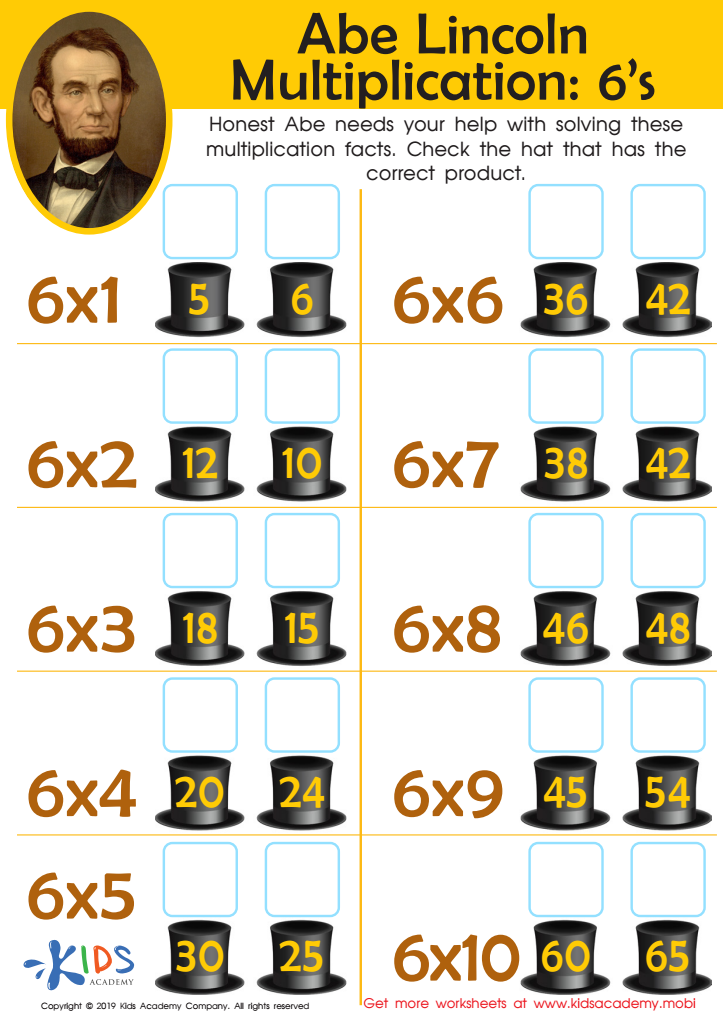
Abe Lincoln Multiplication: 6’s Worksheet
 Assign to My Students
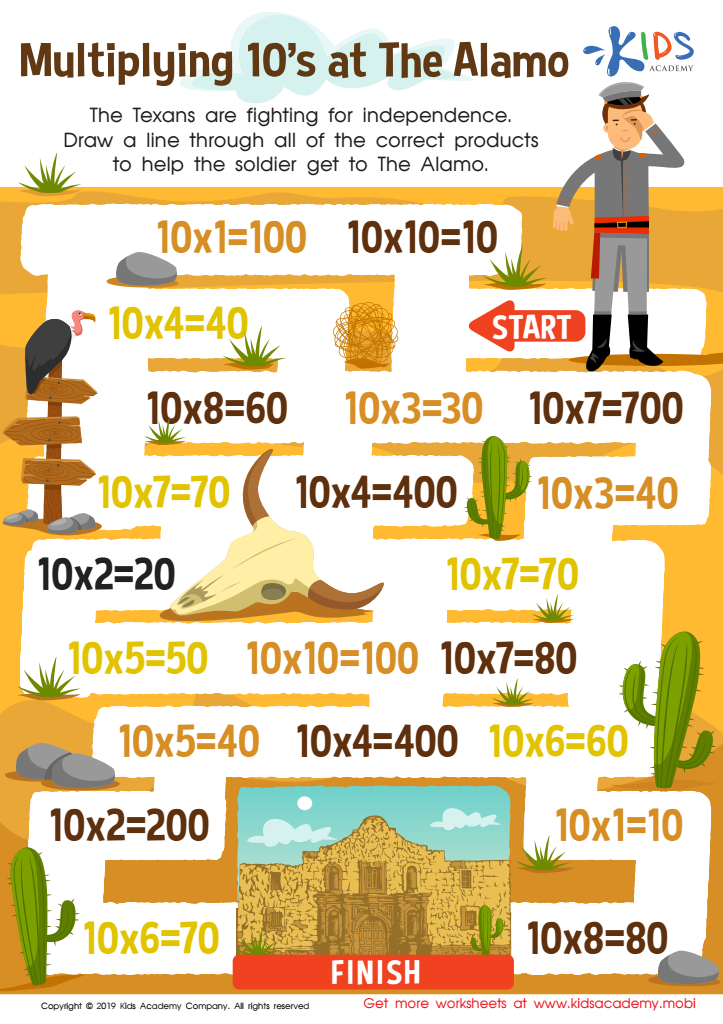
Multiplying 10’s at The Alamo Worksheet
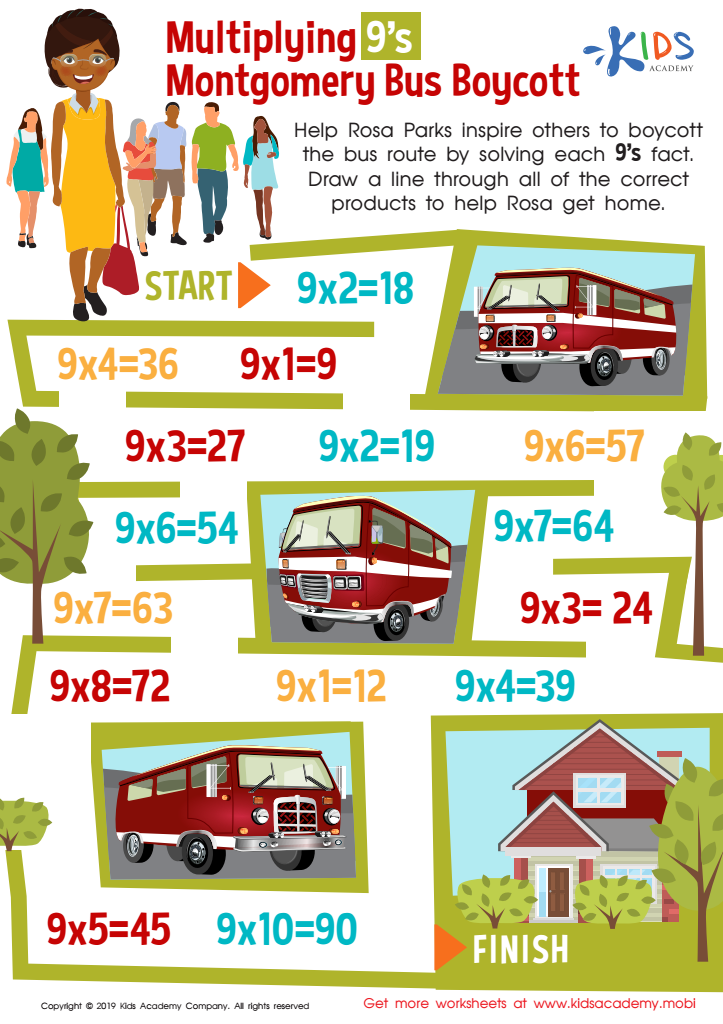
Multiplying 9’s Montgomery Bus Boycott Worksheet








Understanding patterns in history is essential for children aged 8-9 as it helps develop critical thinking and analytical skills. At this age, students begin to grasp complex concepts, and recognizing patterns allows them to make connections between events, cultures, and societies. This understanding fosters a more profound appreciation of the world around them and encourages curiosity about historical narratives.
Parents and teachers should care about this as it enriches learning experiences. When children identify patterns—such as cycles of peace and conflict or the impact of technological advancements—they not only engage with history but also learn to anticipate outcomes in various scenarios. This skill is vital, as it aids in problem-solving and promotes informed citizenship.
Additionally, examining historical patterns encourages discussions about cause and effect, fostering communication skills. Children learn to articulate their thoughts and engage in meaningful dialogues, enhancing their social development. Furthermore, by contextualizing history through patterns, children can better understand contemporary issues, making historical education relevant to their lives today.
In summary, nurturing an understanding of historical patterns equips children with essential skills that extend beyond the classroom, preparing them for thoughtful and engaged participation in society.








