Phonics Skills Writing Worksheets for Ages 8-9
4 filtered results
-
From - To
Discover our engaging Phonics Skills Writing Worksheets designed specifically for children ages 8-9! These worksheets help enhance reading and writing abilities through fun and interactive activities. Young learners will practice essential phonics concepts, including sound-letter associations, blending, and decoding, all while developing their writing skills. Our thoughtfully crafted exercises foster creativity, increase confidence, and support independent learning. With a variety of themes and lesson plans, these worksheets are ideal for both classroom and at-home use. Challenge your child's understanding of phonics and watch them thrive as they improve their literacy skills—preparing them for academic success and a lifelong love for reading!
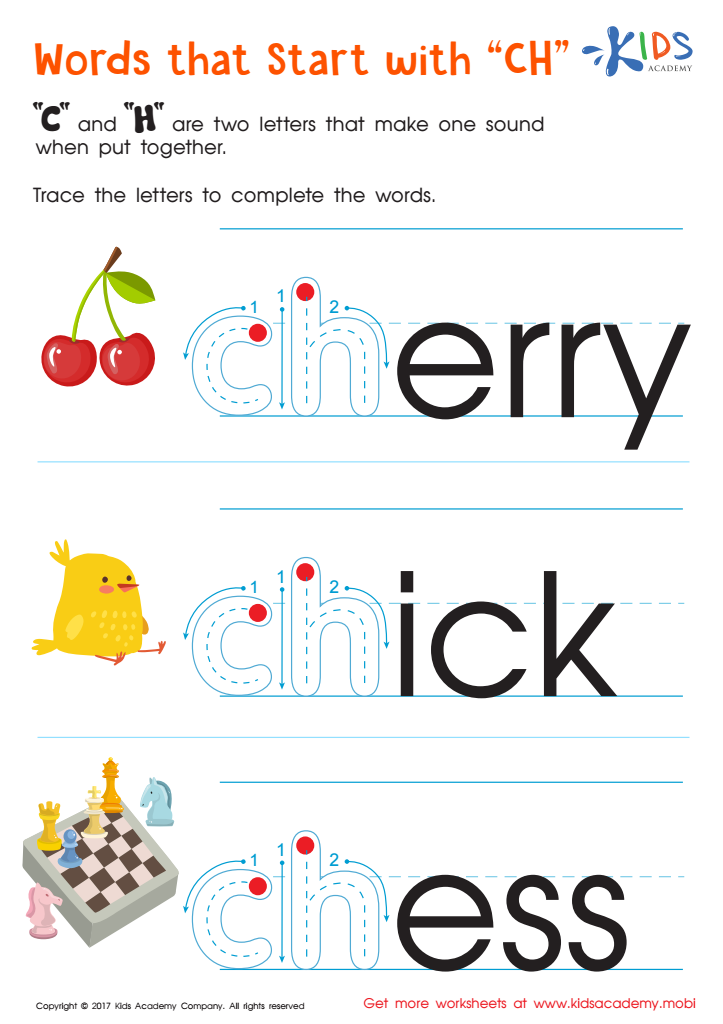
Words That Start with "ch" Spelling Worksheet
 Assign to My Students
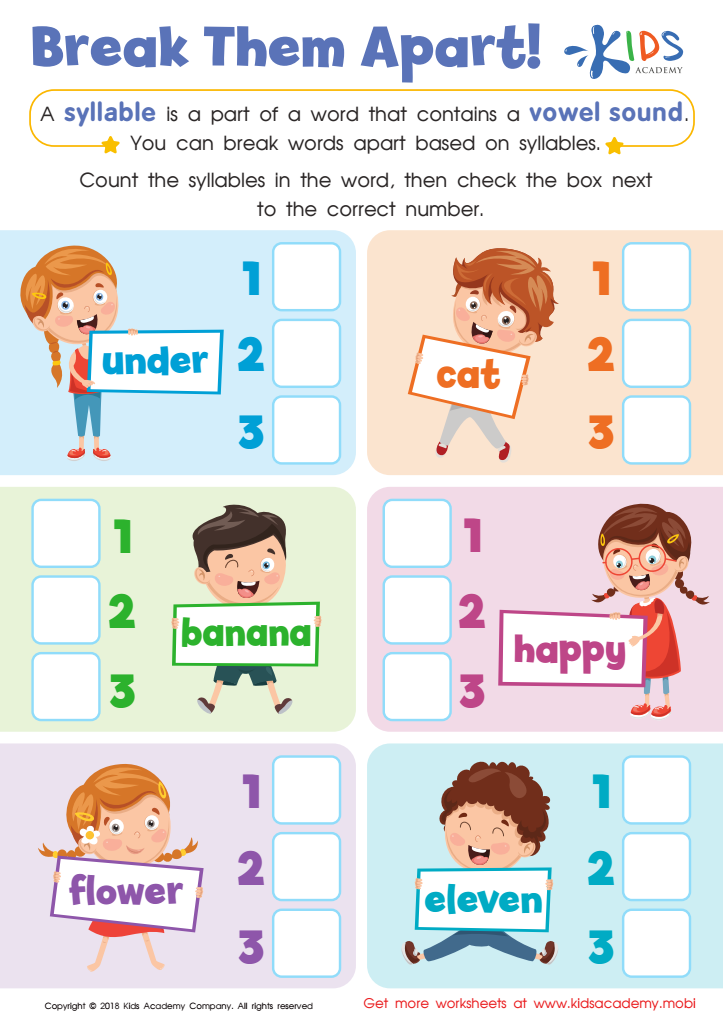
Reading: Break Them Apart Worksheet
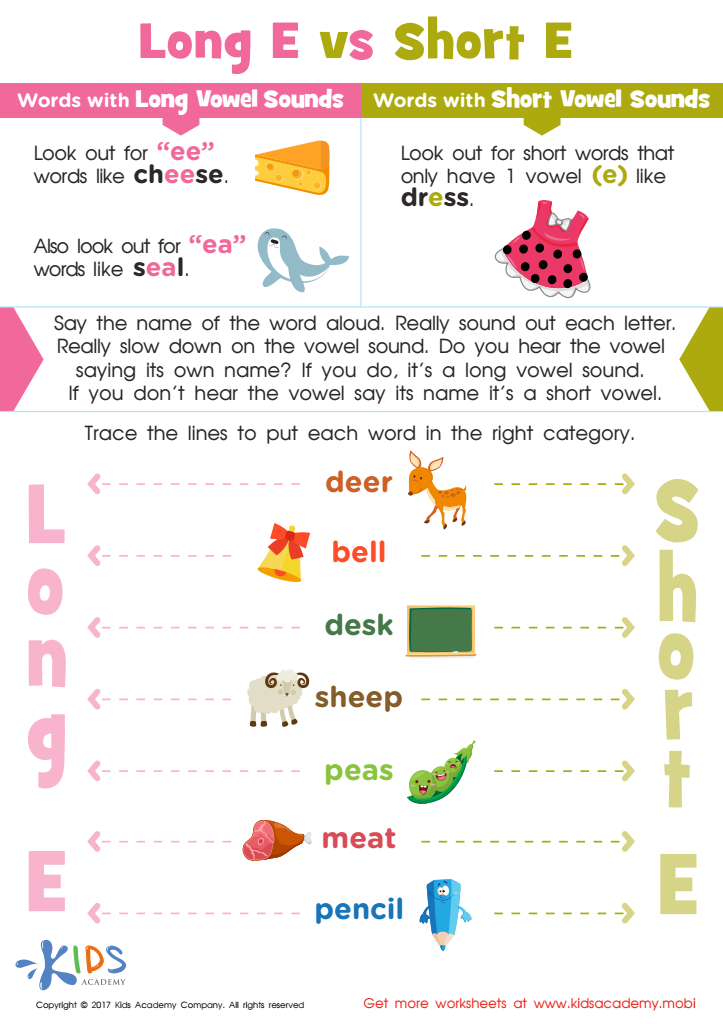
Long and Short Vowel E Spelling Worksheet
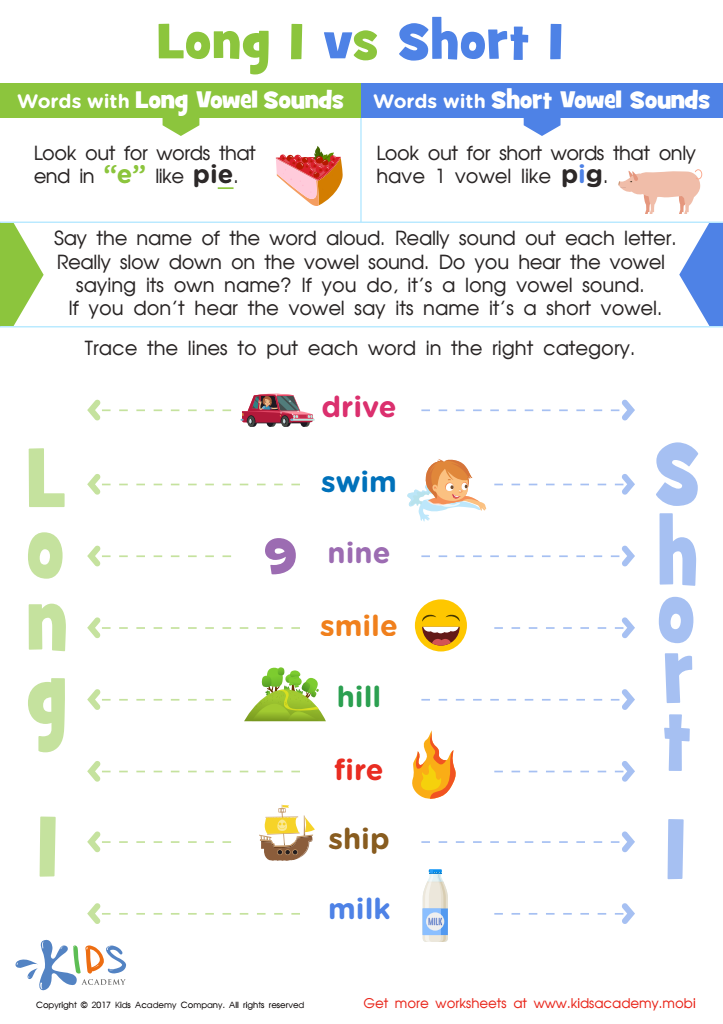
Long and Short Vowel I Spelling Worksheet








Phonics skills writing is crucial for children aged 8-9, as it forms the foundation for their reading and writing abilities. At this age, children are transitioning from learning to read to reading to learn, making strong phonics skills essential in their academic journey. Phonics teaches students how to decode words by understanding the relationship between letters and sounds, which is vital for developing fluent reading skills.
When children can sound out and spell words correctly, it not only boosts their reading comprehension but also inspires confidence in their writing abilities. Engaging with phonics fosters linguistic awareness, allowing children to manipulate sounds — a skill necessary for spelling and writing complex sentences.
Moreover, proficient phonics skills directly affect a child's performance in all subjects, enhancing overall communication competence. Parents and teachers should emphasize phonics writing skills to support vocabulary expansion and promote effective literacy strategies.
By equipping children with robust phonics abilities, educators and parents can help them become more engaged learners, ultimately developing critical thinking skills that extend beyond the classroom. Investing in phonics education at this stage impacts lifelong learning, making it a priority for caregivers in a child’s educational development.








