Letter tracing skills Alphabet Worksheets for 8-Year-Olds
3 filtered results
-
From - To
Boost your 8-year-old's handwriting skills with our engaging Letter Tracing Alphabet Worksheets! Designed to enhance letter recognition and fine motor skills, these printable worksheets offer fun and effective practice through tracing activities. Each worksheet provides detailed templates and guidelines for both uppercase and lowercase letters, ensuring your child achieves perfect penmanship. Ideal for home and classroom learning, our resources help build a strong foundation in writing and alphabet comprehension. Set your child on the path to literacy success with our expertly crafted tracing sheets. Available for download today at Kids Academy!
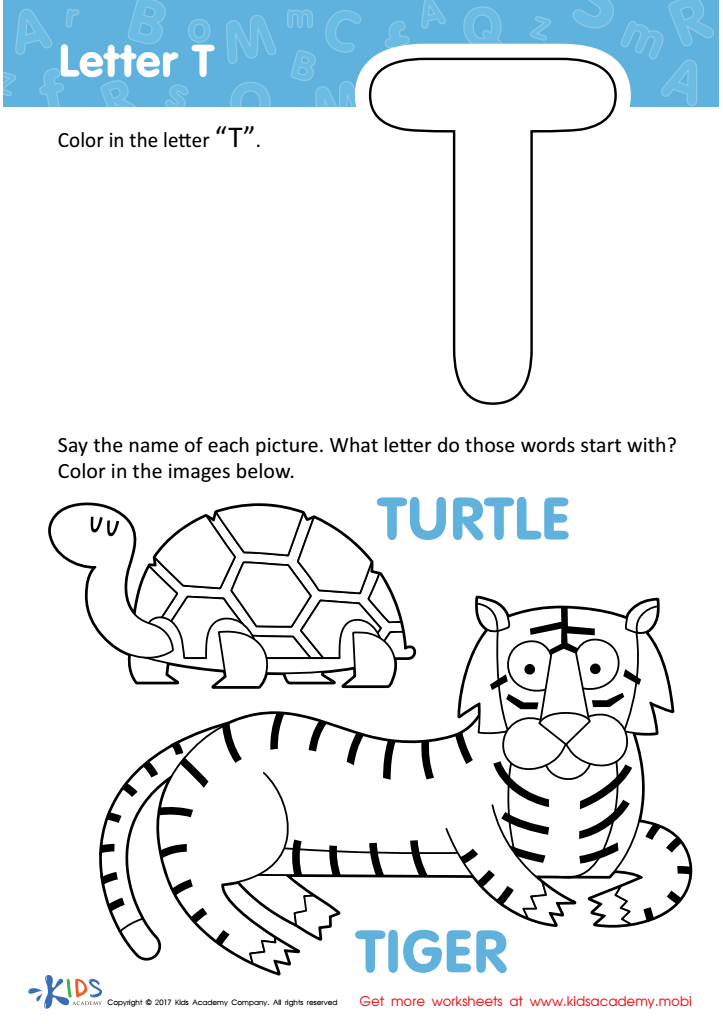
Letter T Coloring Sheet
 Assign to My Students

Letter C Tracing Page
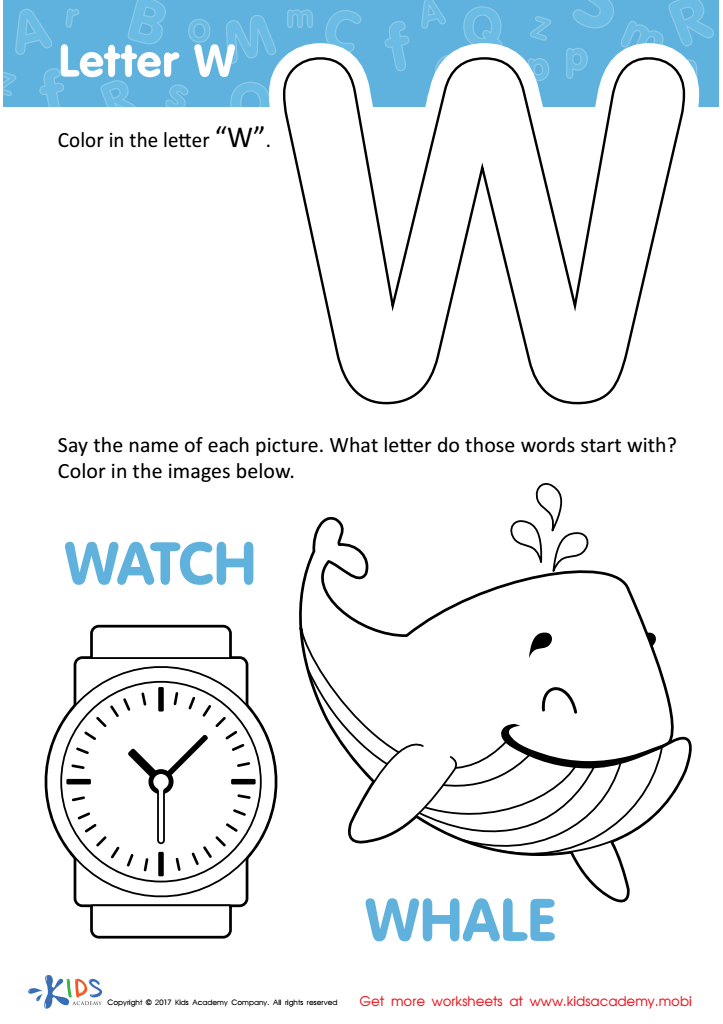
Letter W Coloring Sheet
Assign to My Students







Letter tracing skills are a foundational aspect of a child's education, particularly for 8-year-olds who are solidifying their writing abilities. At this age, children should be developing fine motor skills and hand-eye coordination, both of which are essential not only for legible handwriting but also for tasks beyond writing, such as tying shoes or using tools.
Letter tracing helps reinforce the correct formation and orientation of letters, ensuring that children do not develop poor writing habits that could impede their literacy progress. Mastering letter tracing can boost a child's confidence in their writing skills, making them more eager and willing to engage in written activities and self-expression.
Additionally, proficiency in writing letters fluently frees up cognitive resources for higher-order thinking tasks. As children move through their educational journey, they transition from "learning to write" to "writing to learn." Efficient writing means they can focus on constructing ideas and critical thinking rather than struggling with the mechanics of letter formation.
Teachers and parents play a crucial role by incorporating letter tracing in fun and engaging ways, ensuring children associate learning with positive experiences. This skill not only supports academic success but also cultivates a lifelong habit of effective communication, empowering children both in school and beyond.







