Reading comprehension Letter Recognition Worksheets for 8-Year-Olds
4 filtered results
-
From - To
Unlock your 8-year-old's reading potential with our engaging Reading Comprehension Letter Recognition Worksheets! Designed specifically for early readers, these worksheets help children recognize letters while enhancing their comprehension skills. With fun activities and vibrant illustrations, kids will enjoy identifying uppercase and lowercase letters, matching them to images, and practicing sound relationships. Our easy-to-follow format encourages independent learning, making it perfect for at-home practice or classroom use. Each worksheet builds confidence and lays the groundwork for more advanced reading skills. Foster a love for reading while turning your child into a proficient reader today with our interactive resources!
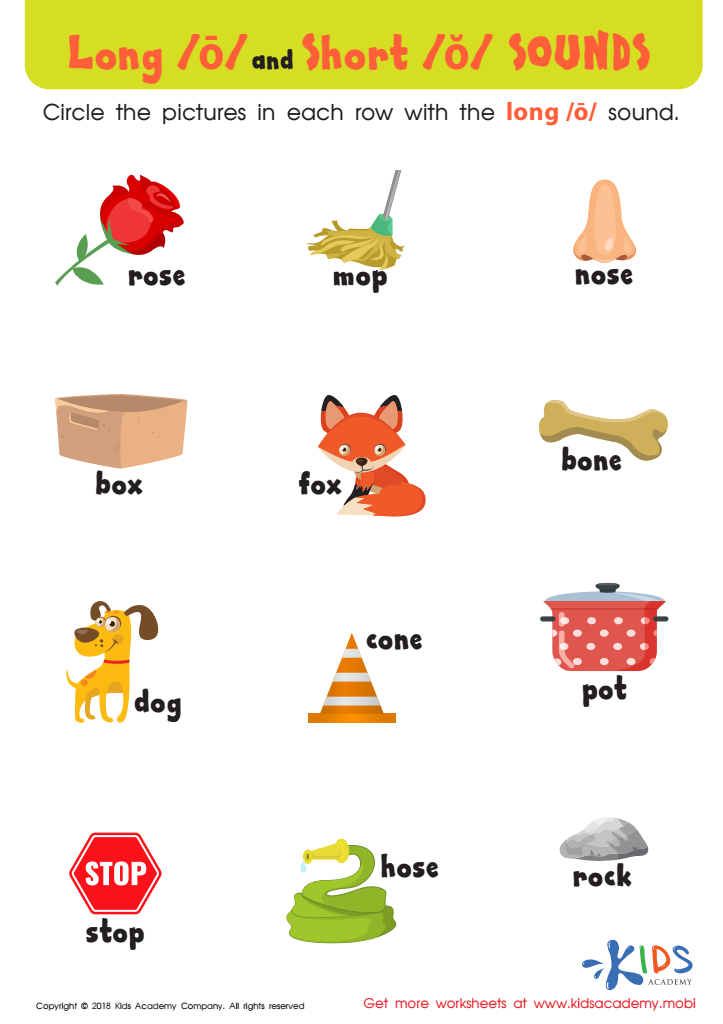
Reading: Long O and Short O Sounds Worksheet
 Assign to My Students
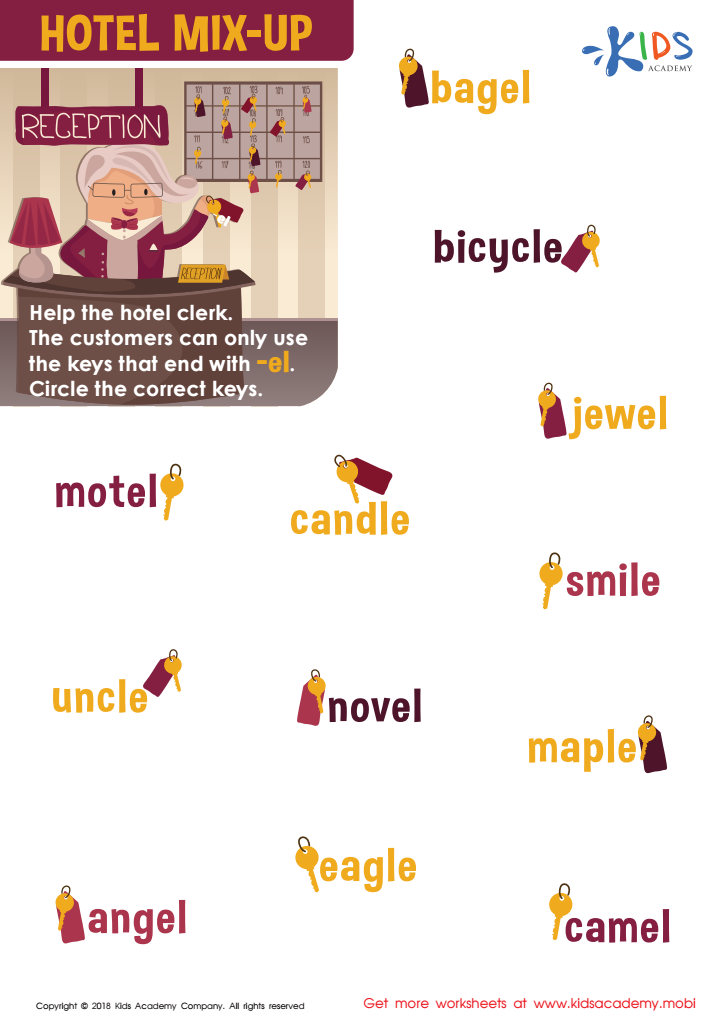
Hotel Mix-up Worksheet
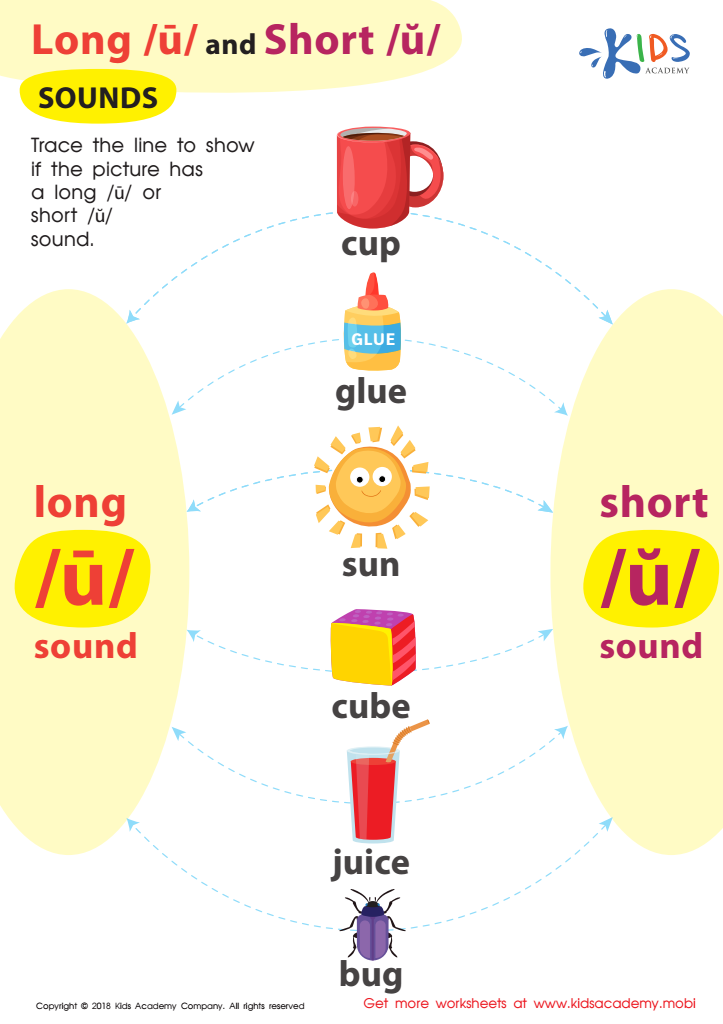
Reading: Long U and Short U Sounds Worksheet
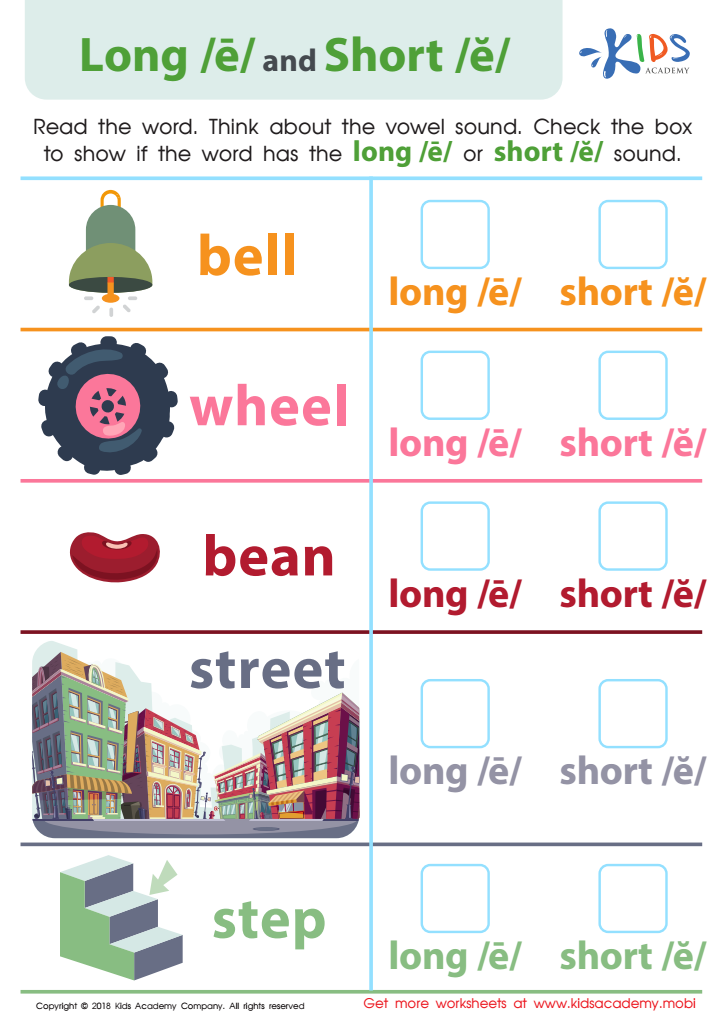
Reading: Long E and Short E Worksheet








Reading comprehension and letter recognition are fundamental skills that significantly impact an 8-year-old's academic journey and overall development. First and foremost, these skills are crucial for children to understand and engage with information across subjects. Effective reading comprehension enables students to grasp complex ideas, make connections, and think critically about what they read, laying the groundwork for lifelong learning.
Moreover, letter recognition, which includes identifying and understanding the sounds associated with letters, forms the basis of reading proficiency. As children encounter more advanced texts, their ability to quickly recognize letters and blend sounds becomes vital for fluent reading.
Parents and teachers should prioritize these skills because they contribute to a child's confidence and motivation in learning. Struggling with reading can lead to frustration and disengagement, which may affect a child's self-esteem and attitudes towards education. By focusing on reading comprehension and letter recognition early on, caregivers can help establish a strong literacy foundation, fostering a child's ability to communicate effectively and succeed academically. Investing in these skills now not only supports immediate educational outcomes but also prepares children for future challenges in an increasingly demanding world.







