Letter formation Tracing Letters Worksheets for 8-Year-Olds
3 filtered results
-
From - To
Help your 8-year-old master the art of letter formation with our engaging Tracing Letters Worksheets! These carefully designed resources are perfect for developing fine motor skills and enhancing handwriting. Each worksheet features clear, bold letters for tracing, allowing children to practice uppercase and lowercase letters with ease. Our activities encourage repetition and consistency, fostering confidence as learners progress. Additionally, these worksheets are tailored to accommodate various learning styles, making them suitable for both classroom and home use. Promote your child's writing skills and literacy foundation with these fun, educational tracing activities that spark both creativity and learning! Explore our collection now!
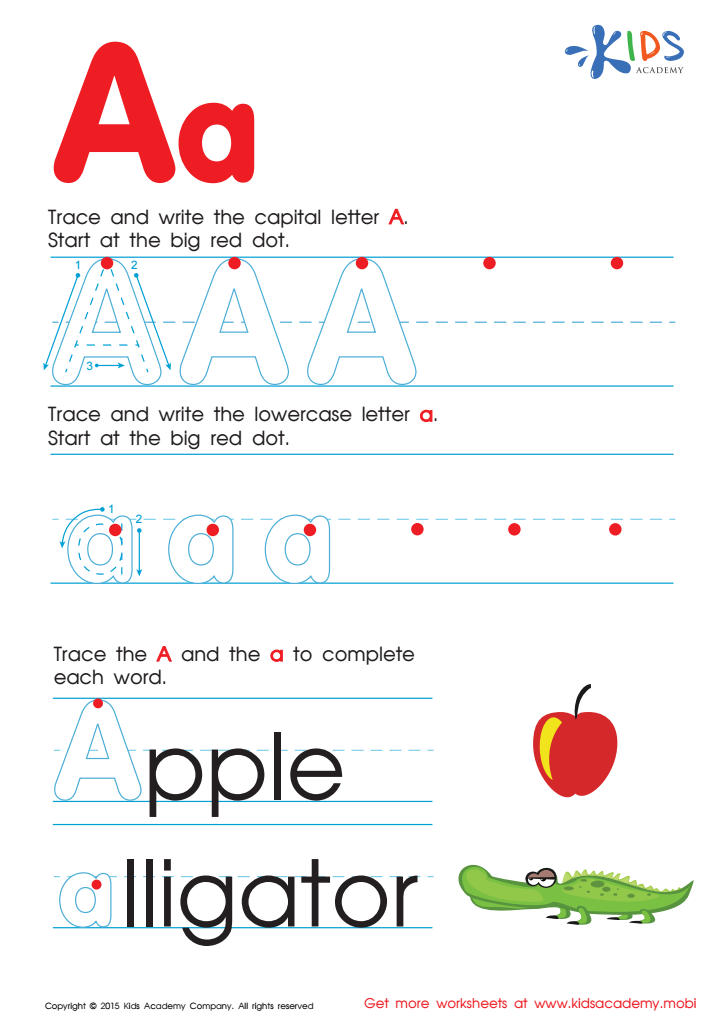
Letter A Tracing Page
 Assign to My Students
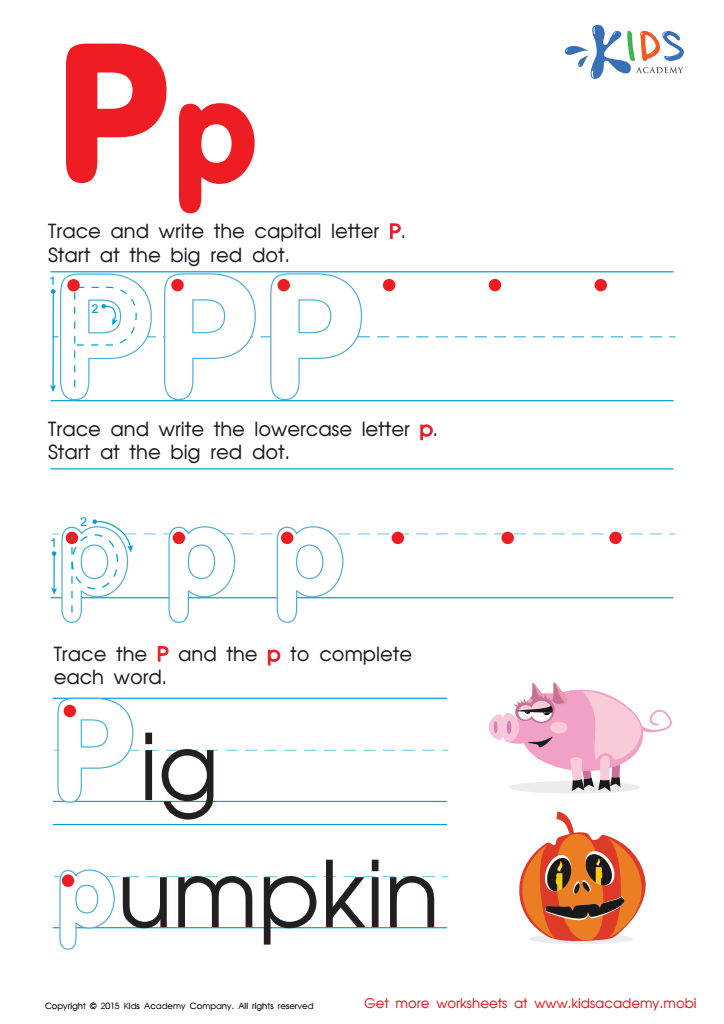
Letter P Tracing Page
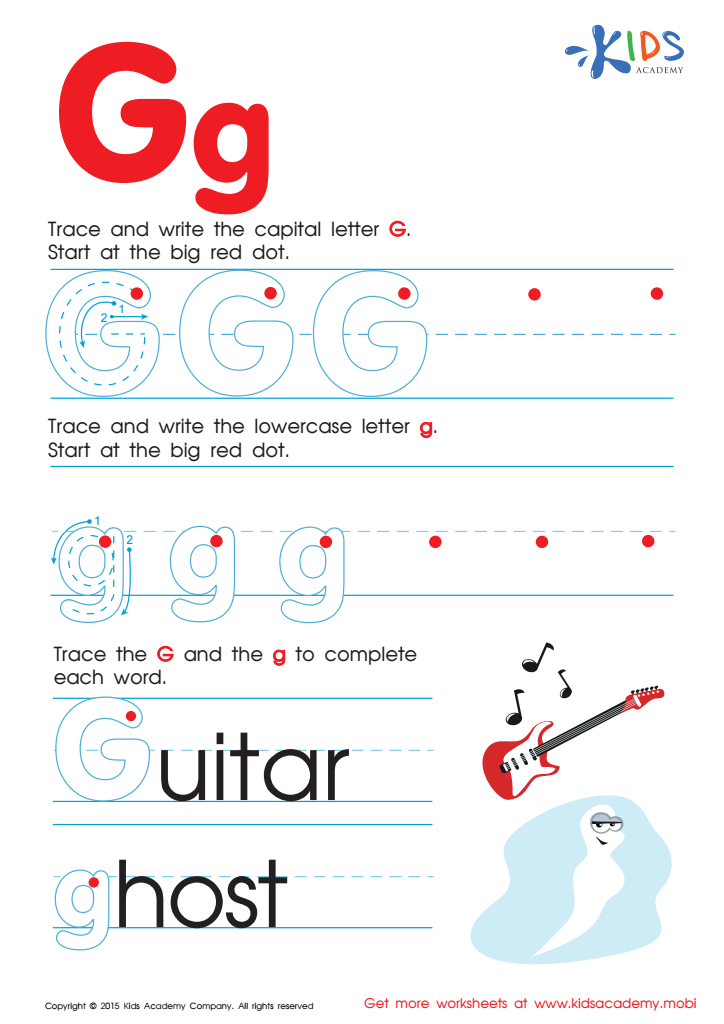
Letter G Tracing Page








Letter formation and tracing letters are crucial for 8-year-olds as they lay the foundational skills for writing and literacy. At this age, children are typically mastering the mechanics of writing, which significantly impacts their ability to express thoughts and ideas effectively. Proper letter formation ensures that students develop legible handwriting, which is essential for clear communication in both academic and personal contexts.
Tracing letters helps reinforce fine motor skills and hand-eye coordination, which are vital for various tasks beyond writing, including drawing and everyday activities. Moreover, familiarizing children with the shapes and structures of letters builds confidence as they transition to independent writing. It fosters a sense of achievement and promotes positive attitudes toward learning.
Additionally, caring about letter formation supports cognitive development. Understanding how letters are constructed aids in word recognition and spelling, forming the bedrock of reading proficiency. As literacy is a gateway to learning in all subjects, helping children excel in their writing practices can enhance overall academic performance. By prioritizing letter formation and tracing activities, parents and teachers cultivate essential skills that will benefit children throughout their educational journeys and beyond.








