Categorization skills Worksheets for 8-Year-Olds
6 filtered results
-
From - To
Explore our engaging categorization skills worksheets designed specifically for 8-year-olds! These worksheets aim to enhance your child's cognitive development by promoting critical thinking and problem-solving abilities through categorization activities. Featuring fun themes and vibrant illustrations, our resources help children group items based on various attributes, such as shape, color, or function. Ideal for both home and classroom use, these worksheets not only make learning enjoyable but also prepare students for more complex subjects in the future. Download today and watch your child’s skills in sorting and organizing bloom with confidence! Perfect for fostering a love of learning and discovery.
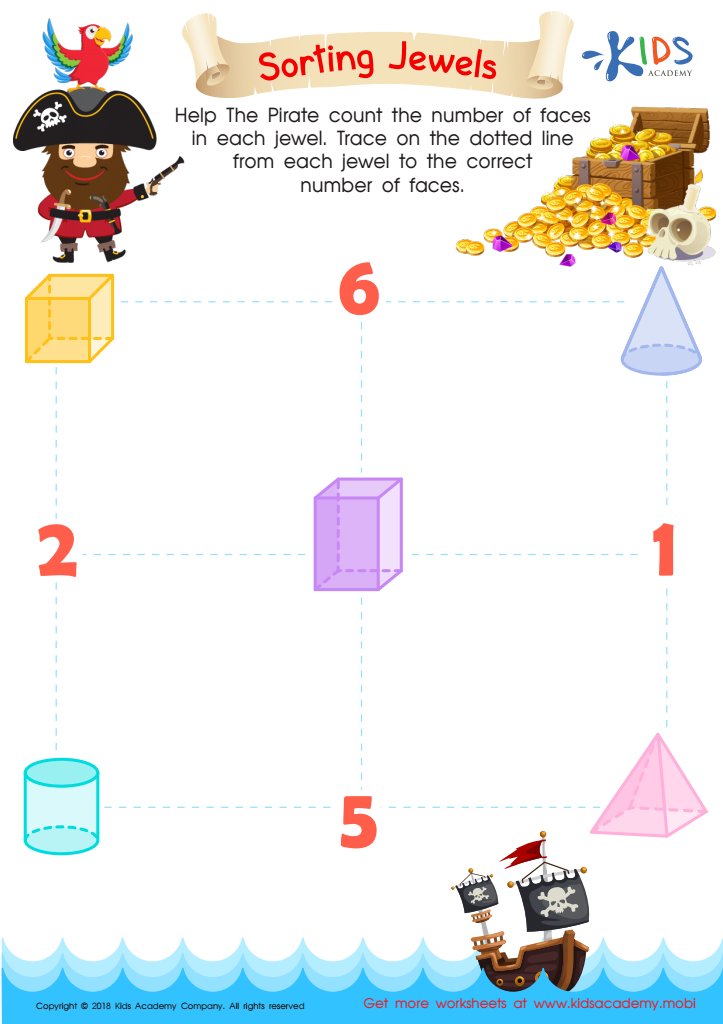
Sorting Jewels Worksheet
 Assign to My Students
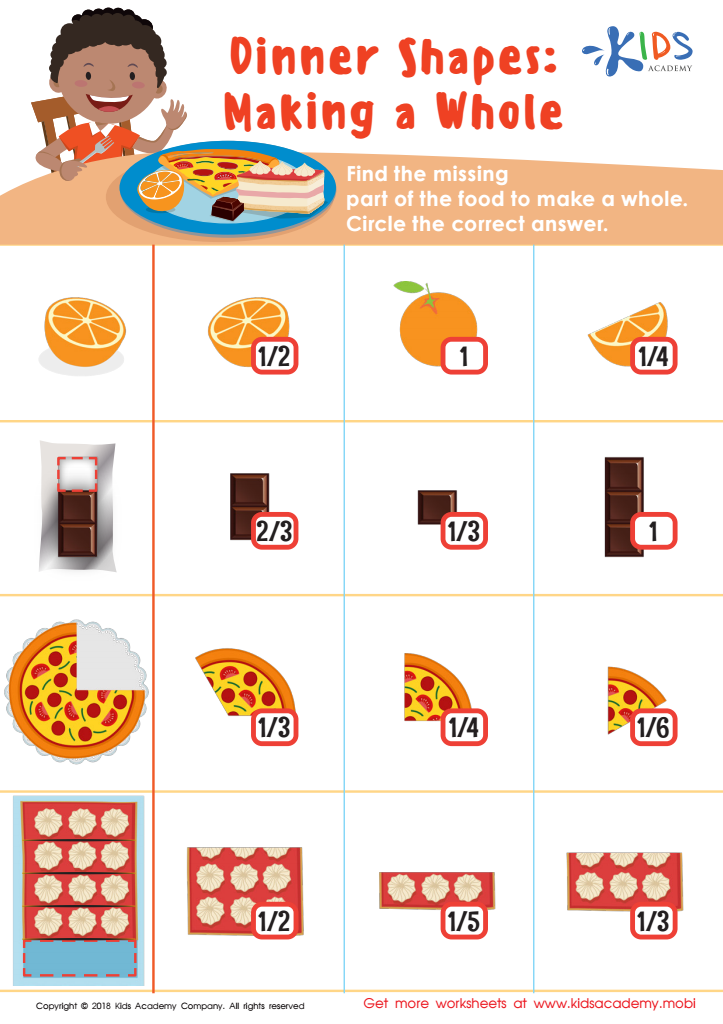
Dinner Shapes: Making a Whole Worksheet
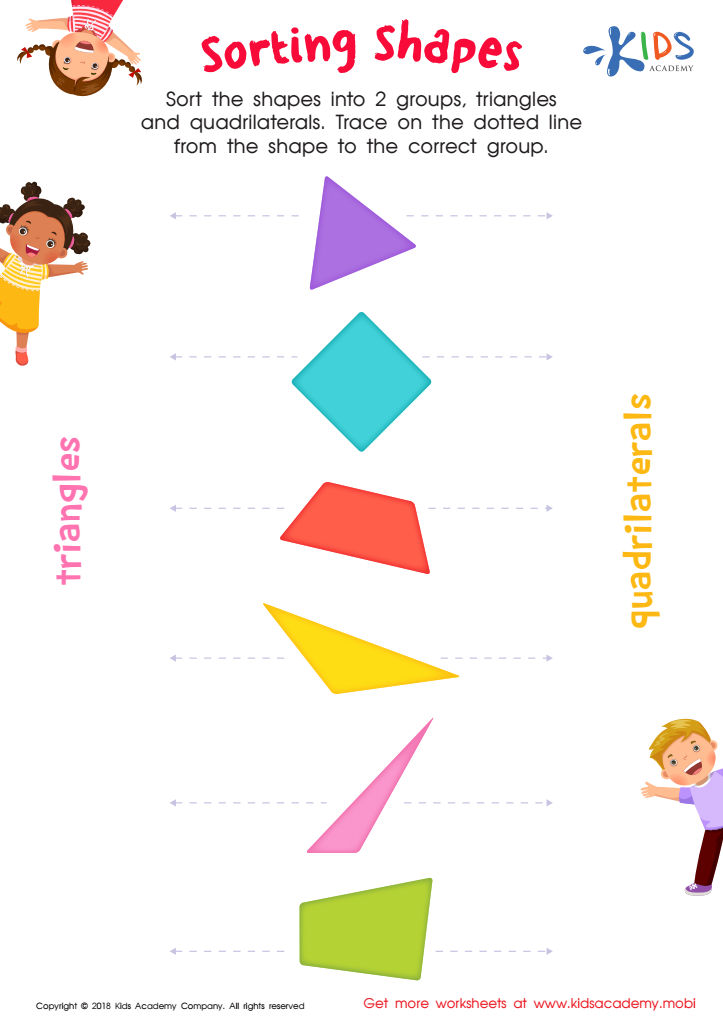
Sorting Shapes Worksheet
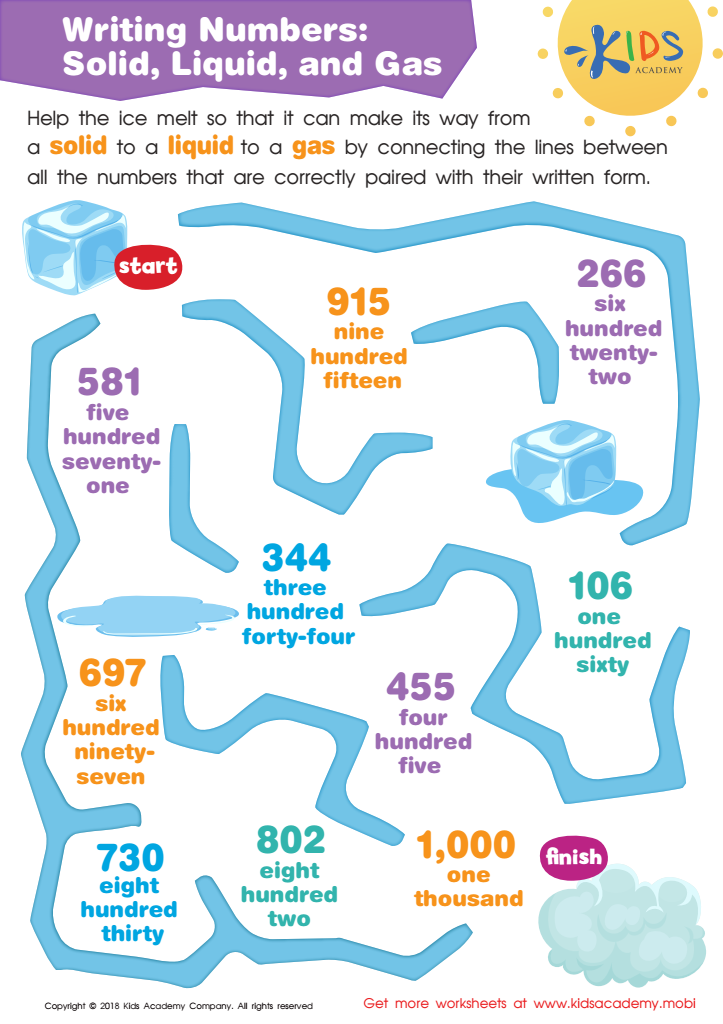
Solid, Liquid, and Gas Writing Numbers Worksheet
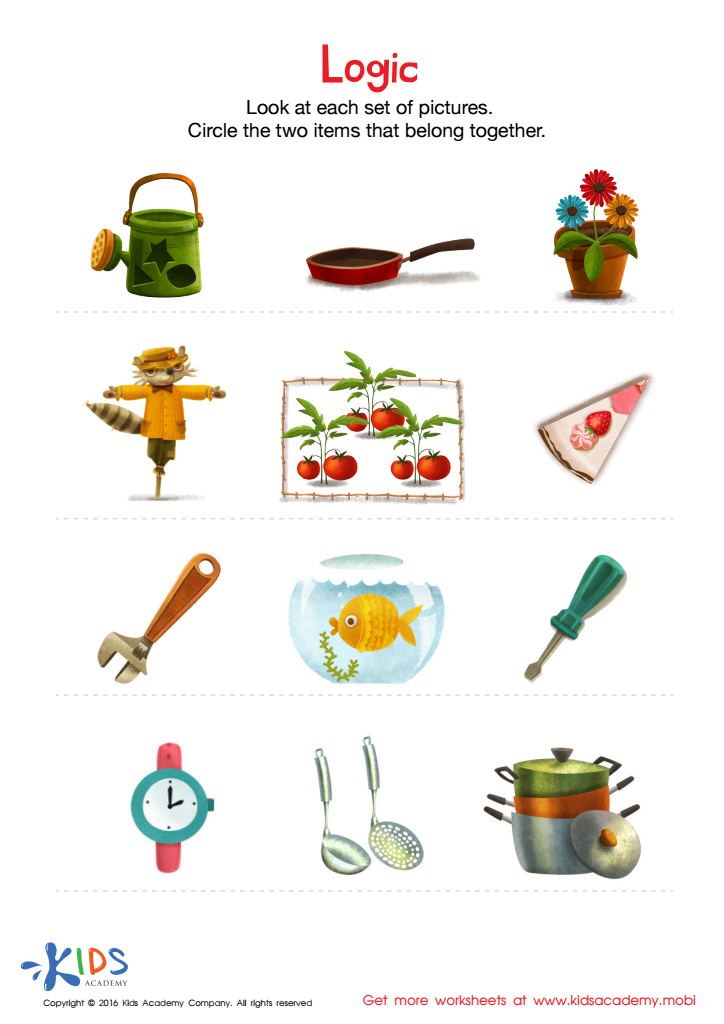
Logic Game Sorting Worksheet


.jpg)


Categorization skills are vital for 8-year-olds as they form a foundation for cognitive development and learning. At this age, children begin to encounter increasingly complex information and concepts, making the ability to categorize essential. Parents and teachers should care about these skills because they help children organize their thoughts, enhance problem-solving abilities, and improve memory retention.
When children categorize objects, ideas, or information, they learn to identify similarities and differences, which fosters critical thinking. This thinking skill is essential not only in academic subjects such as Math and Science, where comparisons and classifications are fundamental, but it also aids in Language Arts by enhancing vocabulary and comprehension as children learn to group words with similar meanings.
Moreover, strong categorization skills can boost a child's social development. Understanding groups, social roles, and peer dynamics helps them navigate friendships and cooperative play. By encouraging categorization, parents and teachers can provide children with tools they need to thrive academically, socially, and emotionally. Ultimately, fostering these skills cultivates independent thinkers who can adapt to new challenges and responsibilities, setting them on a path for lifelong learning and success.








