Color differentiation Worksheets for 8-Year-Olds
3 filtered results
-
From - To
Discover our engaging Color Differentiation Worksheets designed specifically for 8-year-olds! These resources help children enhance their understanding of colors while improving their cognitive and fine motor skills. With a variety of fun activities, including matching, sorting, and identifying colors, kids will enjoy hands-on learning experiences that keep them motivated. Ideal for classroom or home use, our worksheets encourage creativity and independent thinking, making learning about colors both enjoyable and educational. Perfect for reinforcing color recognition, these worksheets foster vital skills that are essential for artistic expression and everyday life. Download and experience the joy of vibrant learning today!
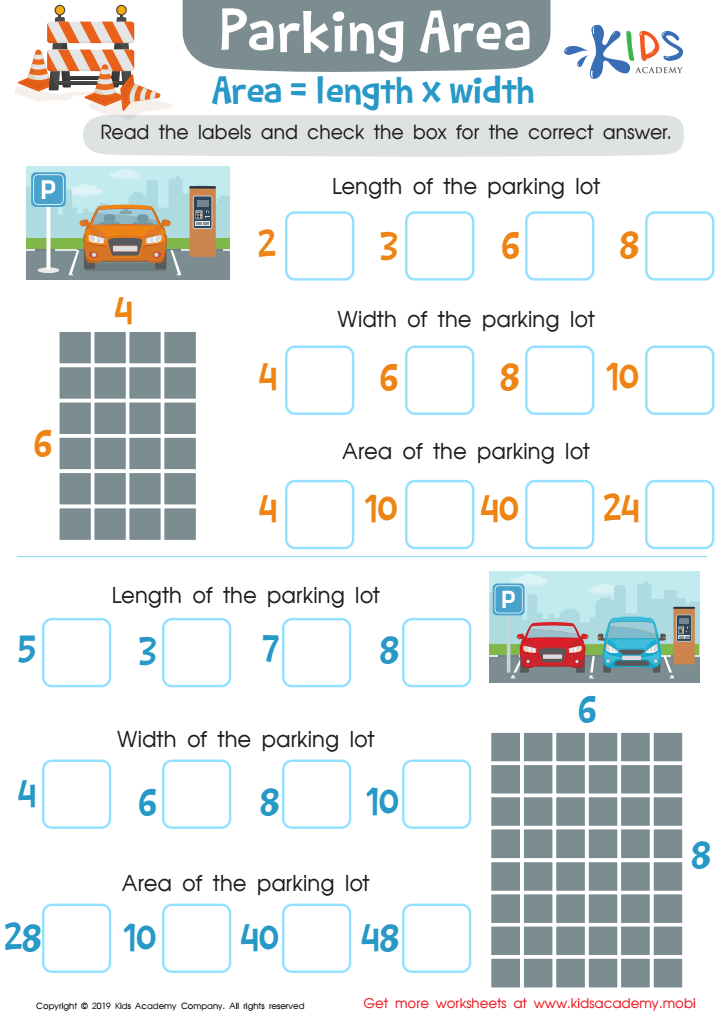
Parking Area Worksheet
 Assign to My Students
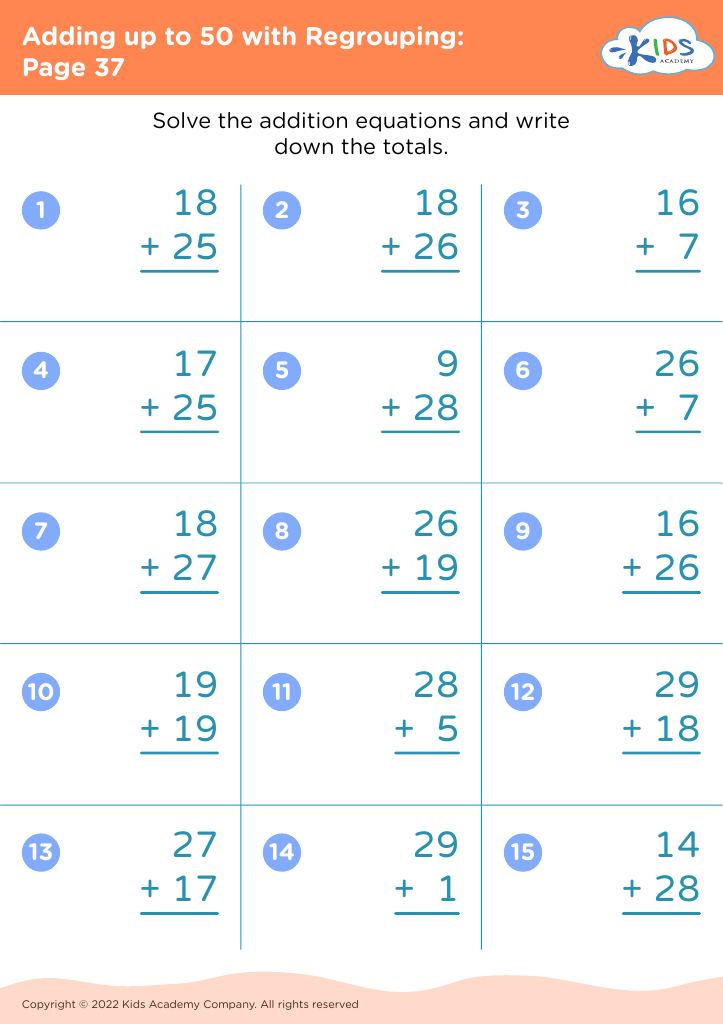
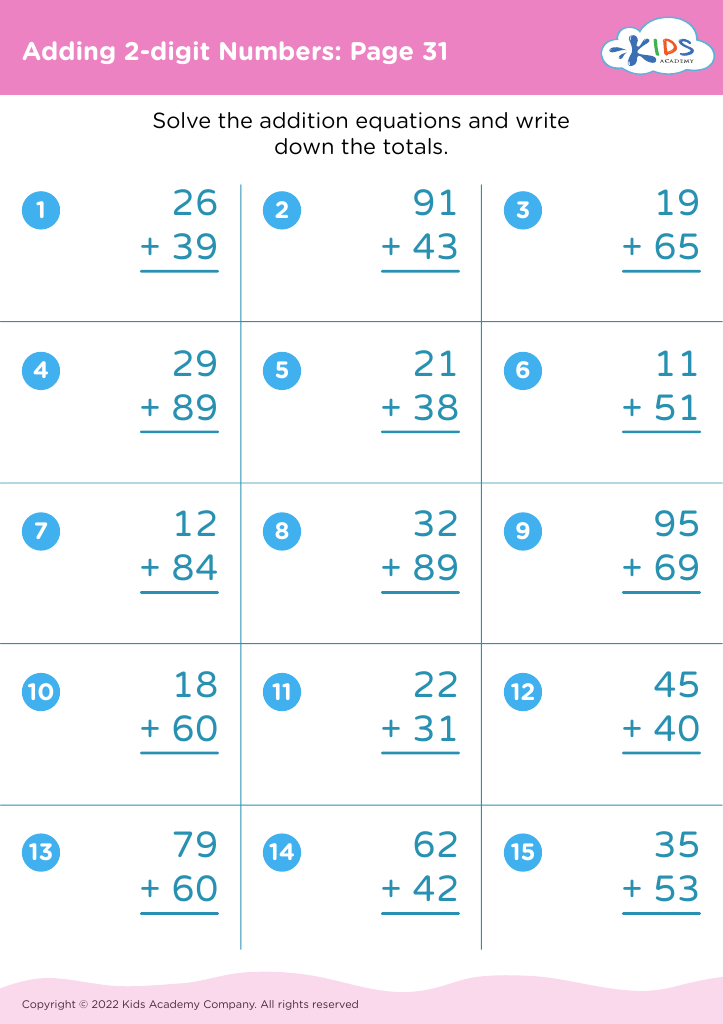





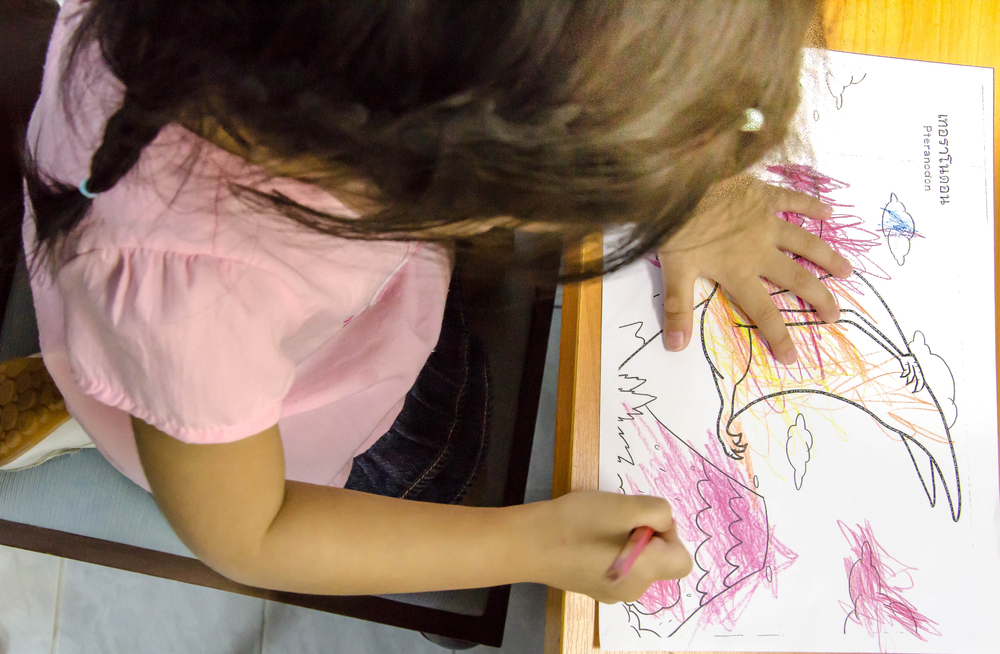
.jpg)
Color differentiation is vital for 8-year-olds, as it plays a crucial role in their cognitive, emotional, and social development. At this age, children are actively learning to process visual information and develop critical thinking skills. Understanding and distinguishing colors sharpen their observation skills, enhancing their ability to identify patterns and details in their environment.
Moreover, color awareness relates to emotional expression. Different colors can evoke various feelings, helping children articulate their emotions and experiences better. For example, a child may feel calm in a blue room while feeling energized in a red space. This emotional connection can help educators create environments conducive to learning and self-regulation.
Socially, recognizing colors and using them in communication fosters interactions with peers. Activities revolving around colors promote teamwork, collaboration, and discussions while enabling children to express themselves through art and play.
Additionally, mastery of color differentiation supports academic subjects like science and math, where categorization and visual representation are key. Overall, fostering an understanding of color differentiation equips 8-year-olds with essential skills for their holistic development, preparing them for greater academic and social success as they grow. By prioritizing this aspect of learning, parents and teachers can offer invaluable support to children in their formative years.








