Critical thinking skills Worksheets for 8-Year-Olds
24 filtered results
-
From - To
Unlock your child's potential with our engaging critical thinking skills worksheets tailored specifically for 8-year-olds! Designed to stimulate young minds, these worksheets encourage problem-solving, reasoning, and analytical skills through fun activities and puzzles. Children will engage in challenging scenarios that promote creativity and logical thinking while learning to think independently. Our thoughtfully crafted exercises cater to various learning styles, ensuring every child can enhance their critical thinking abilities. Perfect for classroom use or at-home practice, these worksheets are an invaluable resource for parents and educators alike. Visit our site to access a variety of printable worksheets that make learning enjoyable!
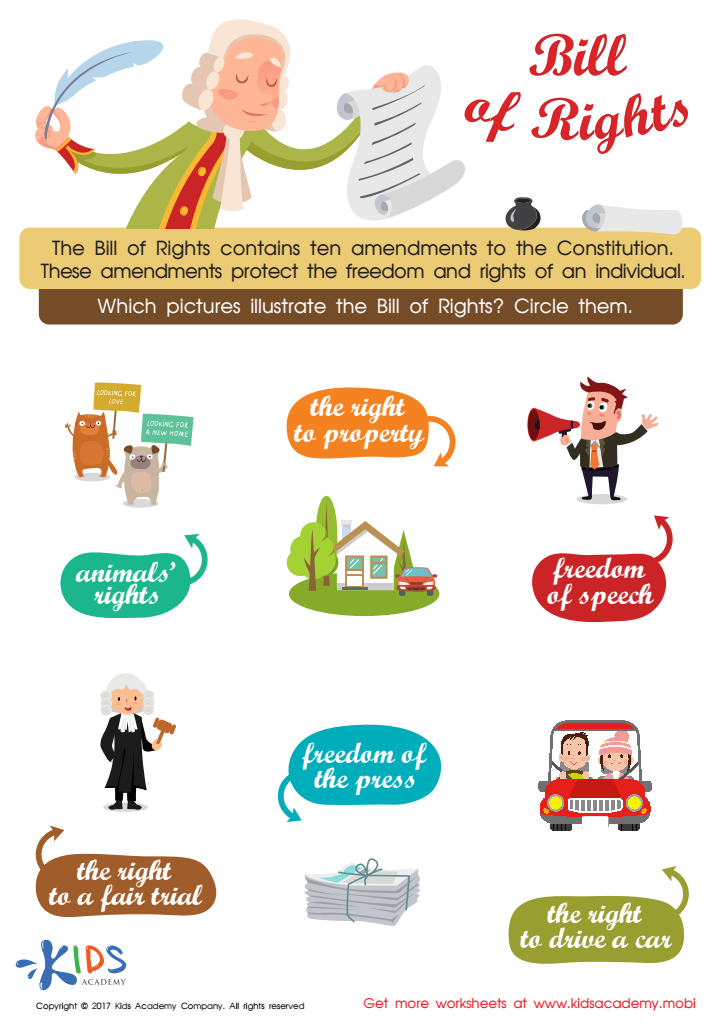
Bill of Rights Worksheet
 Assign to My Students
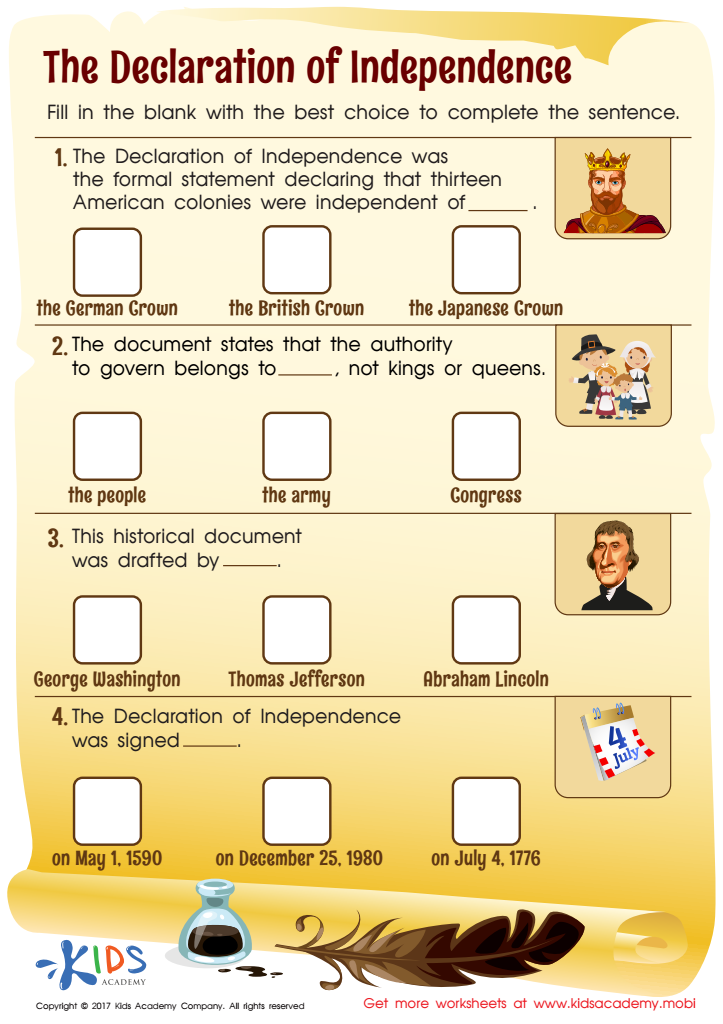
Declaration of Independence Worksheet
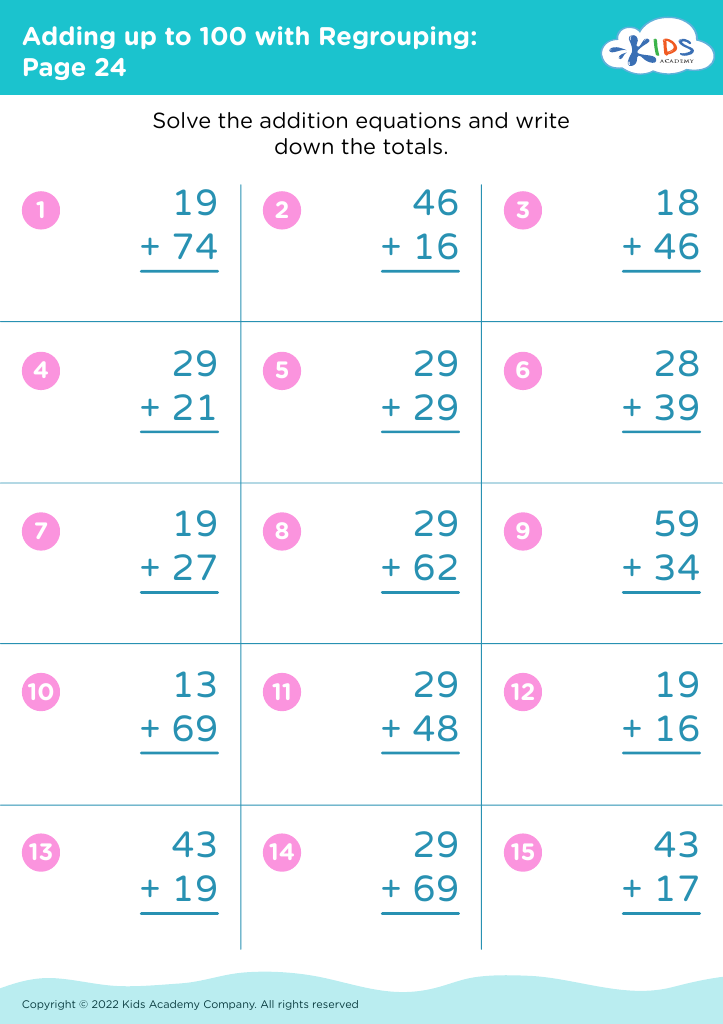
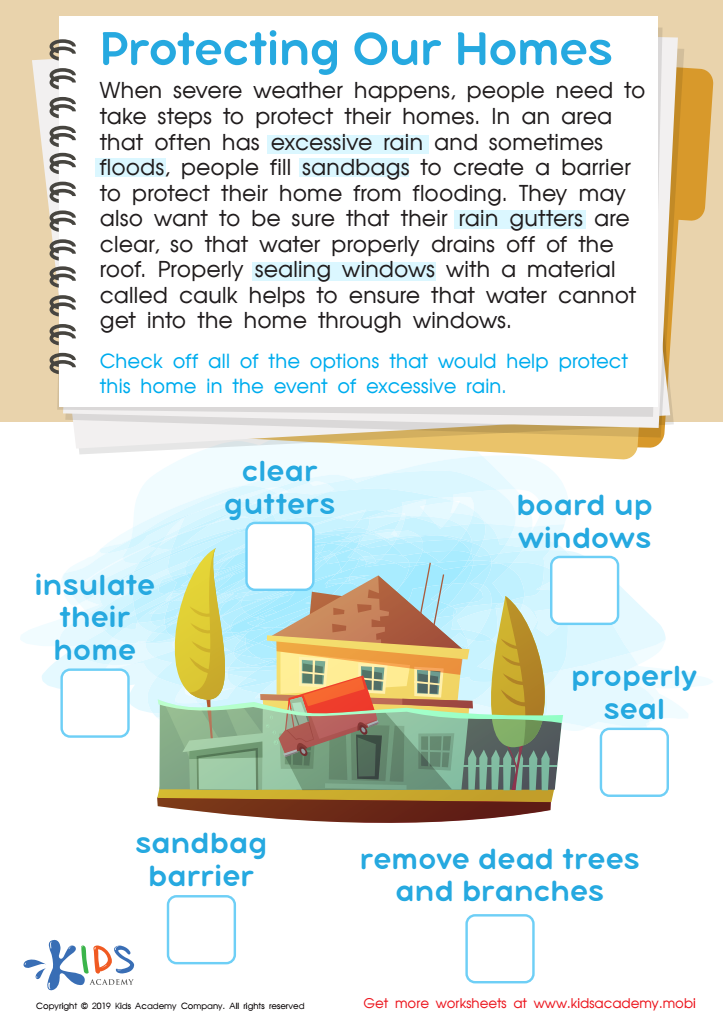
Protecting Our Homes Worksheet
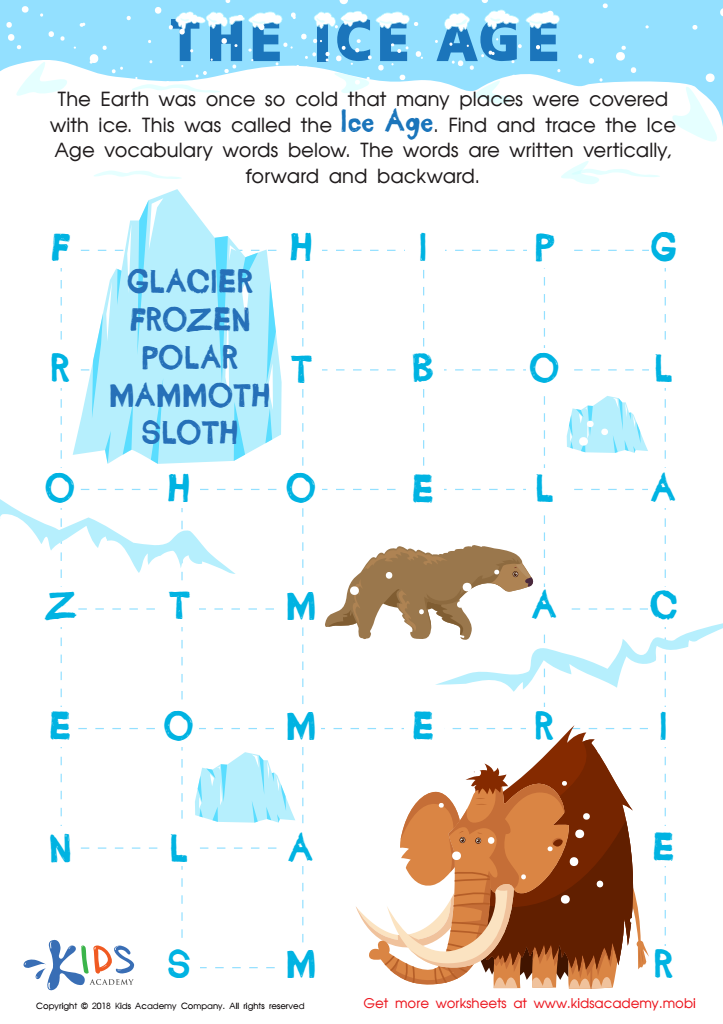
The Ice Age Worksheet
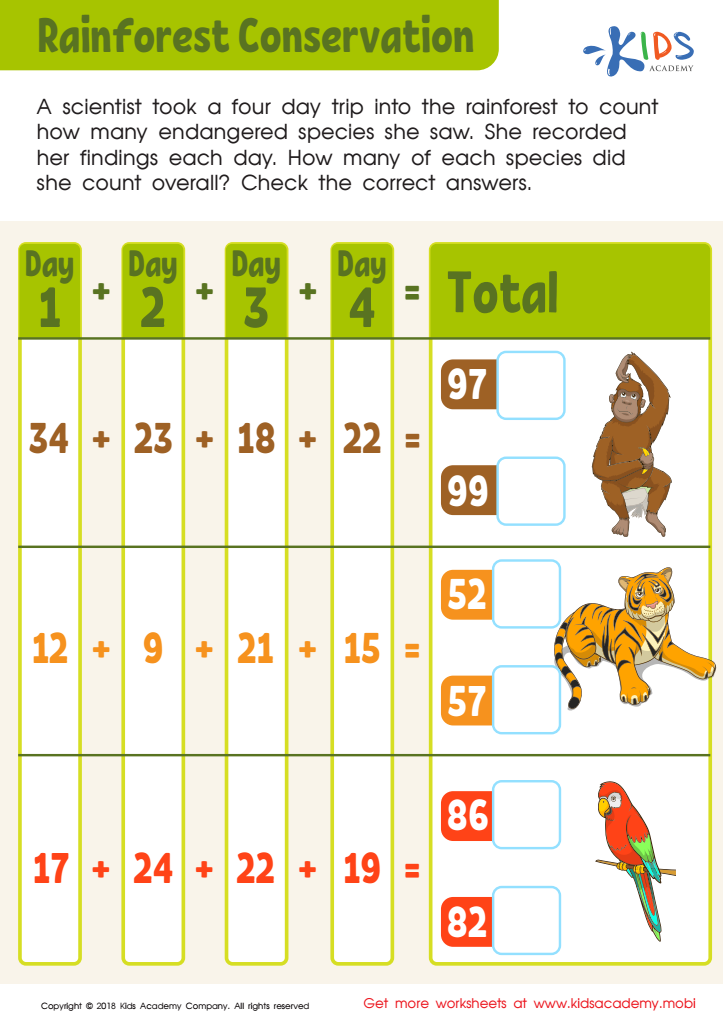
Rainforest Conservation Worksheet

First Americans in Space Worksheet
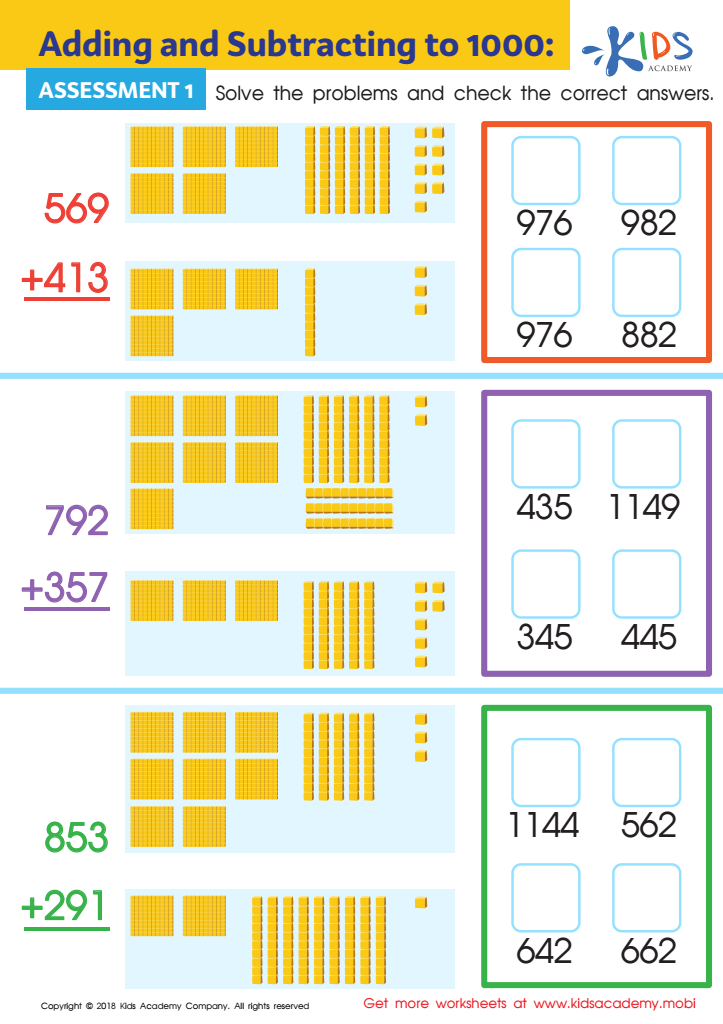
Adding and Subtracting to 1 Worksheet: Assessment 1
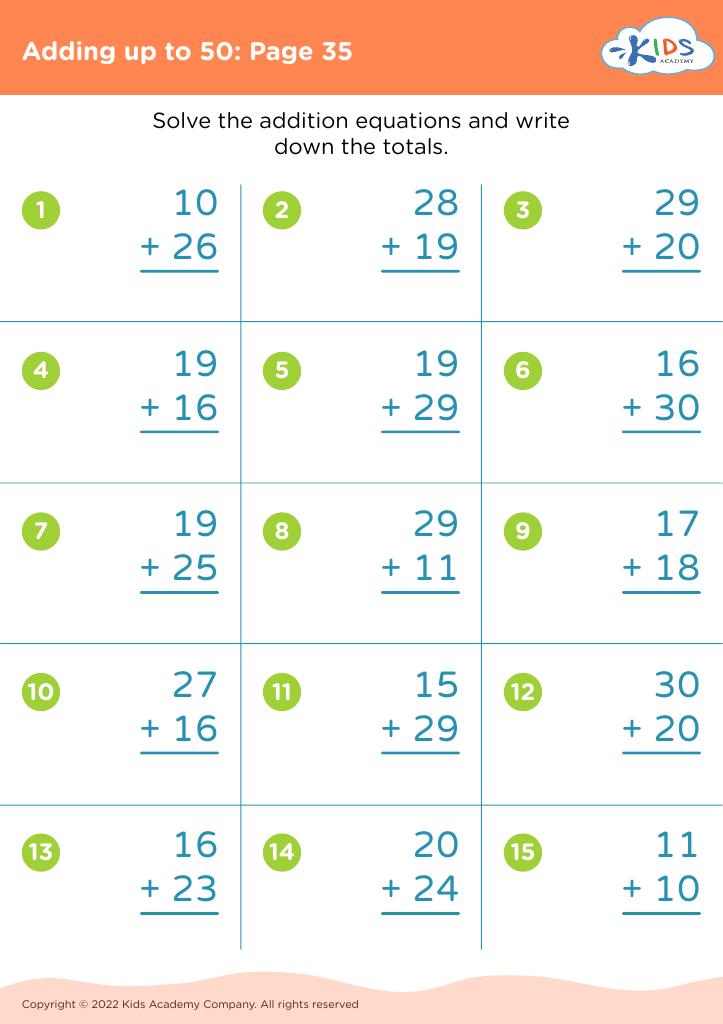
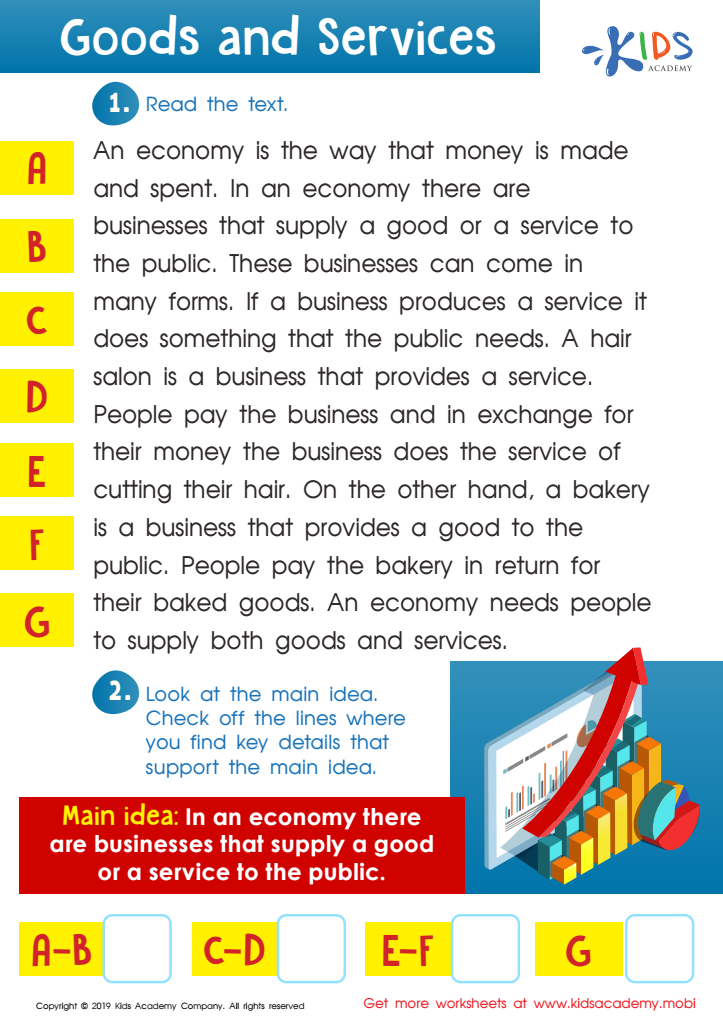
Goods and Services Worksheet
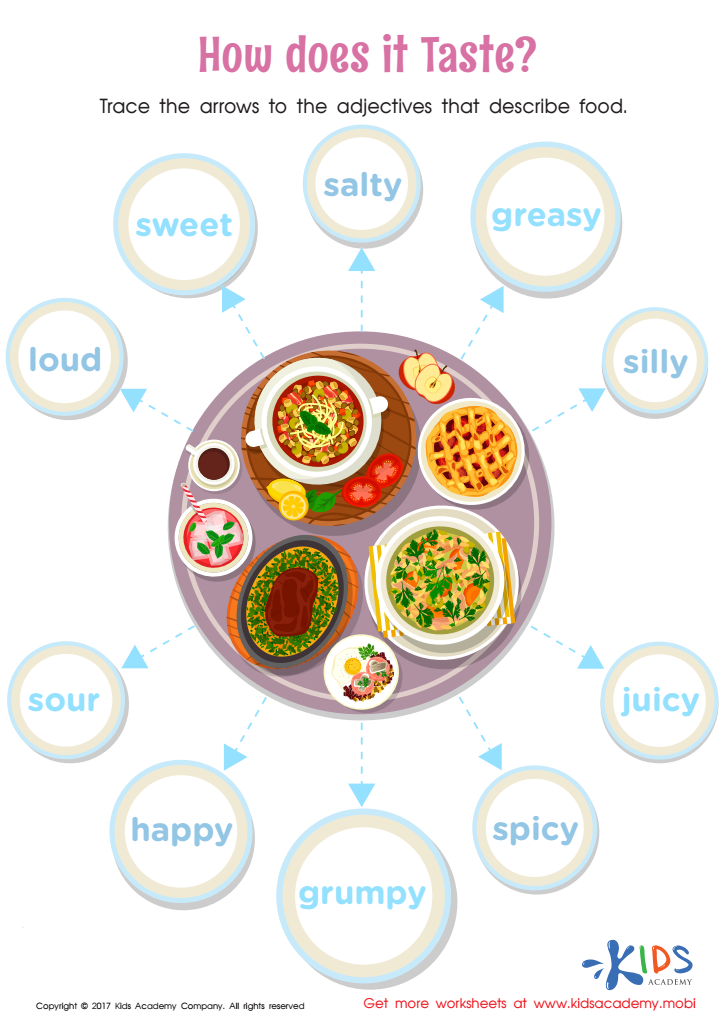
Food Adjectives Worksheet
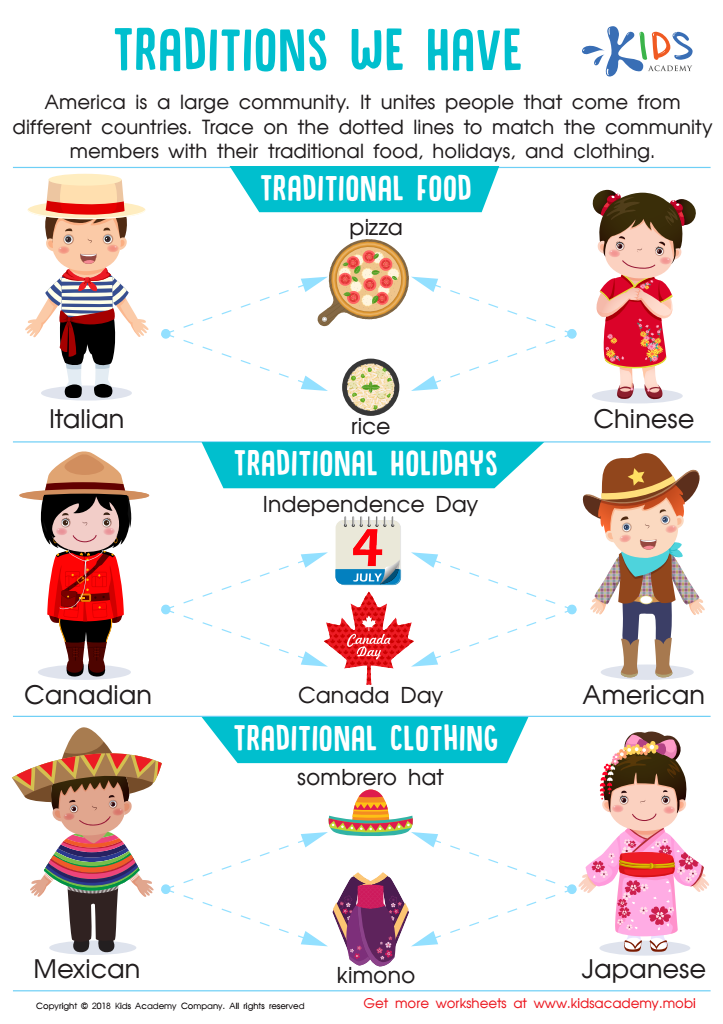
Traditions We Have Worksheet
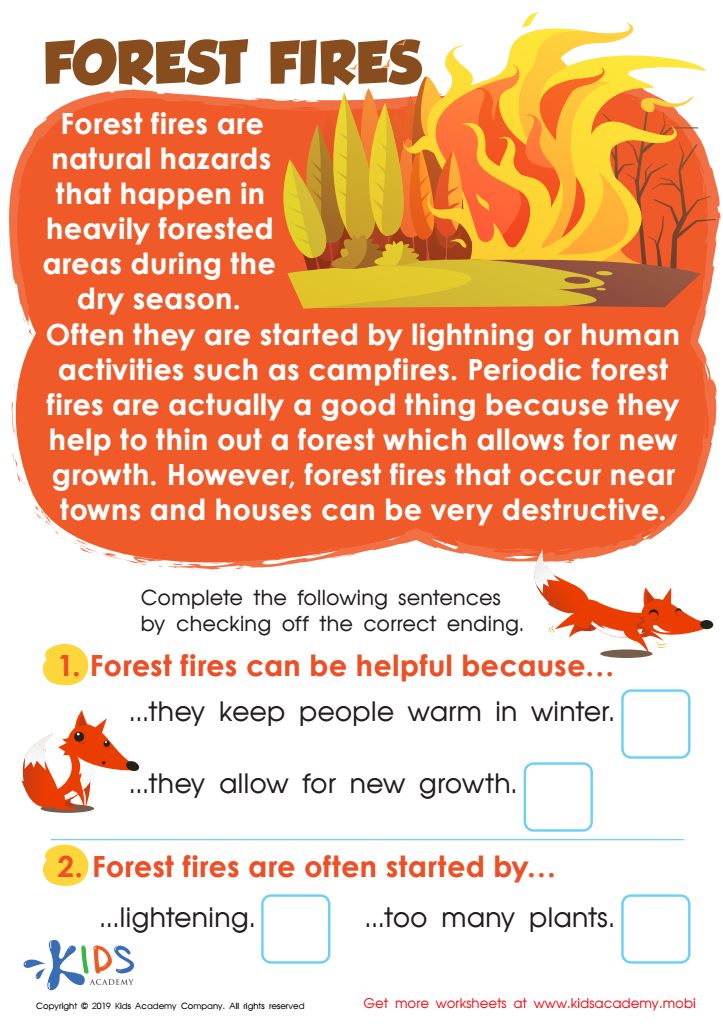
Forest Fires Worksheet
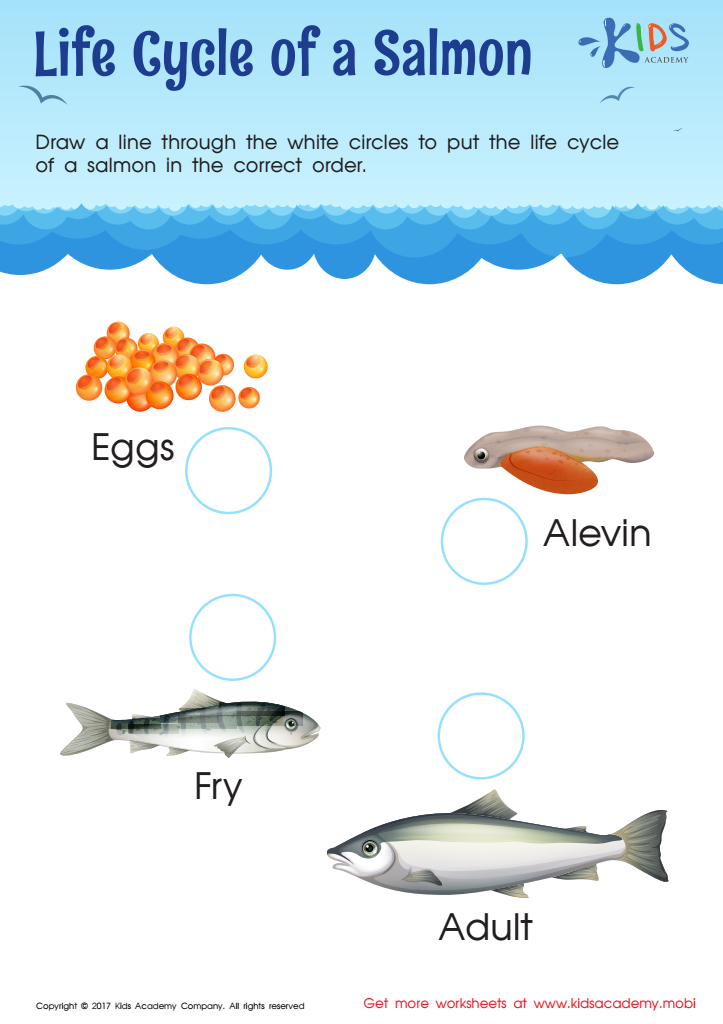
Cycle Of Salmon Worksheet
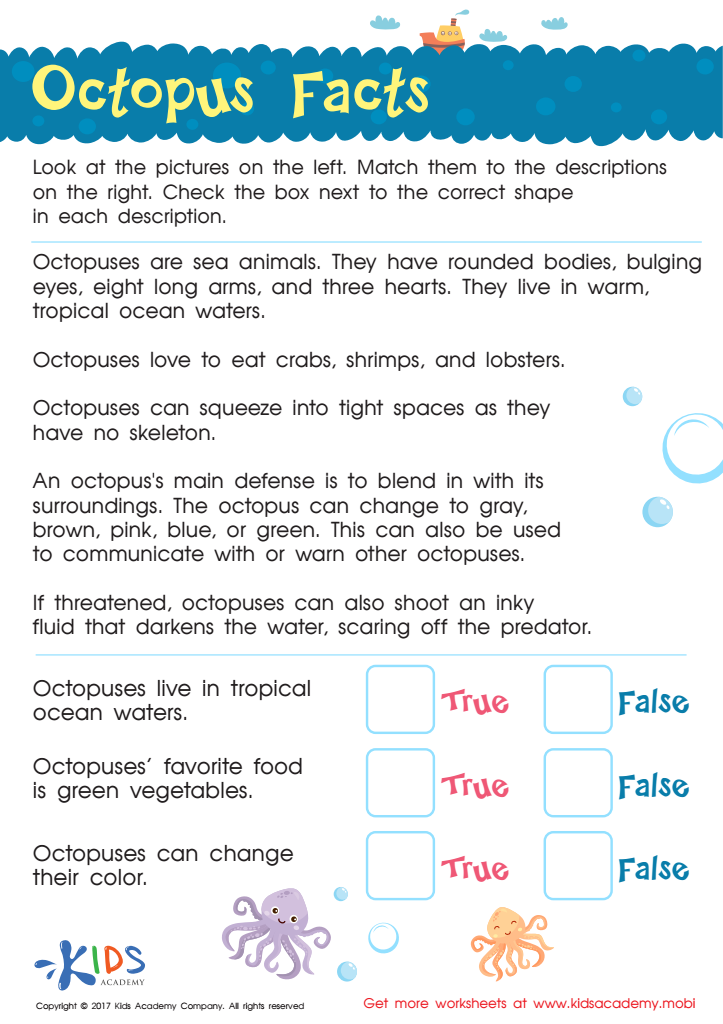
Octopus Facts Worksheet For Kids
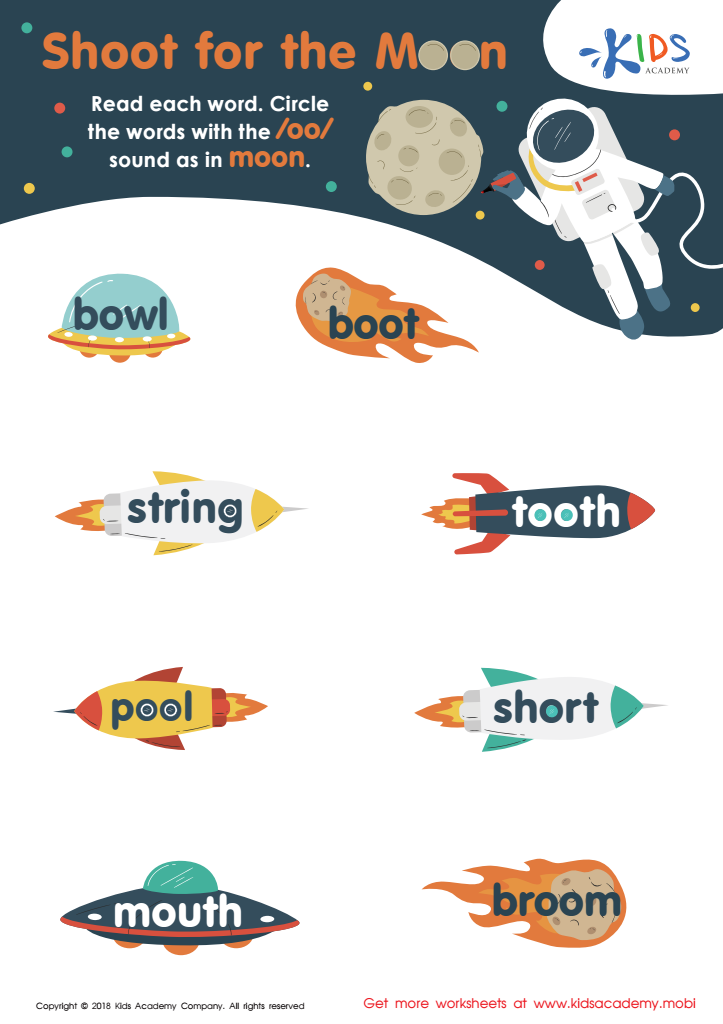
Reading: Shoot for the Moon Worksheet
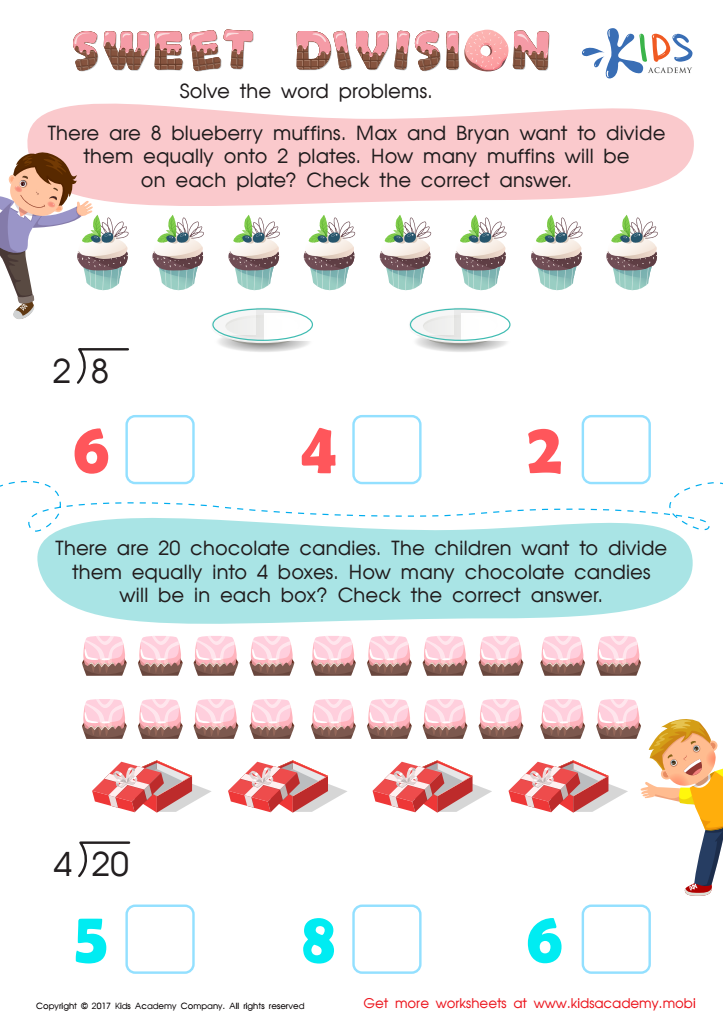
Division Word Problems Worksheet
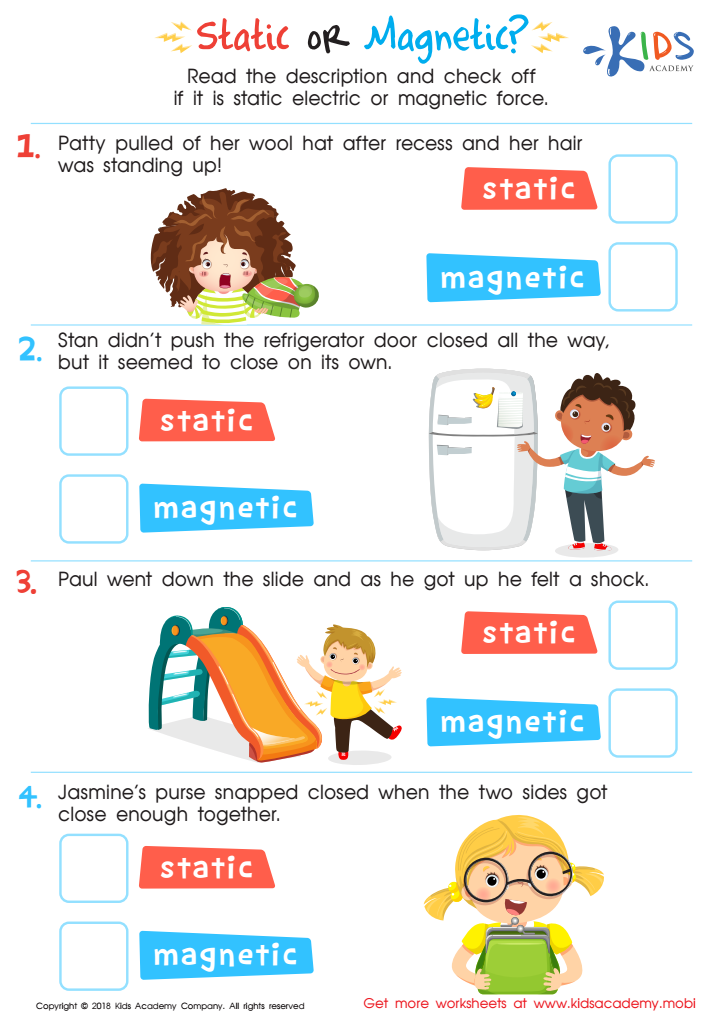
Static or Magnetic Printable Worksheet
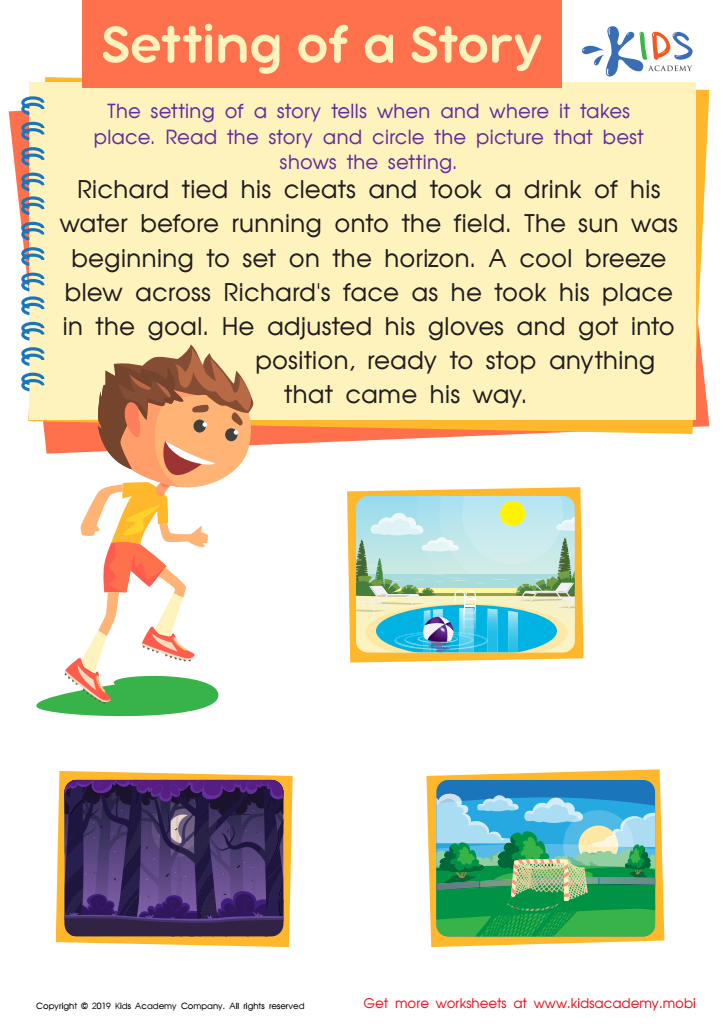
Setting of a Story Worksheet
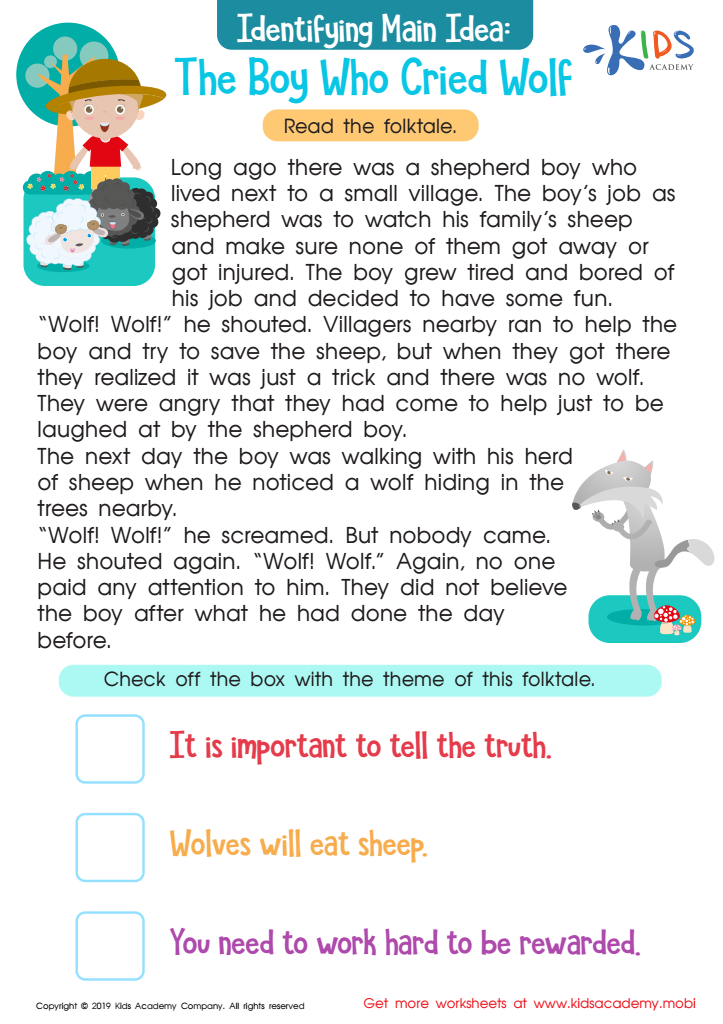
The Boy Who Cried Wolf Part 2 Worksheet
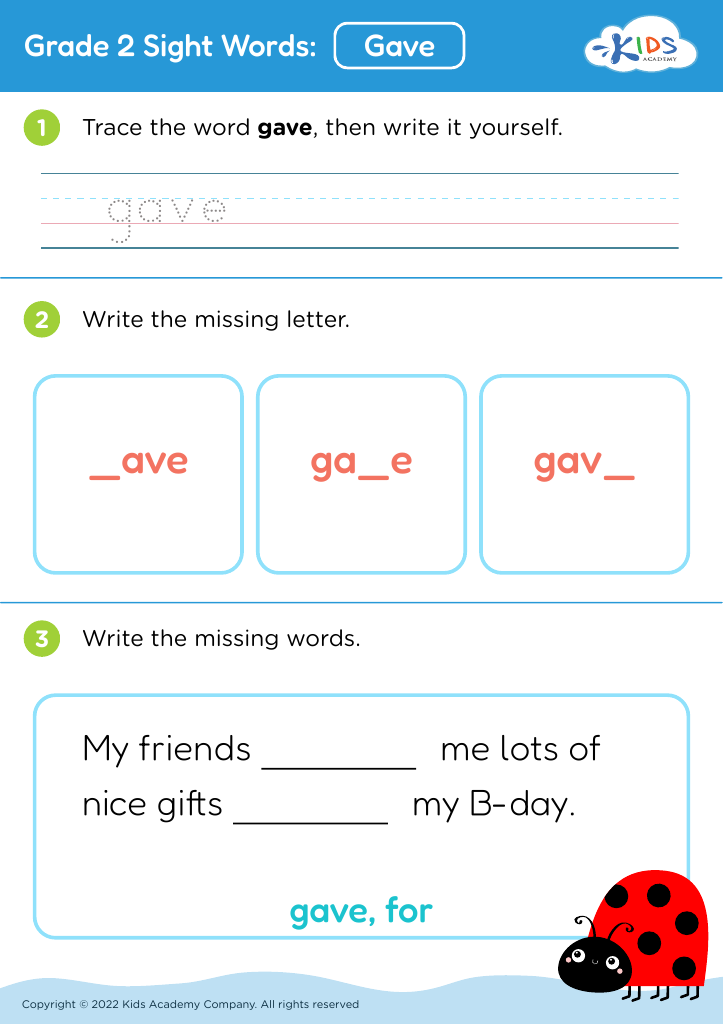








Critical thinking skills are essential for 8-year-olds as they lay the foundation for lifelong learning and personal development. At this age, children start to question the world around them with a greater degree of curiosity and can begin to analyze different perspectives. Encouraging critical thinking helps them make informed decisions, solve problems creatively, and understand complex concepts.
Parents and teachers should care about fostering these skills because they enable children to evaluate information critically, discerning fact from opinion in an era of abundant information. As children learn to think independently, they develop confidence in their ability to express their ideas, leading to stronger communication skills and social interactions. Additionally, critical thinking promotes resilience, helping children navigate challenges they may face both academically and personally.
Incorporating activities such as debates, problem-solving tasks, and open discussions in a nurturing environment empowers children to articulate their thoughts, ask questions, and become active participants in their learning process. Ultimately, instilling critical thinking skills at a young age prepares children for future academic endeavors and everyday life, equipping them with tools to contribute positively to society. Therefore, parents and teachers play a crucial role in guiding and supporting this essential skill development.








