
Practice inference skills Worksheets for 8-Year-Olds
3 filtered results
Difficulty Level
Grade
Age
-
From - To
Subject
Activity
Standards
Unlock the power of critical thinking with our "Practice Inference Skills Worksheets for 8-Year-Olds." Catering specifically to young learners, our carefully designed worksheets stimulate young minds to read between the lines and draw meaningful conclusions. Featuring engaging themes and interactive tasks, these worksheets are perfect for enhancing comprehension and analytical skills. Your child will enjoy delightful activities that foster intuitive thinking while boosting their reading abilities. Ideal for both classroom and at-home practice, these worksheets make learning fun and effective. Boost your 8-year-old's confidence in reading and understanding contexts with our targeted inference practice today!
Favorites
With answer key
Interactive
Join Kids Academy for Free
Who is primarily going to use this learning content?


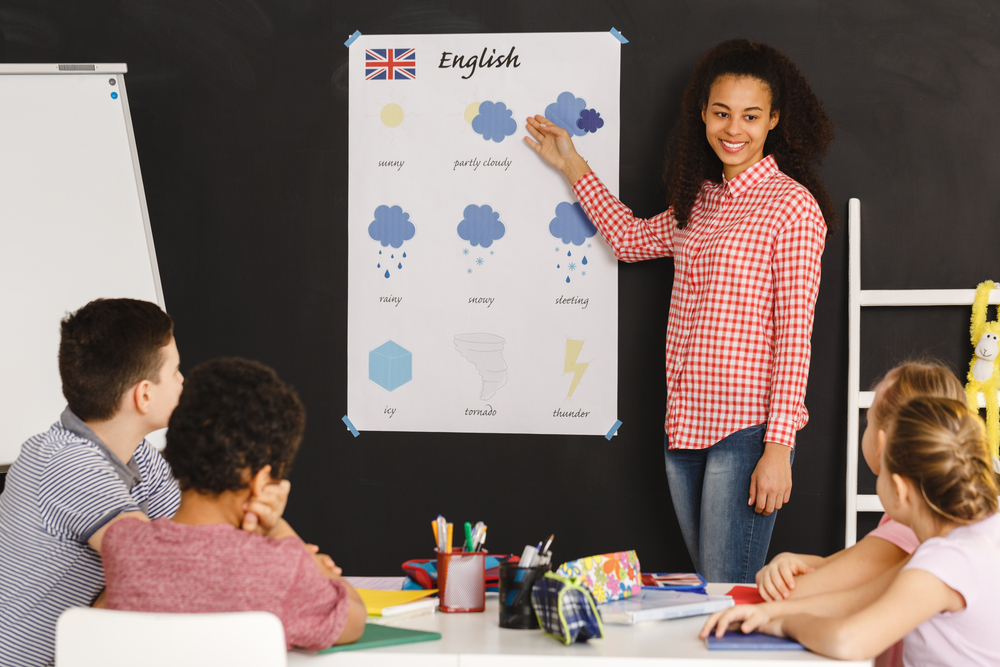





Inference skills are vital for 8-year-olds as they embark on their learning journeys. These skills enable children to decode new information and make sense of the world around them—a foundation essential for academic success and everyday problem-solving.
Firstly, developing inference skills enhances reading comprehension. Children learn to read between the lines, understanding not just what is stated explicitly but also what is implied. This deepens their engagement with texts, fostering a love for reading and a better grasp of diverse subjects.
Secondly, strong inference skills bolster critical thinking. When children practice drawing conclusions based on available evidence and their prior knowledge, they become adept at analyzing situations, forming hypotheses, and pondering multiple outcomes. This is particularly crucial in a world that increasingly values innovative problem-solvers.
Additionally, inferencing promotes effective communication. Children learn to pick up on social cues and understand others’ perspectives. These interpersonal savvy lead to meaningful interactions and empathy, crucial for personal and social development.
Parents and teachers play crucial roles in nurturing these skills through deliberate, interactive activities like guided reading sessions, discussions, and games that encourage analytical thinking. Thus, prioritizing the nurturing of inference skills in 8-year-olds sets the groundwork for lifelong learning, empowering them to navigate complex concepts and everyday challenges with confidence.








