Recognize shapes Worksheets for 8-Year-Olds
8 filtered results
-
From - To
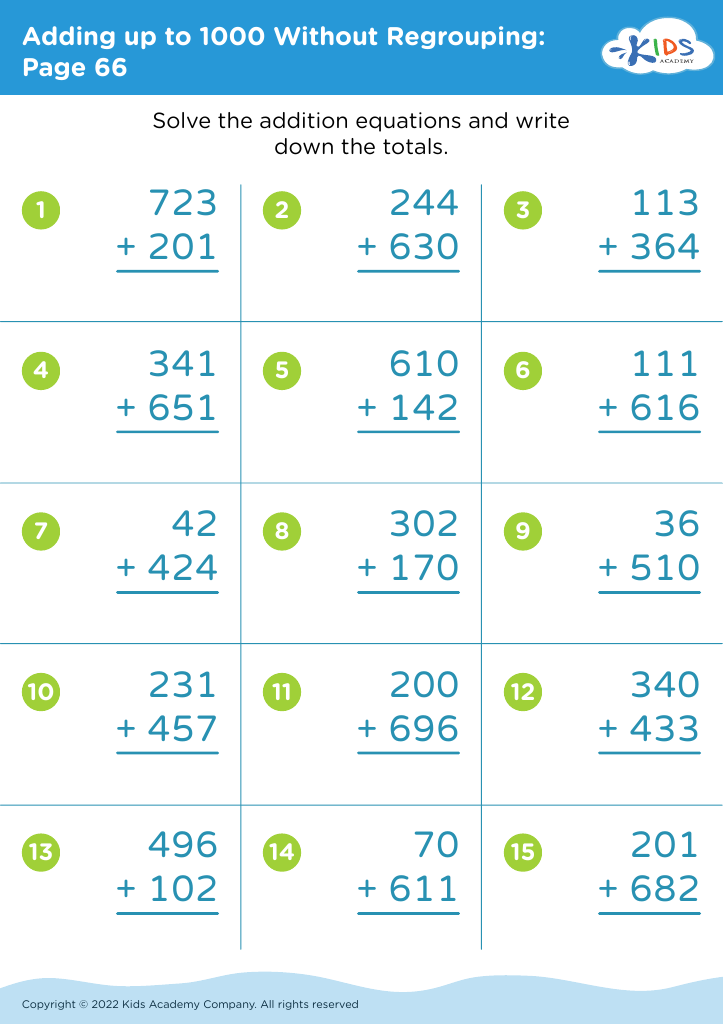
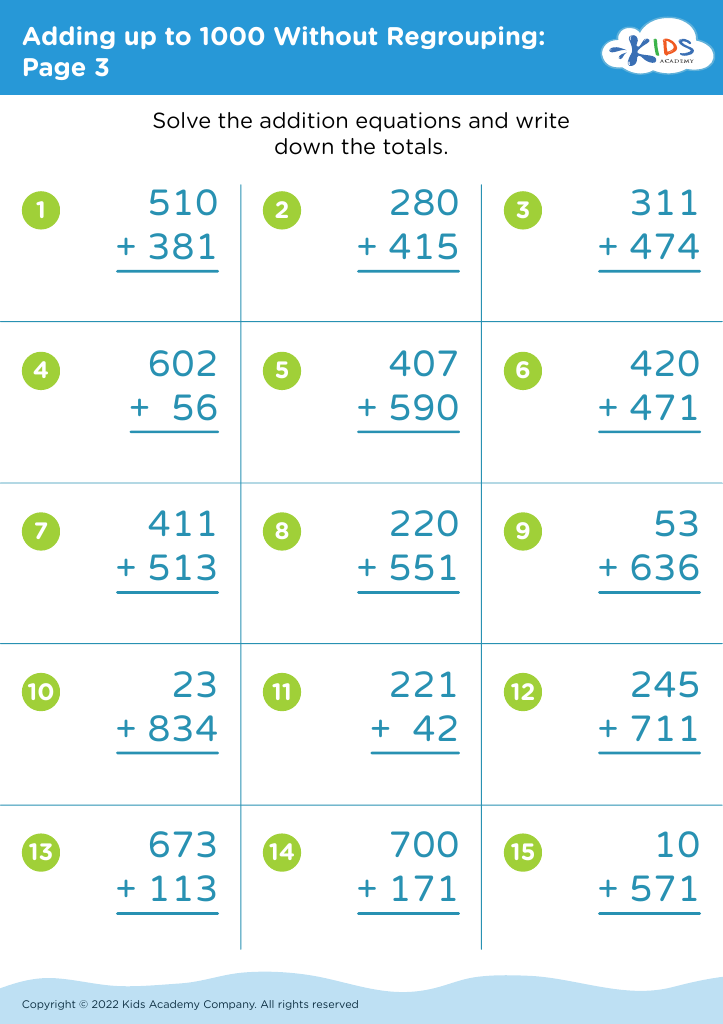
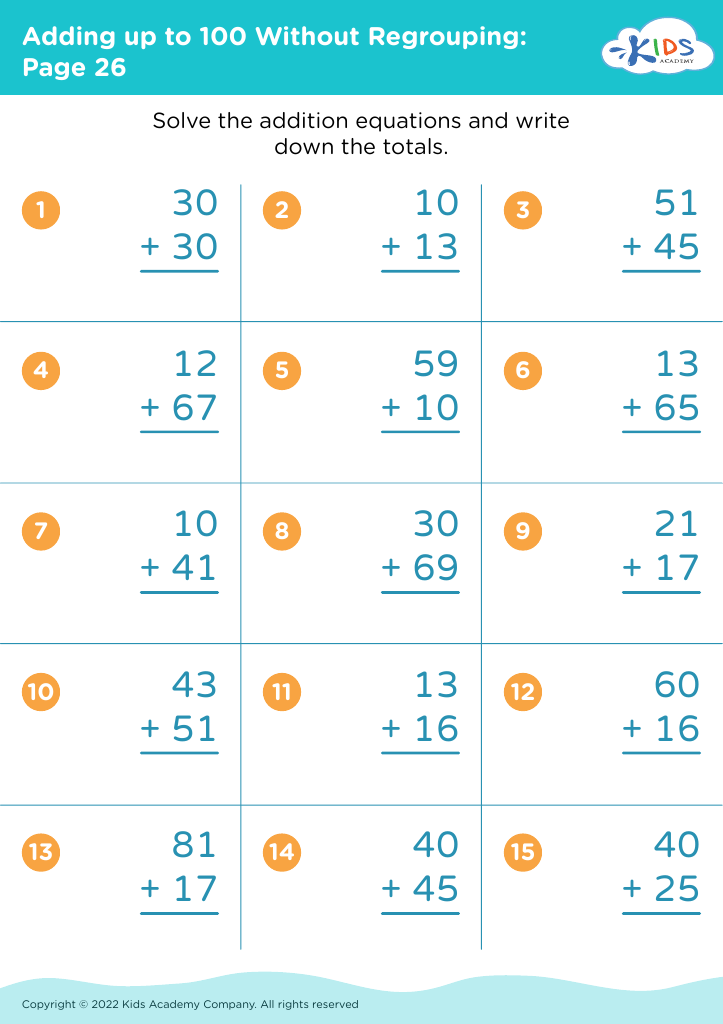
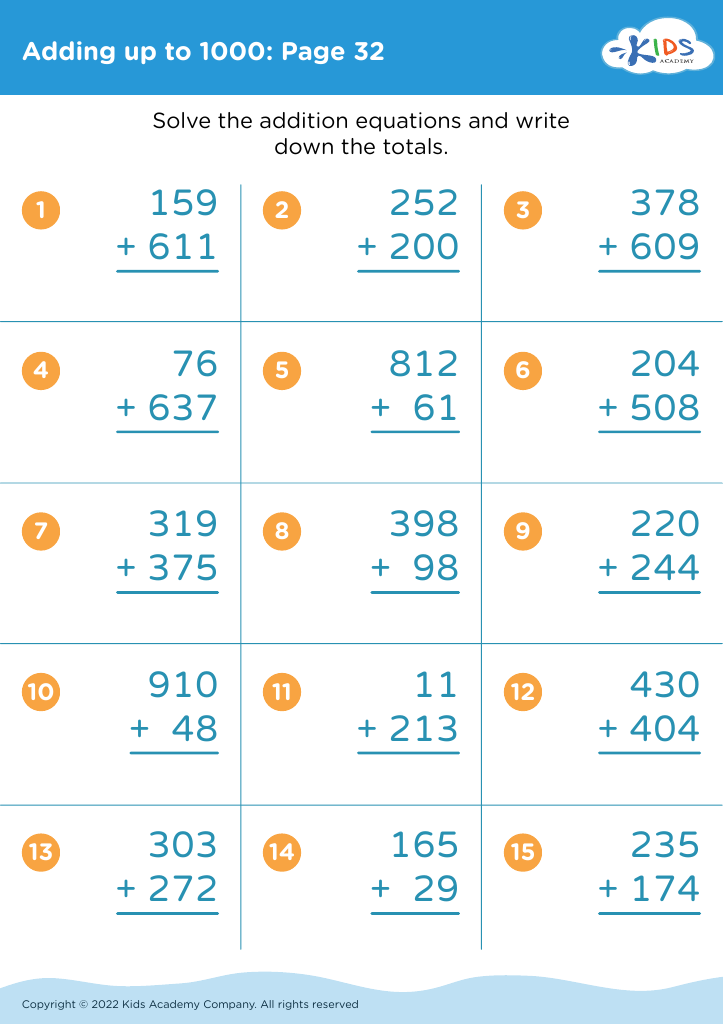
Discover our engaging "Recognize Shapes Worksheets" designed specifically for 8-year-olds! These worksheets offer a fun and interactive way for children to master the recognition of various shapes, fostering essential math skills. Each activity encourages critical thinking, as kids identify and classify shapes through coloring, drawing, and matching exercises. Tailored to capture their imagination, our worksheets are perfect for enhancing visual-spatial awareness and promote creativity. Whether used in the classroom or as home practice, these resources will inspire learning and boost confidence. Explore our collection today to help your child build a solid foundation in shape recognition!






Recognizing shapes is a foundational skill in a child's early education, especially for 8-year-olds. Understanding shapes goes beyond mere identification; it fosters critical thinking, problem-solving, and spatial reasoning skills. These skills are essential for children's overall cognitive development and play a pivotal role in subjects like math and science.
When children learn to recognize shapes, they also develop the ability to categorize and analyze their environment. This knowledge supports later concepts, such as geometry, measurement, and even algebra. For parents and teachers, emphasizing shape recognition encourages students to engage with their surroundings, allowing them to appreciate patterns, symmetry, and design in everyday life.
Additionally, shape recognition can enhance fine motor skills through activities like drawing and construction, which promotes creativity and expression. Understanding shapes lays the groundwork for successful learning experiences, ultimately leading to better academic performance and increased confidence in tackling complex subjects.
Parents and teachers who prioritize shape recognition contribute to a supportive learning environment where children can explore, engage, and evolve. By nurturing these skills, adults empower children to build the necessary competencies for future learning and real-world problem-solving. Understanding shapes is not just an academic exercise; it’s a stepping stone toward broader cognitive and emotional development.








