Understanding equality Worksheets for 8-Year-Olds
5 filtered results
-
From - To
Discover our engaging "Understanding Equality Worksheets" tailored for 8-year-olds, designed to enhance math skills while promoting critical thinking. These worksheets introduce the concept of equality through fun and interactive exercises, helping children grasp essential mathematical principles. With varied activities that include balancing equations and comparing values, students are encouraged to explore relationships between numbers. Perfect for classroom use or at-home practice, these resources foster a comprehensive understanding of equality, reinforcing foundational skills through enjoyable learning experiences. Download and empower your child's mathematical journey today while building their confidence in handling equations and problem-solving tasks!
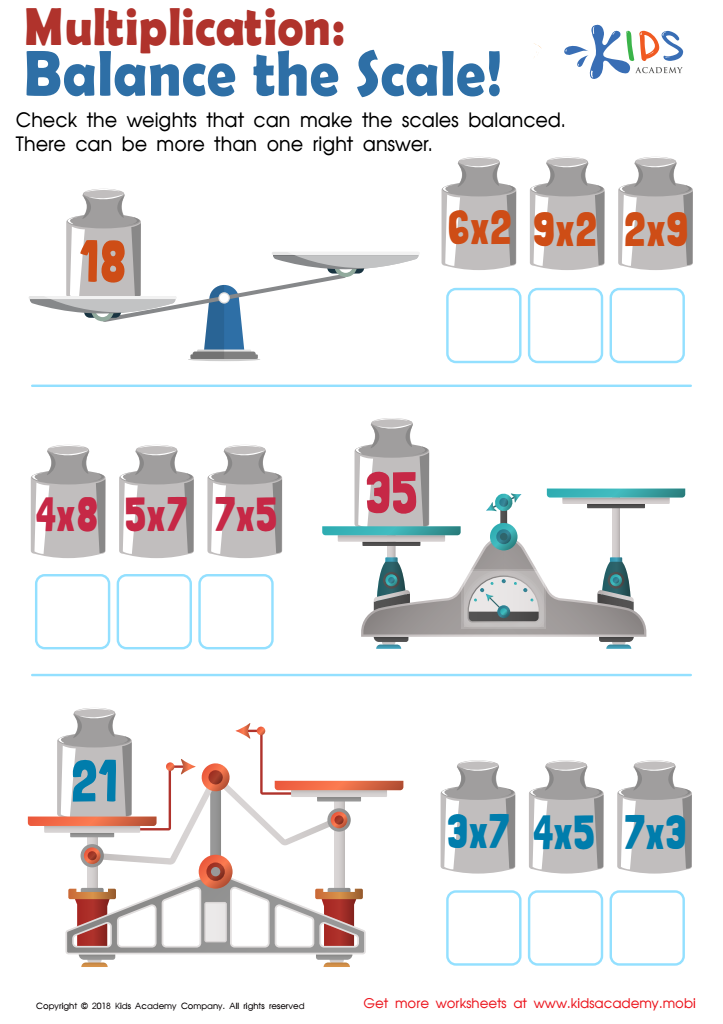
Balance the Scales Multiplication Worksheet
 Assign to My Students
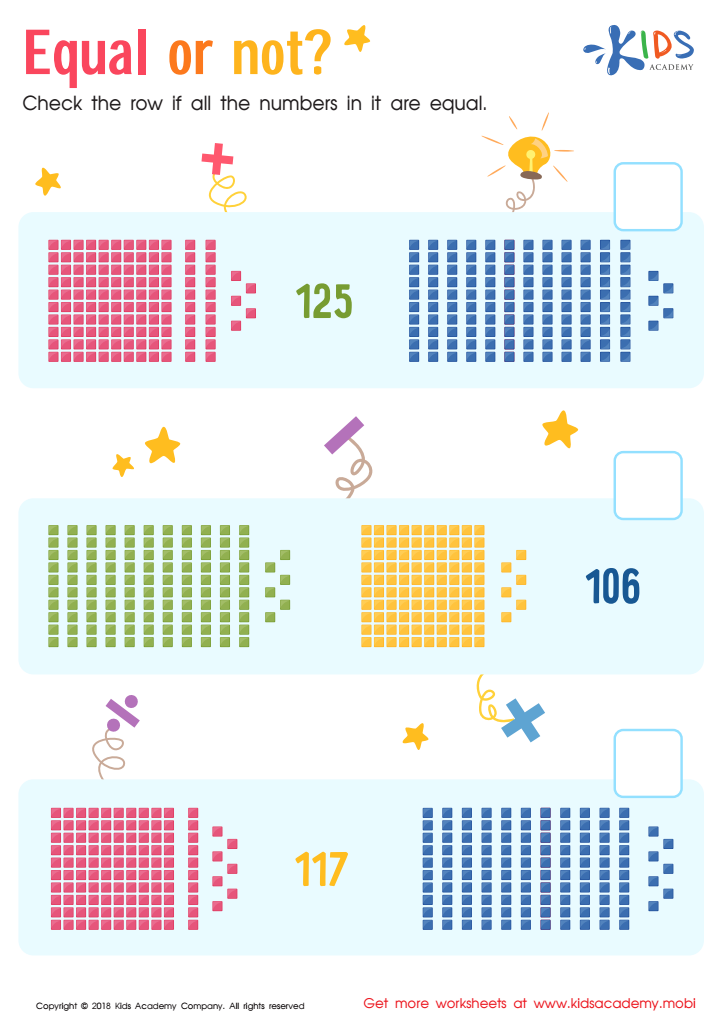
Equal or not Worksheet
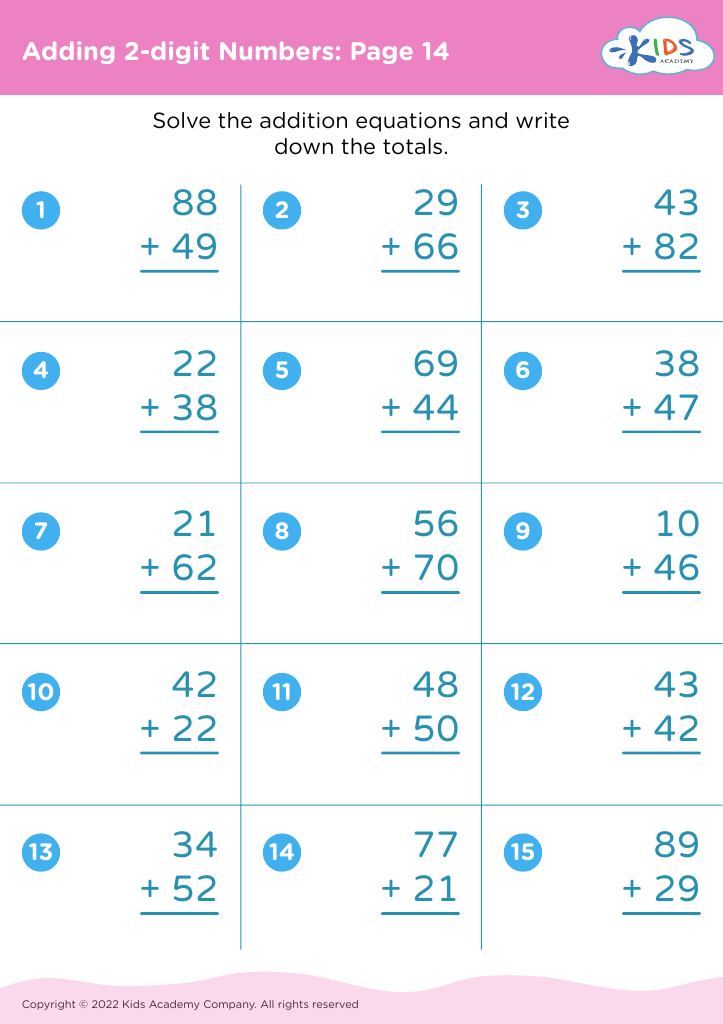
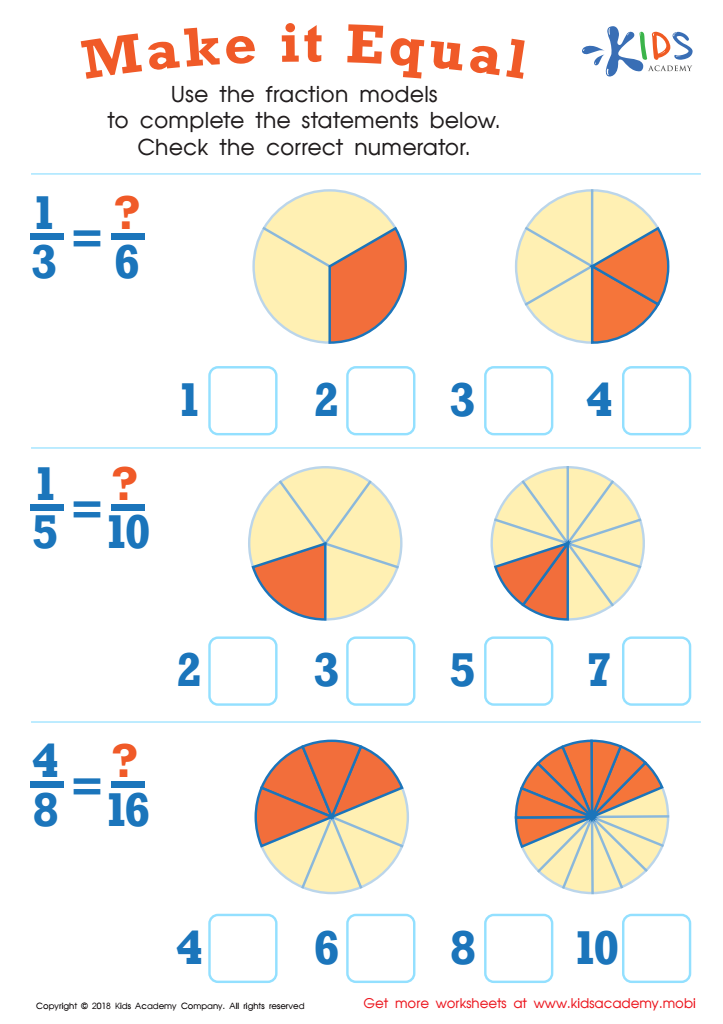
Make It Equal Worksheet
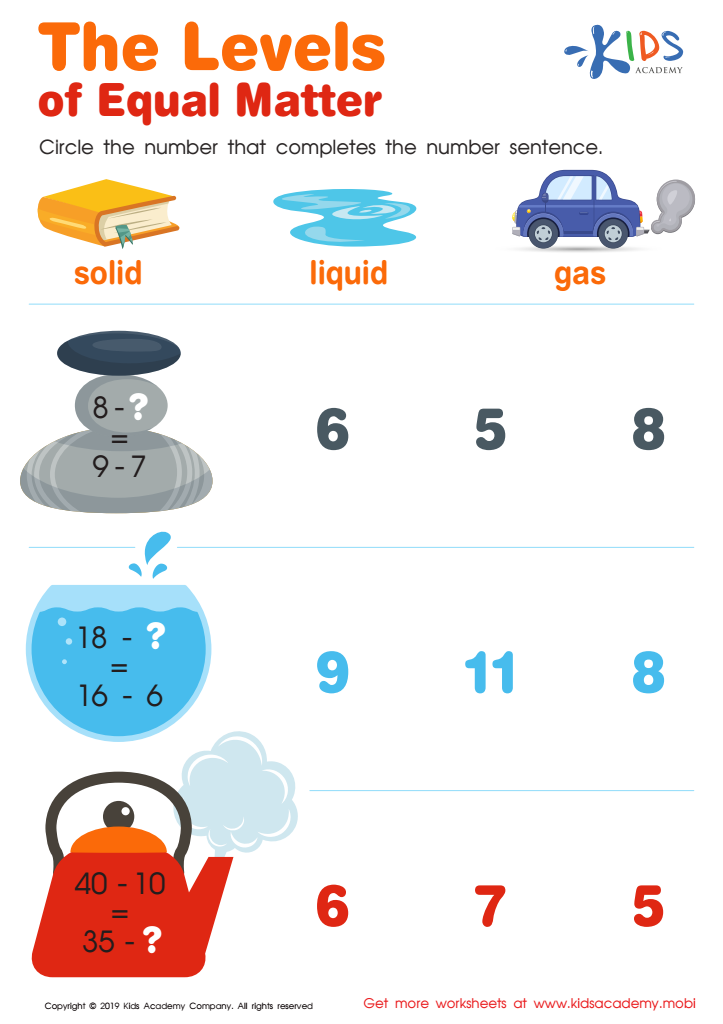
The Levels of Equal Matter Worksheet





.jpg)


Understanding equality is crucial for 8-year-olds as it lays the foundation for their social and emotional development. At this age, children begin to grasp complex concepts related to fairness, justice, and respect for others. Teaching them about equality helps cultivate empathy and a sense of responsibility towards their peers, making them more considerate individuals.
Parents and teachers should prioritize this understanding to combat stereotypes and discrimination at an early age. By fostering an environment that values inclusivity, children learn to appreciate diversity and acknowledge different perspectives. This creates a more harmonious classroom and community where all feel valued and accepted.
Moreover, instilling principles of equality empowers children to question biases and inequalities they may observe in the world around them. This critical thinking equips them to become advocates for change, promoting social justice as they grow older.
Encouraging discussions about equality helps children establish strong moral values and develop a sense of agency, driving them to contribute positively to society. Therefore, prioritizing this understanding is essential for shaping well-rounded individuals who nurture a culture of respect and equality in their future interactions.








