Counting objects Addition & Subtraction Worksheets for 8-Year-Olds
8 filtered results
-
From - To
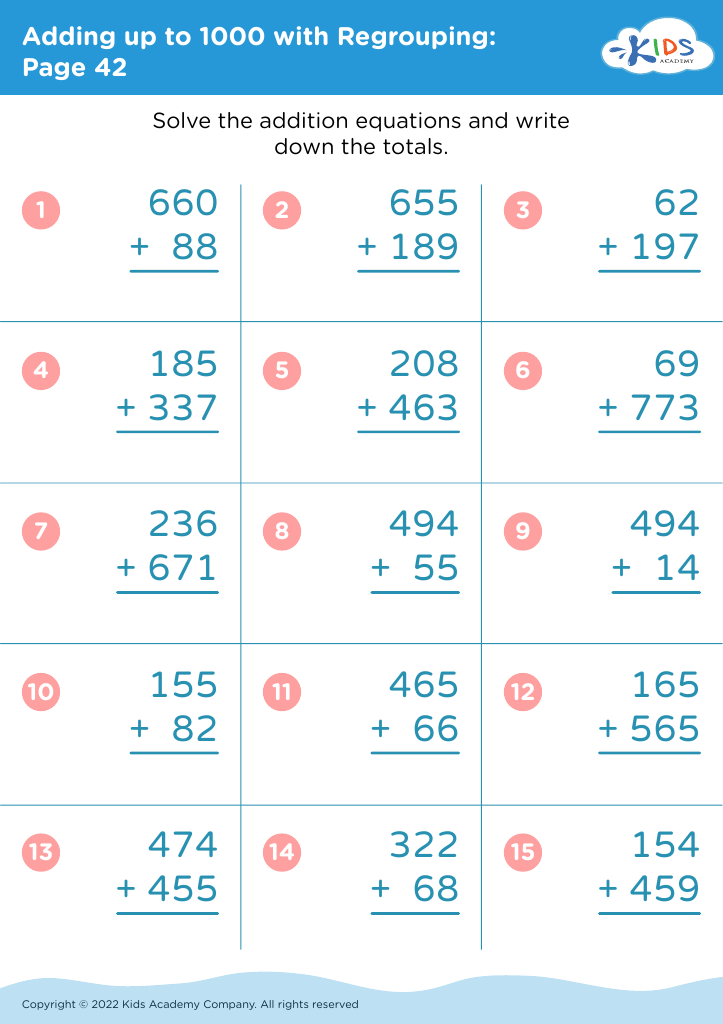
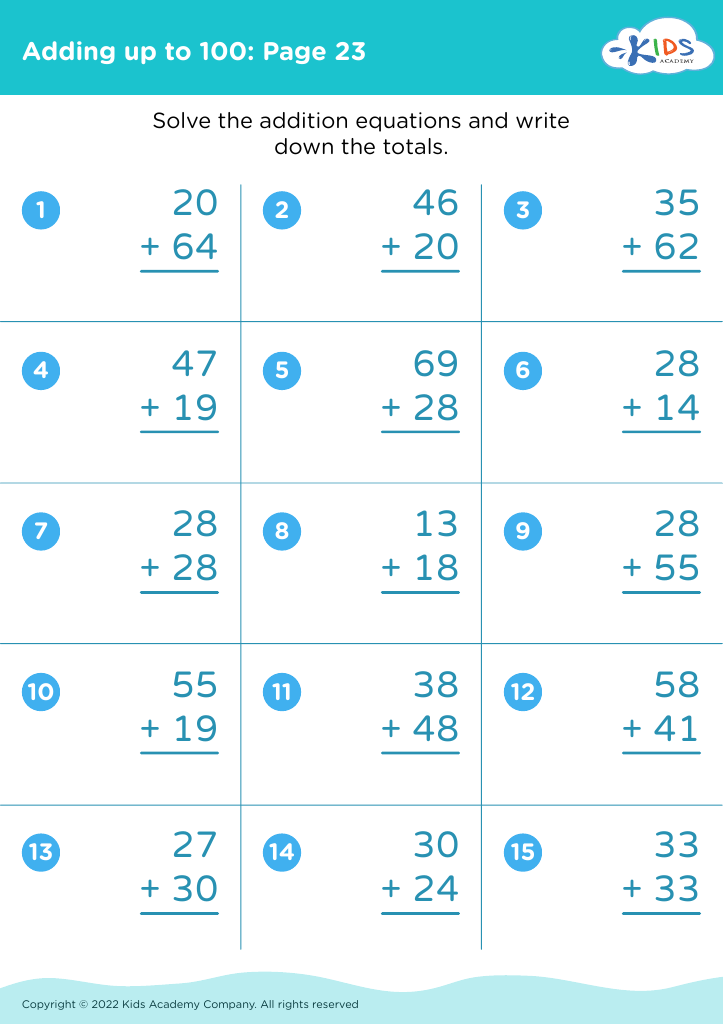
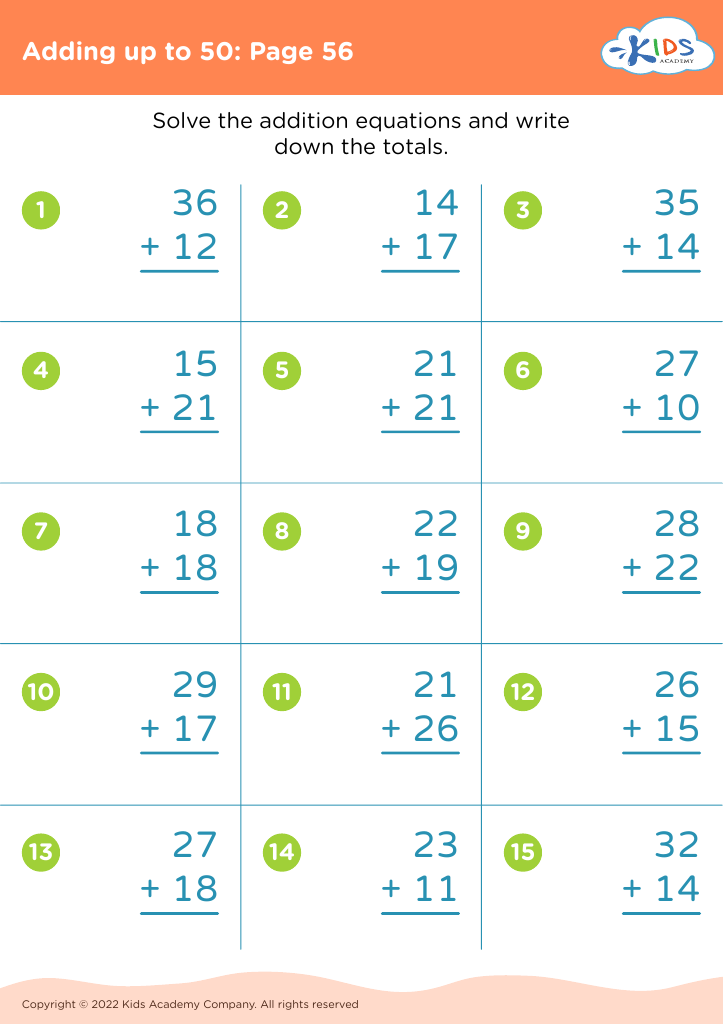
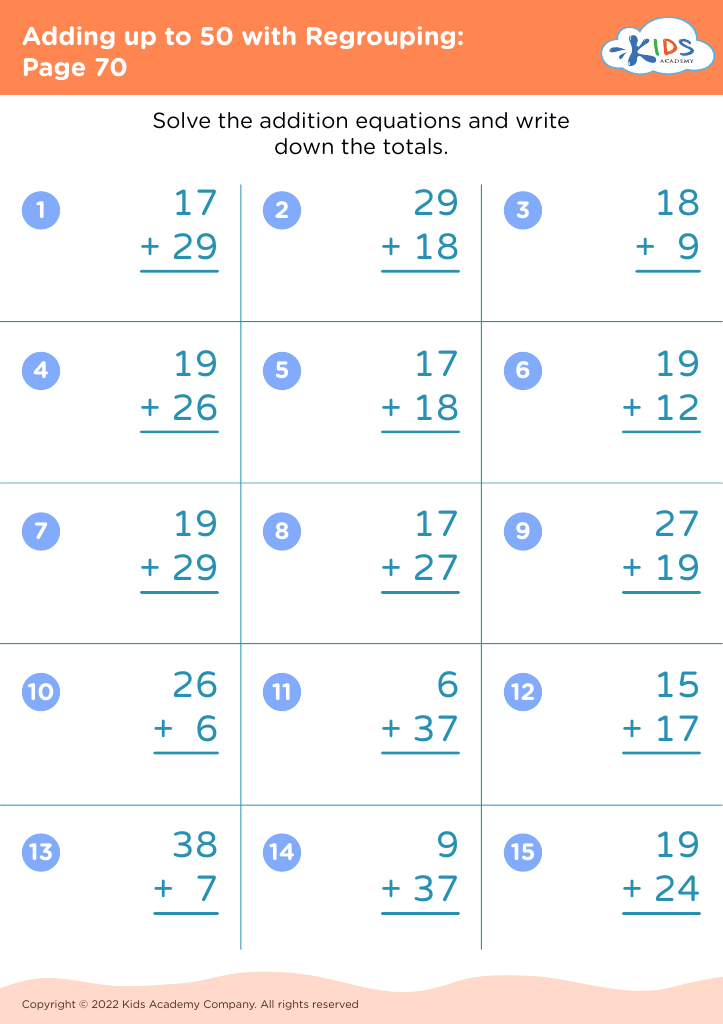
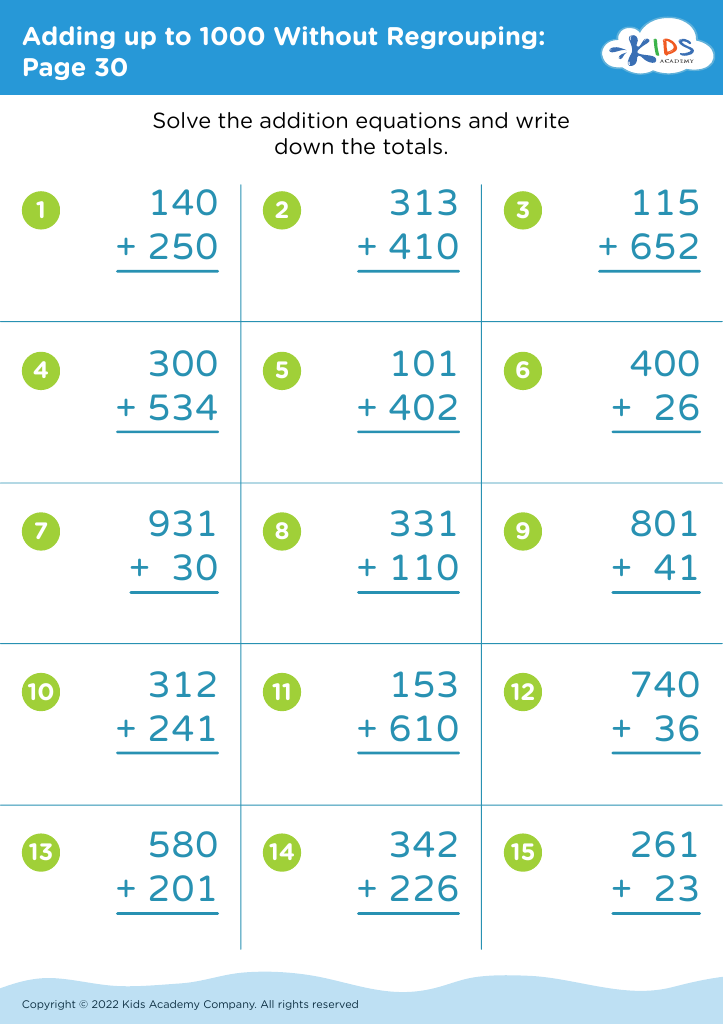
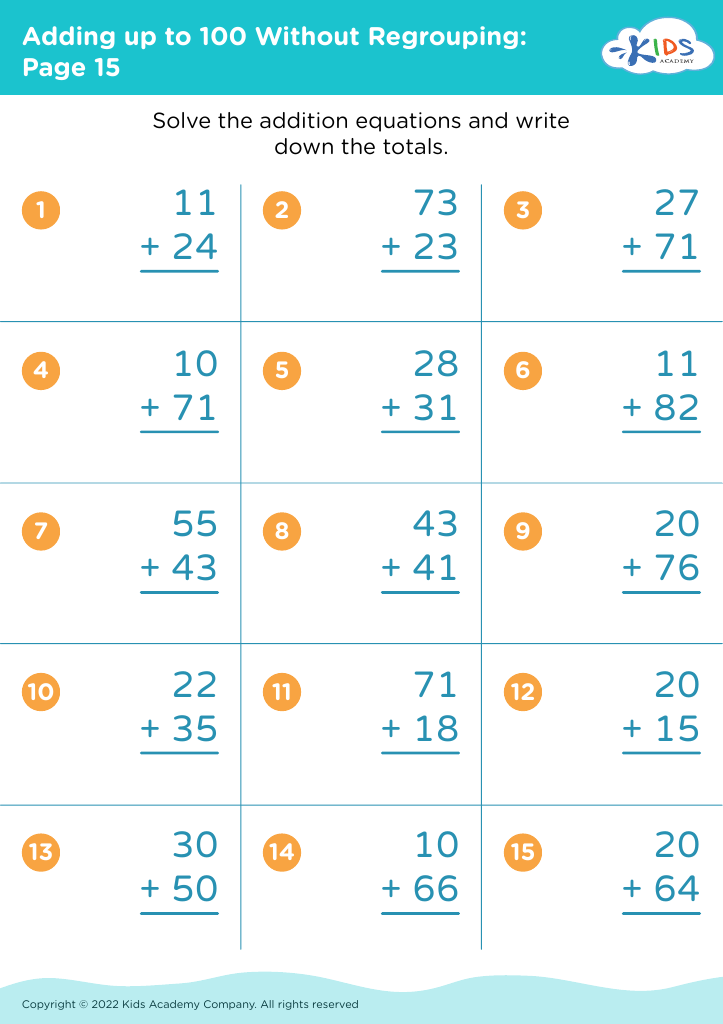
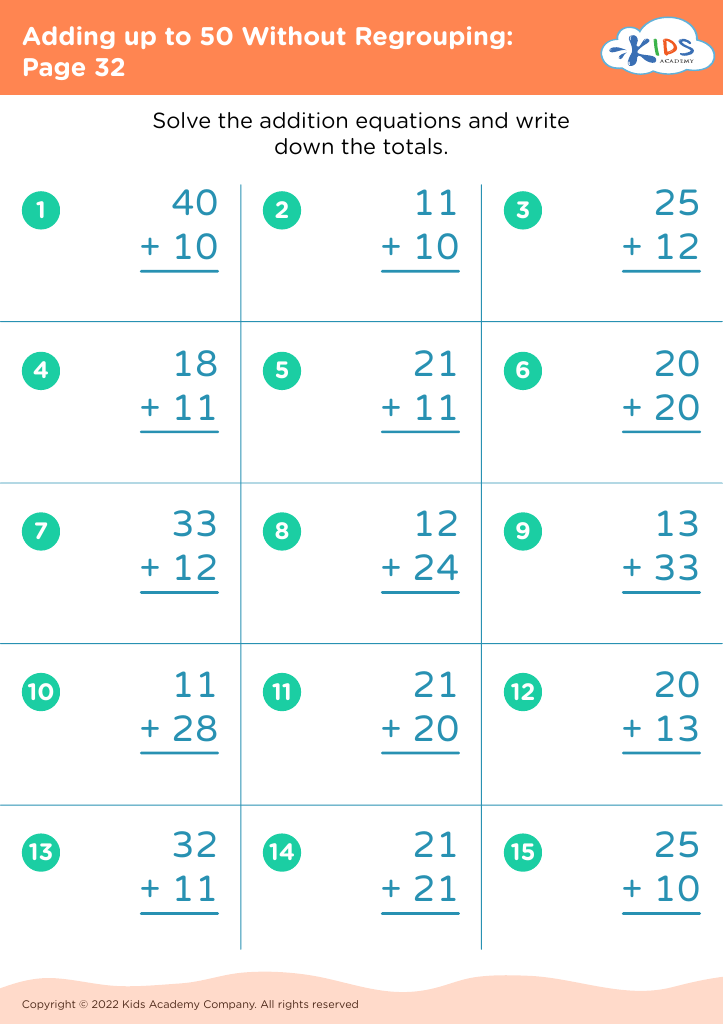
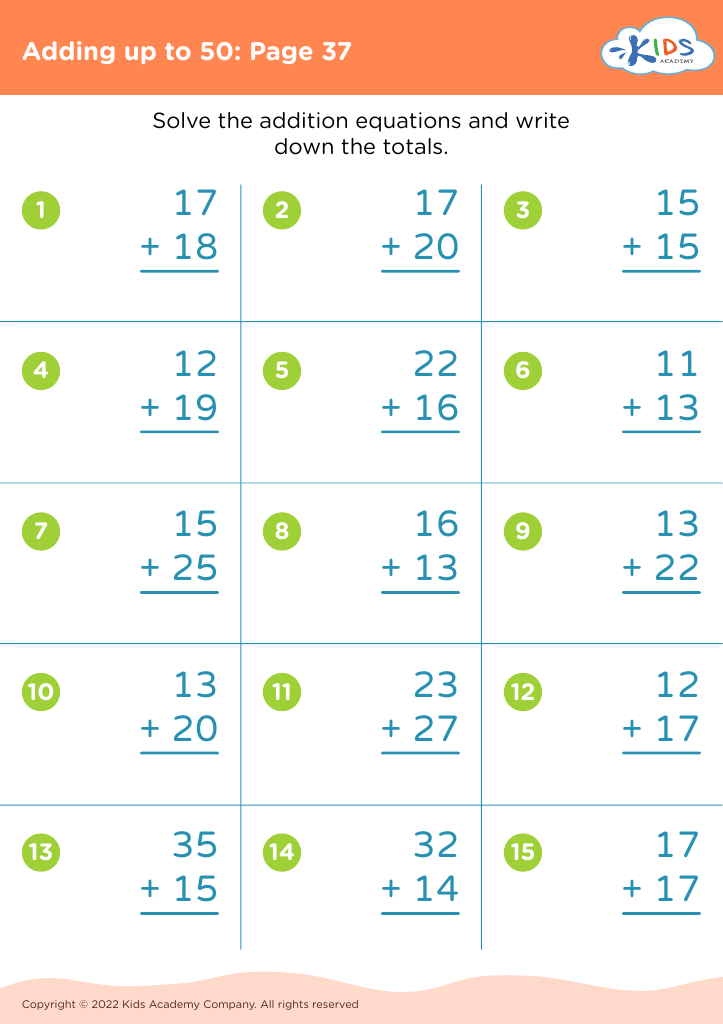
Enhance your 8-year-old's math skills with our engaging "Counting Objects Addition & Subtraction Worksheets." Designed to make learning fun, these worksheets help young students master essential arithmetic skills. Each worksheet includes vibrant illustrations and a variety of problems to solve, focusing on adding and subtracting through counting objects. Perfect for reinforcing classroom lessons or extra practice at home, these worksheets build a strong foundation in math while boosting confidence. Parents and teachers love our easy-to-use printables for their effectiveness in improving children's computational skills, critical thinking, and problem-solving abilities. Start your child's math journey today!








Counting objects, addition, and subtraction are foundational mathematical skills essential for 8-year-olds' cognitive and academic development. Mastering these basics by third grade forms the cornerstone for more complex mathematical concepts they'll encounter later on, such as multiplication, division, and fractions. When kids can fluently add and subtract, they strengthen their problem-solving abilities, critical thinking skills, and overall numerical fluency.
For parents, showing interest in their child’s mastery of these basics demonstrates care and proactive involvement in their educational success. This can foster a positive learning environment at home, encouraging deeper engagement with the subject. By practicing counting and basic arithmetic with their children, parents also strengthen family bonds through shared educational activities.
Teachers, on the other hand, play a crucial role by introducing structured approaches and utilizing engaging teaching methods. These foundational skills allow students to confidently tackle more challenging mathematics later on. A strong grasp of counting, addition, and subtraction helps minimize math anxiety, allowing students to approach problems with greater confidence in their abilities.
Overall, ensuring proficiency in these early math skills opens countless learning opportunities in everyday life and future academic pursuits, and builds resilience and perseverance when confronted with more challenging tasks.








