
Letter recognition Addition & Subtraction Worksheets for 8-Year-Olds
3 filtered results
Difficulty Level
Grade
Age
-
From - To
Subject
Activity
Standards
Enhance your 8-year-old's math and literacy skills with our engaging Letter Recognition Addition & Subtraction Worksheets! These interactive resources seamlessly combine the fundamentals of math with letter recognition, helping young learners identify letters while solving addition and subtraction problems. Packed with colorful illustrations and fun activities, these worksheets make learning enjoyable and effective. Perfect for reinforcing key concepts in a playful way, children will develop their problem-solving abilities and boost their confidence. Ideal for home or classroom use, our worksheets provide the perfect balance between education and fun, creating a strong foundation for future academic success. Try them today!
Favorites
With answer key
Interactive
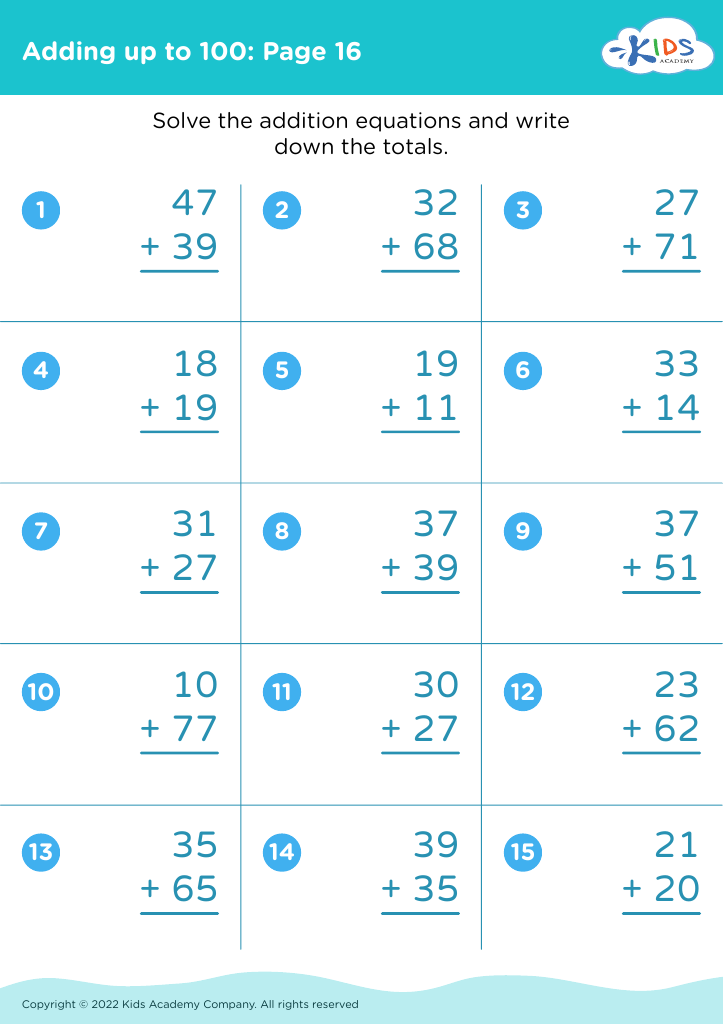
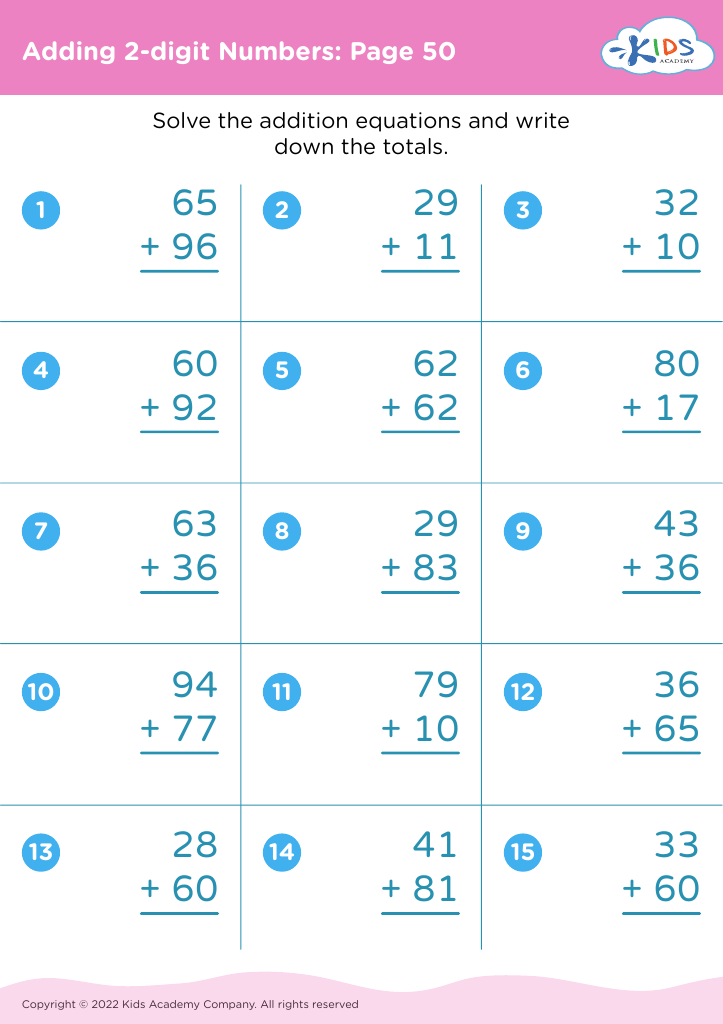
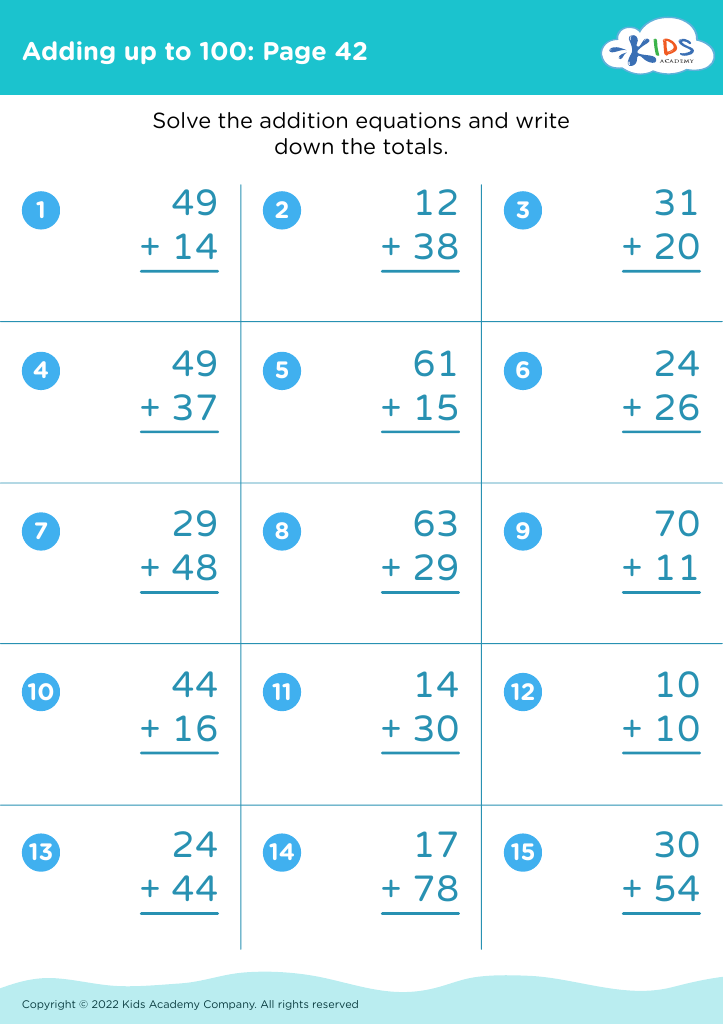
Join Kids Academy for Free
Who is primarily going to use this learning content?








Letter recognition and basic math skills like addition and subtraction are critical for 8-year-olds, laying the groundwork for their future academic success. At this age, students are transitioning from learning to read to reading to learn. Mastery of letter recognition not only fosters reading fluency but also enhances vocabulary, which is crucial for comprehension across all subjects. When children can identify letters confidently, they build a stronger foundation for critical thinking and communication skills.
Similarly, proficiency in addition and subtraction is vital in developing numeracy skills, which are essential for problem-solving and logical reasoning. These foundational math concepts enable children to tackle more complex equations and real-world mathematics they will face in later grades. By understanding these basic operations, children become more confident in their abilities and are prepared to confront future mathematical challenges.
Additionally, mastering these skills can promote a positive attitude toward learning. When parents and teachers actively encourage letter recognition and math fluency, they not only support cognitive development but also foster a sense of accomplishment in children. This encouragement helps build resilience, instilling in them the belief that they can succeed academically, enhancing their overall educational experience. Prioritizing these skills is essential for nurturing well-rounded, capable learners.








