Understanding fractions Addition & Subtraction Worksheets for 8-Year-Olds - Page 4

Check out this FREE Trial Lesson on Addition & Subtraction for age 8!

T

Favorites
With answer key
Interactive
  • 8
  • Understanding fractions
  • Addition & Subtraction
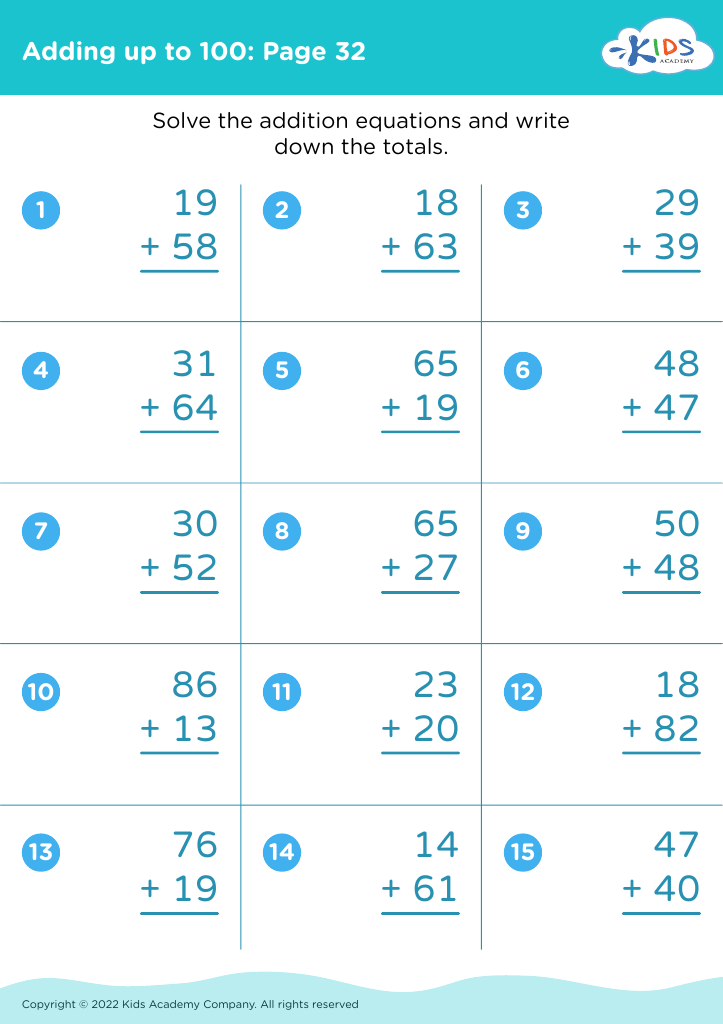
Adding up to 100: Page 32

Adding up to 100: Page 32

Adding up to 100: Page 32
Worksheet
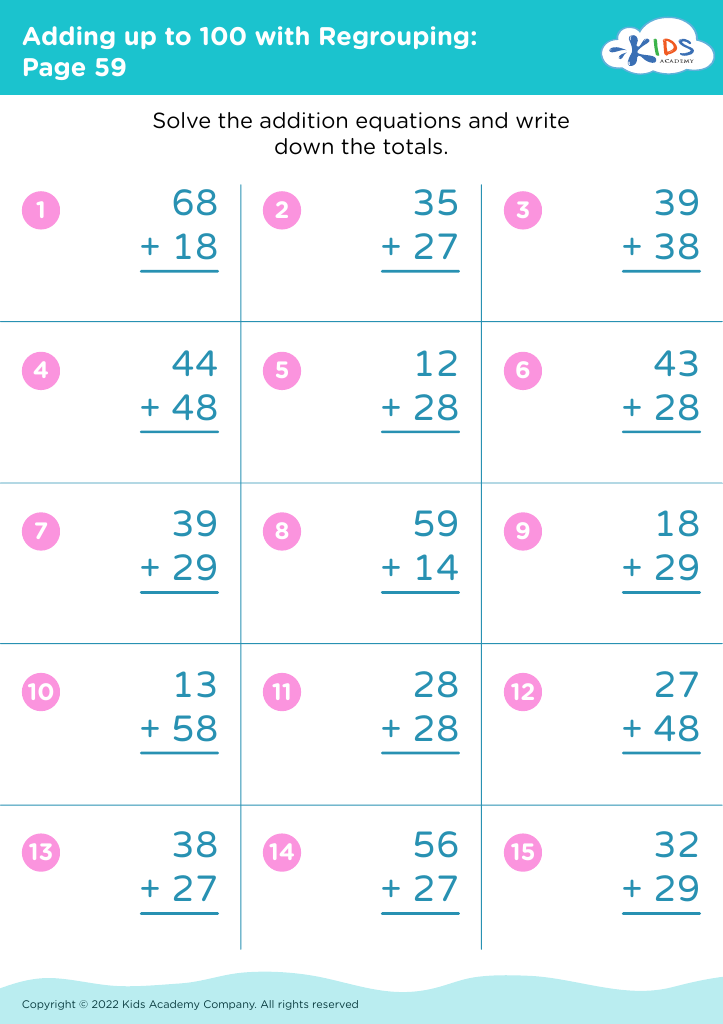
Adding up to 100 with Regrouping: Page 59
Worksheet
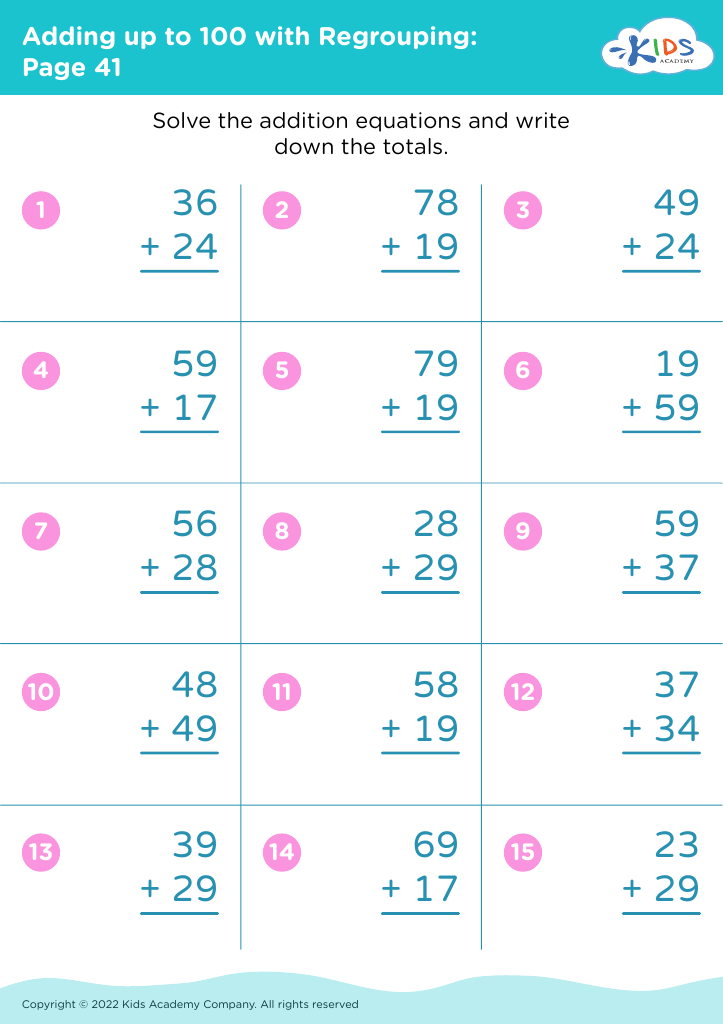
Adding up to 100 with Regrouping: Page 41
Worksheet
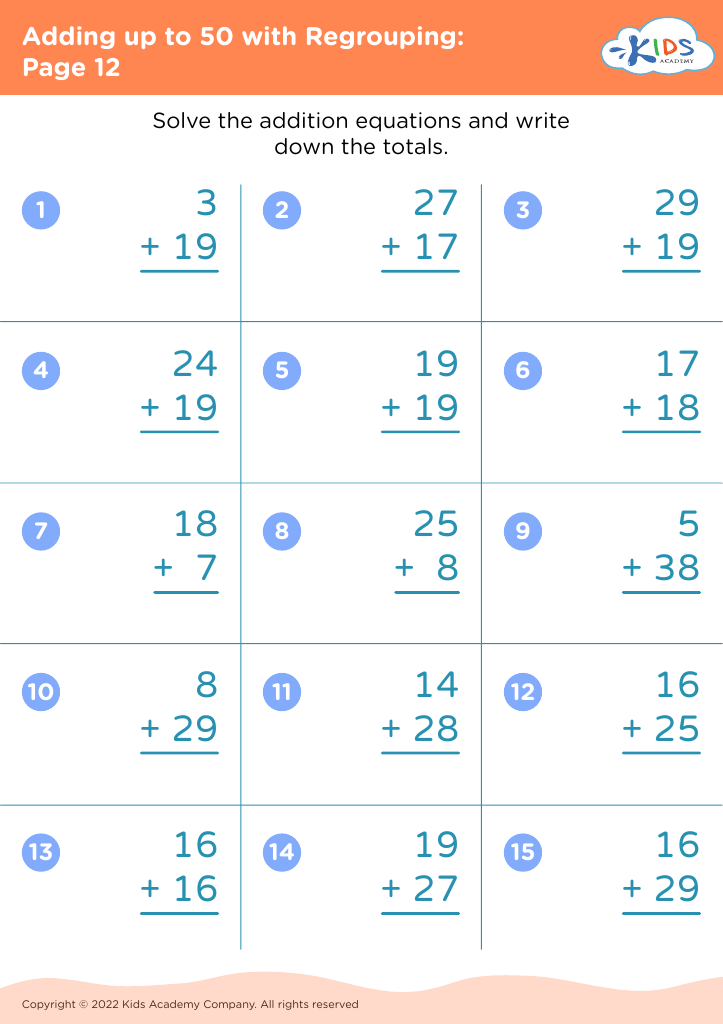
Adding up to 50 with Regrouping: Page 12
Worksheet
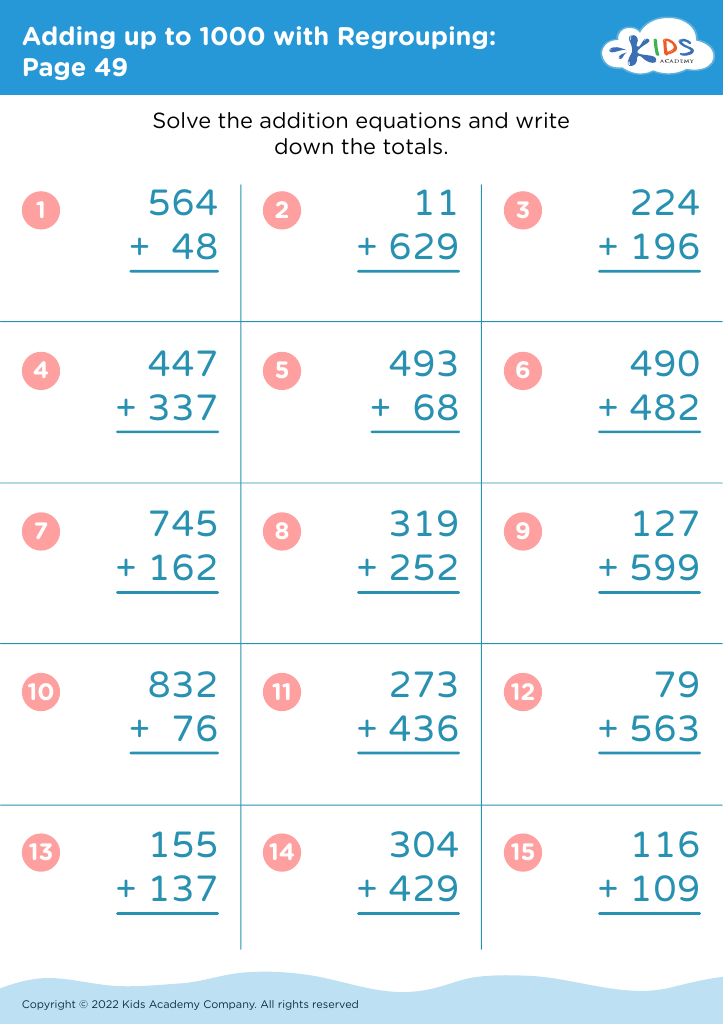
Adding up to 1000 with Regrouping: Page 49
Worksheet
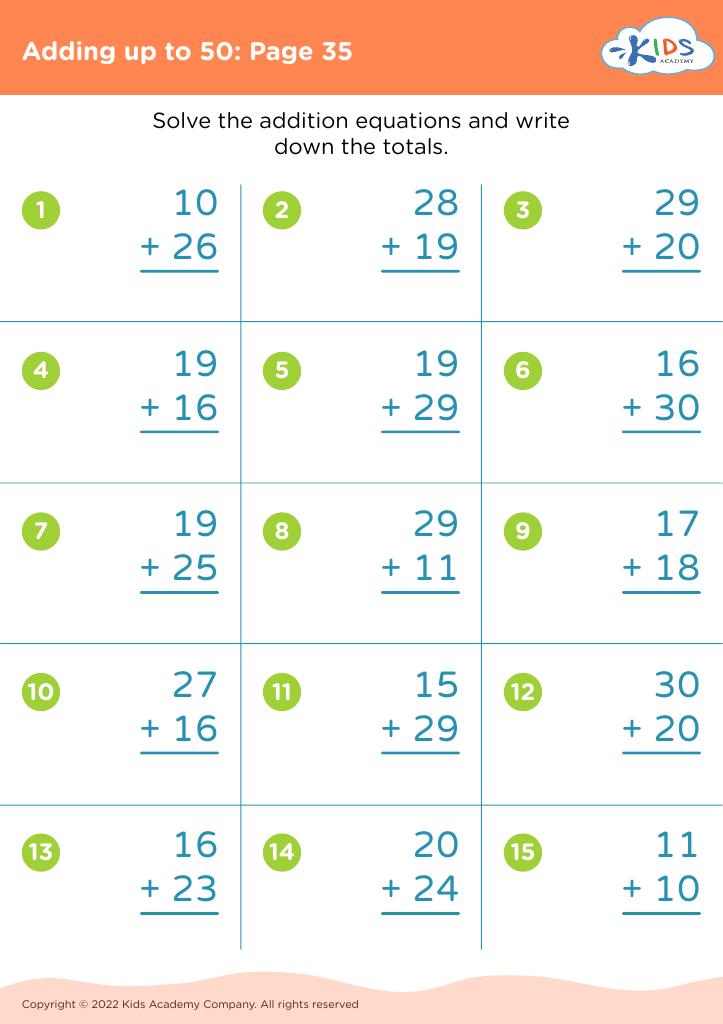
Adding up to 50: Page 35

Adding up to 50: Page 35

Adding up to 50: Page 35
Worksheet
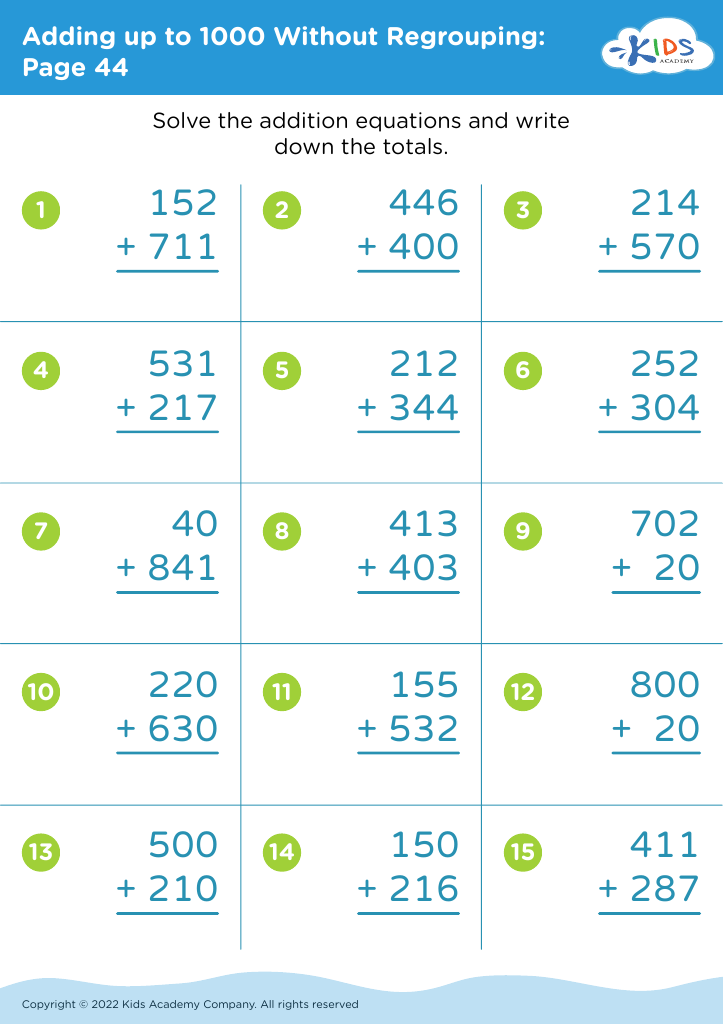
Adding up to 1000 Without Regrouping: Page 44
Worksheet
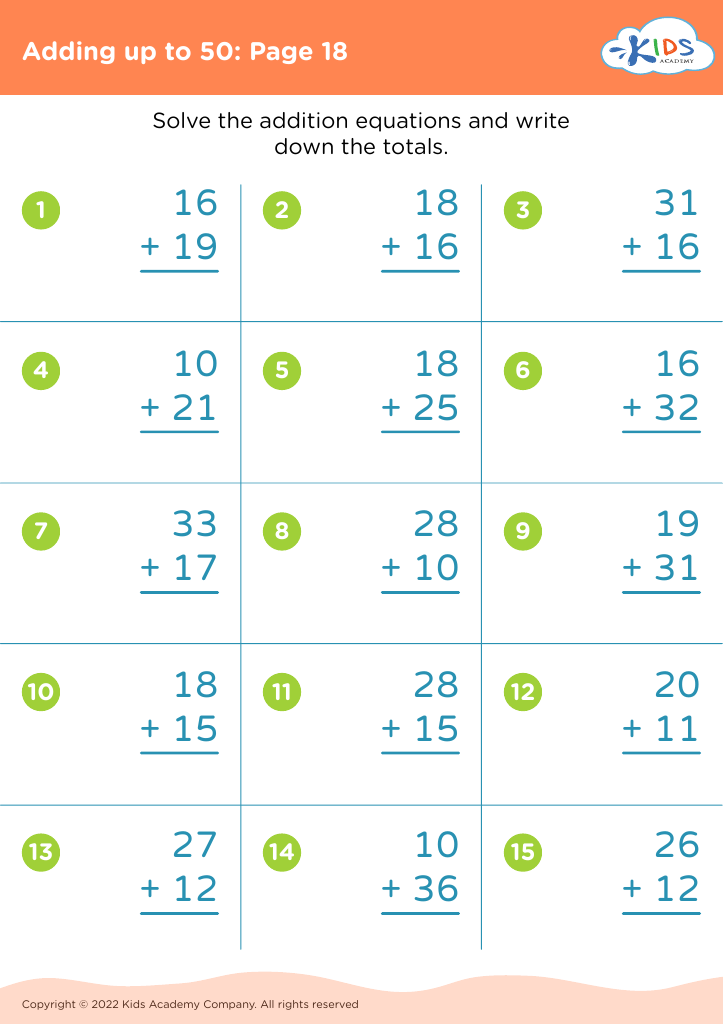
Adding up to 50: Page 18

Adding up to 50: Page 18

Adding up to 50: Page 18
Worksheet
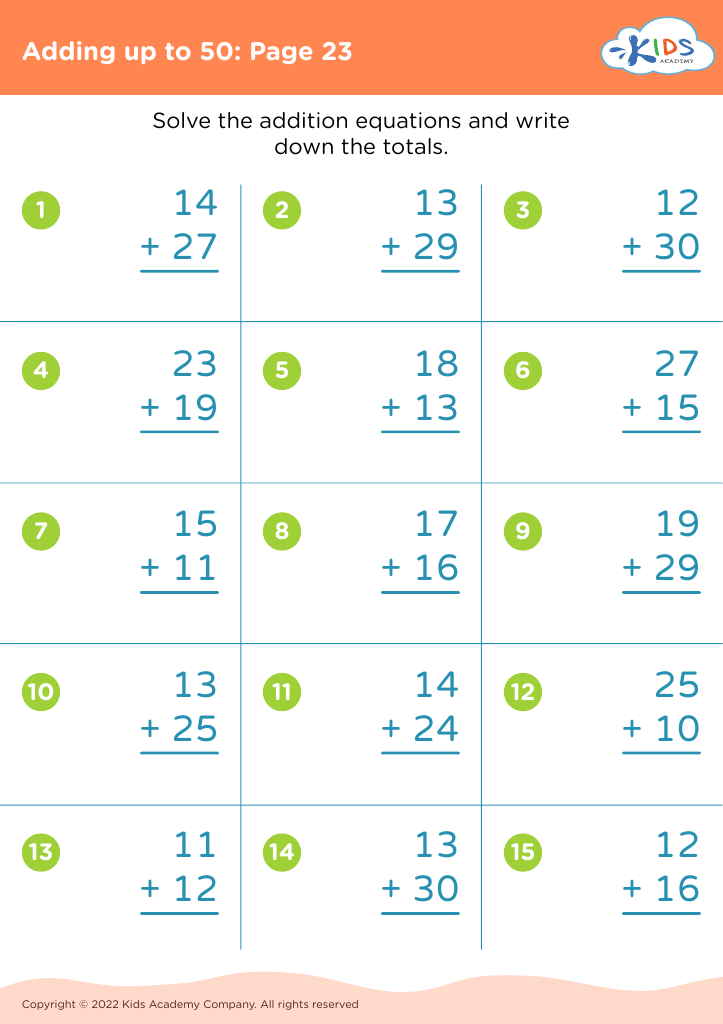
Adding up to 50: Page 23

Adding up to 50: Page 23

Adding up to 50: Page 23
Worksheet
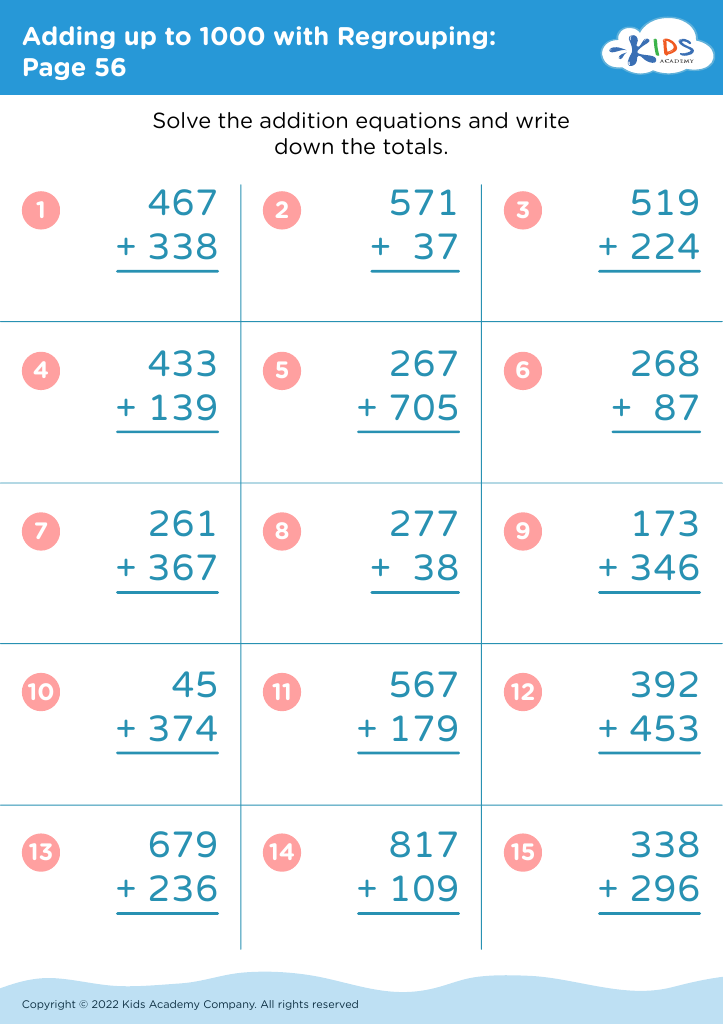
Adding up to 1000 with Regrouping: Page 56
Worksheet
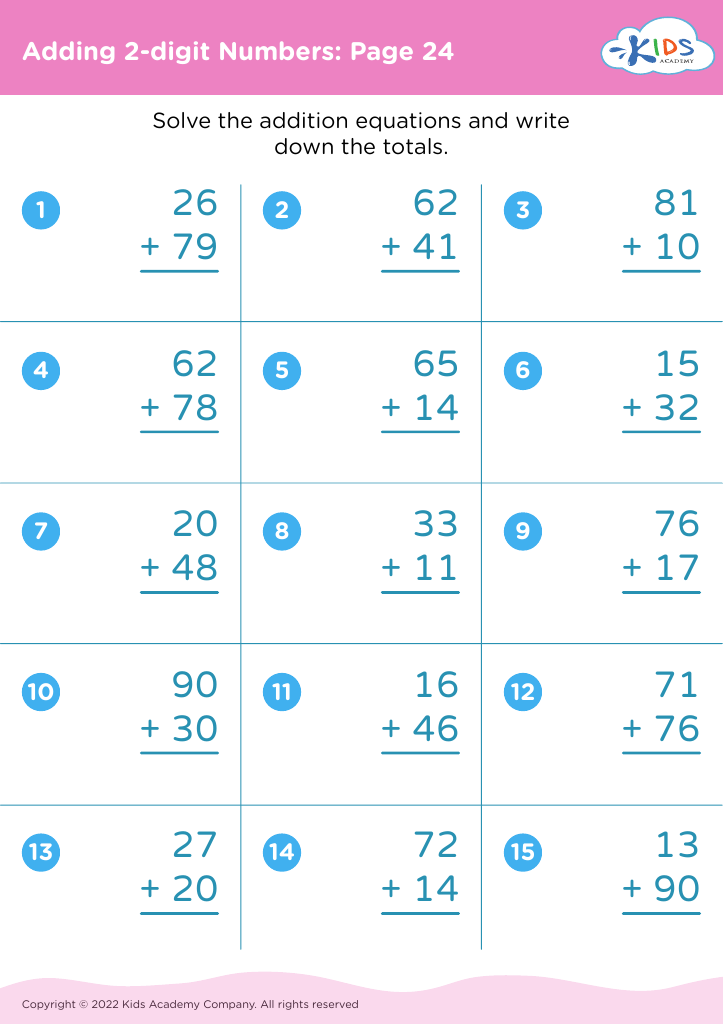
Adding 2-digit Numbers: Page 24

Adding 2-digit Numbers: Page 24

Adding 2-digit Numbers: Page 24
Worksheet
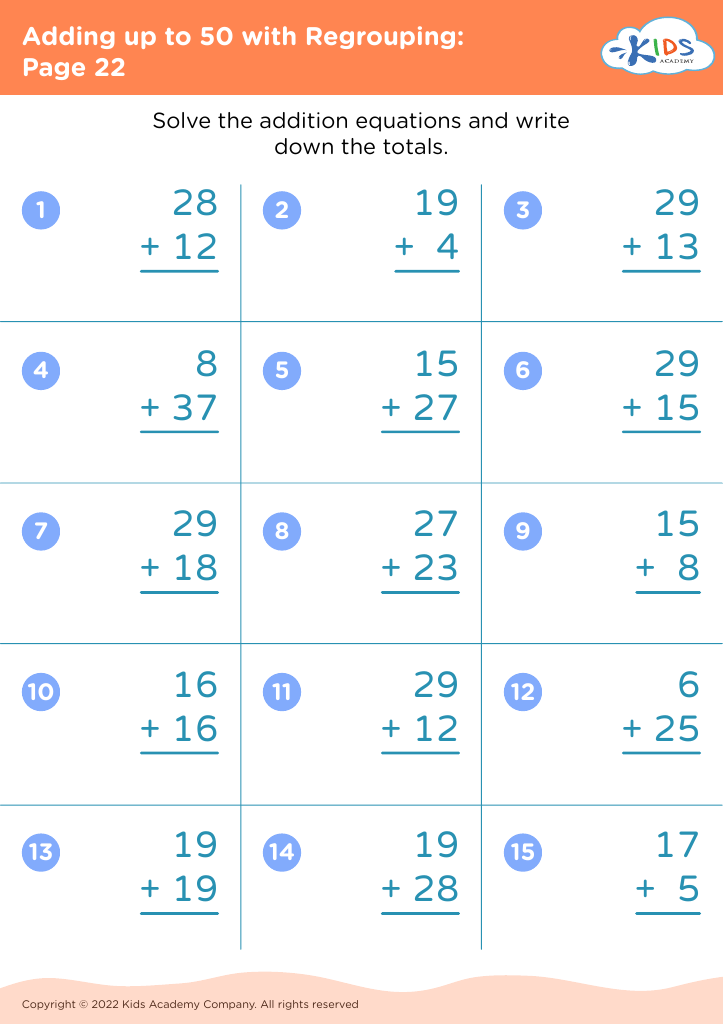
Adding up to 50 with Regrouping: Page 22
Worksheet
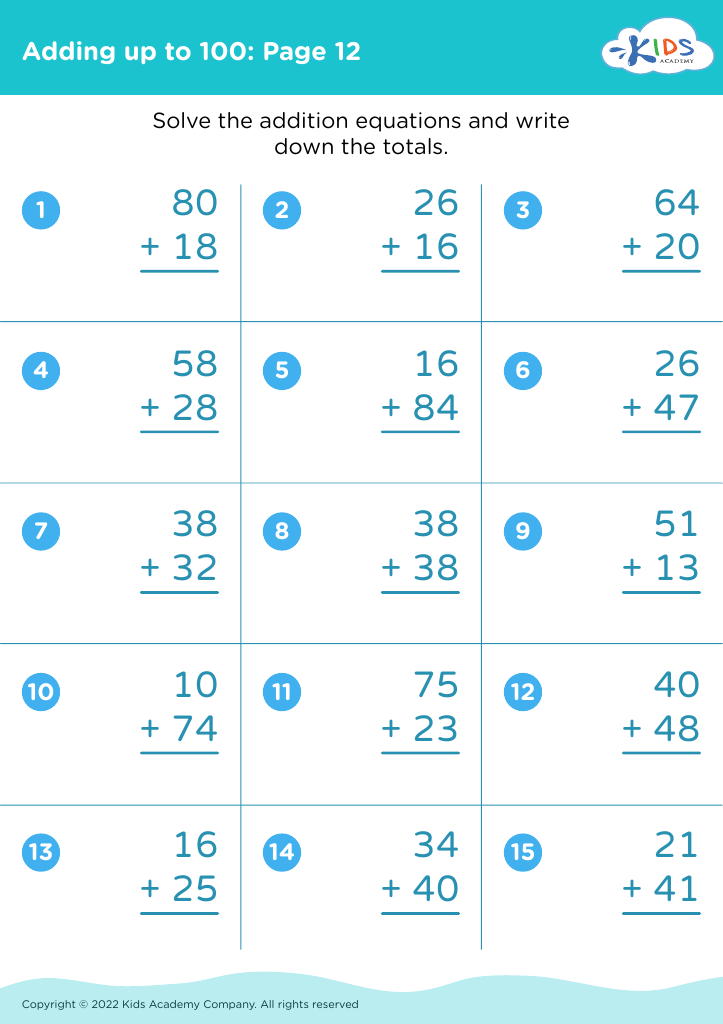
Adding up to 100: Page 12

Adding up to 100: Page 12

Adding up to 100: Page 12
Worksheet
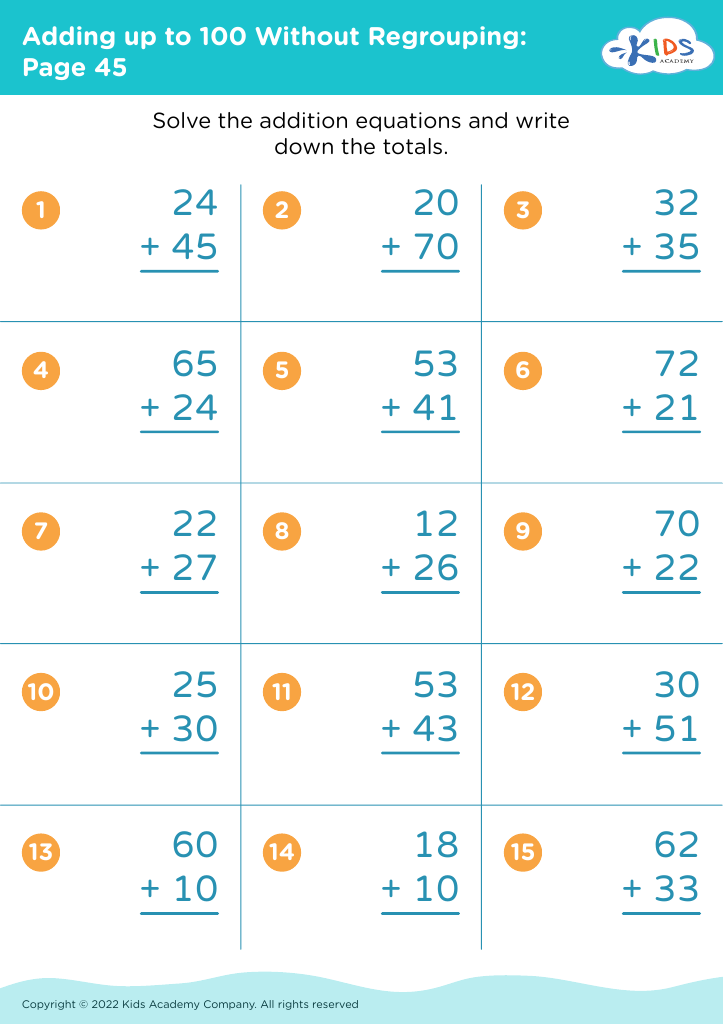
Adding up to 100 Without Regrouping: Page 45
Worksheet
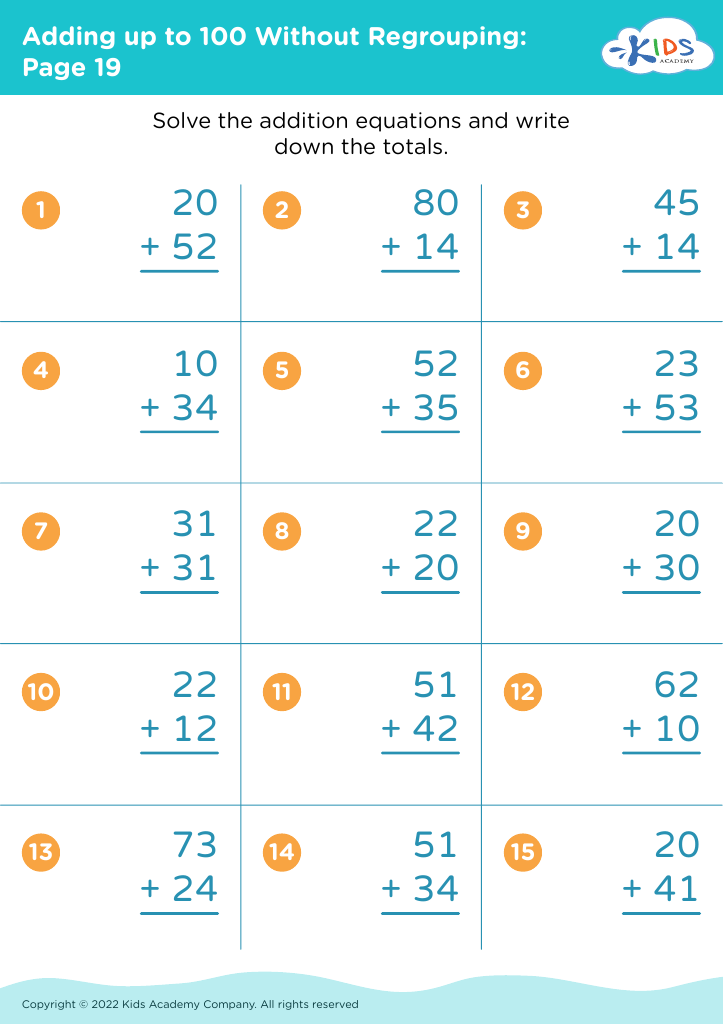
Adding up to 100 Without Regrouping: Page 19
Worksheet
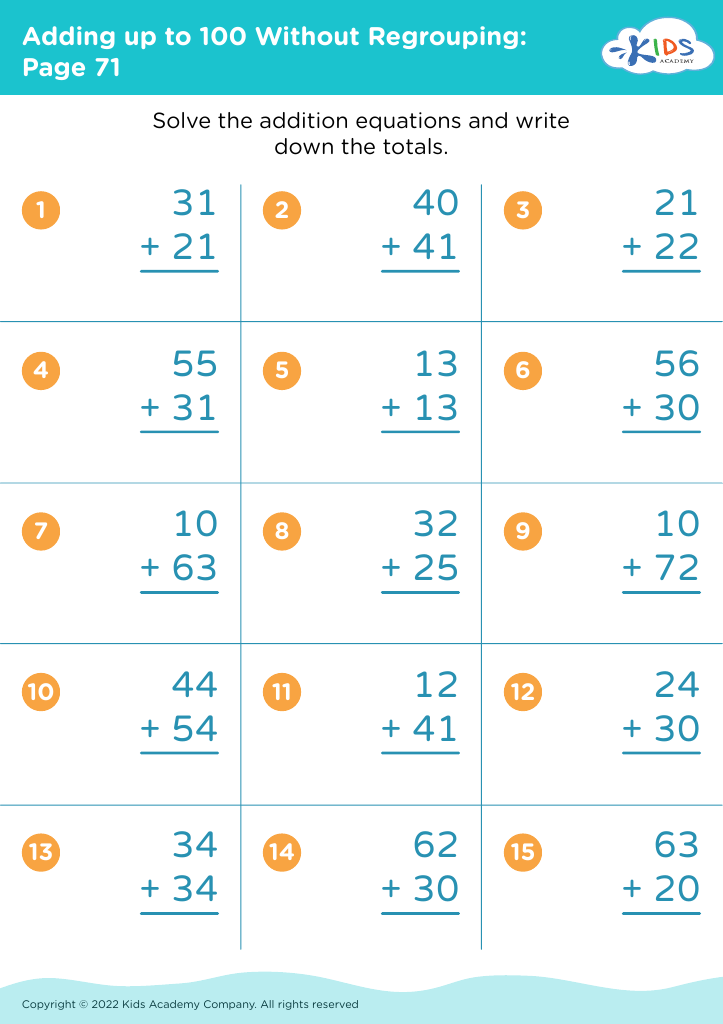
Adding up to 100 Without Regrouping: Page 71
Worksheet
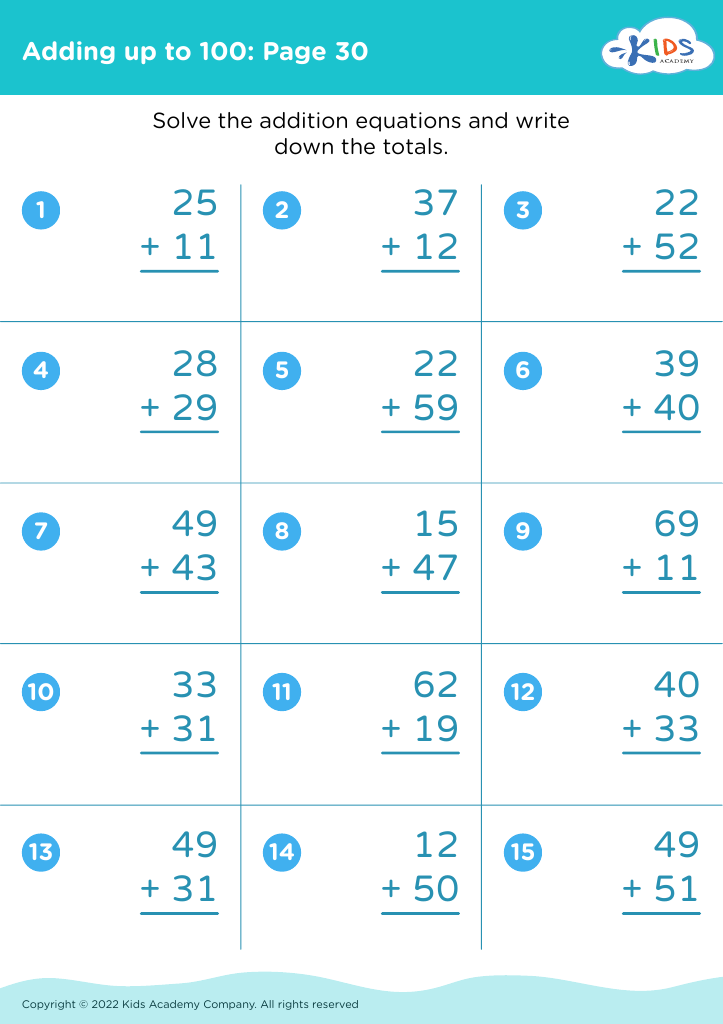
Adding up to 100: Page 30

Adding up to 100: Page 30

Adding up to 100: Page 30
Worksheet
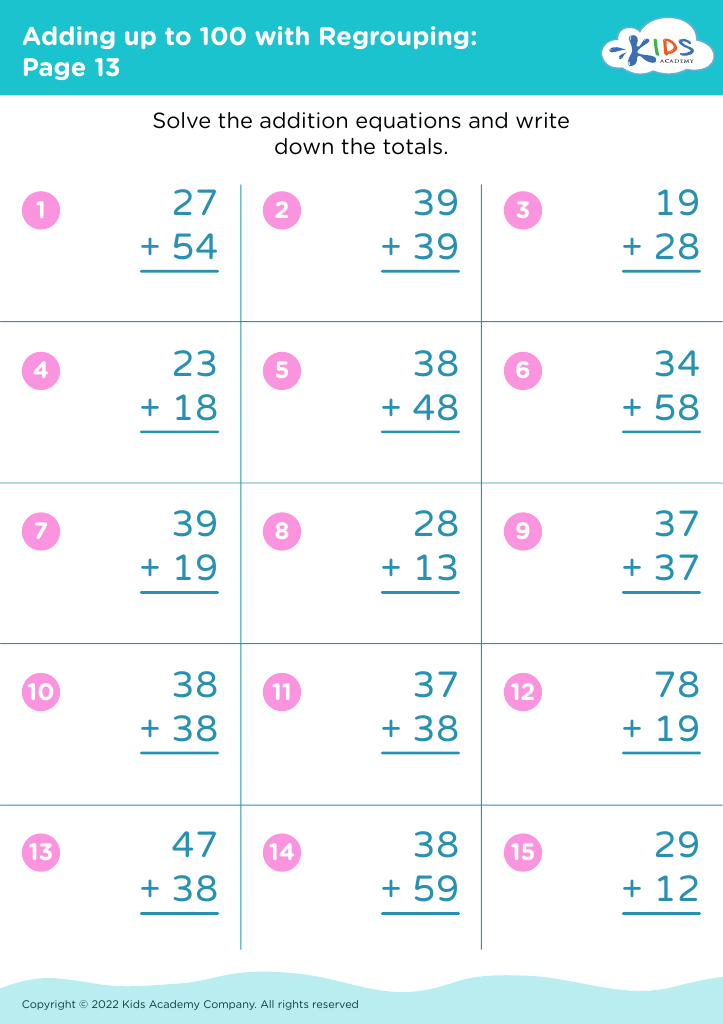
Adding up to 100 with Regrouping: Page 13
Worksheet
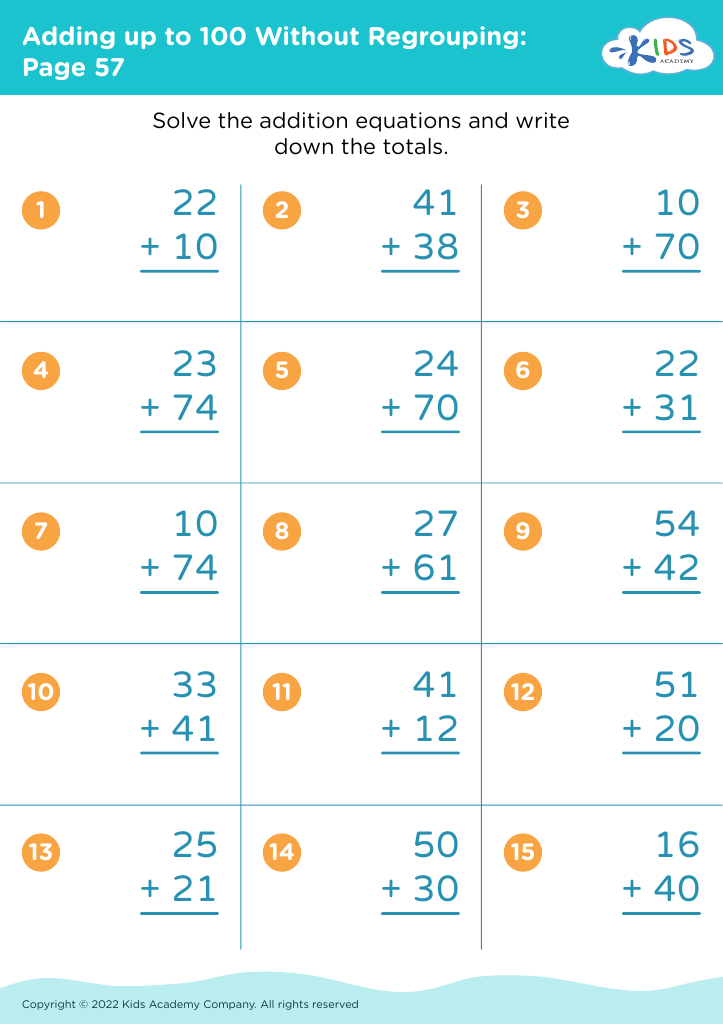
Adding up to 100 Without Regrouping: Page 57
Worksheet
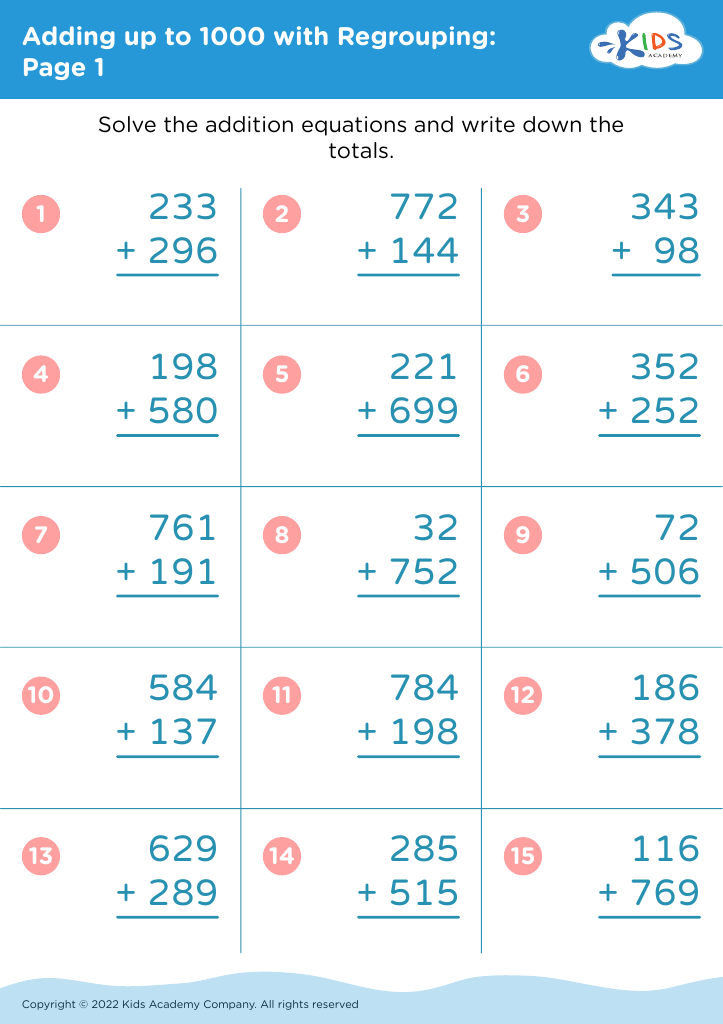
Adding up to 1000 with Regrouping: Page 1
Worksheet
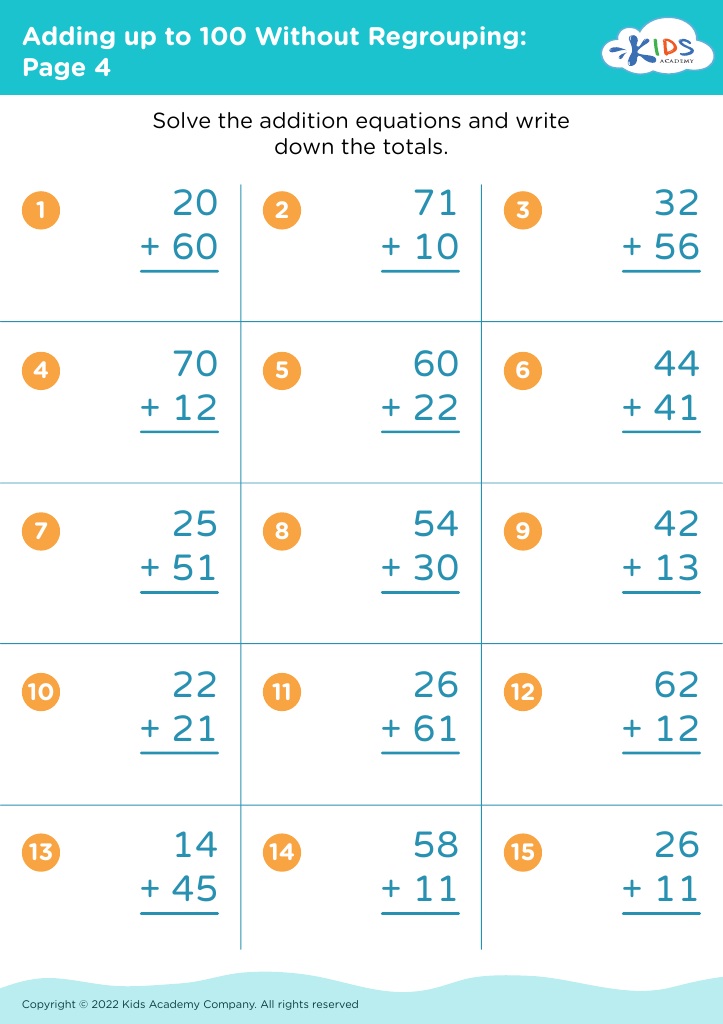
Adding up to 100 Without Regrouping: Page 4
Worksheet
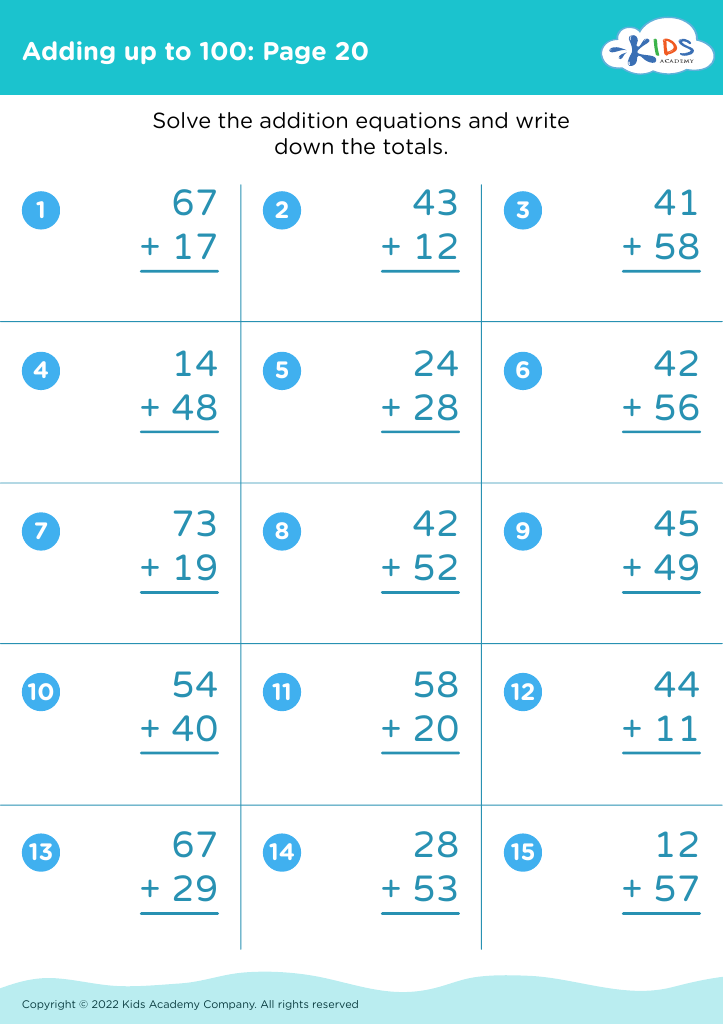
Adding up to 100: Page 20

Adding up to 100: Page 20

Adding up to 100: Page 20
Worksheet
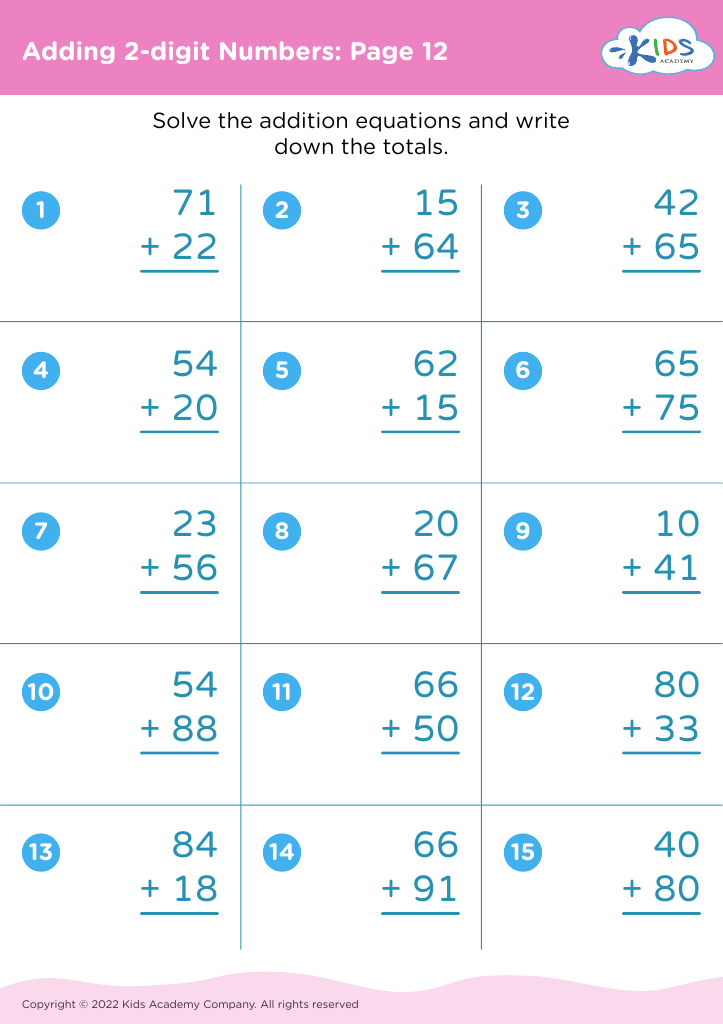
Adding 2-digit Numbers: Page 12

Adding 2-digit Numbers: Page 12

Adding 2-digit Numbers: Page 12
Worksheet
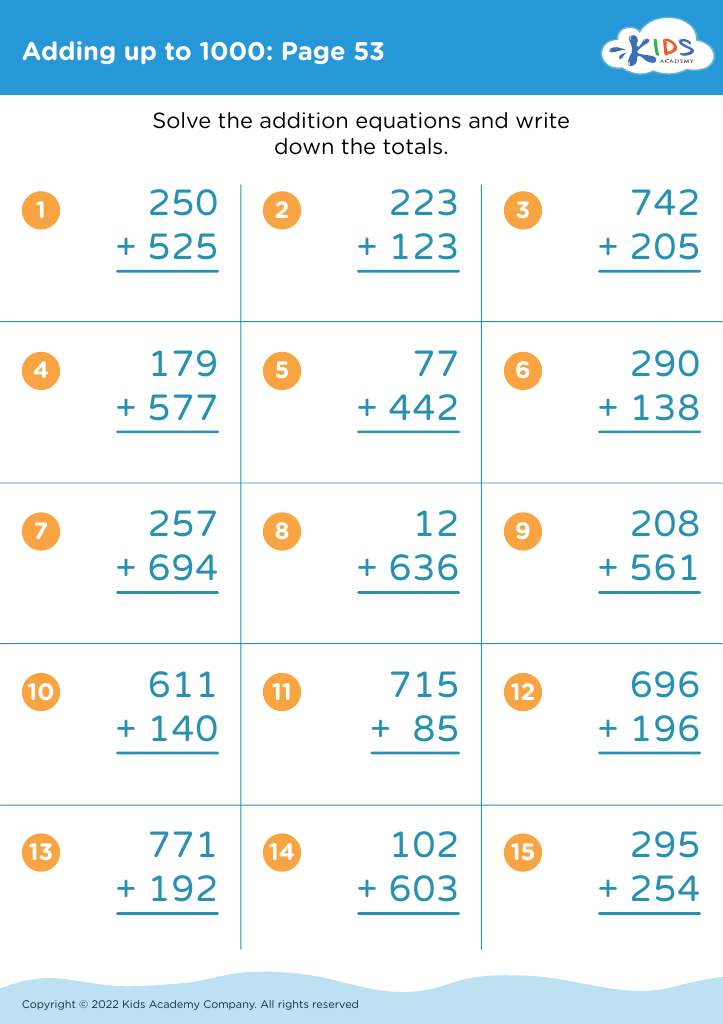
Adding up to 1000: Page 53

Adding up to 1000: Page 53

Adding up to 1000: Page 53
Worksheet


Understanding fractions, particularly addition and subtraction, is crucial for 8-year-olds as it forms the foundation for more complex mathematical concepts they will encounter later. At this age, children are beginning to make sense of how parts relate to a whole, which nurtures critical thinking and problem-solving skills.

Fractions are not only essential in math but also relevant in everyday life. When kids help in the kitchen by measuring ingredients or share food with friends, they encounter fractions naturally. This practical application makes learning meaningful, enhancing their engagement and understanding.

Teaching addition and subtraction of fractions equips children with the necessary tools to tackle challenges that require combining or comparing parts of different wholes. It fosters mathematical fluency and the ability to reason mathematically, which are vital skills for academic success.

Moreover, understanding fractions improves students' confidence in their math abilities, promoting a positive attitude toward learning mathematics as they progress in their education. Parents and teachers should care about this foundational skill as it not only contributes to a child's academic growth but also cultivates lifelong learning habits essential for personal and intellectual development.