Filters

56 filtered results

Clear all filters
Favorites
With answer key
Interactive

56 filtered results

Difficulty Level

Grade


Check out this FREE Trial Lesson on Addition for age 8!

My Family

Favorites
With answer key
Interactive
  • 8
  • Fraction simplification
  • Addition
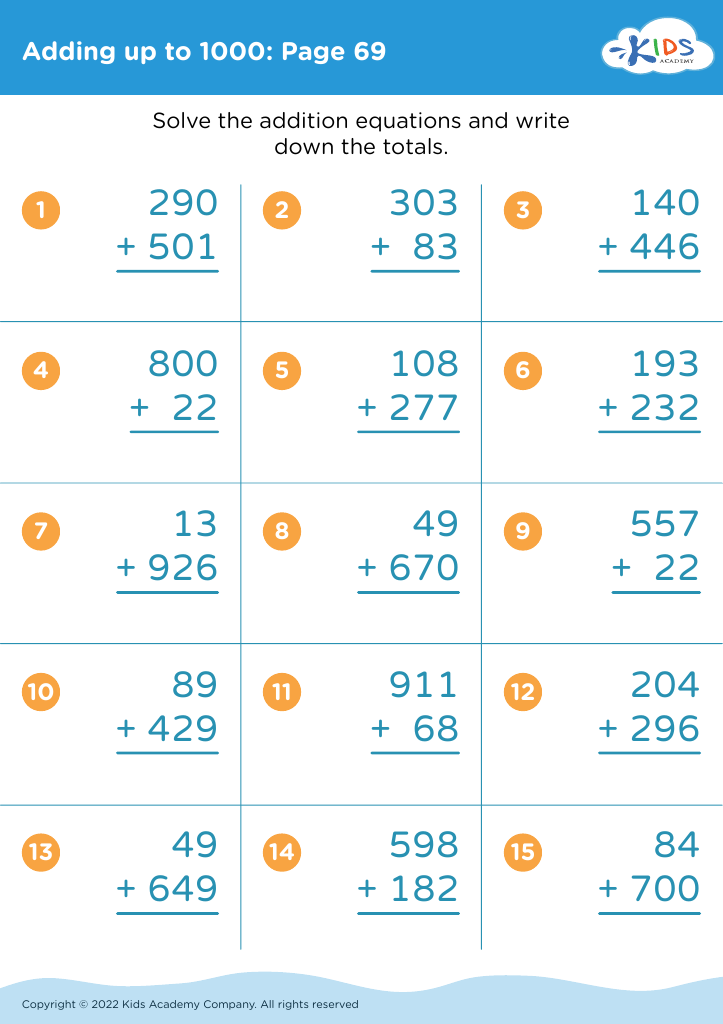
Adding up to 1000: Page 69

Adding up to 1000: Page 69

Adding up to 1000: Page 69
Worksheet
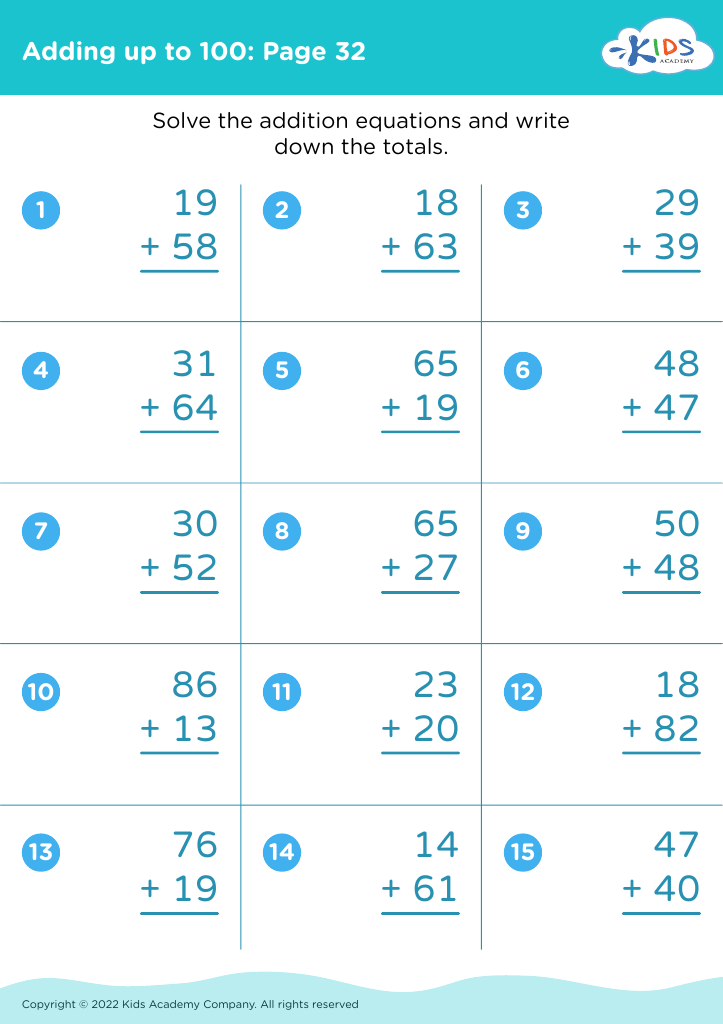
Adding up to 100: Page 32

Adding up to 100: Page 32

Adding up to 100: Page 32
Worksheet
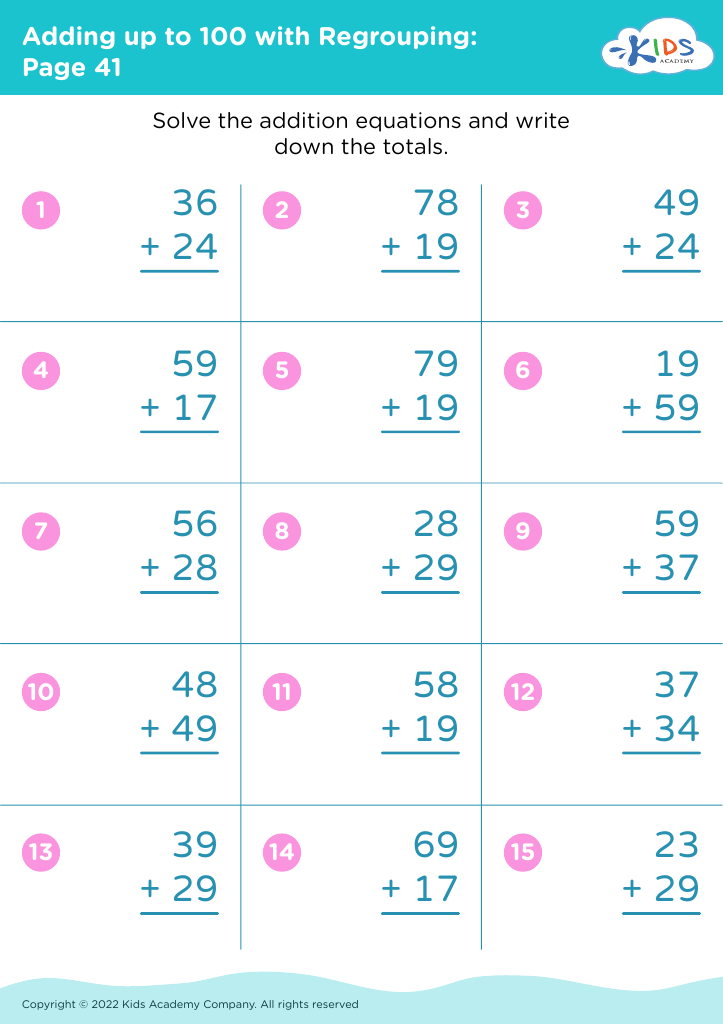
Adding up to 100 with Regrouping: Page 41
Worksheet
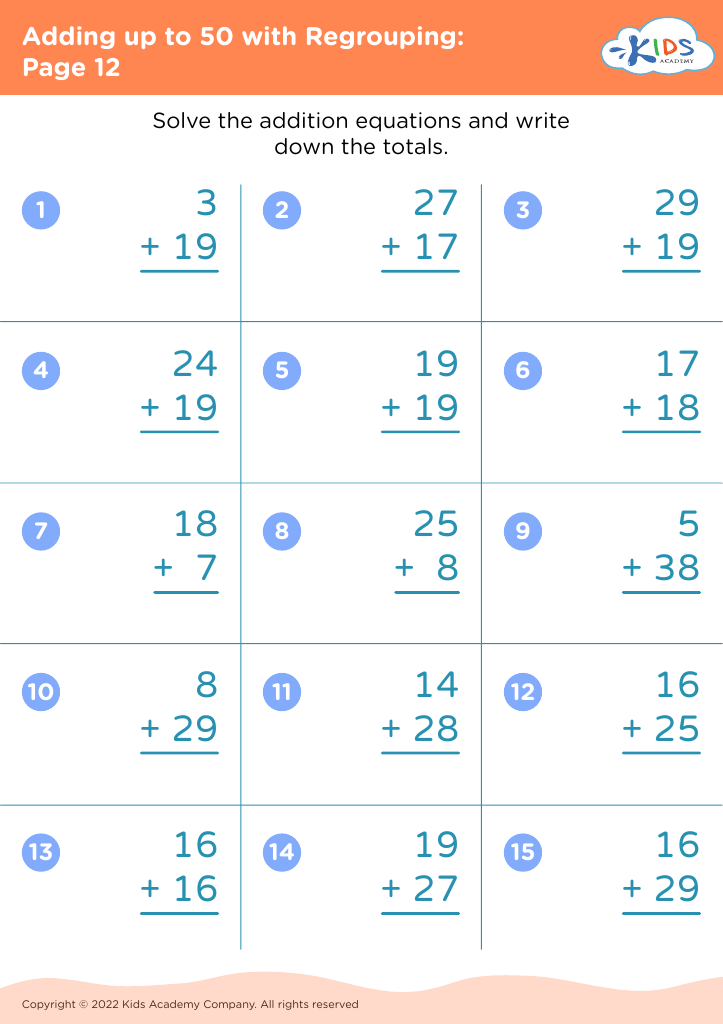
Adding up to 50 with Regrouping: Page 12
Worksheet
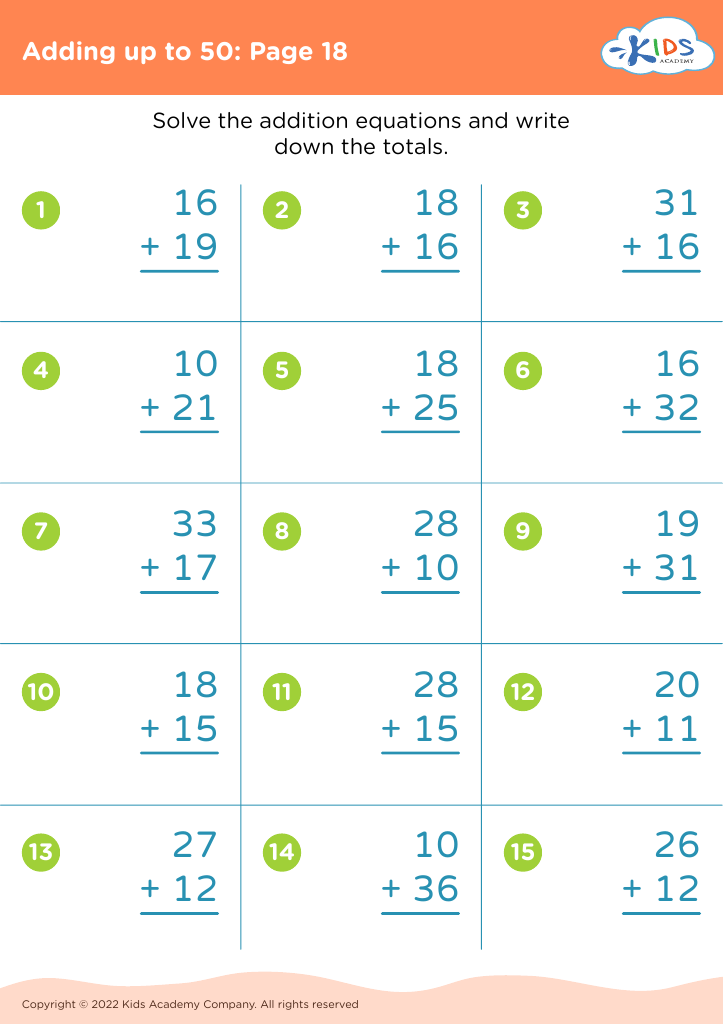
Adding up to 50: Page 18

Adding up to 50: Page 18

Adding up to 50: Page 18
Worksheet
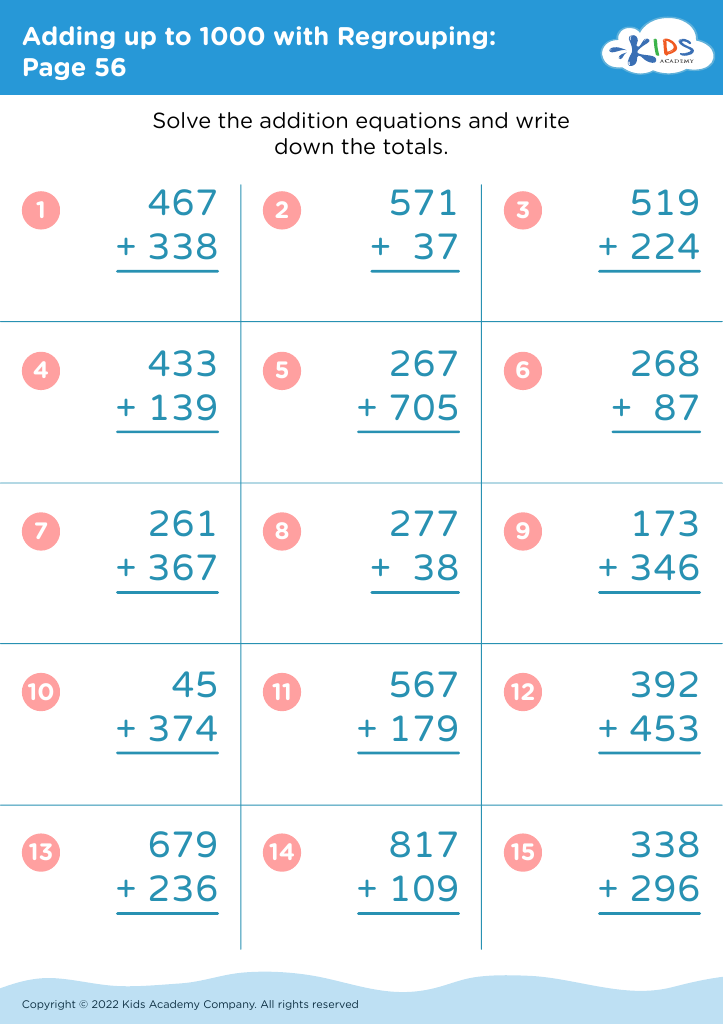
Adding up to 1000 with Regrouping: Page 56
Worksheet
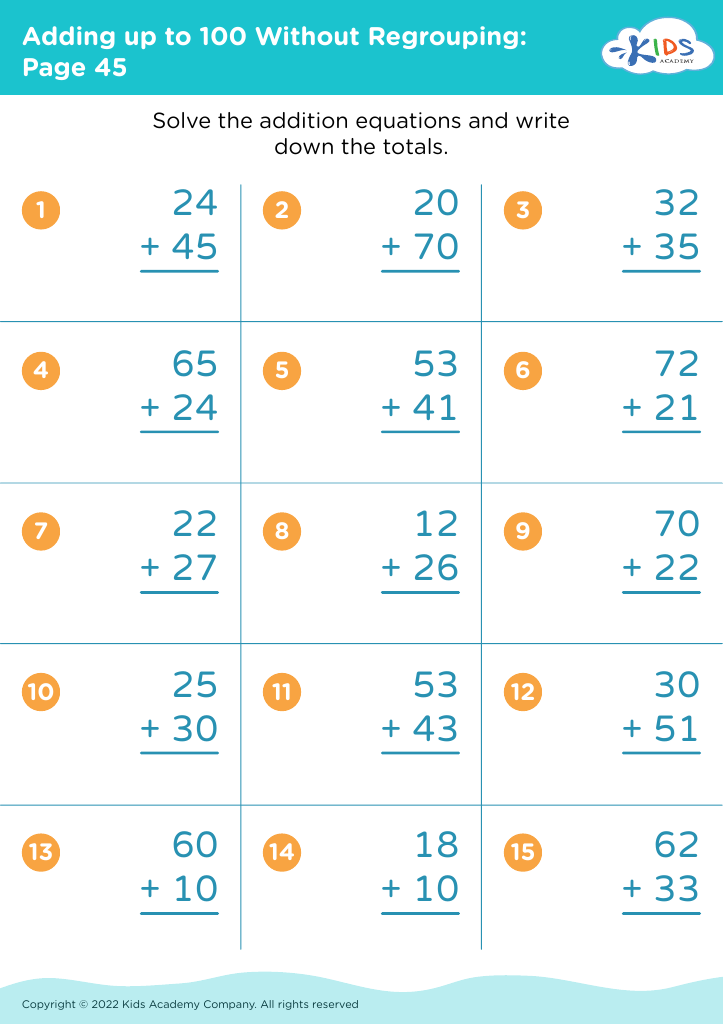
Adding up to 100 Without Regrouping: Page 45
Worksheet
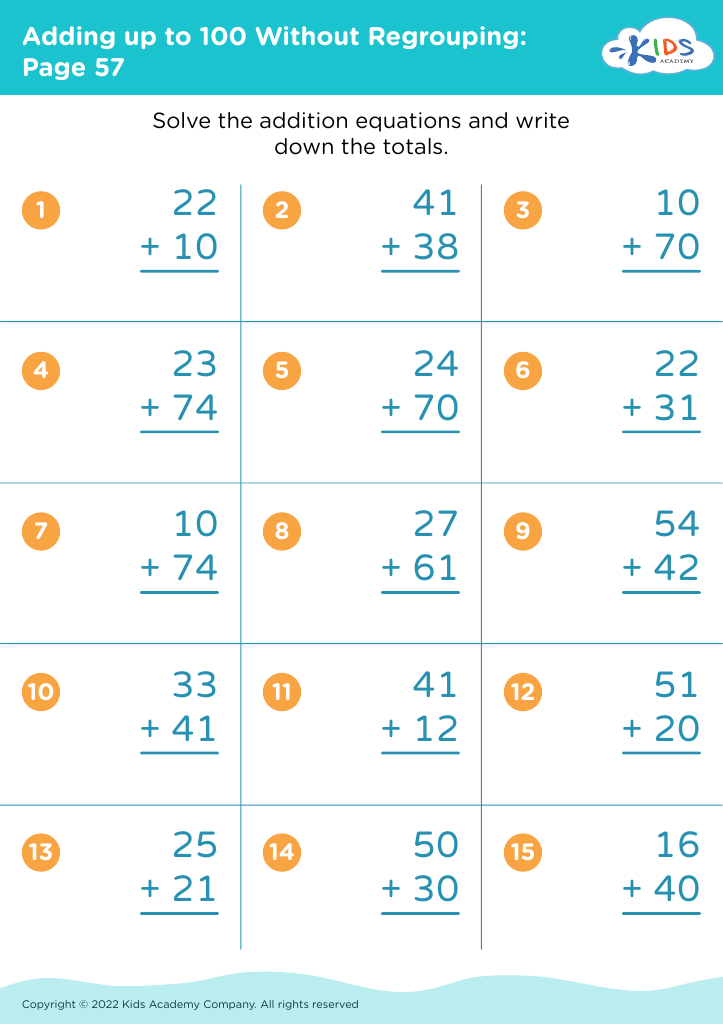
Adding up to 100 Without Regrouping: Page 57
Worksheet
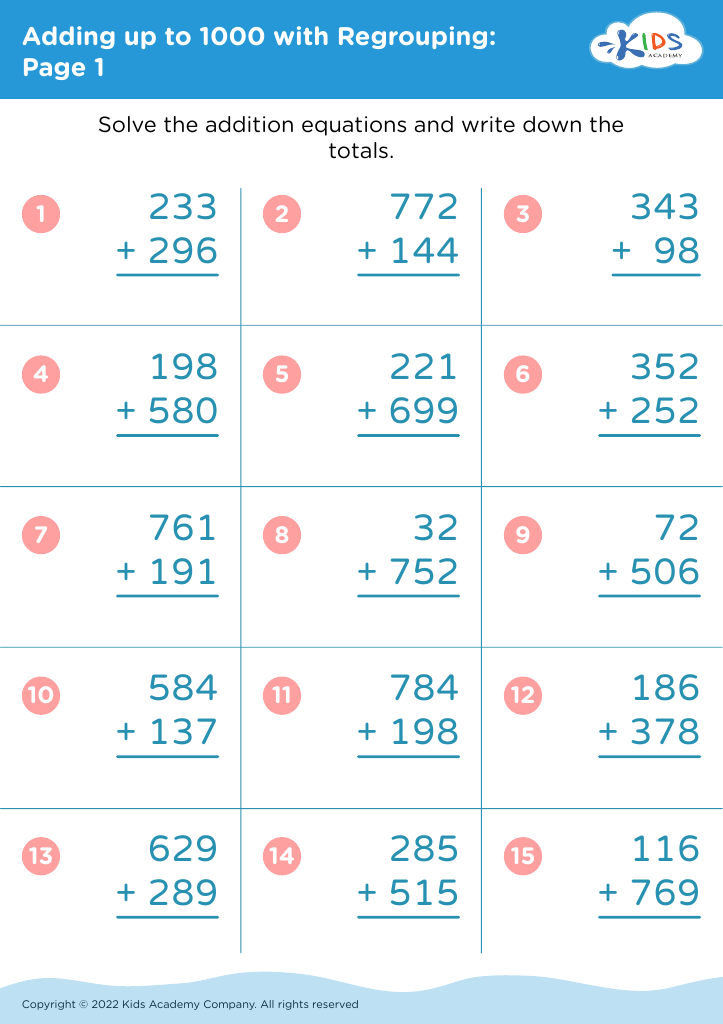
Adding up to 1000 with Regrouping: Page 1
Worksheet
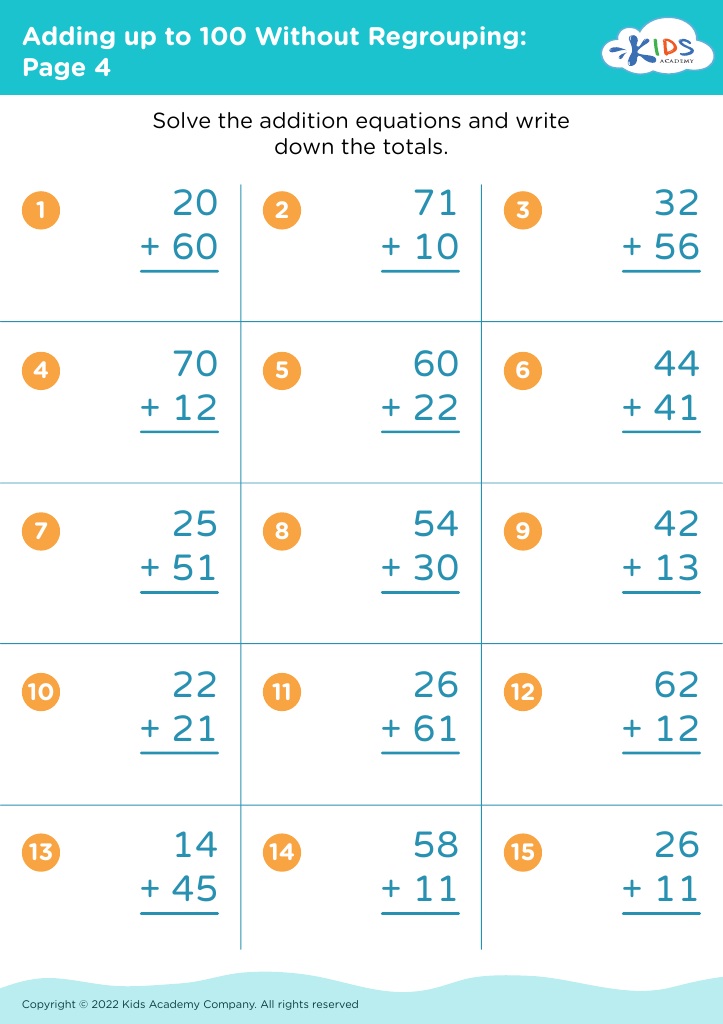
Adding up to 100 Without Regrouping: Page 4
Worksheet
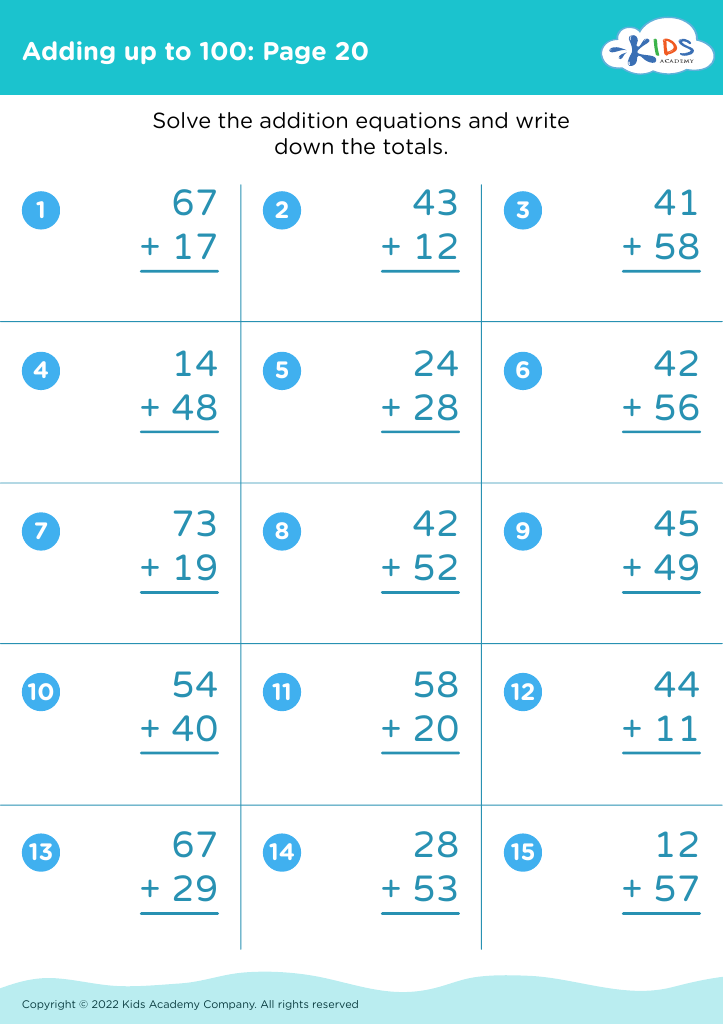
Adding up to 100: Page 20

Adding up to 100: Page 20

Adding up to 100: Page 20
Worksheet
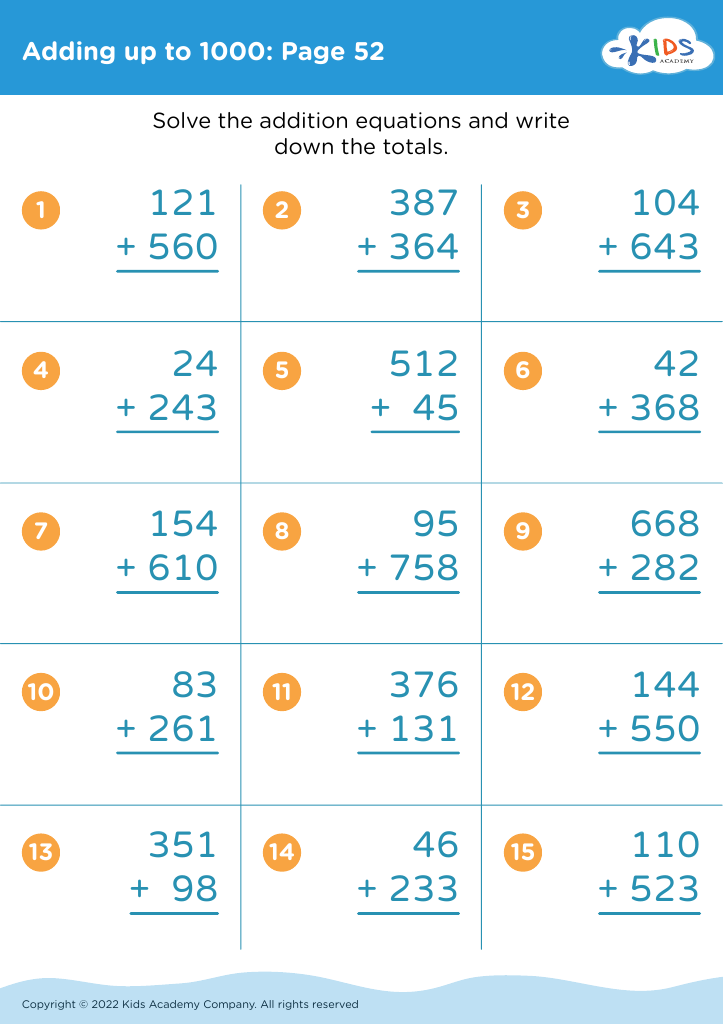
Adding up to 1000: Page 52

Adding up to 1000: Page 52

Adding up to 1000: Page 52
Worksheet
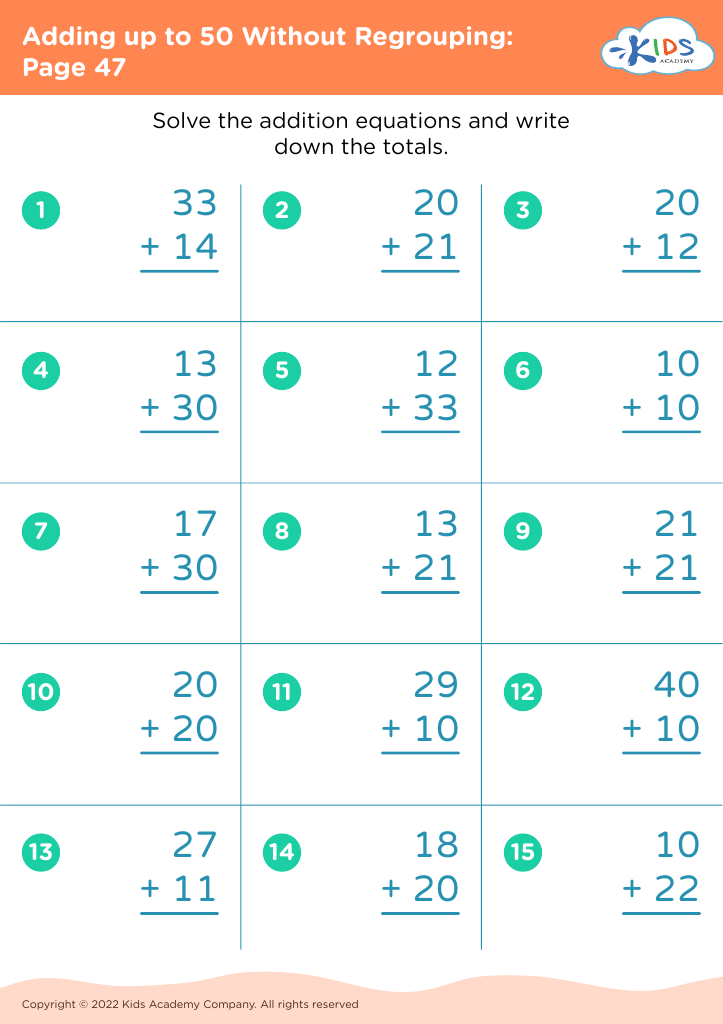
Adding up to 50 Without Regrouping: Page 47
Worksheet
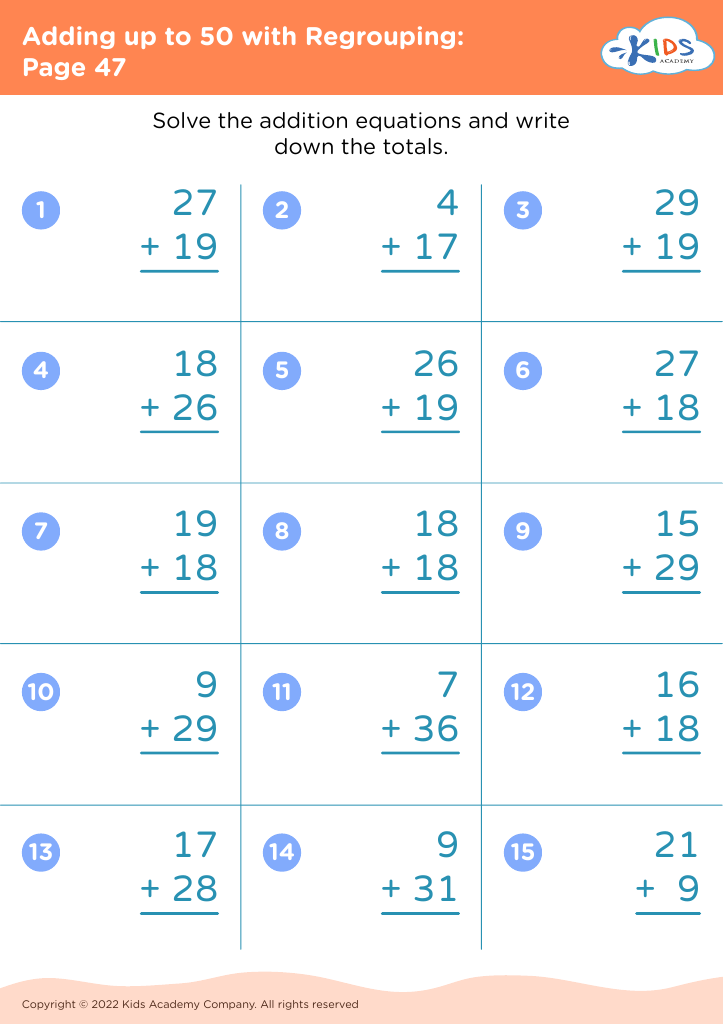
Adding up to 50 with Regrouping: Page 47
Worksheet
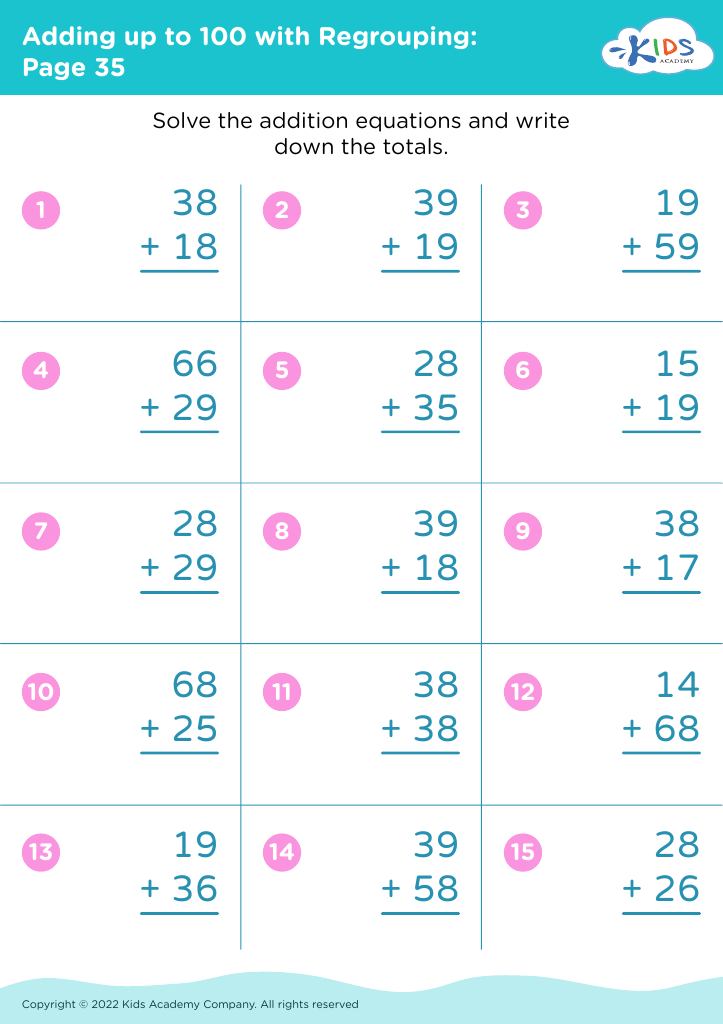
Adding up to 100 with Regrouping: Page 35
Worksheet
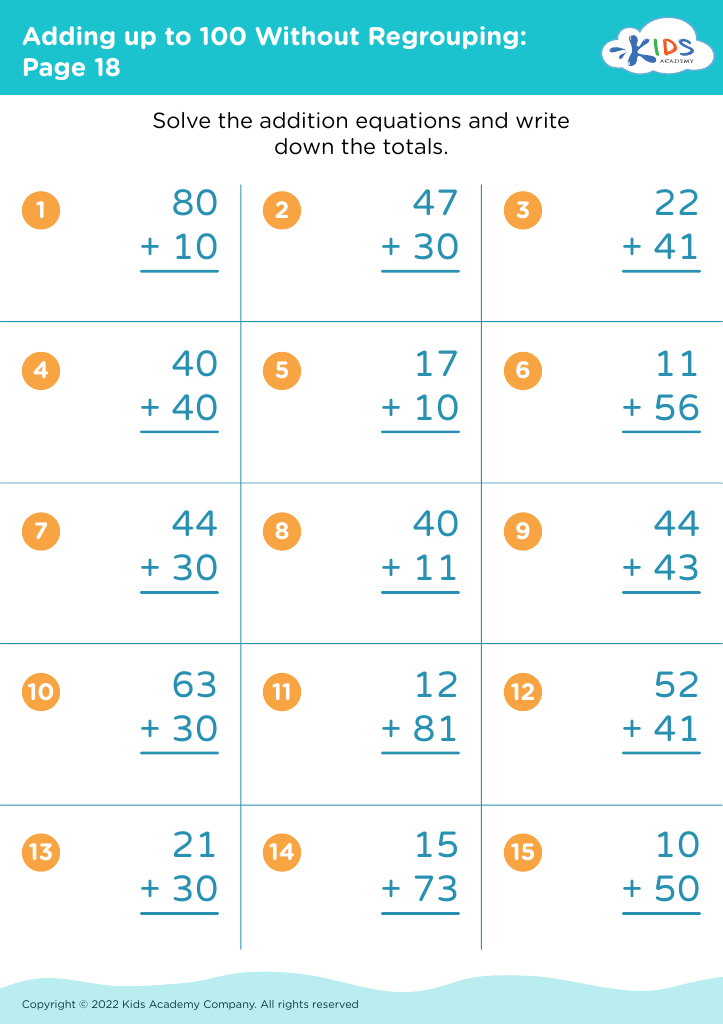
Adding up to 100 Without Regrouping: Page 18
Worksheet
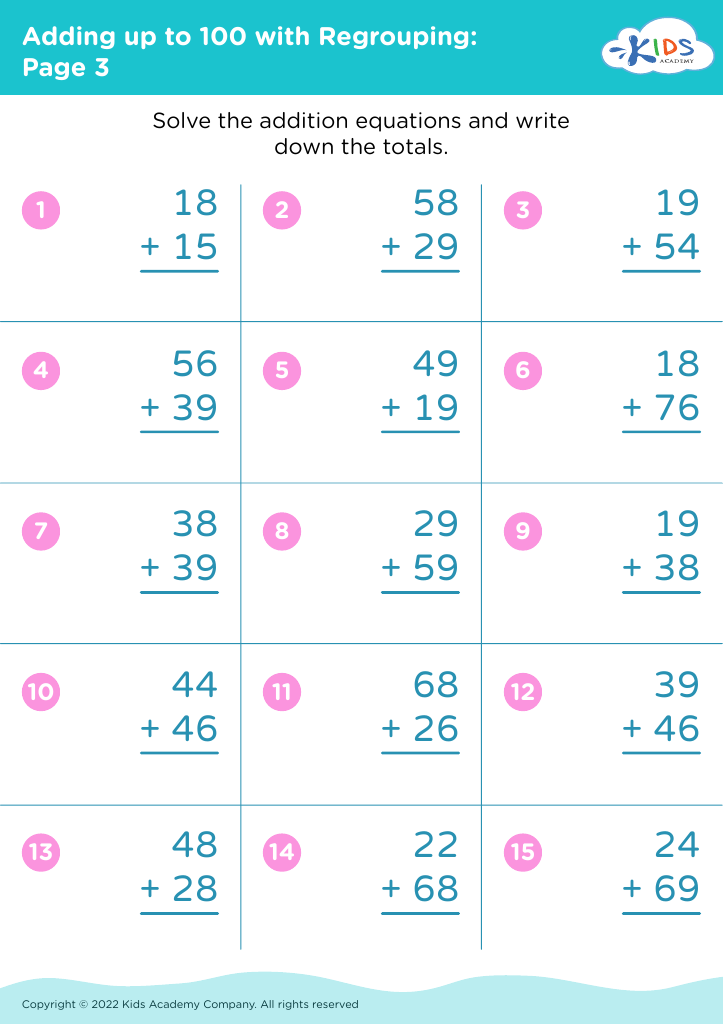
Adding up to 100 with Regrouping: Page 3
Worksheet
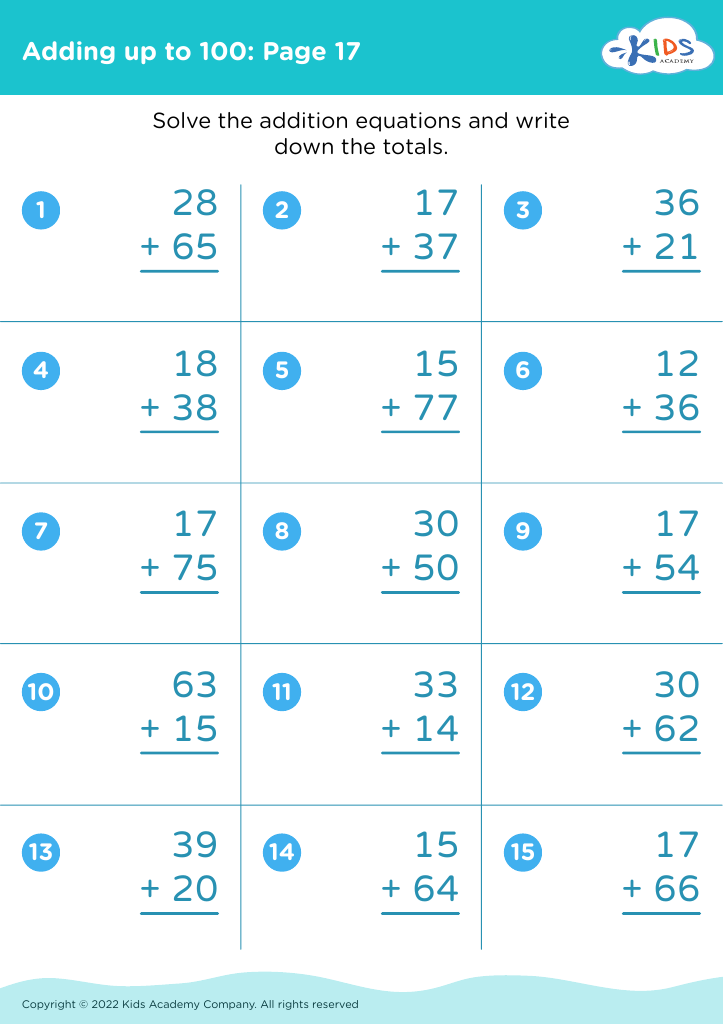
Adding up to 100: Page 17

Adding up to 100: Page 17

Adding up to 100: Page 17
Worksheet
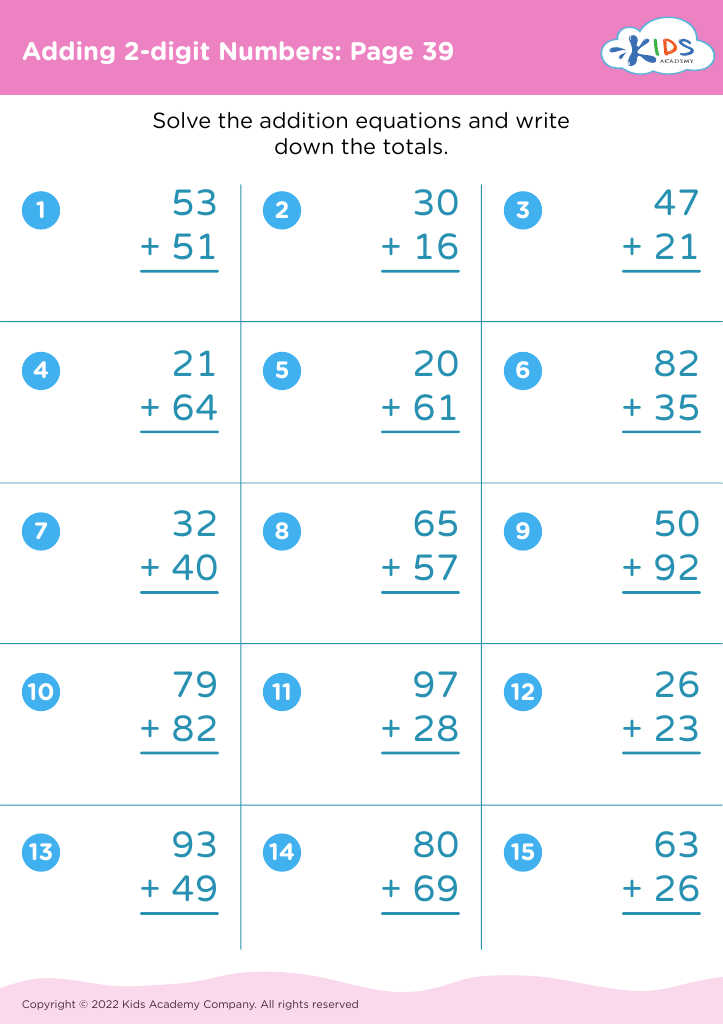
Adding 2-digit Numbers: Page 39

Adding 2-digit Numbers: Page 39

Adding 2-digit Numbers: Page 39
Worksheet
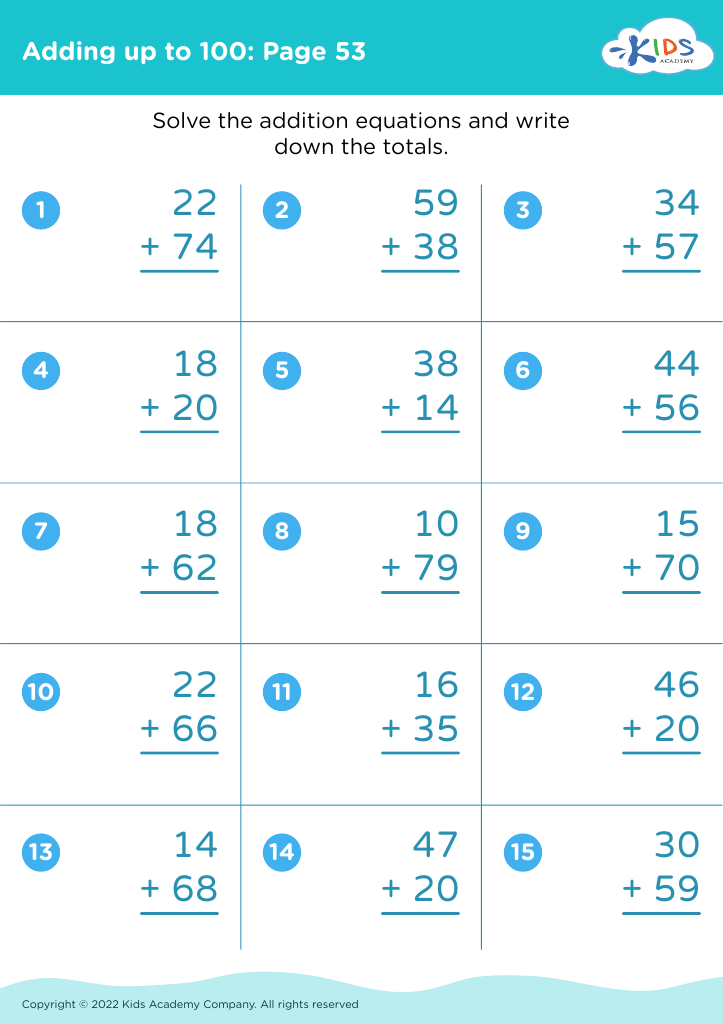
Adding up to 100: Page 53

Adding up to 100: Page 53

Adding up to 100: Page 53
Worksheet
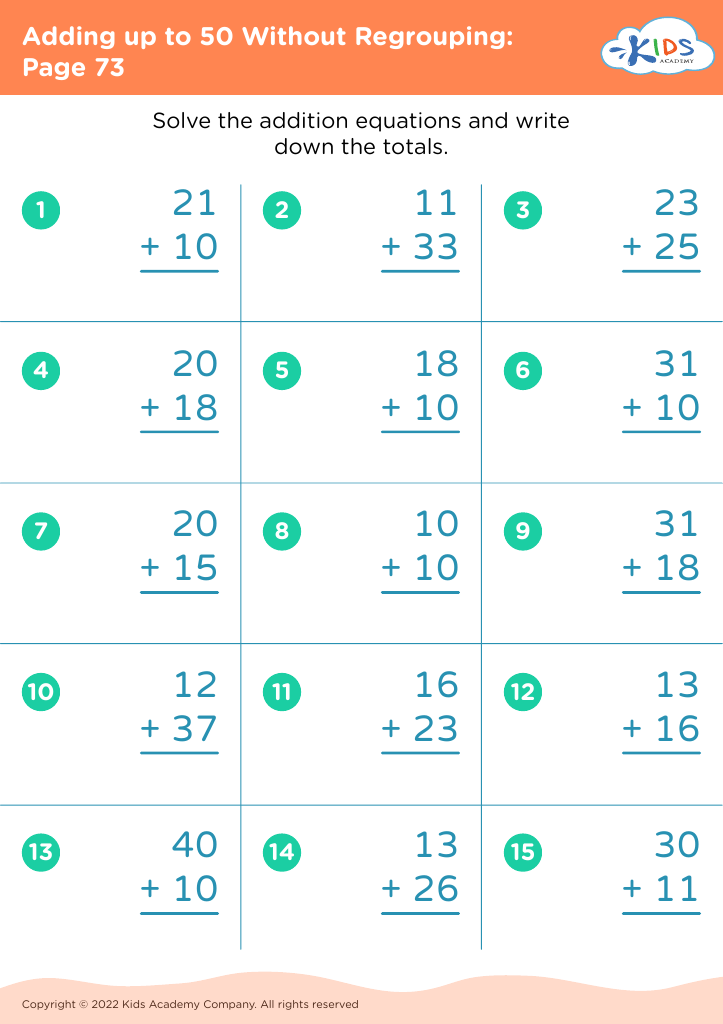
Adding up to 50 Without Regrouping: Page 73
Worksheet
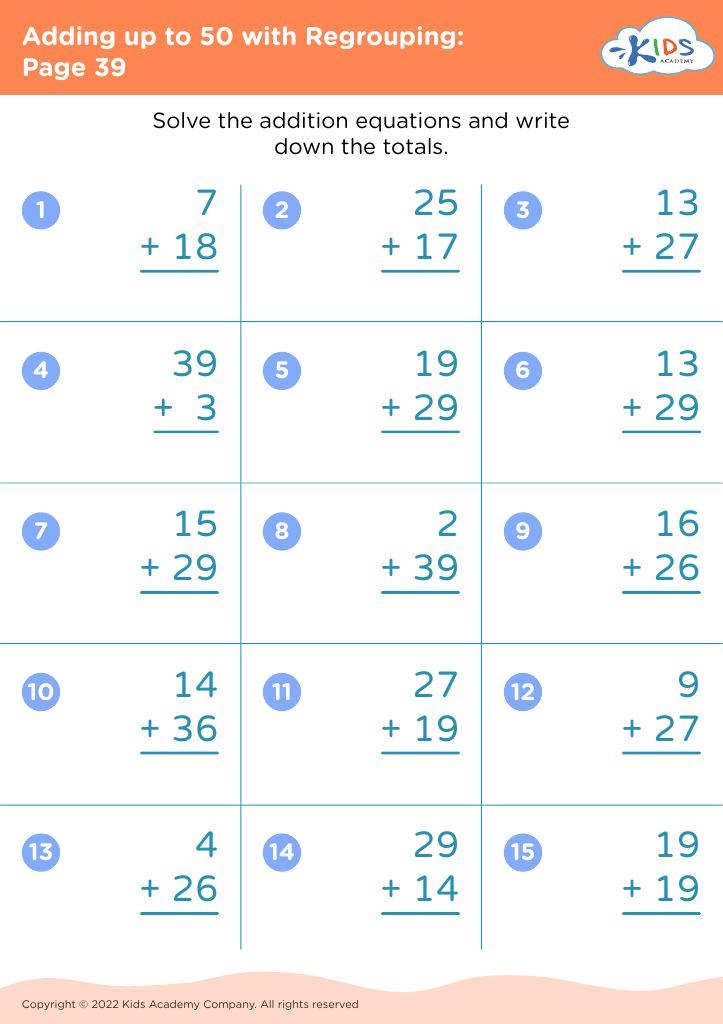
Adding up to 50 with Regrouping: Page 39
Worksheet
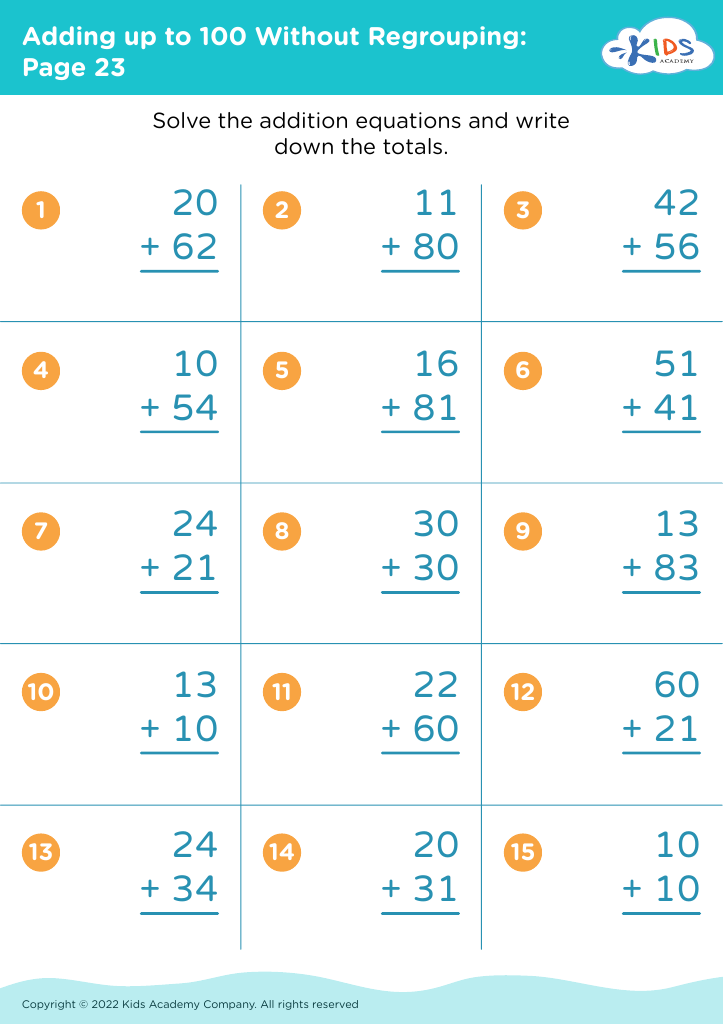
Adding up to 100 Without Regrouping: Page 23
Worksheet
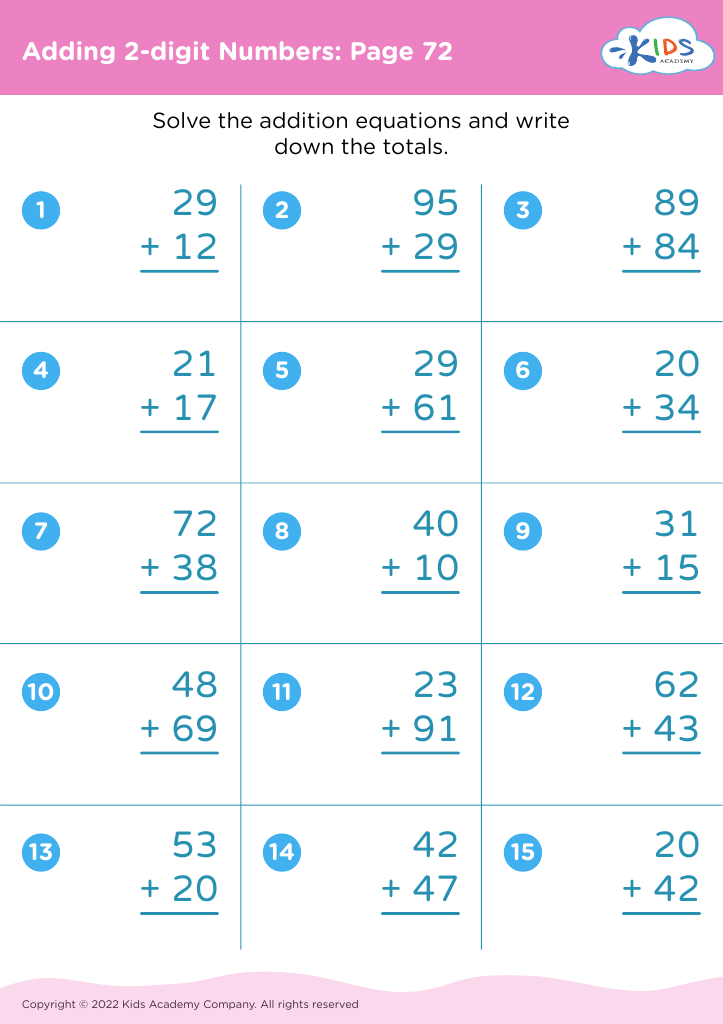
Adding 2-digit Numbers: Page 72

Adding 2-digit Numbers: Page 72

Adding 2-digit Numbers: Page 72
Worksheet


Parents and teachers should care about fraction simplification and addition for 8-year-olds because these concepts are foundational for developing strong mathematical skills. At this age, students are in a crucial stage of cognitive development where they begin to grasp more abstract concepts. Understanding fractions lays the groundwork for future topics in math, including ratios, percentages, and algebra.

Learning to simplify fractions helps students recognize equivalent values, improving their ability to compare and manipulate fractions in various mathematical contexts. It encourages critical thinking and problem-solving skills, as students learn to break down complex problems into simpler parts.

Additionally, mastering fraction addition is essential for real-world applications, from cooking measurements to splitting bills. When kids practice these skills, they build confidence in their mathematical abilities, leading to a positive attitude towards learning.

Moreover, instilling a strong understanding of these concepts early on helps prevent misconceptions that may hinder advanced learning later. By supporting children in mastering fraction simplification and addition, parents and teachers foster a positive learning environment that embraces challenges, promotes academic success, and nurtures a lifelong appreciation for math.