Understanding symmetry Addition Worksheets for 8-Year-Olds
24 filtered results
-
From - To
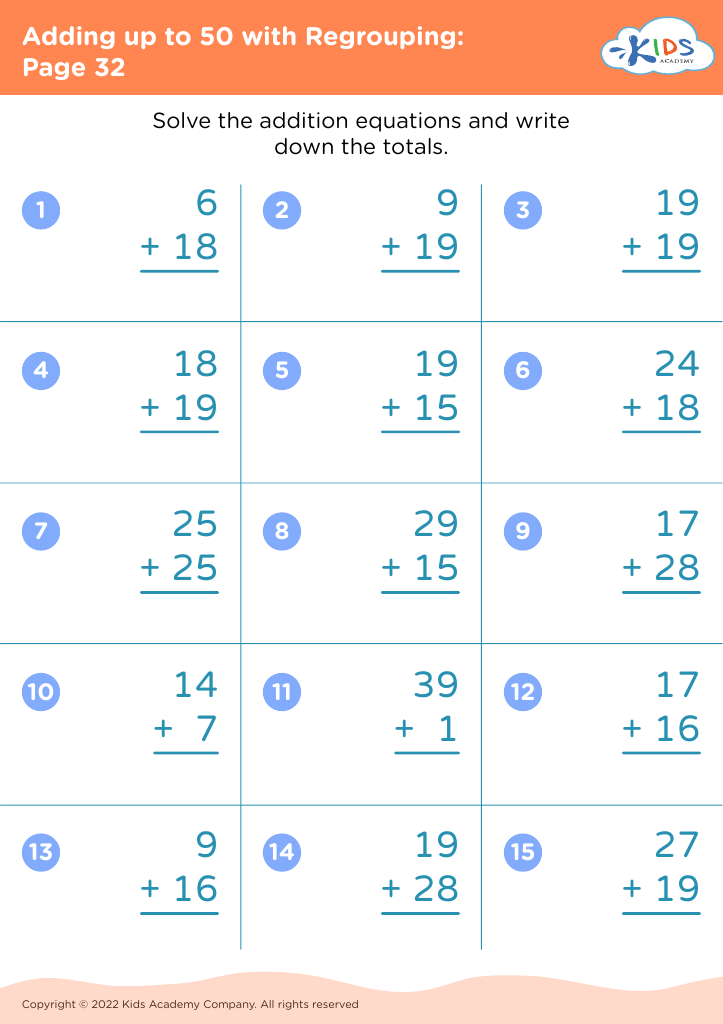
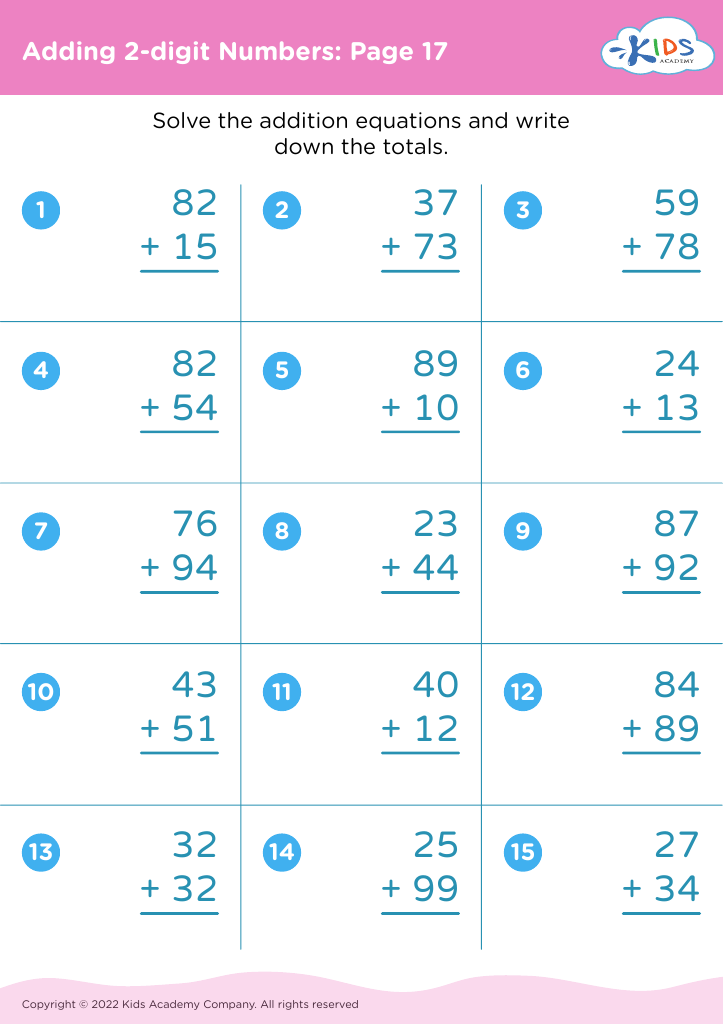
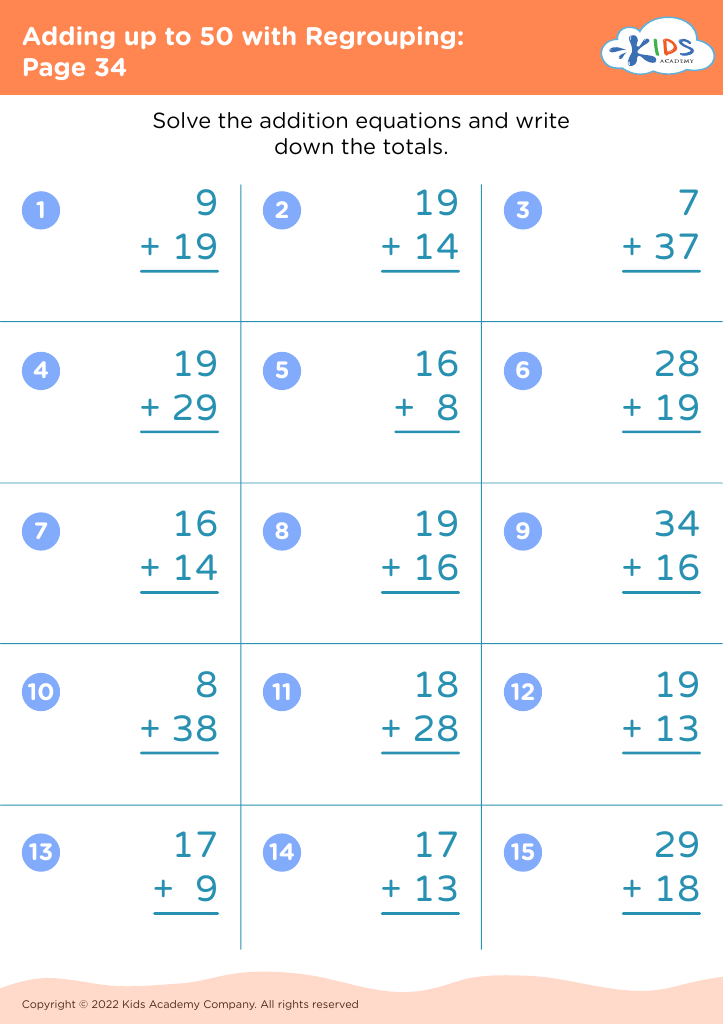
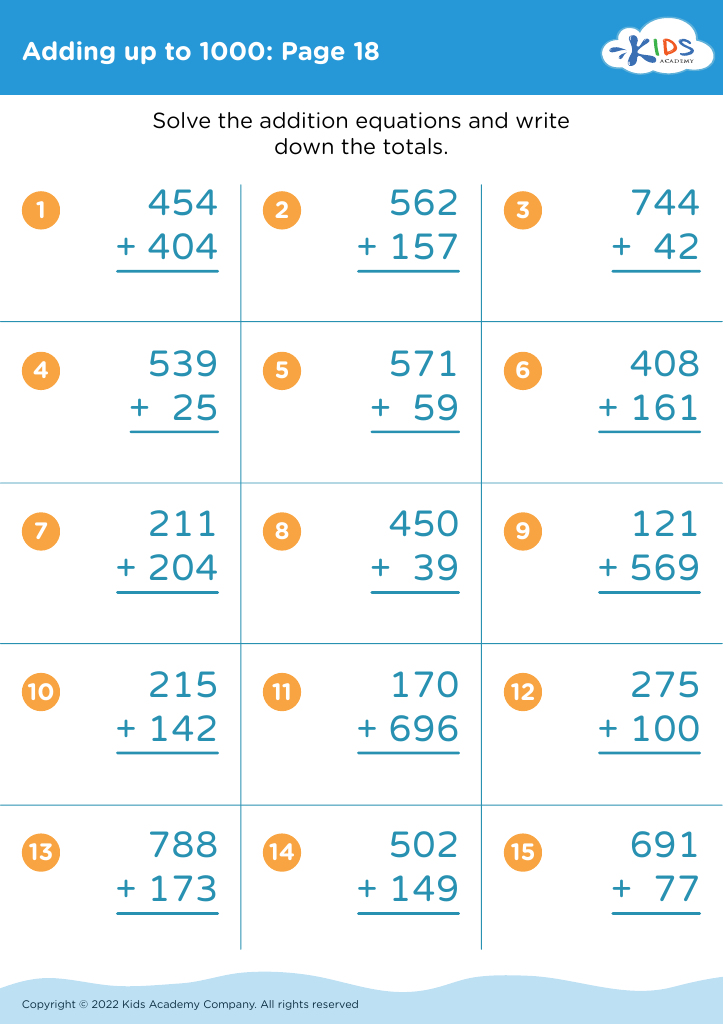
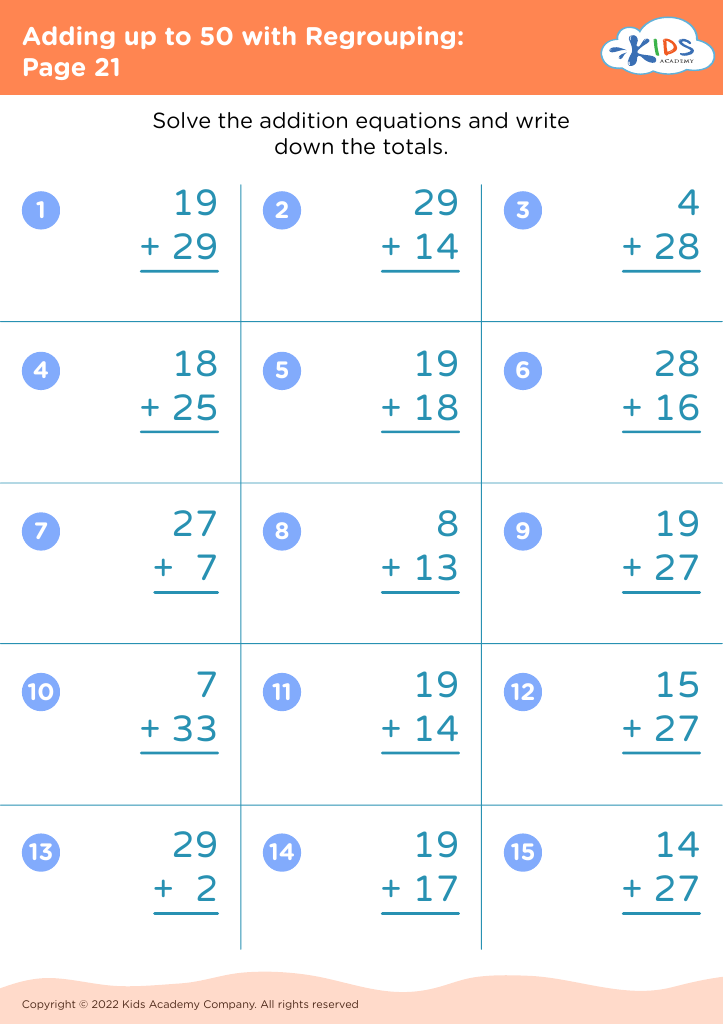
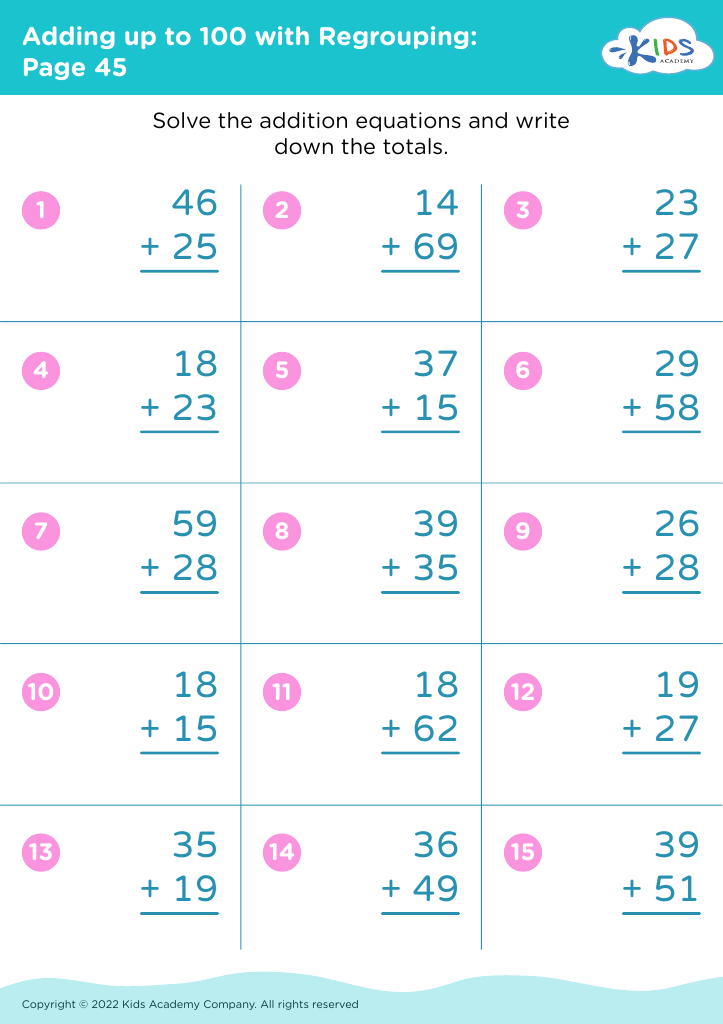
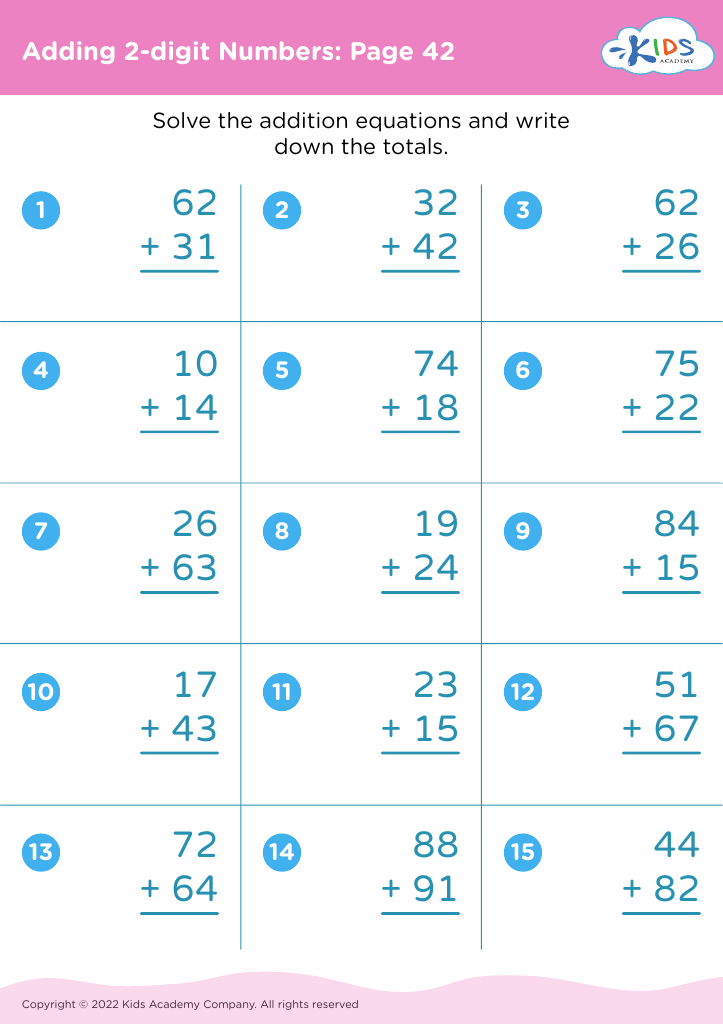
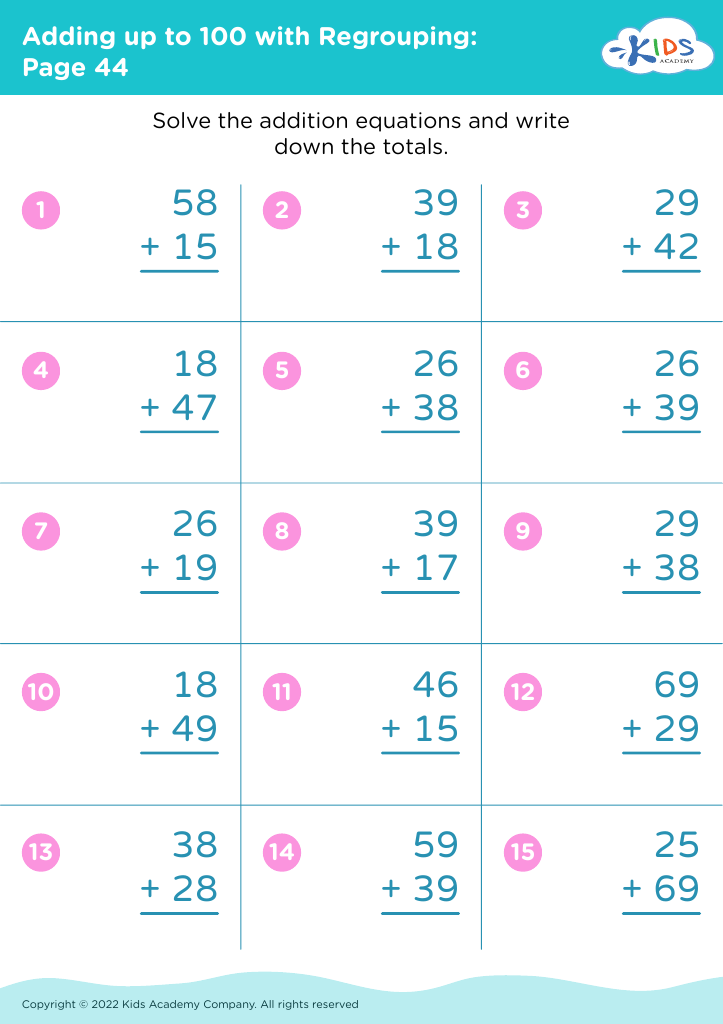
Explore our "Understanding Symmetry Addition Worksheets" designed specifically for 8-year-olds! These engaging worksheets combine the essential skill of addition with the fascinating concept of symmetry, making math both fun and educational. Students will develop their math fluency while visualizing symmetrical shapes and patterns, reinforcing their understanding of numbers and operations. With a variety of problems that cater to different learning styles, these worksheets encourage critical thinking and creativity. Perfect for home or classroom use, our resources aim to boost confidence in young learners while laying the groundwork for advanced math skills. Start your child’s journey into the world of symmetry today!
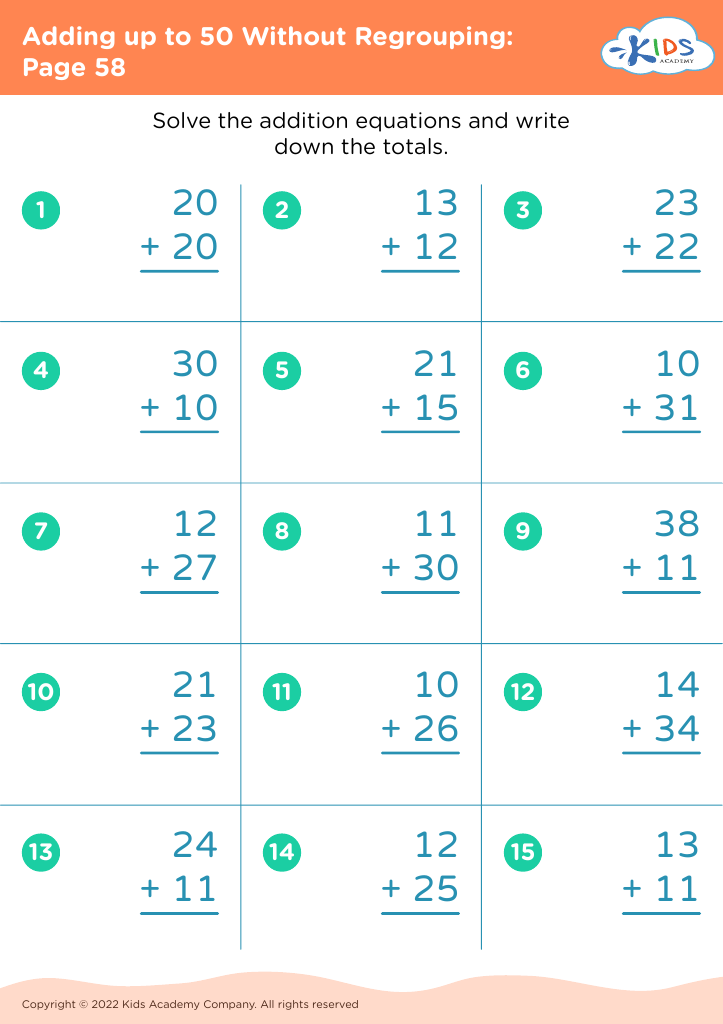
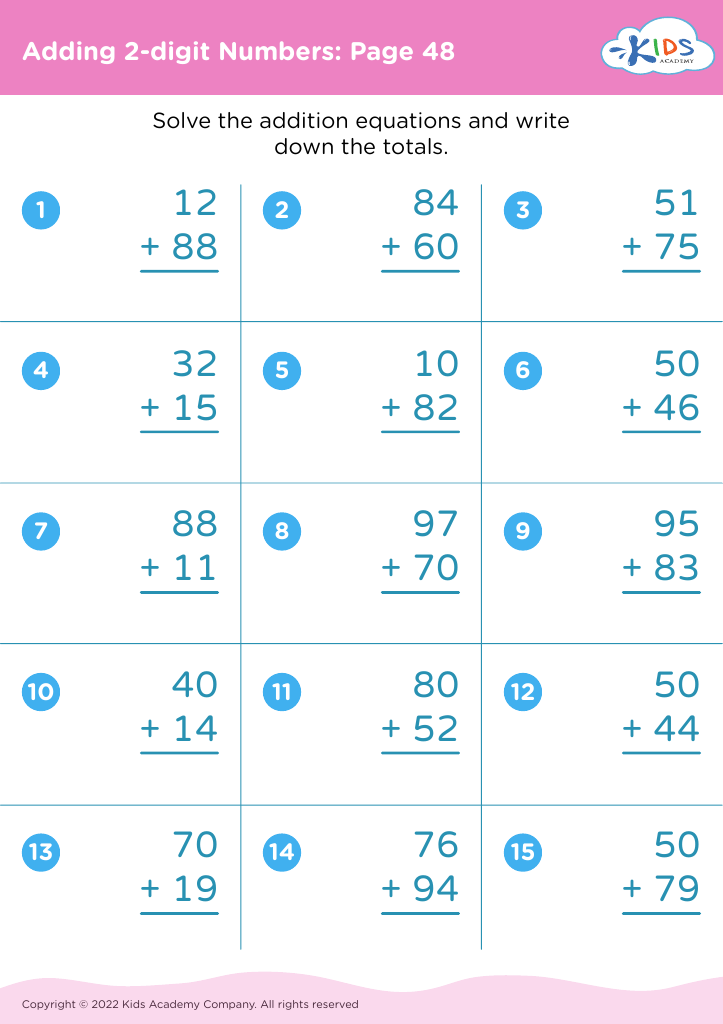
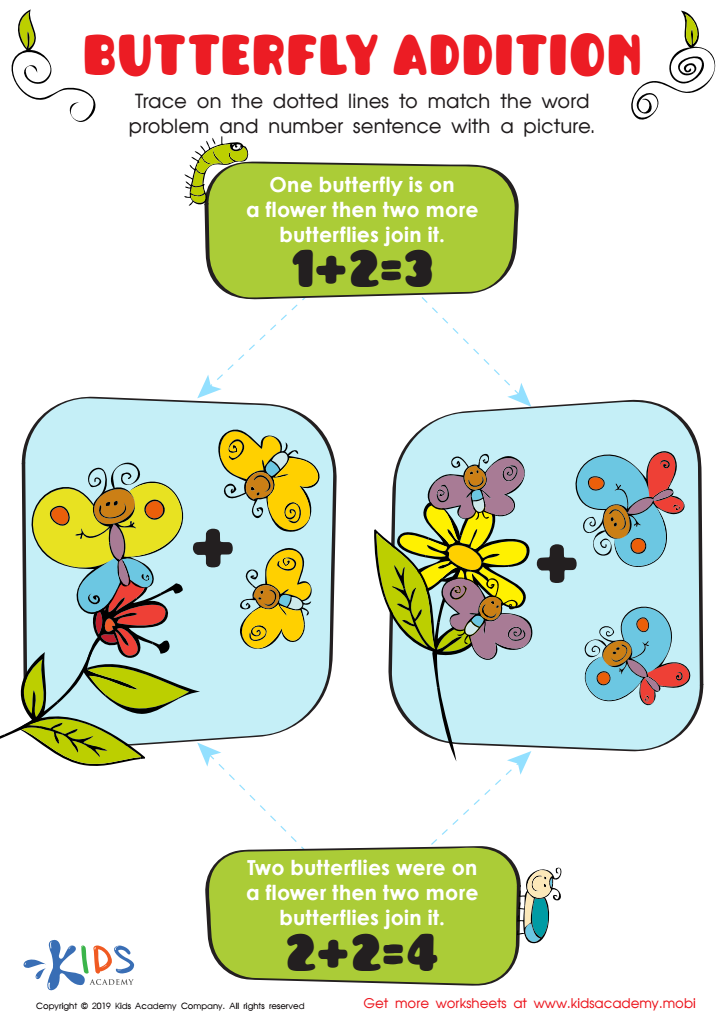
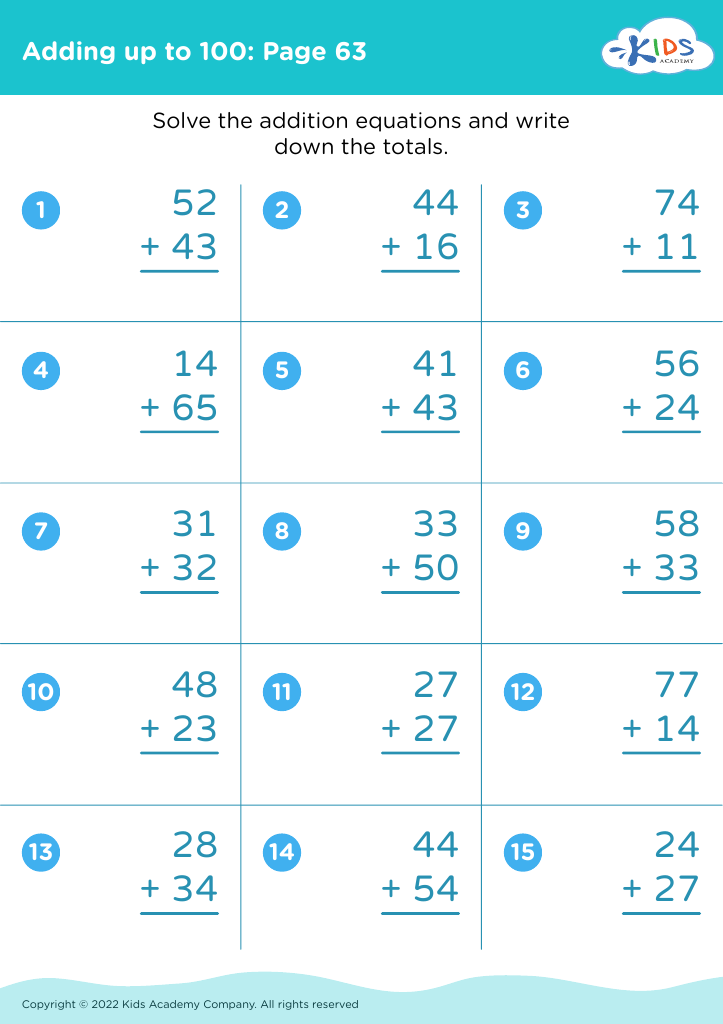
Butterfly Addition Worksheet
 Assign to My Students
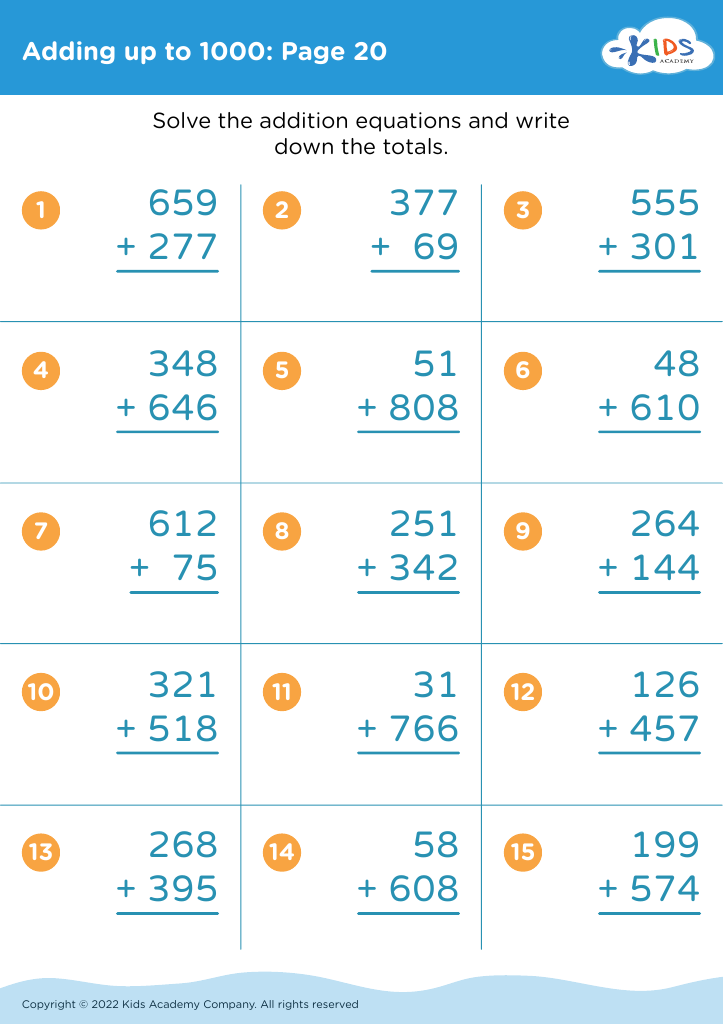
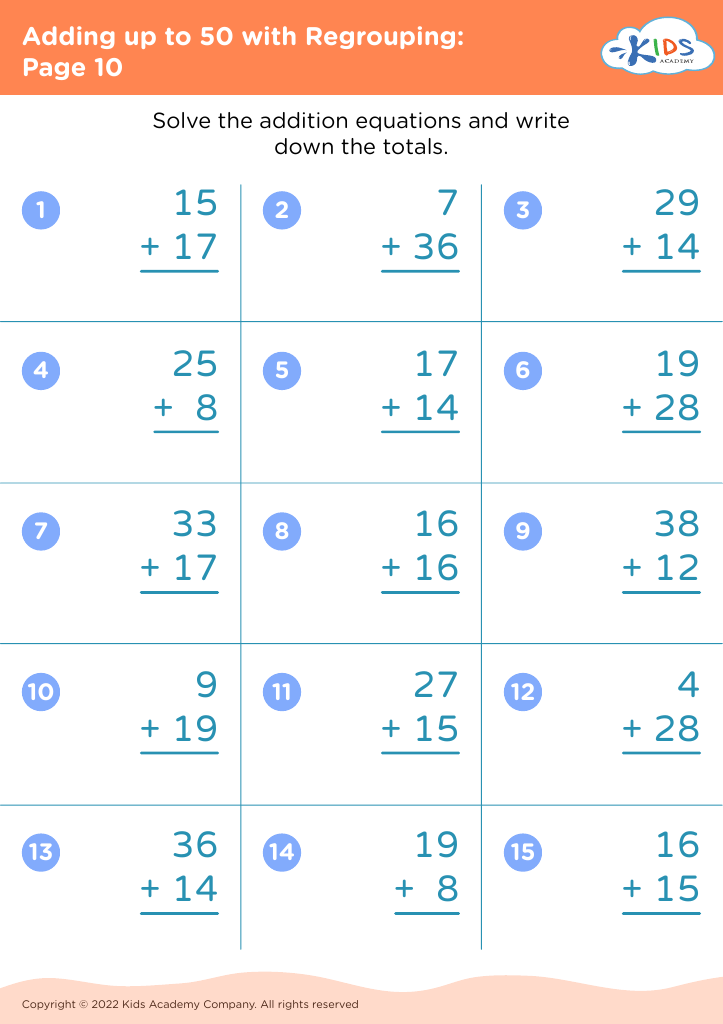
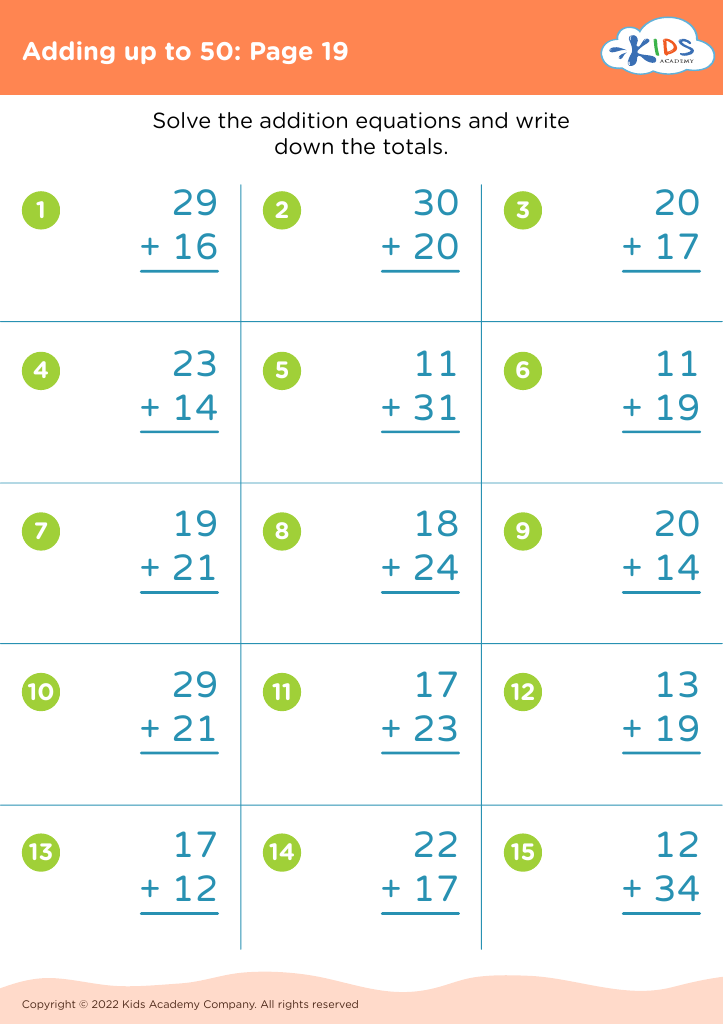
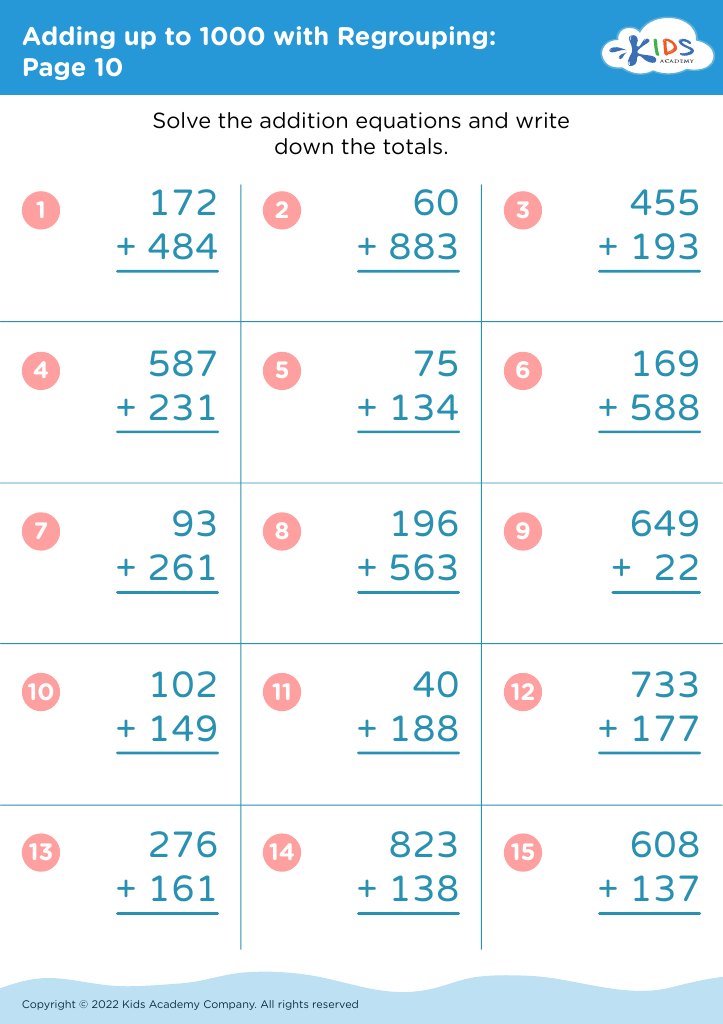
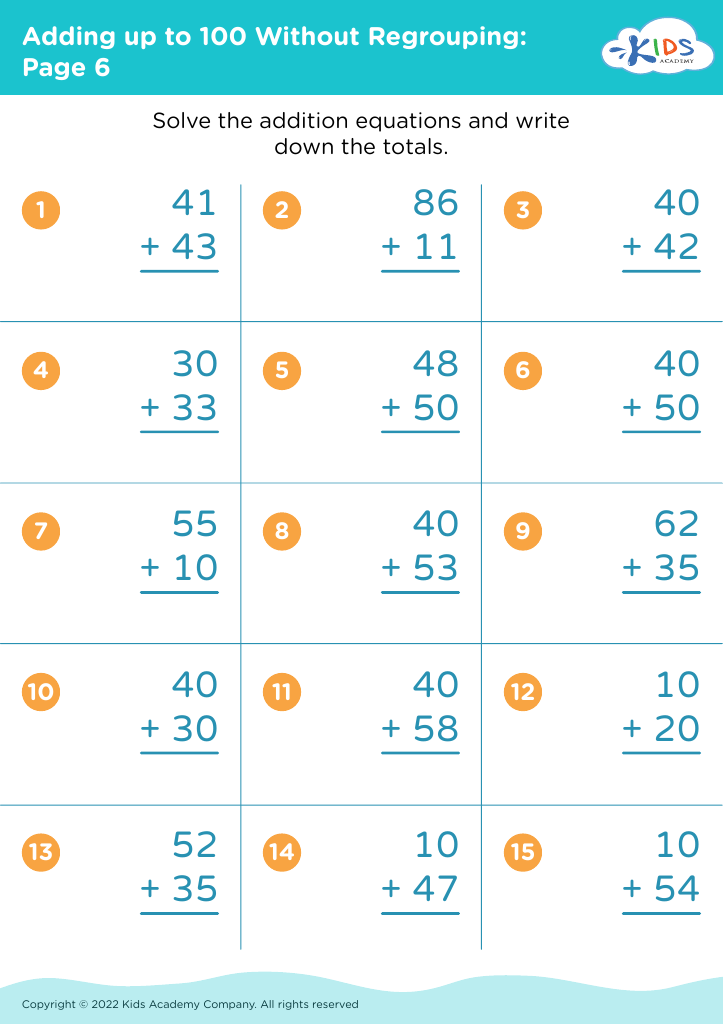
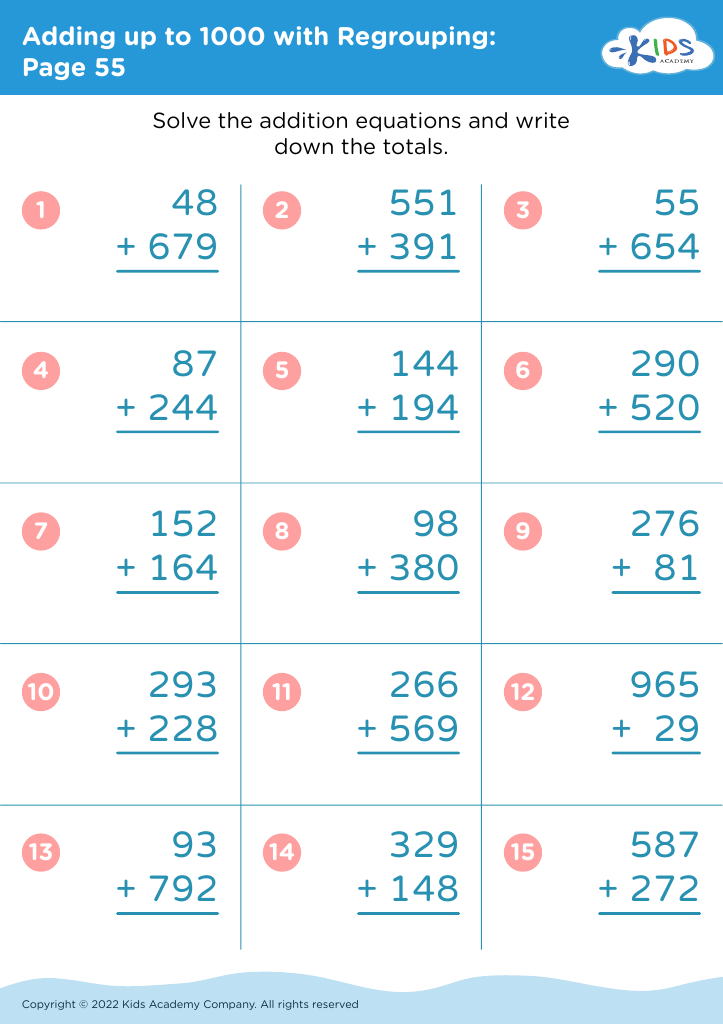
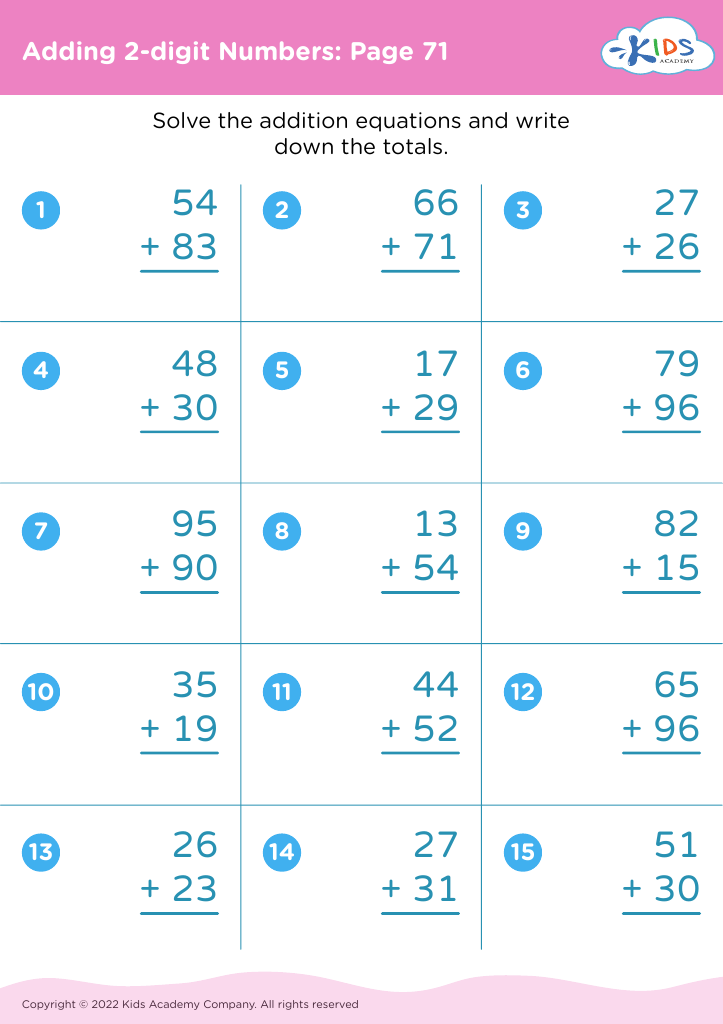
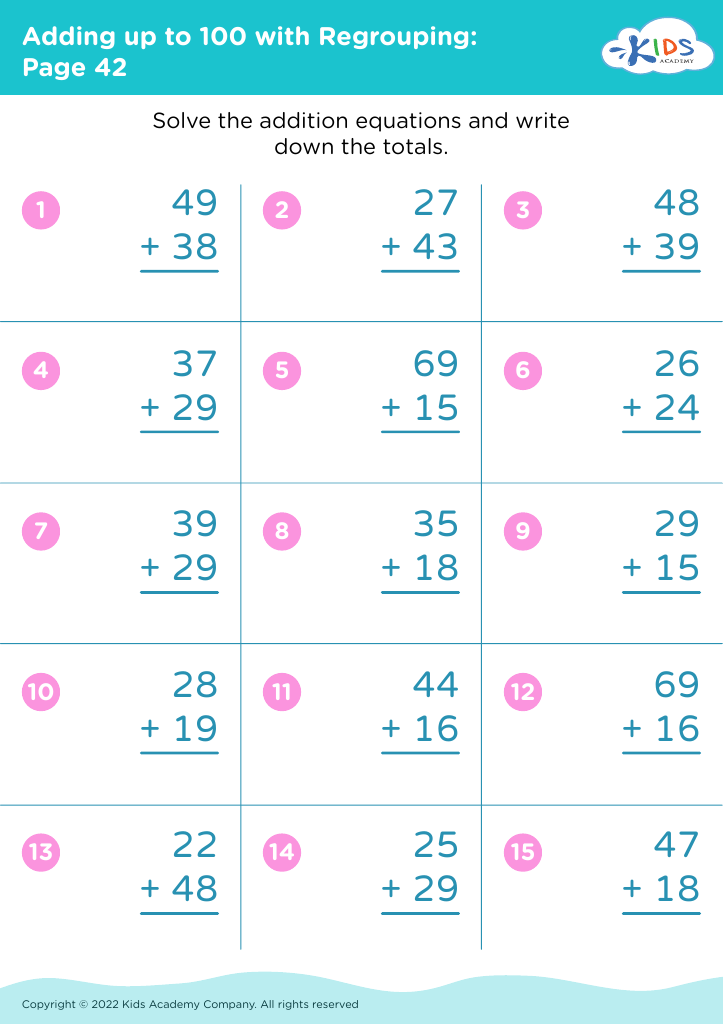




.jpg)



Understanding symmetry in the context of addition is an essential building block for 8-year-olds, and parents and teachers should prioritize it for several reasons. First, symmetry fosters a deeper conceptual understanding of mathematical relationships, helping children visualize the connections between numbers. When children recognize symmetric patterns, such as 3 + 1 = 4 and 4 - 1 = 3, they grasp that addition and subtraction are inverse operations. This duality can simplify complex problems and aid in mental math development.
Teaching symmetry in addition also encourages children to think critically and creatively. It allows them to identify patterns and relationships, extending their problem-solving skills beyond rote memorization of facts. Furthermore, these principles are foundational for advanced mathematical concepts, including algebra, geometry, and data analysis, making early exposure invaluable.
Additionally, understanding symmetry promotes confidence in mathematical abilities. As children learn to see relationships among numbers, their enthusiasm for math can grow, fostering a positive, lifelong attitude towards the subject. Parents and teachers who emphasize these concepts equip children with important reasoning skills that contribute to their overall academic success and cognitive development, ensuring that they are better prepared for future challenges.








