Color Identification Numbers Worksheets for 8-Year-Olds
4 filtered results
-
From - To
Enhance your child's learning experience with our engaging Color Identification Numbers Worksheets designed specifically for 8-year-olds! These worksheets blend fun and education, helping children master number recognition while exploring vibrant colors. Each activity encourages critical thinking and visual discrimination, fostering a deeper understanding of numerical concepts. Your child will enjoy practicing color identification as they solve exciting problems and complete creative exercises. Perfect for classroom or at-home learning, these printable resources promote essential skills in a playful way. Give your child the tools they need to succeed while sparking their creativity and love for learning! Access our worksheets today!
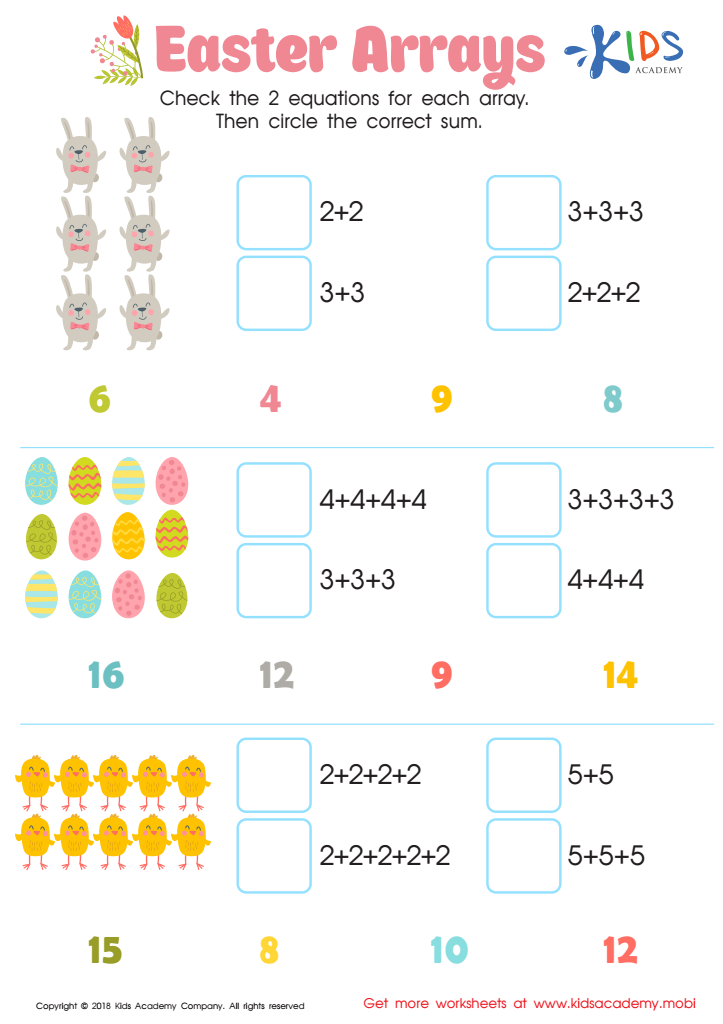
Easter Arrays Worksheet
 Assign to My Students
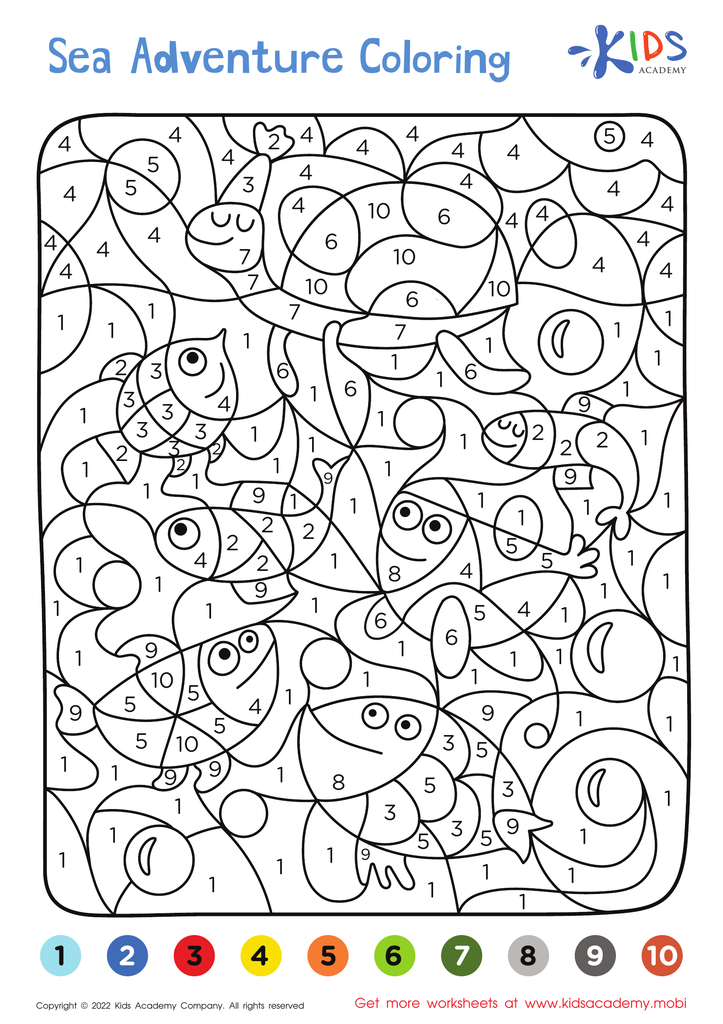
Sea Adventure – Coloring by Numbers
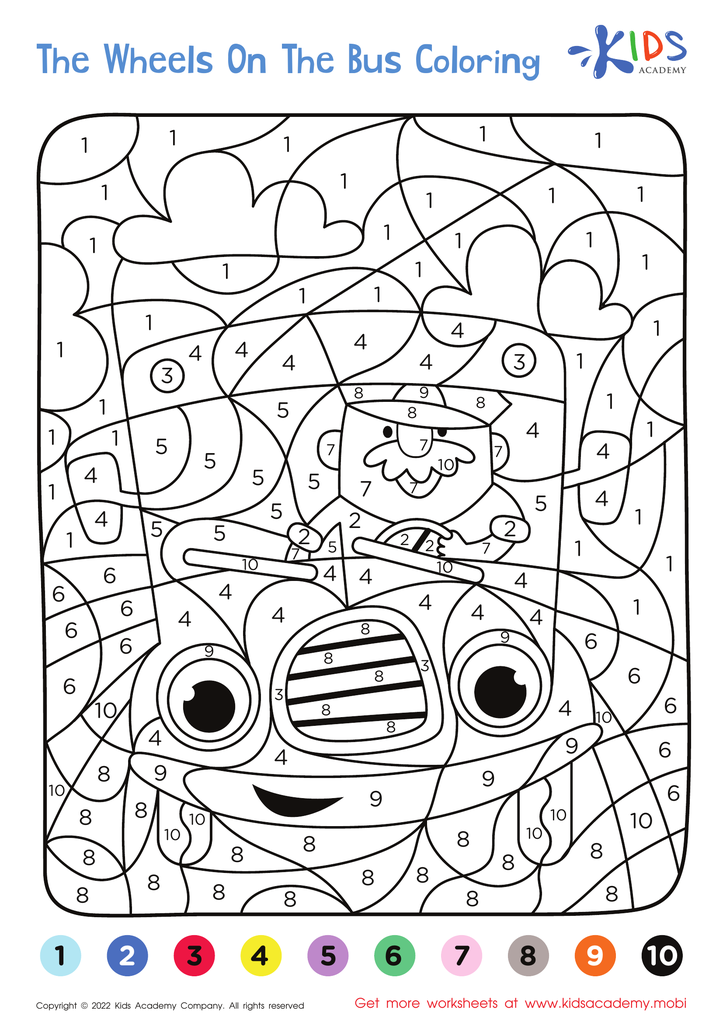
Wheels on the Bus – Coloring by Numbers
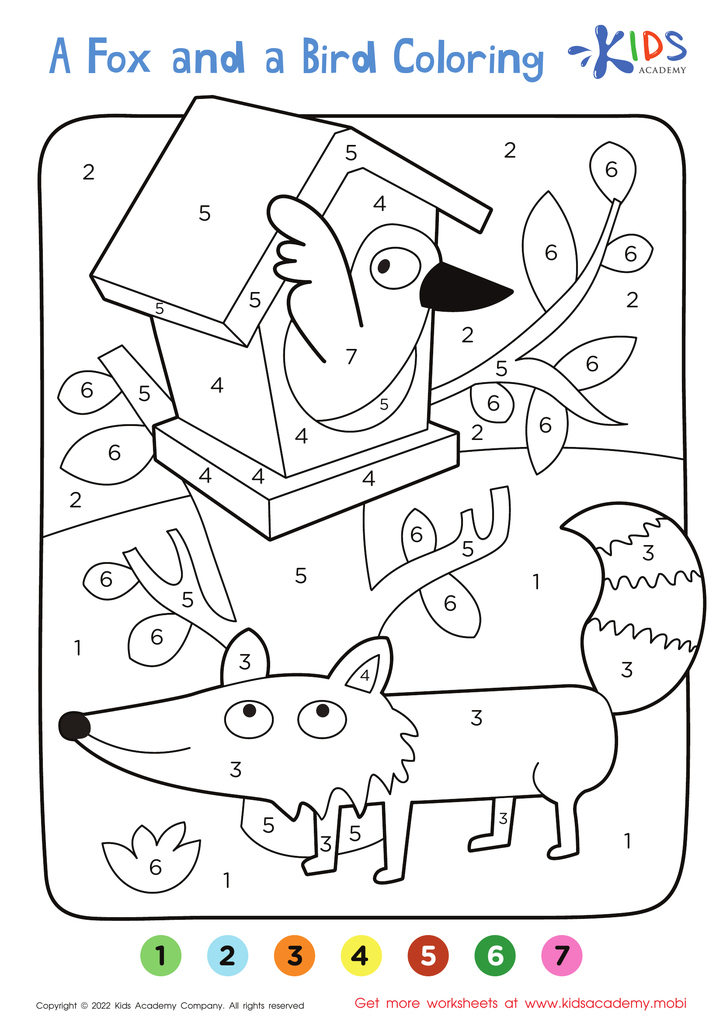
A Fox and a Bird – Coloring by Numbers








Color Identification Numbers (CIN) play an important role in a child’s educational development, especially for eight-year-olds who are becoming more aware of their surroundings. Understanding color is foundational for various subjects, including art, science, and even mathematics where concepts such as patterns and sorting come into play. By teaching children the names and numerical references associated with colors, educators and parents foster a more organized method of color recognition that can enhance learning efficiency.
CIN can also aid in developing children’s language skills. As they verbalize colors using specific identifiers, children improve their vocabulary and communication capabilities. Furthermore, early familiarity with color identification can boost creativity, inspiring children to explore art in a structured way.
In a world where technology and design play significant roles, knowing specific color codes can also prepare children for future learning opportunities. Games, design applications, and educational software often utilize color codes in tutorials that encourage experimentation. Therefore, adopting a systematic approach to color identification can empower children not only in visual recognition but also in developing critical thinking skills as they interact with their environment. Engaging with CIN can provide a deeper context for color appreciation that can last a lifetime.








