Hand-eye Coordination Numbers Worksheets for 8-Year-Olds
8 filtered results
-
From - To
Enhance your child's hand-eye coordination with our engaging Hand-eye Coordination Numbers Worksheets for 8-year-olds! These worksheets combine fun activities with essential math skills, helping kids better grasp numbers while improving their dexterity. Perfect for developing fine motor skills, each exercise encourages children to trace, connect dots, and color, making learning both enjoyable and interactive. As children practice, they'll not only strengthen their coordination but also boost their confidence in handling numbers. These worksheets are ideal for classroom use or at-home learning, providing a foundation for essential math concepts. Get ready to watch your child thrive as they master numbers with ease!
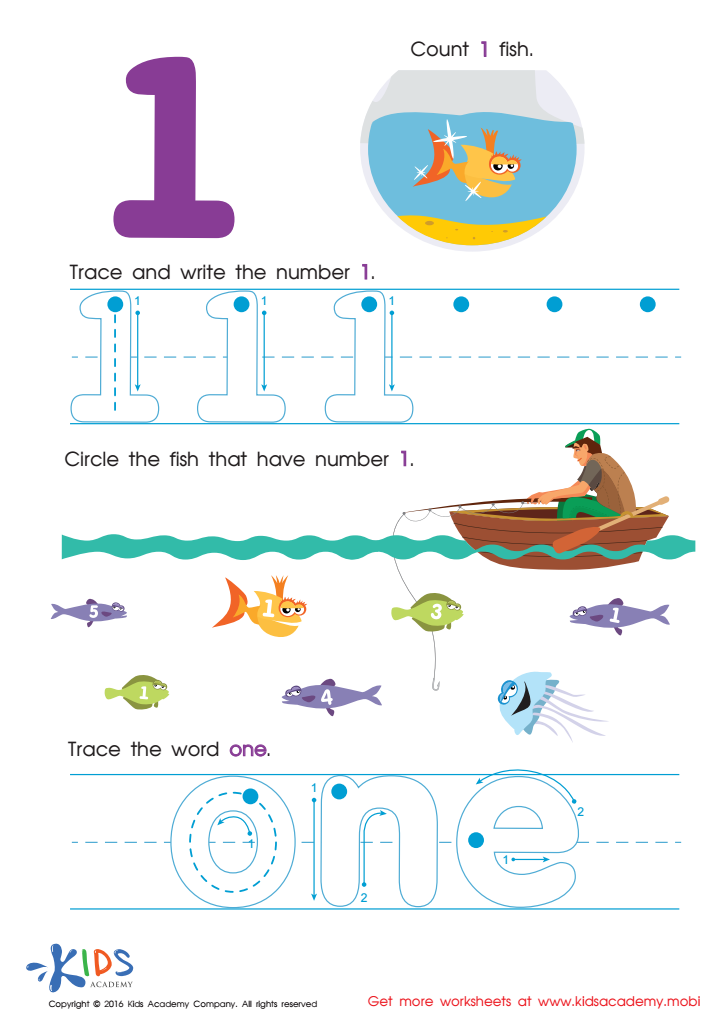
Learning to Write 1 Worksheet
 Assign to My Students
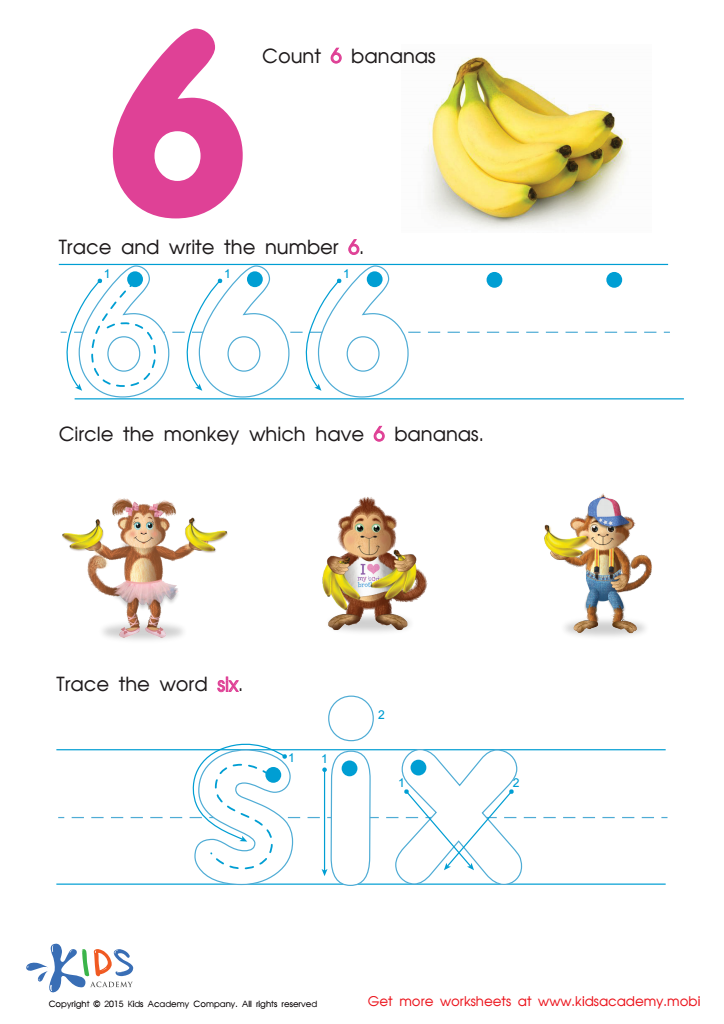
Tracing And Writing Number 6 Worksheet
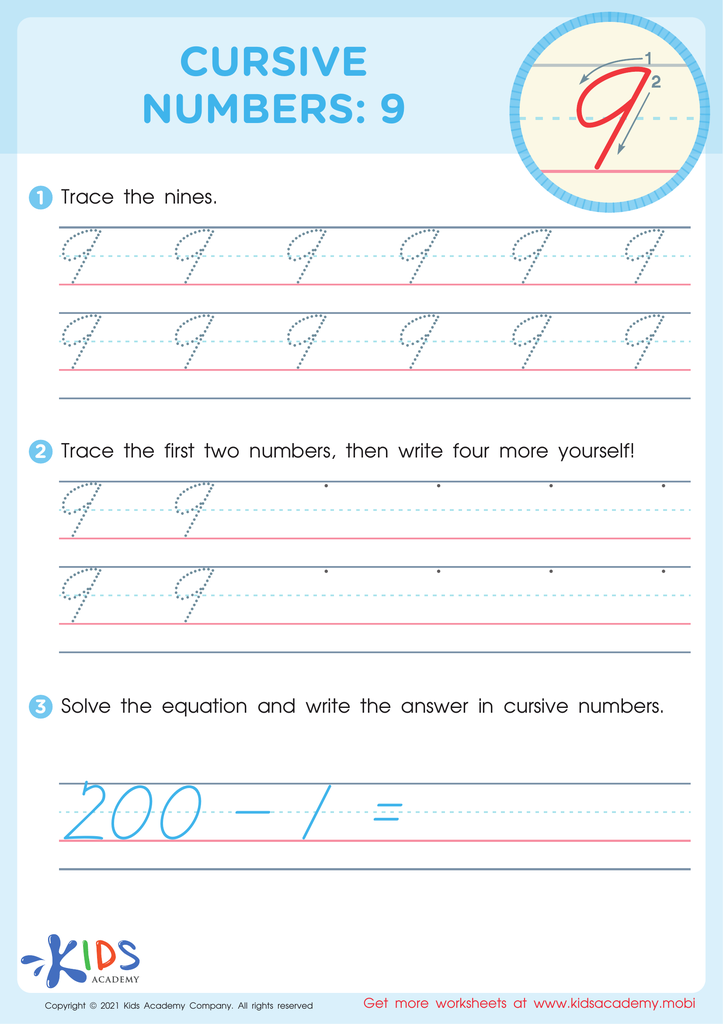
Cursive Numbers: 9 Worksheet
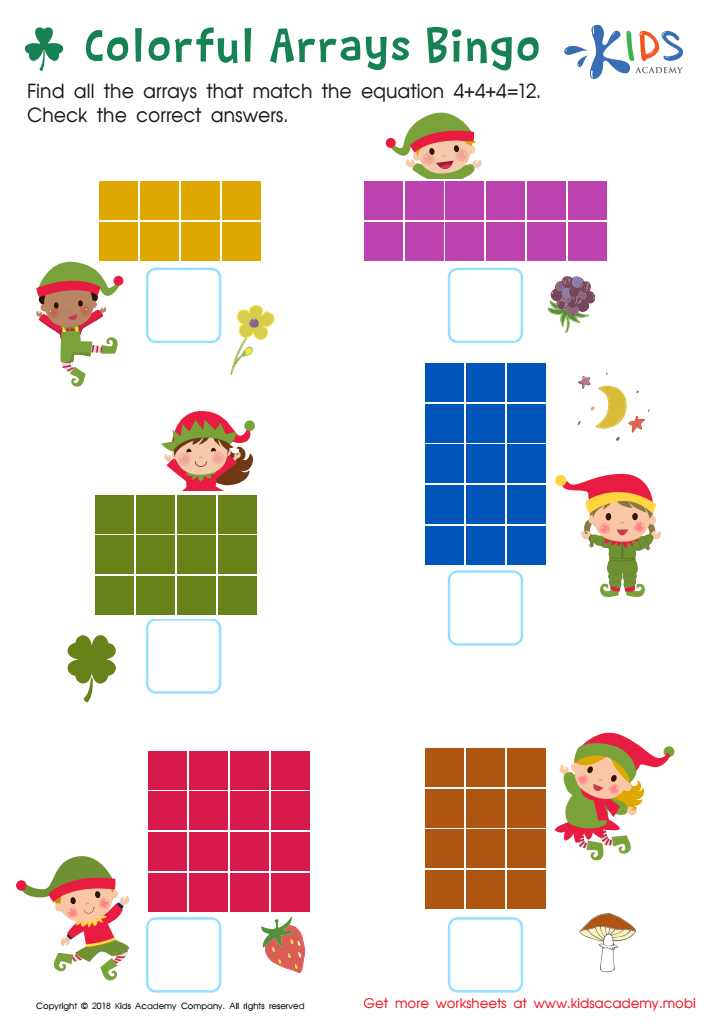
Colorful Arrays Bingo Worksheet
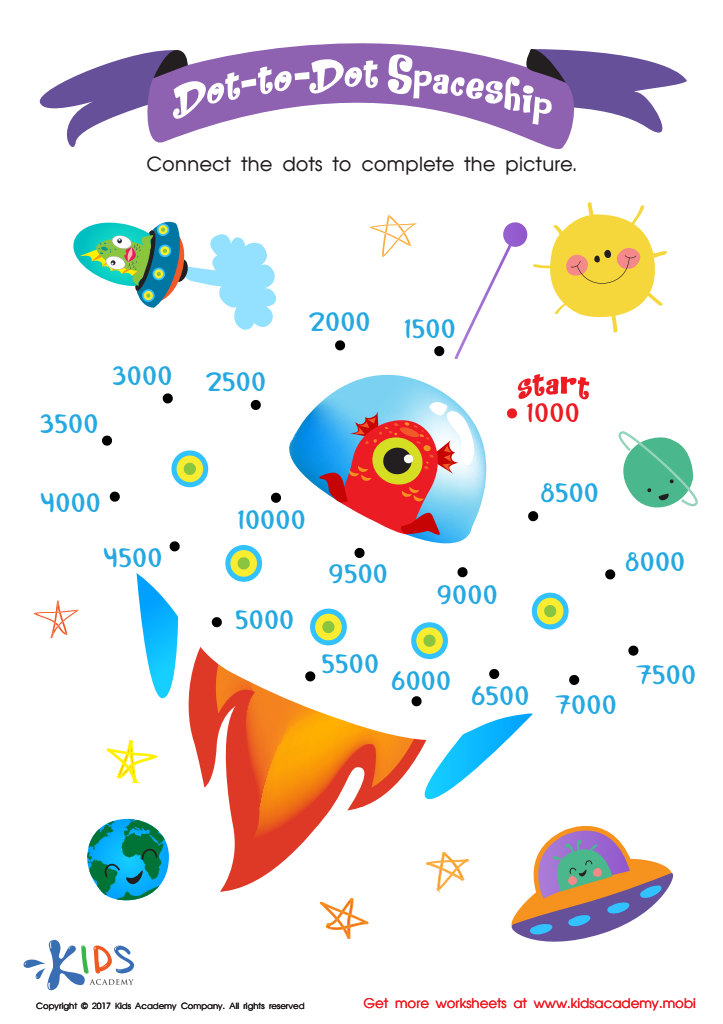
Dot to Dot Worksheet for 3rd Grade
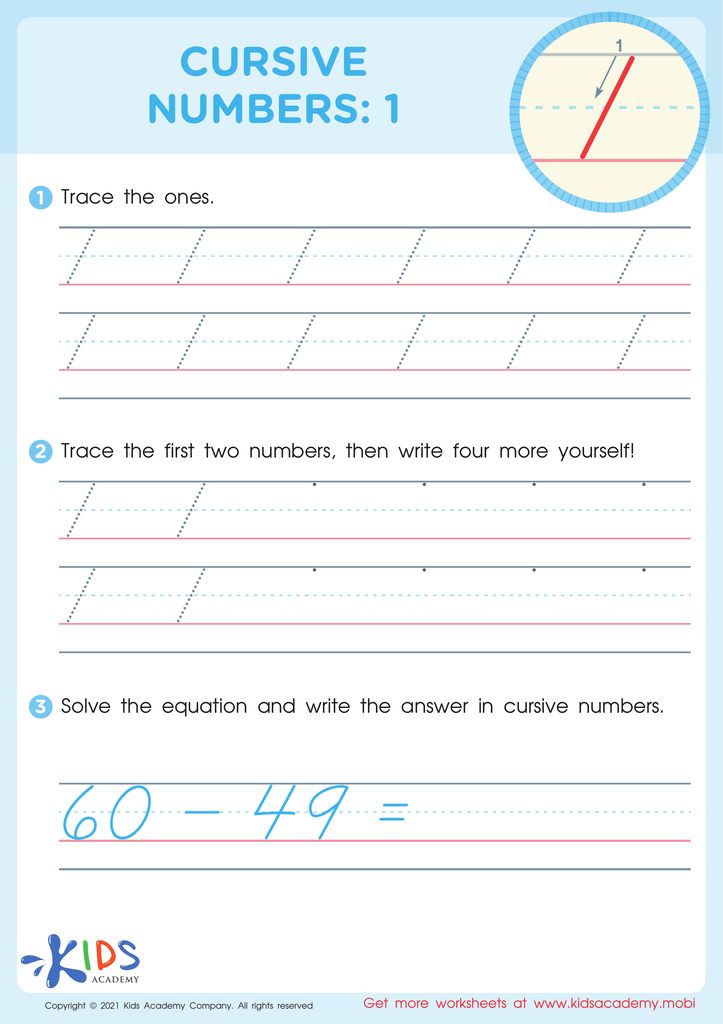
Cursive Numbers: 1 Worksheet
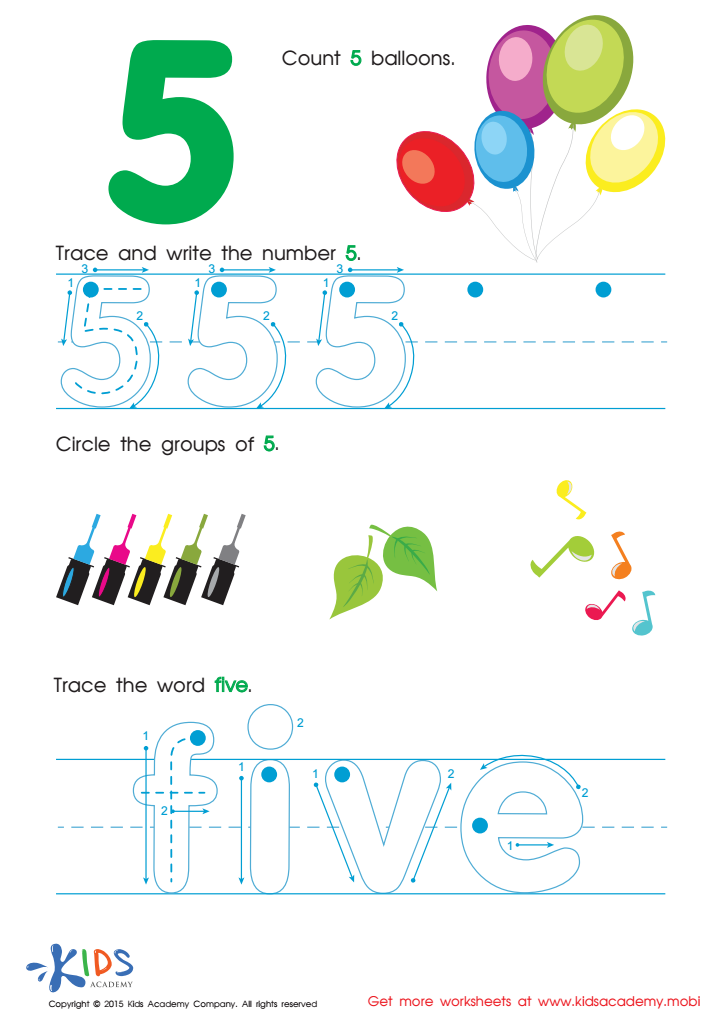
Practice Writing Number 5 Worksheet
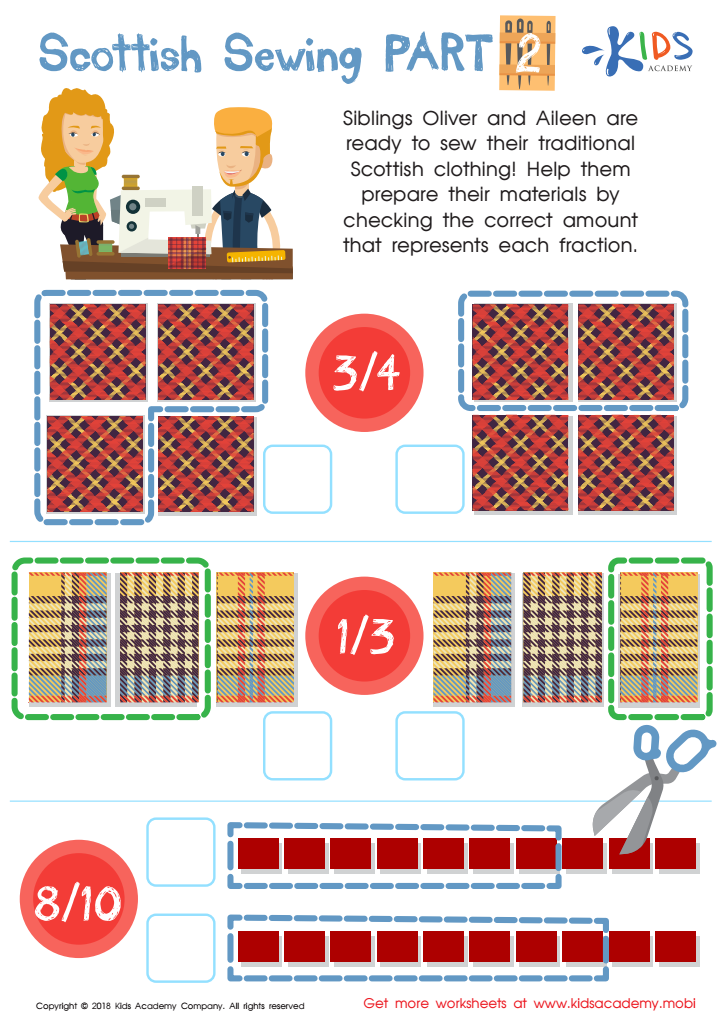
Scottish Sewing Part 2 Worksheet








Hand-eye coordination is a crucial developmental milestone for 8-year-olds, involving the ability to synchronize visual input with physical movement. Parents and teachers should care about this skill because it directly impacts a child’s academic performance, physical activities, and everyday tasks. For instance, proficient hand-eye coordination enhances skills in writing, typing, and even participating in sports, fostering confidence and boosting self-esteem.
Moreover, strong hand-eye coordination contributes to a child's overall cognitive development. It aids in the development of spatial awareness and problem-solving abilities, which are essential for both math and science learning. When children struggle with these skills, they may experience frustration in activities requiring fine motor skills, potentially leading to disengagement and negatively affecting their learning journey.
Fostering hand-eye coordination can be fun and engaging! Activities like throwing and catching balls, playing video games that require precise movements, or engaging in arts and crafts can significantly improve this skill. By emphasizing the importance of hand-eye coordination, parents and teachers can ensure that children develop the necessary abilities to thrive academically, socially, and physically. Supporting this growth not only lays the foundation for future success but also encourages a sense of achievement in young learners.








