
Analyzing data Math Worksheets for 8-Year-Olds
6 filtered results
Difficulty Level
Grade
Age
-
From - To
Subject
Activity
Standards
Explore our engaging "Analyzing Data" math worksheets designed specifically for 8-year-olds! These thoughtfully crafted activities help young learners develop essential skills in data interpretation, visualization, and analysis. Through fun exercises, students will gain confidence in reading graphs, understanding charts, and organizing information, making math both enjoyable and educational. Our worksheets cater to various learning styles, ensuring every child can excel in their understanding of data concepts. Whether at home or in the classroom, these resources are perfect for reinforcing math skills and fostering critical thinking. Empower your child today with our interactive worksheets and watch their analytical abilities flourish!
Favorites
With answer key
Interactive
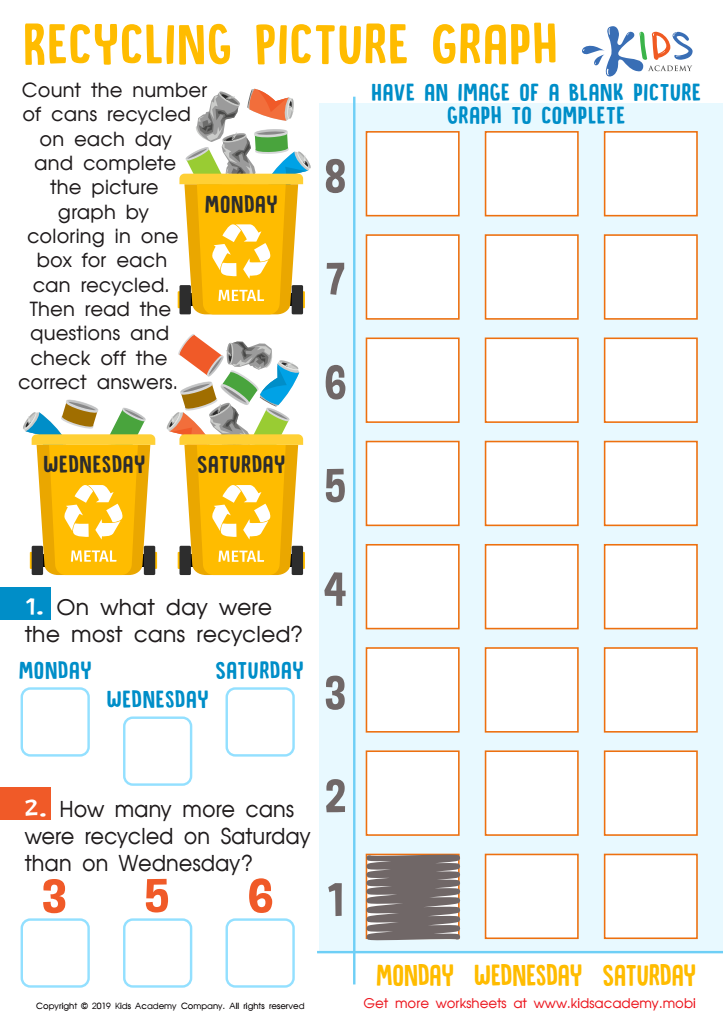
Recycling Picture Graph Worksheet
This worksheet can help kindergartners learn numbers and why recycling is important. After using items and materials, they can turn them into new materials instead of throwing them away. Guide your students to follow the instructions and answer the questions at the end. Help them understand how recycling benefits our environment.
 Assign to My Students
Recycling Picture Graph Worksheet
Worksheet
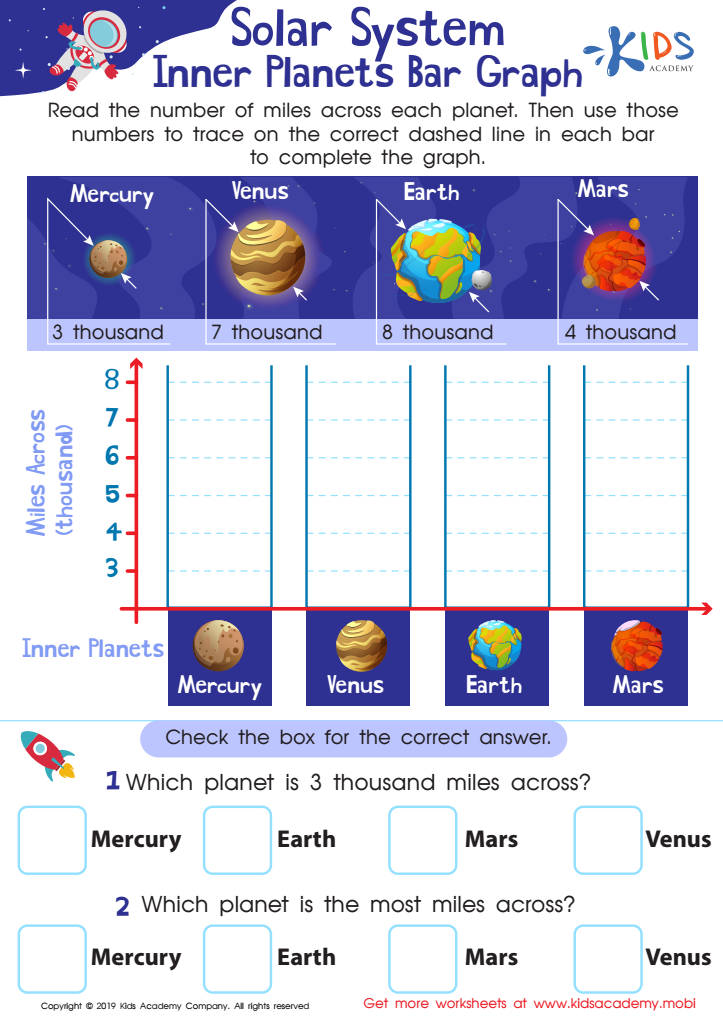
Planets Bar Graph Worksheet
With this fun, educational worksheet, kids can learn about bar graphs and the solar system simultaneously. Introduce them to the concept by reading out the number of miles for each planet, then help them trace the dashed lines in each bar to complete the graph.
Planets Bar Graph Worksheet
Worksheet
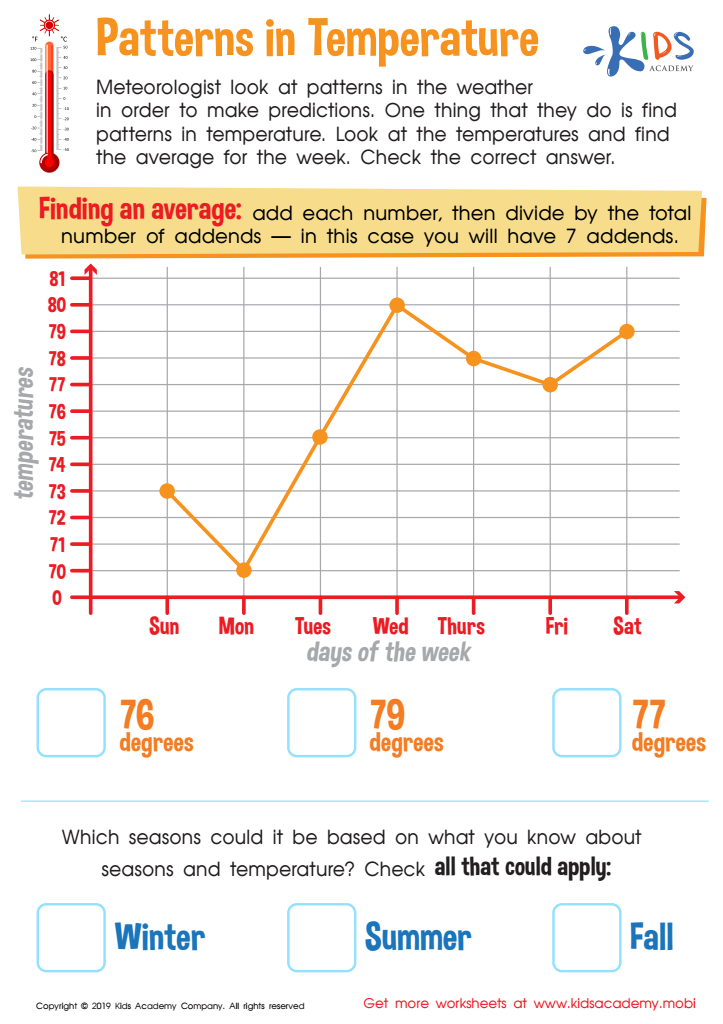
Patterns in Temperature Worksheet
Kids need to learn how to read and interpret data from graphs and charts. This free worksheet on temperature patterns helps them to do just that. They'll practice finding averages and answer questions in multiple-choice format. Plus, it provides a great learning experience!
Patterns in Temperature Worksheet
Worksheet
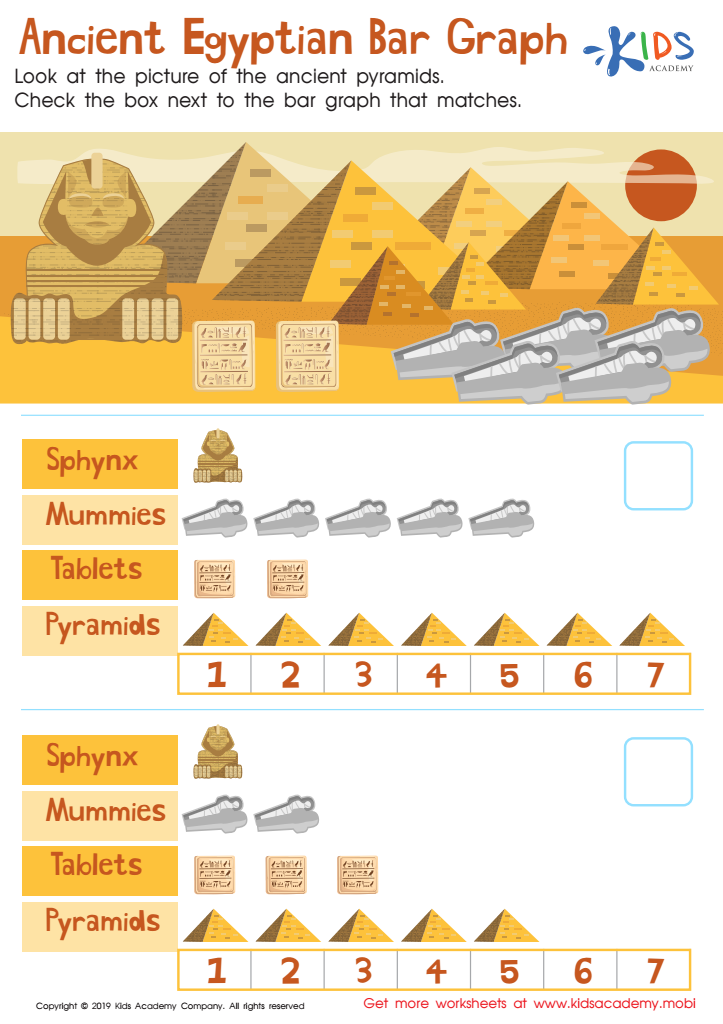
Egyptian Bar Graph Worksheet
Help your kids get a hang of bar graphs with this fun worksheet. Examine the picture of the ancient pyramids and help them match the bar graph to it. Check the box next to the correct bar graph and watch your little ones learn quickly!
Egyptian Bar Graph Worksheet
Worksheet
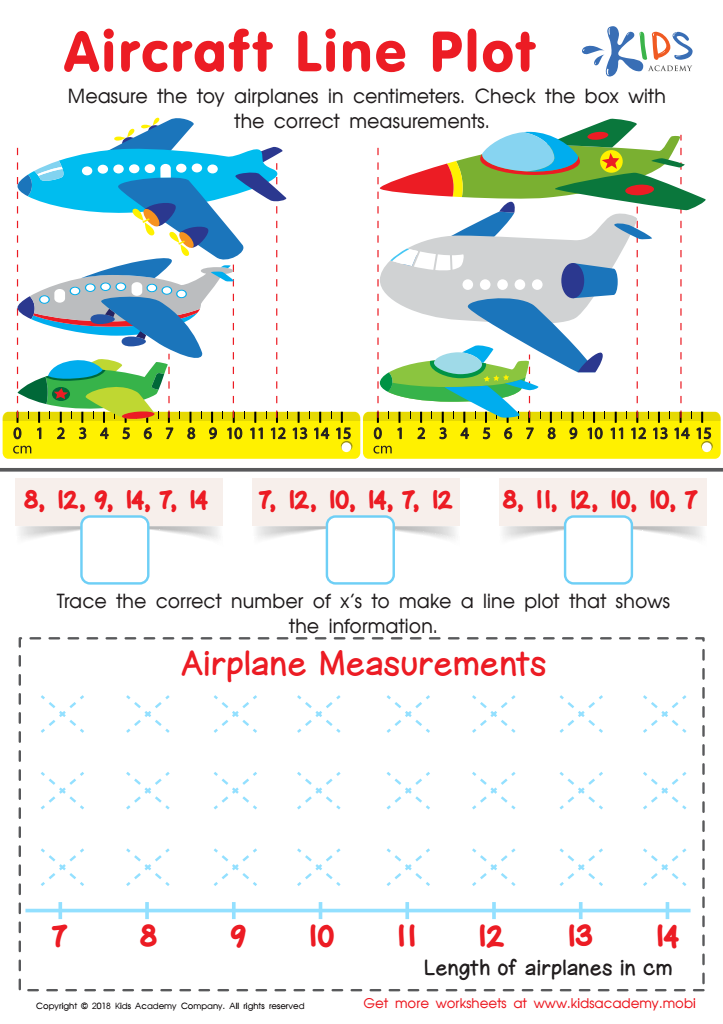
Aircraft Line Plot Worksheet
If your kids are aviation enthusiasts, they'll love this worksheet! Look at the picture with them, then ask them to measure the toy planes in cm. Check the box with the right measurements and then trace the x's to make a line plot with the data.
Aircraft Line Plot Worksheet
Worksheet
Join Kids Academy for Free
Who is primarily going to use this learning content?





.jpg)


Analyzing data in math is essential for 8-year-olds as it lays the groundwork for critical thinking and problem-solving skills. At this age, children are developing their ability to interpret information and make informed decisions, which are vital skills for their academic journey and daily life. By engaging with data analysis, students learn how to collect, organize, and represent information, fostering a deeper understanding of mathematical concepts.
Parents and teachers should care about this aspect of math education because it contributes to cognitive development and enhances analytical abilities. Understanding data helps children recognize patterns, draw conclusions, and grasp the relevance of math in real-world contexts, such as interpreting graphs or statistics. Furthermore, these skills promote curiosity and encourage children to ask questions about the information presented to them, nurturing a lifelong love for learning.
Moreover, as technology continues to evolve, data literacy is increasingly crucial in a world driven by information. By prioritizing data analysis at an early age, parents and teachers equip children with foundational skills to navigate future academic challenges, leading to more confident and capable learners. Ultimately, investing in data analysis education is investing in children’s overall competence and readiness for life beyond the classroom.








