Color Identification Math Worksheets for 8-Year-Olds - Page 2
28 filtered results
-
From - To
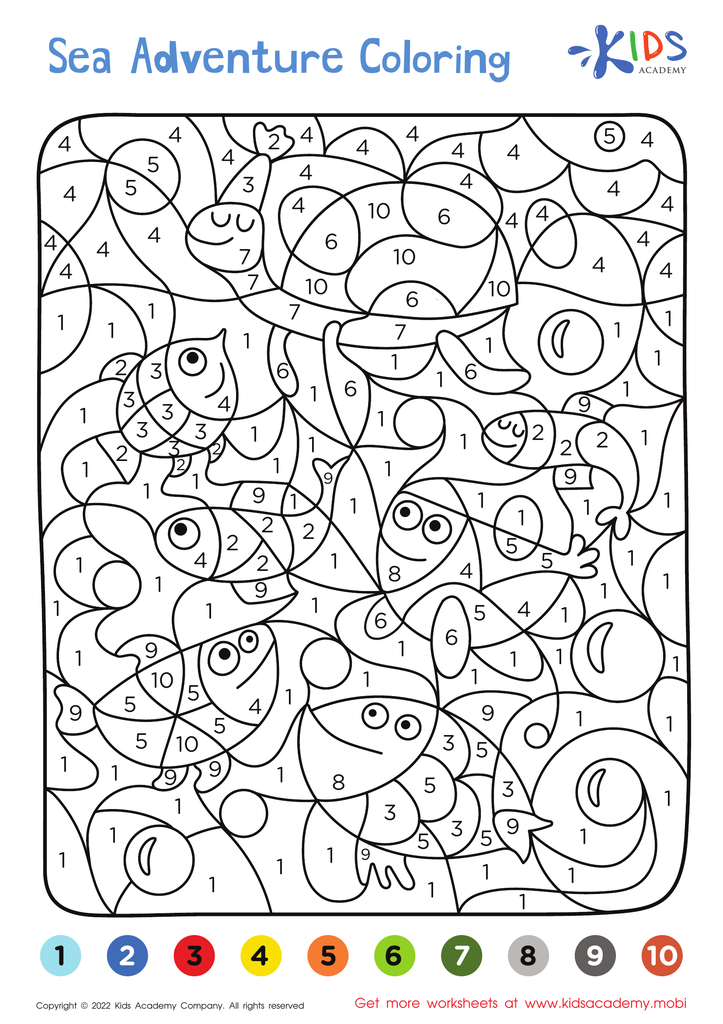
Sea Adventure – Coloring by Numbers
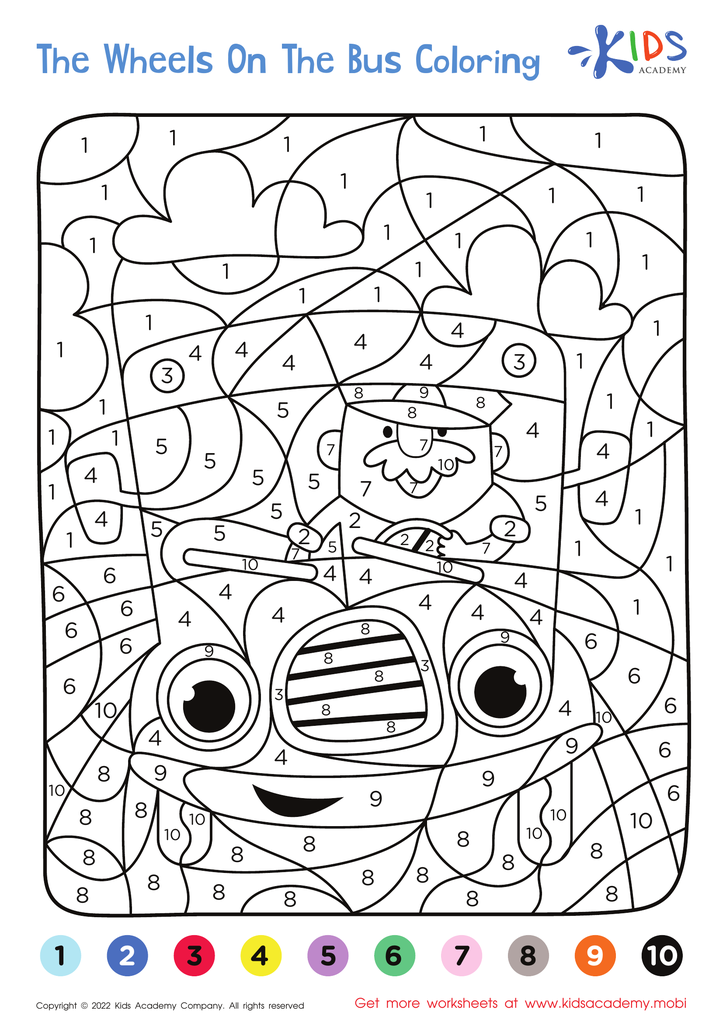
Wheels on the Bus – Coloring by Numbers
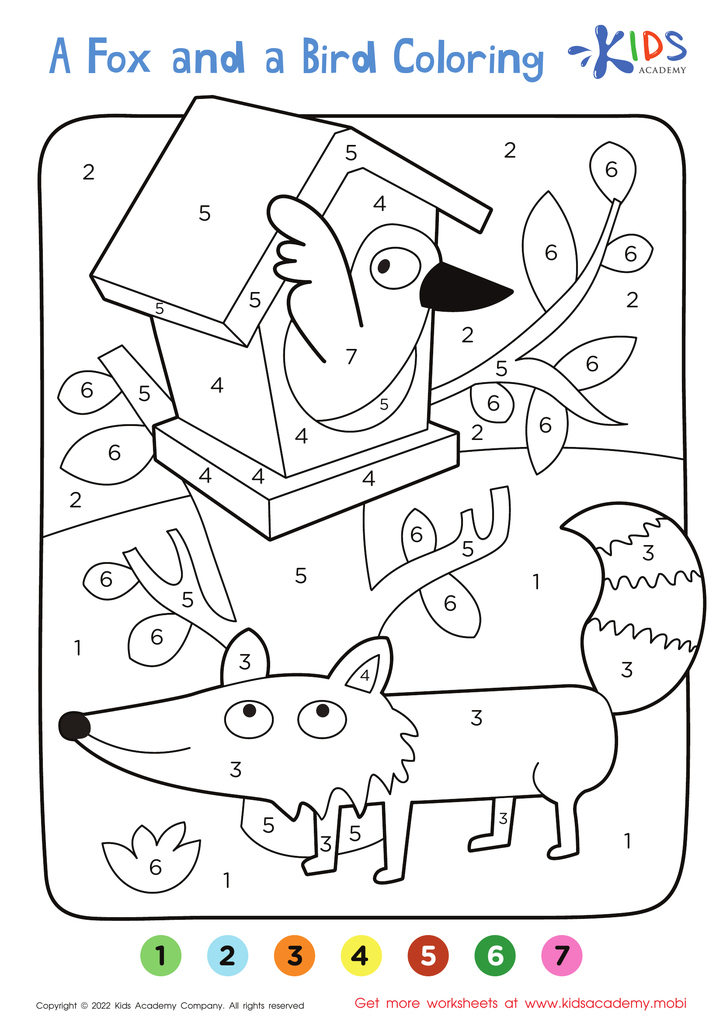
A Fox and a Bird – Coloring by Numbers







Color identification math for 8-year-olds is an educational approach that blends both color recognition and mathematics, offering several benefits pivotal for a child's development.
Firstly, combining color identification with math enhances cognitive abilities, particularly visual processing skills. Children learn to differentiate and categorize colors, which fortifies their attention to detail. This capability is crucial in various math concepts like patterns, graphs, and geometry where color coding is often used.
Secondly, it boosts memory retention. Associating colors with numbers or mathematical operations can create mental anchors, making it easier for children to recall information. For example, a color-coded number line or multiplication table can serve as a powerful visual aid.
Additionally, it supports relational thinking and problem-solving. When children engage in activities that require them to use colors in mathematical contexts, such as sorting objects or solving color-coded problems, they practice critical thinking and the ability to connect different pieces of information logically.
Moreover, using colors can add an element of fun to learning, making math more engaging and less intimidating. An engaging learning environment fosters a stronger love for the subject and can lead to improved academic performance.
For these reasons, parents and teachers should prioritize color identification math as a multifaceted tool that supports both cognitive and emotional aspects of a child's learning journey.








