Comparative analysis Math Worksheets for 8-Year-Olds
3 filtered results
-
From - To
The "Comparative Analysis Math Worksheets for 8-Year-Olds" available from Kids Academy offer a comprehensive series of engaging activities designed to enhance mathematical skills at an early age. Specifically tailored for 8-year-olds, these printable worksheets cover core concepts like comparing numbers, understanding value scopes, and sharpening analytical thinking. Each worksheet provides a balance of challenges to keep young learners motivated and eager to unlock new knowledge. Ideal for teachers and parents, these resources ensure progressive learning with a clear focus on comparative analysis, essential for strengthening foundational math proficiency. Explore and download today to make learning both fun and educational!
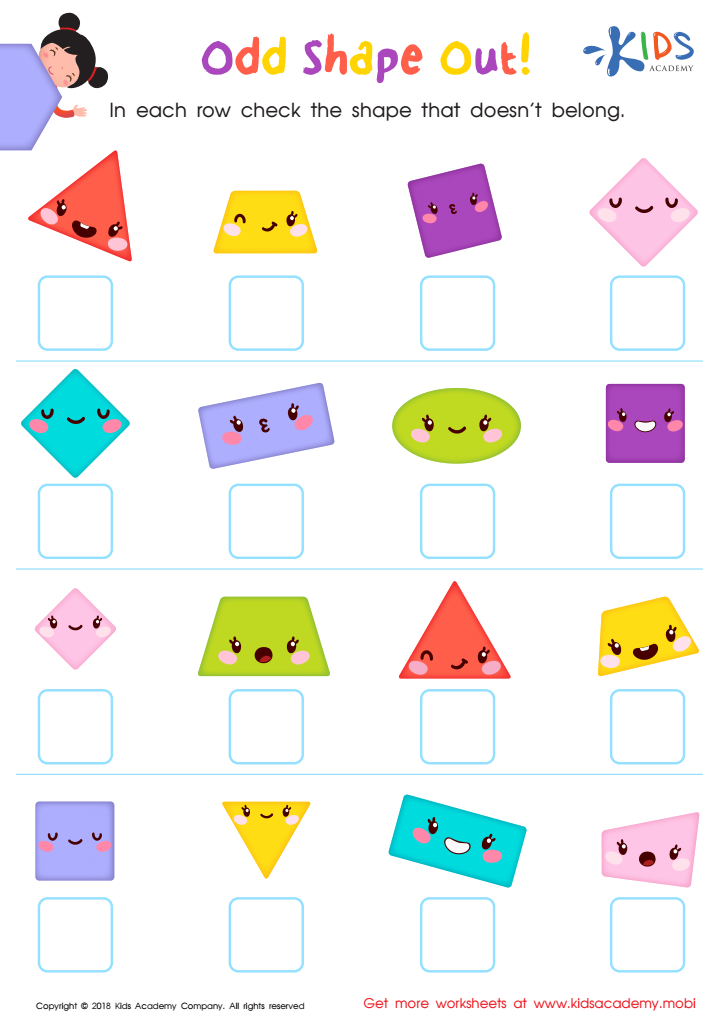
Odd Shape Out Worksheet for Grade 3
 Assign to My Students
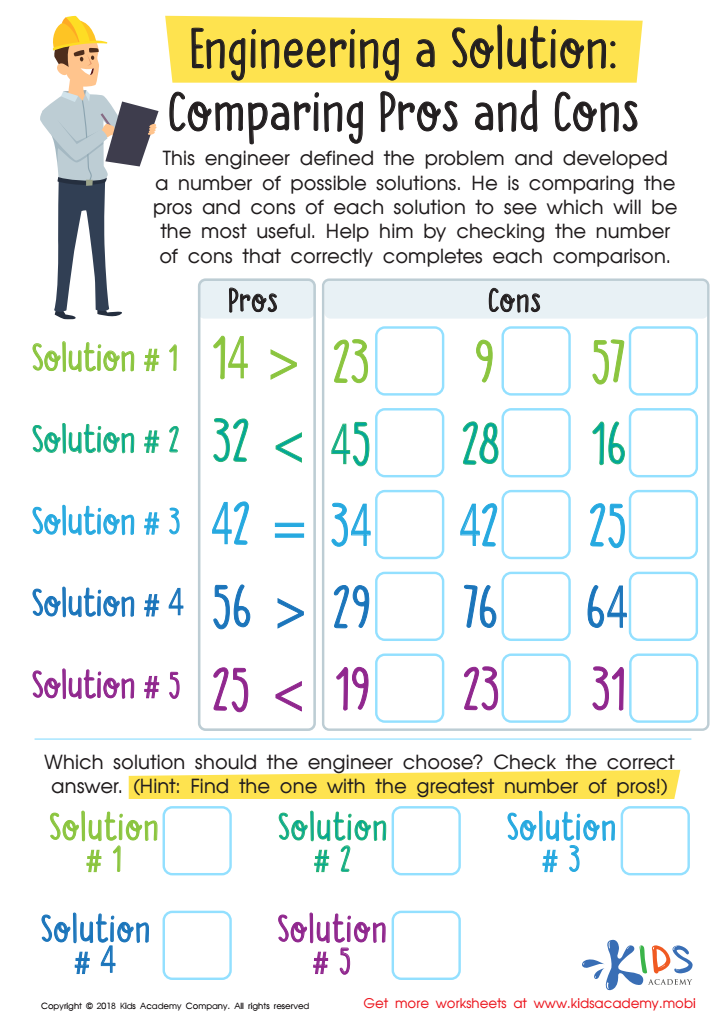
Engineering a Solution: Comparing Pros and Cons Worksheet
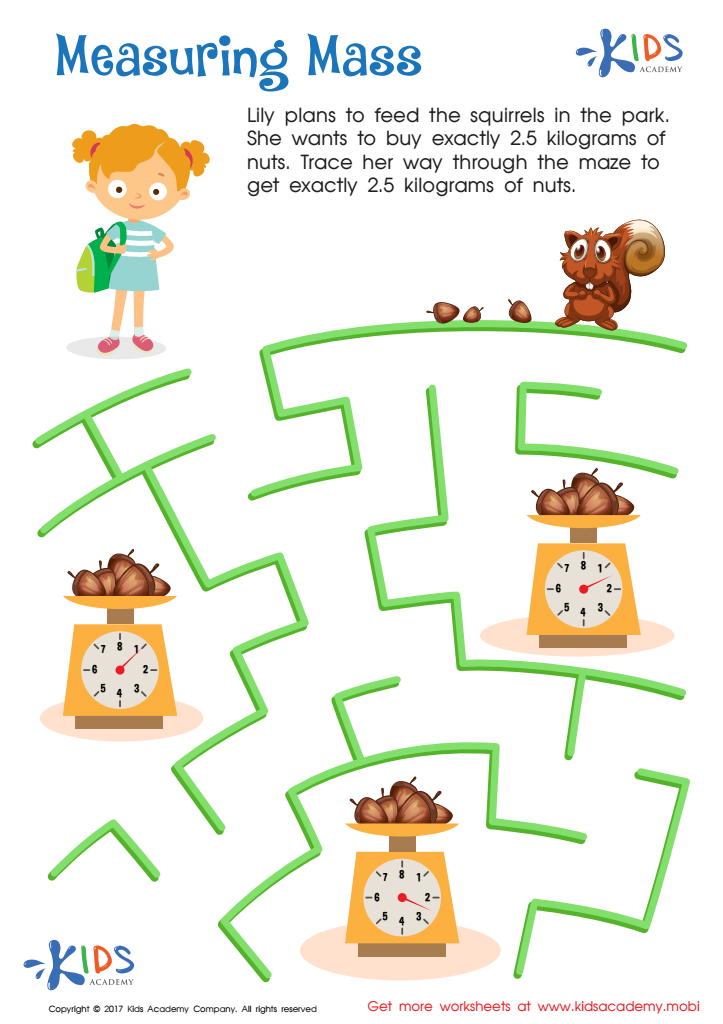
Measuring Mass Worksheet








Comparative analysis in math is vital for 8-year-olds because it fosters critical thinking and problem-solving abilities that are essential for academic and life success. When children engage in comparing numbers, shapes, or data sets, they learn to discern patterns, make predictions, and understand relationships. This not only enhances their mathematical skills but also builds a solid foundation for understanding more complex concepts in the future.
For parents, fostering these skills at home can significantly reinforce what is taught in the classroom. Engaging in simple comparative activities, like measuring ingredients for a recipe or comparing scores in a game, makes math relevant and fun, aiding retention and comprehension. Additionally, when parents are on board, they can closely monitor their child's progress and provide timely support or enrichment activities tailored to their child's needs.
For teachers, incorporating comparative analysis in lessons ensures that students are not just memorizing facts, but actually understanding and applying them. This competency allows for better formative assessment through observations of how students approach problems. Ultimately, focusing on comparative analysis math equips 8-year-olds with essential cognitive skills, promoting logical thinking, independent learning, and confidence, setting the stage for more advanced concepts they will encounter later in their educational journey.








