Fine motor skills (drawing) Math Worksheets for 8-Year-Olds
3 filtered results
-
From - To
Unlock the potential of your 8-year-old with our engaging Fine Motor Skills (Drawing) Math Worksheets! Specifically designed to combine fundamental math concepts with fine motor skill development, these worksheets offer a fun, interactive way for children to enhance their handwriting, coordination, and artistic abilities while solving math problems. Perfect for young learners, the activities include tracing shapes, drawing patterns, and practicing number formations, all aligned with educational standards. Give your child a head start in both math and fine motor skills with our expertly crafted worksheets, ensuring a balanced and enjoyable learning experience.
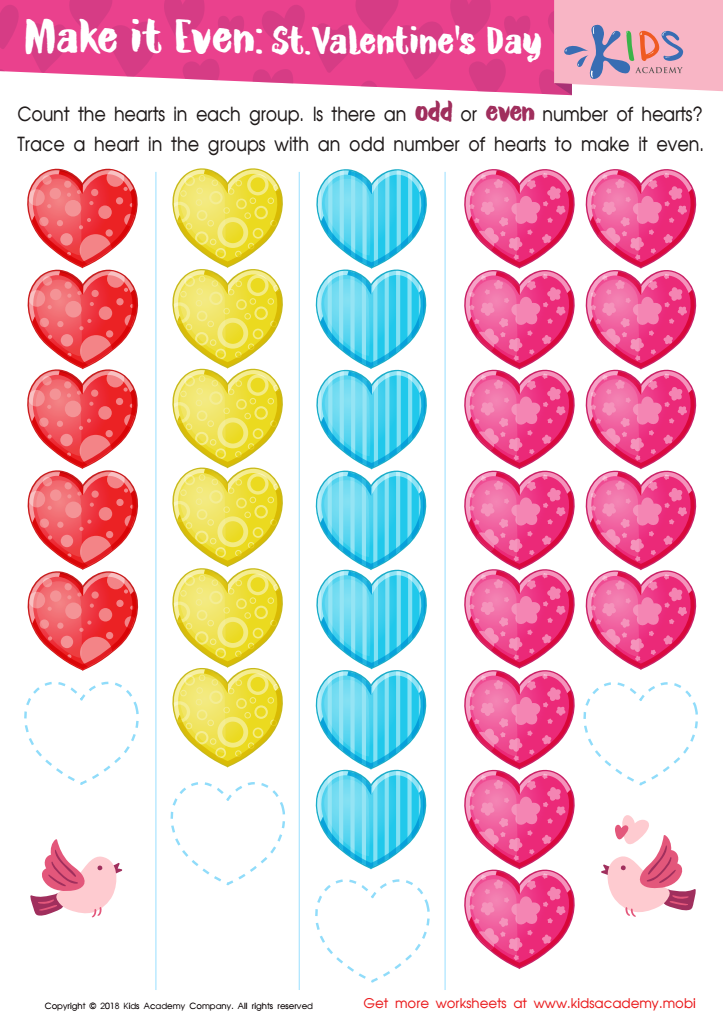
Make it Even: St. Valentine's Day Worksheet
 Assign to My Students
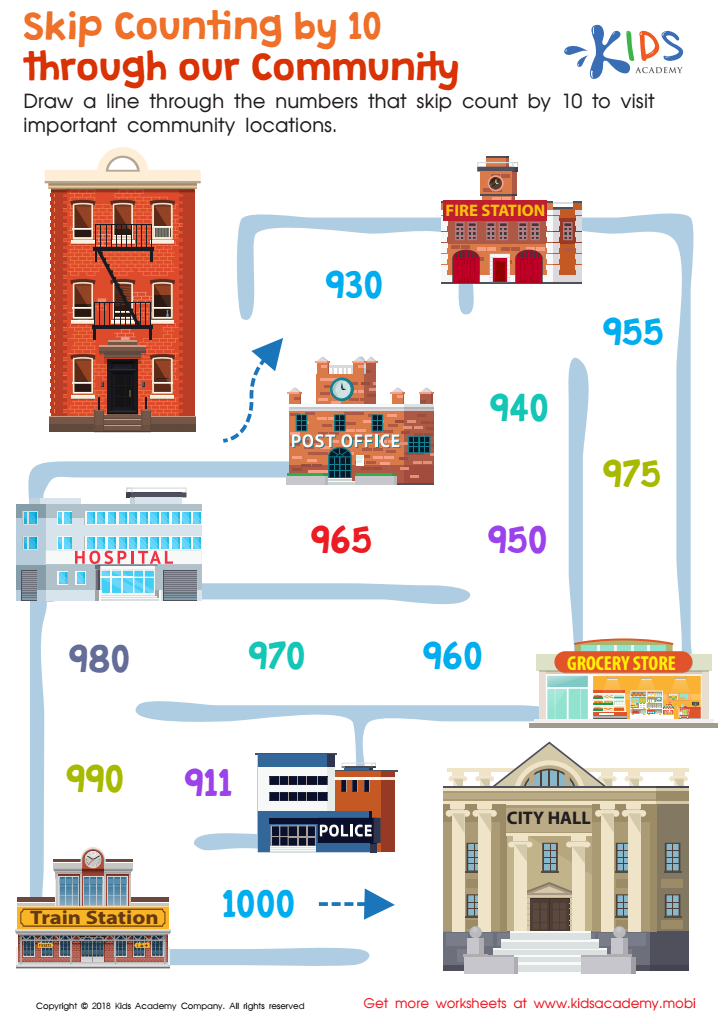
Skip Counting by 10 Through Our Community Worksheet
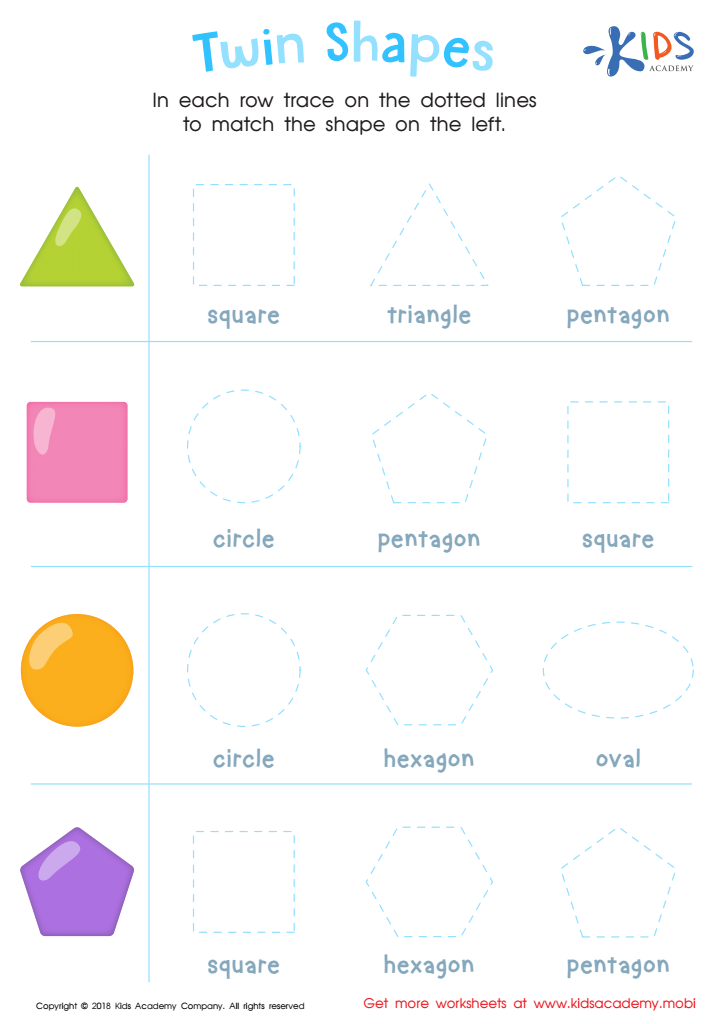
Twin Shapes Dot-to-Dot Worksheet







Fine motor skills (drawing) and math are fundamental components of a child’s overall development, and parents and teachers have good reason to focus on these areas for 8-year-olds. Fine motor skills refer to the coordination of small muscles in movements – usually involving the synchronization of hands and fingers – with the eyes. Engaging in activities like drawing not only enhances these skills but also boosts hand-eye coordination, spatial understanding, and the ability to focus on detailed tasks. When children refine their fine motor abilities, they become more adept at everyday tasks such as writing, cutting with scissors, and buttoning their clothes.
Math plays an equally pivotal role by framing a child's logical thinking, problem-solving abilities, and numerical comprehension. When teachers and parents invest in both areas simultaneously, they foster an integrated approach to learning that connects abstract concepts with tangible activities. For example, drawing geometric shapes helps children grasp math concepts like symmetries, proportions, and measurements. This integrated learning approach anchors abstract mathematical ideas in real-world practices, making them easier to understand and recall.
Ultimately, honing fine motor skills alongside math fosters a balanced intellectual and physical development, equipping children with critical tools for academic success and daily life. It ensures that children grow into confident, capable, and well-rounded individuals prepared for future challenges.








