Identify shapes Math Worksheets for 8-Year-Olds
11 filtered results
-
From - To
Unlock your child’s geometric potential with our "Identify Shapes Math Worksheets for 8-Year-Olds". Designed specifically for second graders, these engaging worksheets enable kids to recognize and name various shapes, understand their properties, and enhance problem-solving skills. Our fun, colorful activities help develop visual-spatial intelligence, laying a solid foundation for future math success. Perfect for classroom use or extra practice at home, each worksheet is crafted by educational experts to ensure it aligns with school curriculums and keeps young learners motivated and excited about math. Join us at Kids Academy and watch your child’s confidence in geometry soar!
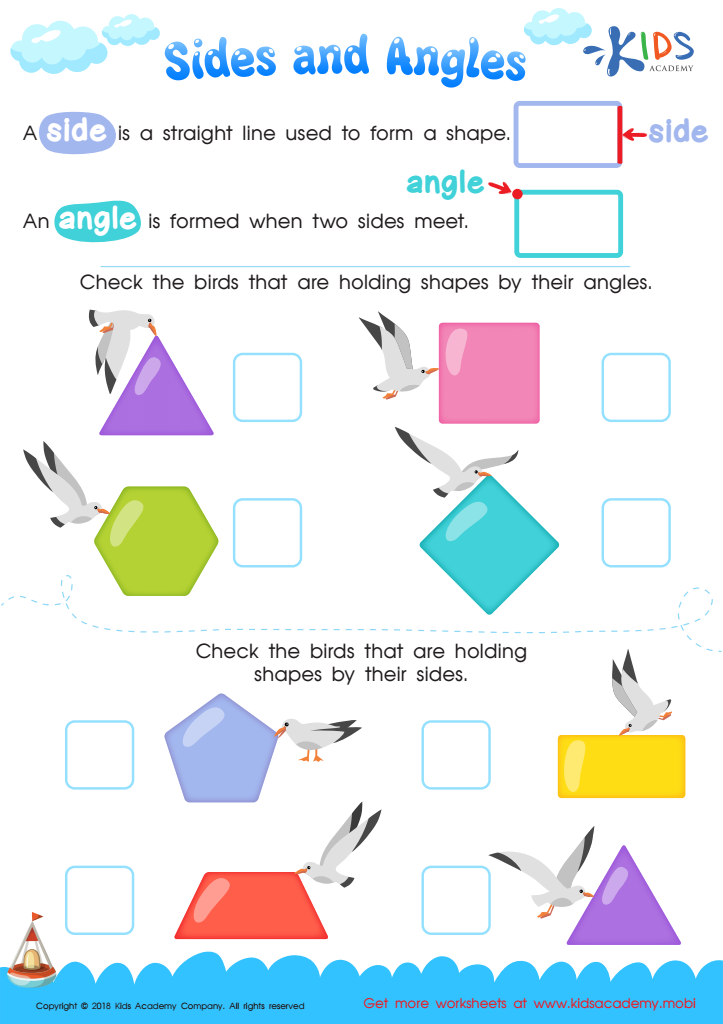
Sides and Angles Worksheet
 Assign to My Students
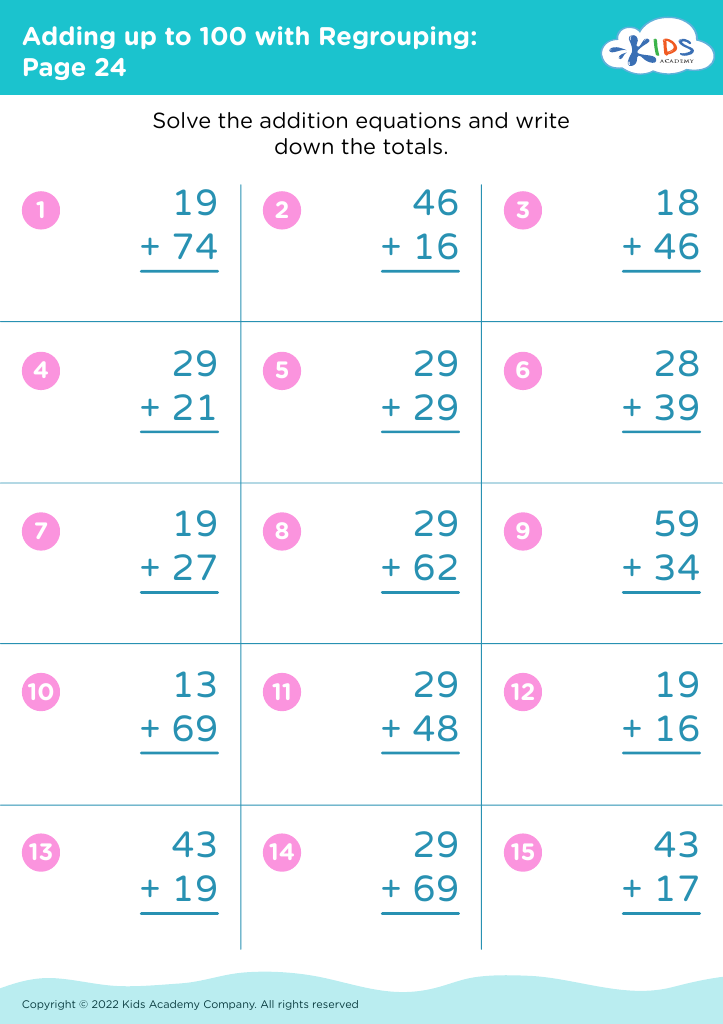
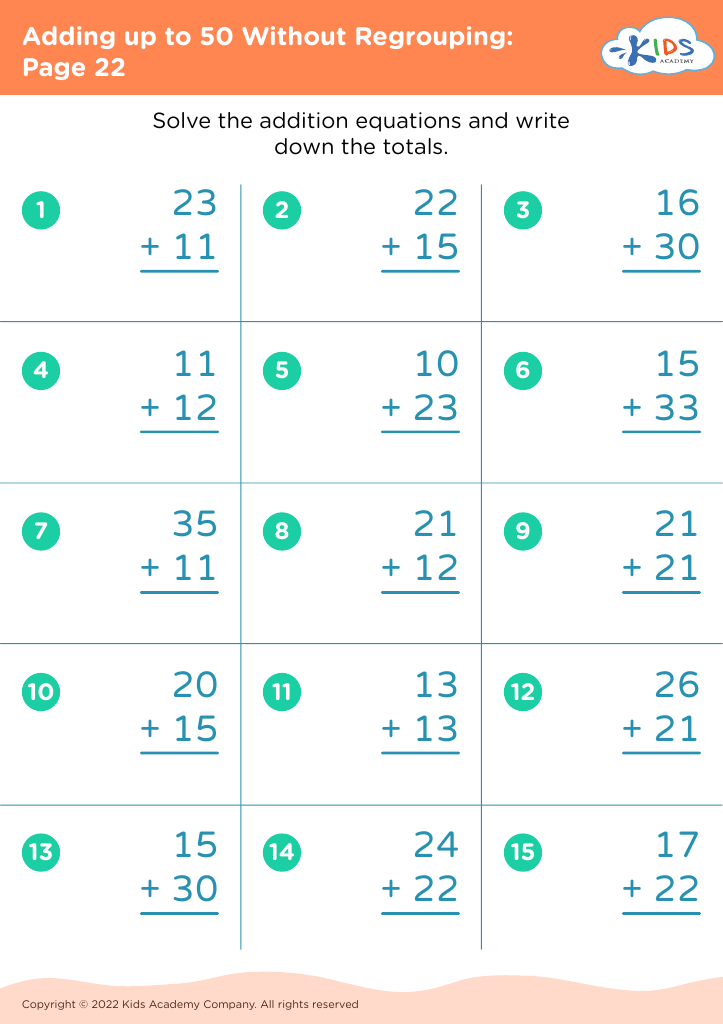
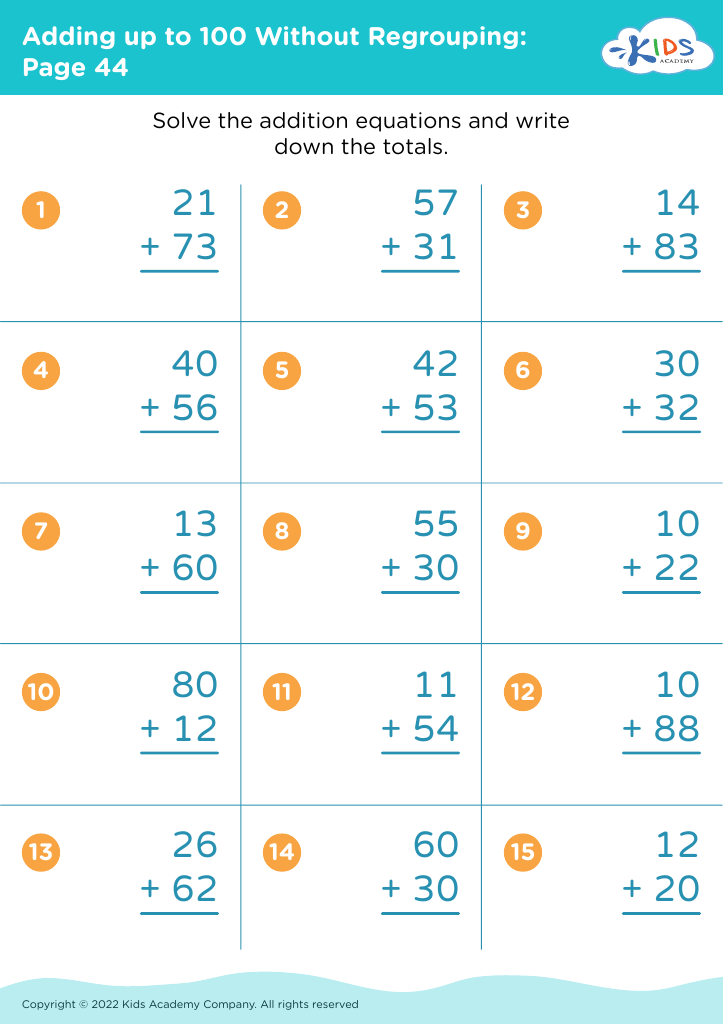






Understanding shapes is a fundamental aspect of early math education, and it presents many benefits for 8-year-olds. First, recognizing and identifying shapes fosters visual perception and spatial awareness, key skills that children use daily to interact with their environment. These abilities not only help with understanding geography, art, and even science but also enhance problem-solving and critical thinking skills.
Furthermore, early geometry knowledge paves the way for more advanced mathematical concepts. By learning shapes, children begin to grasp crucial ideas such as symmetry, proportion, and properties of objects, which are foundational for later topics like fractions, measurement, and algebra.
These skills and concepts are integrated into real world applications. For example, understanding shapes is essential in reading maps, creating blueprints, and even in technology with user interface design. For young artists, knowing shapes contributes to better drawing and painting skills.
Moreover, discussing shapes can enrich vocabulary and language skills as children learn to describe properties and characteristics using precise terminology. Activities involving shapes can also be hands-on and collaborative, promoting teamwork and communication among students.
Ultimately, a strong foundation in geometry boosts confidence and fosters a love for math, which is crucial for a child’s academic success and lifelong learning. Parents and teachers should recognize the importance of these skills and support children in exploring and mastering geometry.








