Memory enhancement Math Worksheets for 8-Year-Olds
3 filtered results
-
From - To
Certainly! Here’s a 100-word description for your web page:
"Enhance your child's mathematical skills with our engaging Memory Enhancement Math Worksheets designed specifically for 8-year-olds! These worksheets focus on developing memory and cognitive skills through captivating math exercises, ensuring a fun learning experience. By practicing various memory challenges, children will strengthen their ability to recall numbers, patterns, and mathematical concepts, laying a solid foundation for future learning. Our thoughtfully crafted worksheets encourage creativity and critical thinking, making math enjoyable. Perfect for home or classroom use, they are an invaluable resource for parents and teachers alike on the journey to fostering a love for math through memory-building activities!"
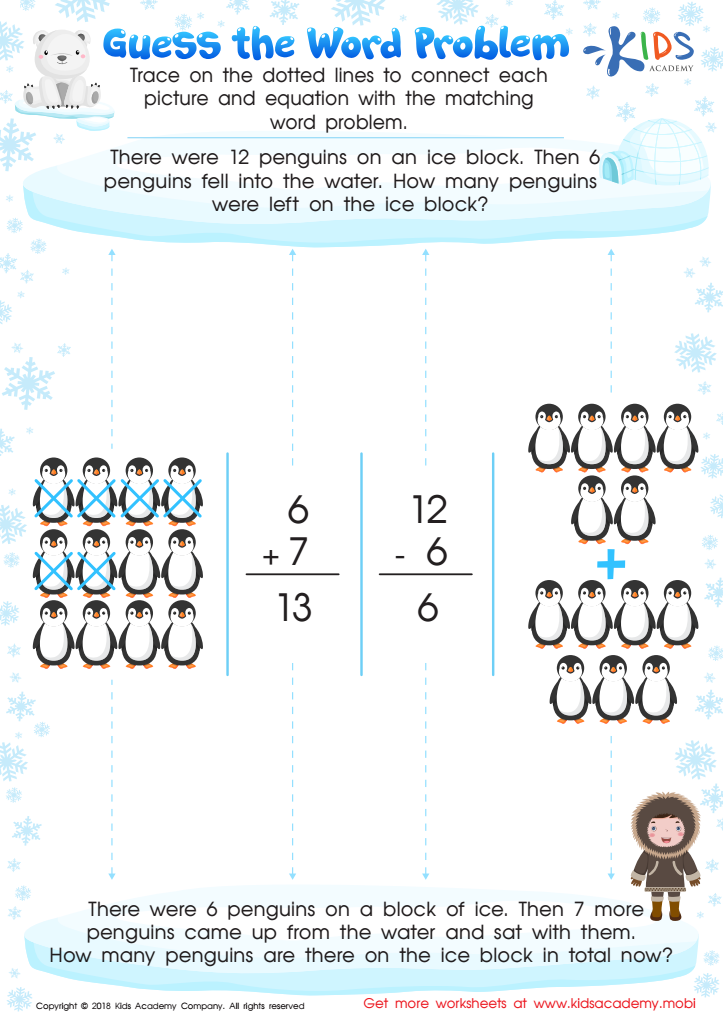
Guess the Word Problem Worksheet
 Assign to My Students
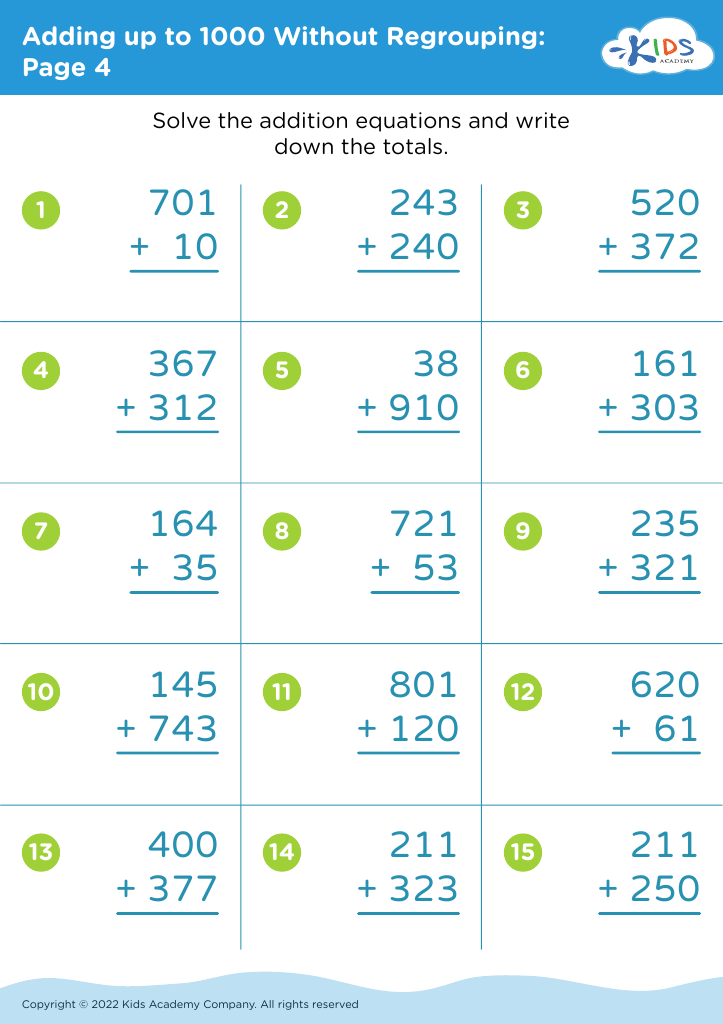
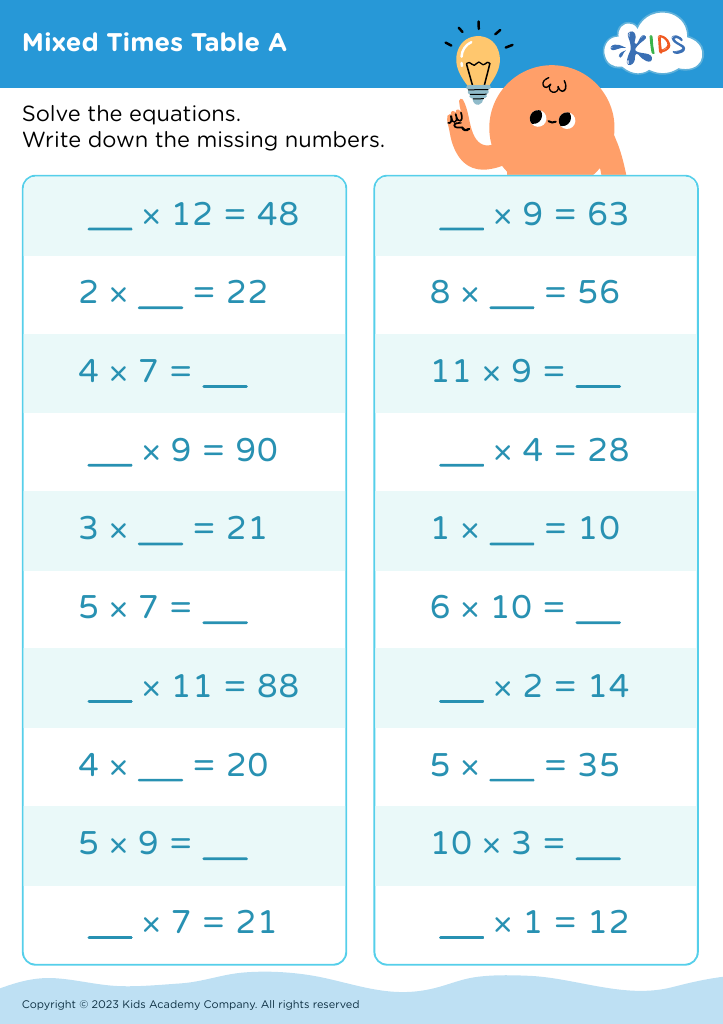





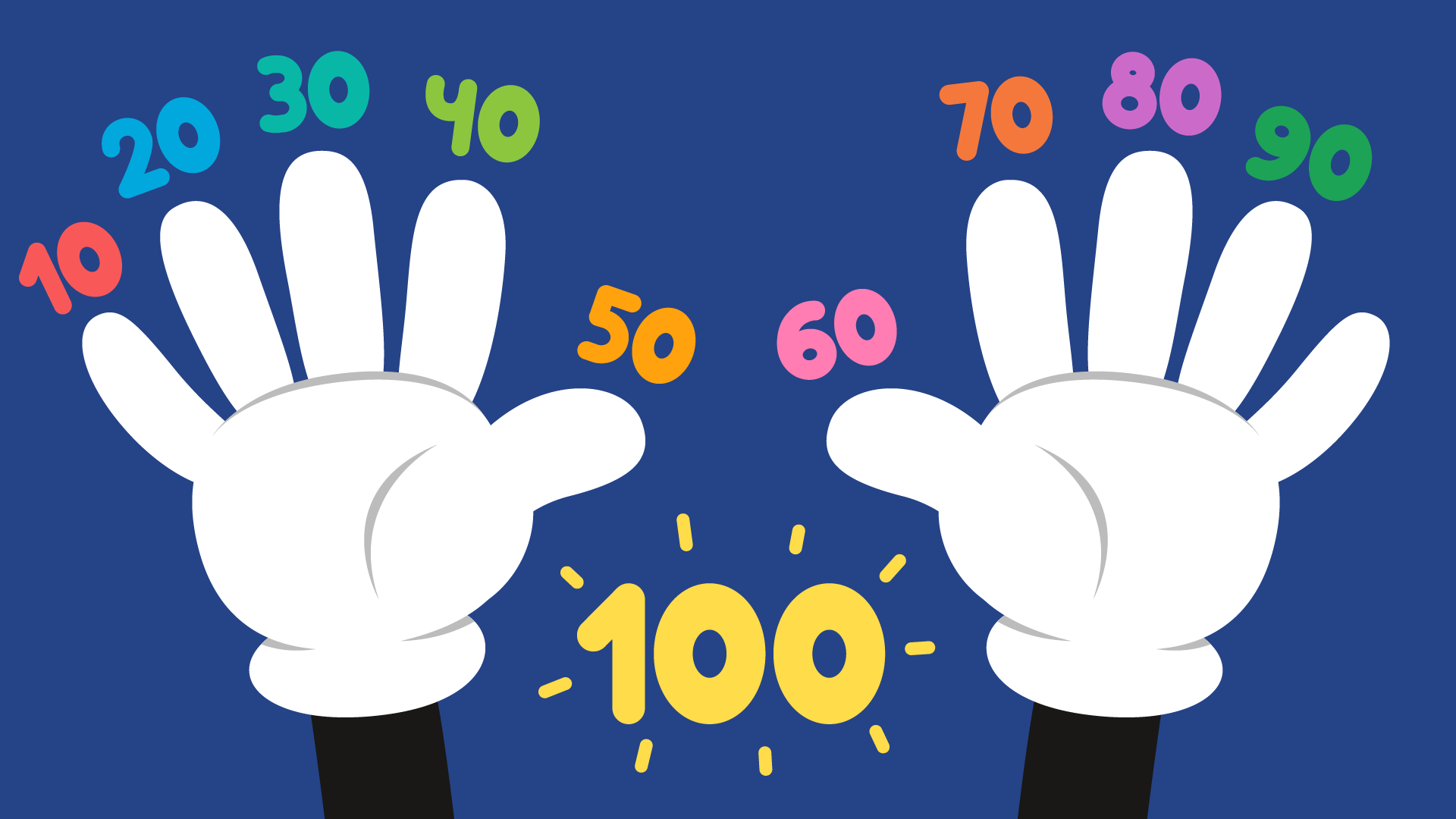

Memory enhancement in math for 8-year-olds is crucial for both parents and teachers because it lays the foundation for critical thinking and problem-solving skills. At this age, children are transitioning from concrete to abstract mathematical concepts, making it essential for them to retain and recall information efficiently. A strong memory aids in understanding fundamental principles, such as addition, subtraction, multiplication, and division—skills that are integral for future learning.
Furthermore, improving memory enhances confidence in young learners. When children can easily recall facts and figures, they are more likely to participate actively in class discussions and contests, fostering a love for learning. This positive reinforcement encourages persistence in facing mathematical challenges rather than shying away due to fear of failure.
Additionally, in today’s competitive educational environment, proficiency in math can have long-lasting effects on a child's academic and career choices. Teaching memory enhancement techniques like visualization, mnemonic devices, and practice games not only assists with immediate learning but also equips children with lifelong learning strategies. Ultimately, a focus on memory enhancement in math enables children to become independent learners, setting them on a path toward academic success and resilience in the face of obstacles.








