
Numerical problem solving Math Worksheets for 8-Year-Olds
3 filtered results
Difficulty Level
Grade
Age
-
From - To
Subject
Activity
Standards
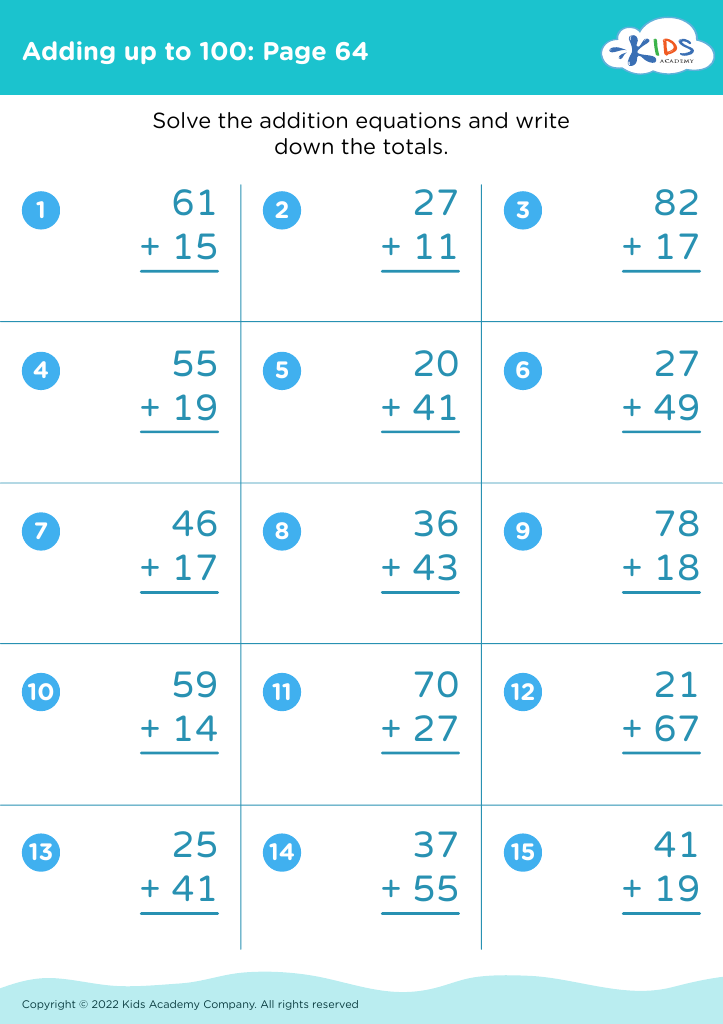
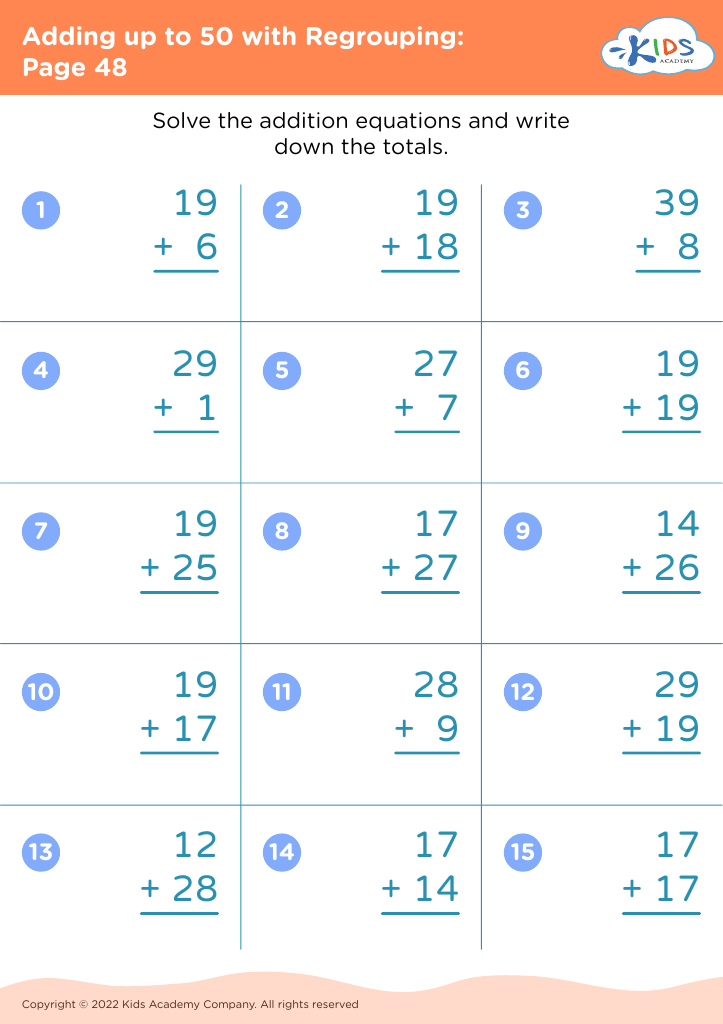
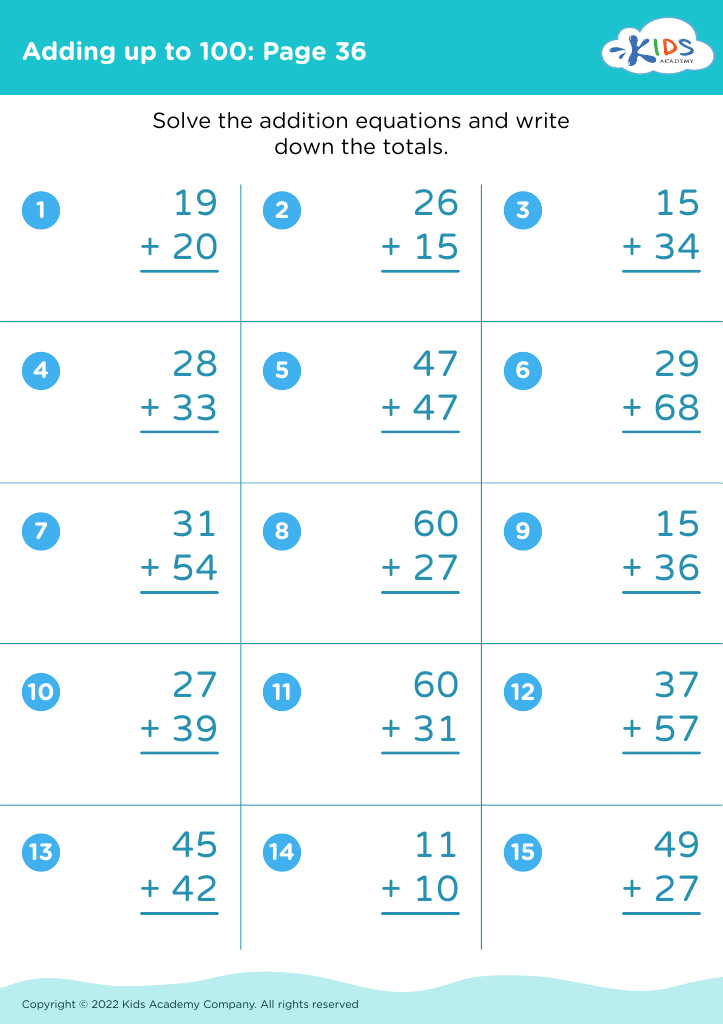
Discover our engaging numerical problem-solving math worksheets designed specifically for 8-year-olds! These worksheets provide young learners with valuable opportunities to enhance their critical thinking and mathematical skills. Each activity focuses on real-life scenarios, encouraging kids to apply their knowledge to solve interesting challenges. With a variety of formats, including word problems, visual prompts, and puzzles, children will enjoy practicing addition, subtraction, multiplication, and division in a fun and interactive way. Perfect for classroom use or at-home learning, our worksheets foster confidence, independence, and a love of math. Start your child’s journey to becoming a problem-solving pro today!
Favorites
With answer key
Interactive
Join Kids Academy for Free
Who is primarily going to use this learning content?






.jpg)

Parents and teachers should prioritize numerical problem-solving for 8-year-olds for several compelling reasons. First, this fundamental skill lays the groundwork for higher-level mathematics and critical thinking necessary in everyday life. By engaging in problem-solving, children learn to approach challenges with resilience, enhancing their cognitive development and analytical skills.
Second, numerical problem-solving fosters a deep understanding of mathematical concepts rather than rote memorization. Children begin to see the relevance of math in real-world situations, which sparks interest and motivation. This engagement is crucial at this age, as it helps build a strong mathematical foundation, promoting confidence and enjoyment in the subject.
Additionally, developing proficiency in problem-solving encourages collaboration and communication skills when children work together to solve challenges. Social skills are strengthened as they verbalize their thought processes and listen to others' strategies.
Lastly, instilling strong numerical problem-solving abilities at an early age prepares children for the demands of a technology-driven world, where these skills are increasingly essential for success in numerous careers. Therefore, parents and teachers have a pivotal role in nurturing these capabilities, ensuring children are equipped for future challenges and opportunities.








