Counting skills Building Vocabulary Worksheets for 8-Year-Olds
13 filtered results
-
From - To
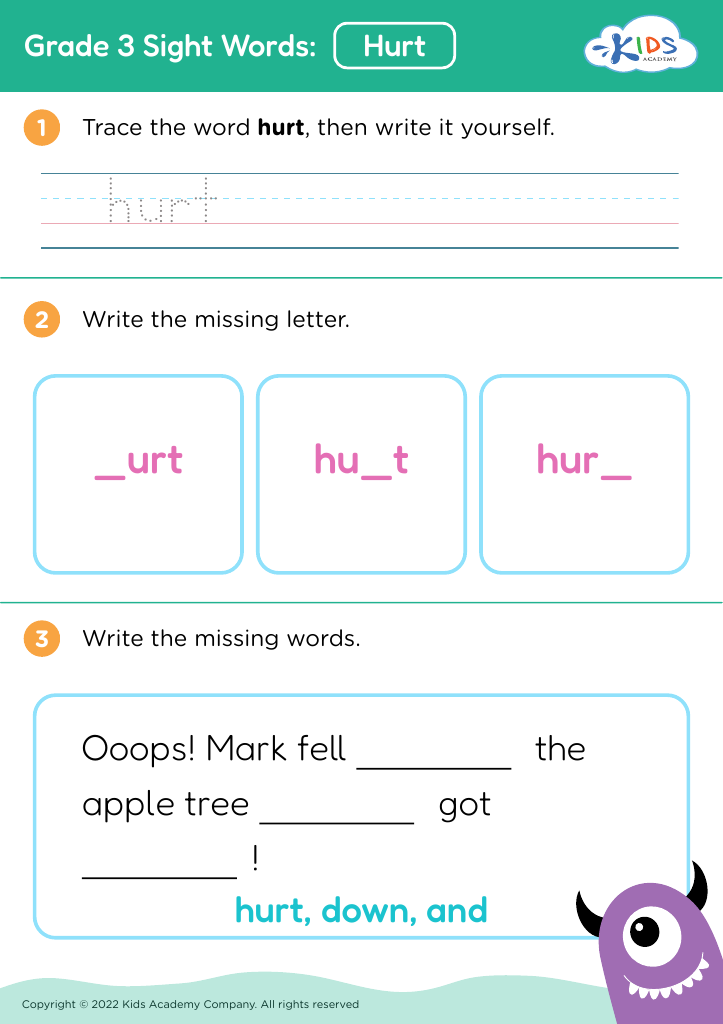
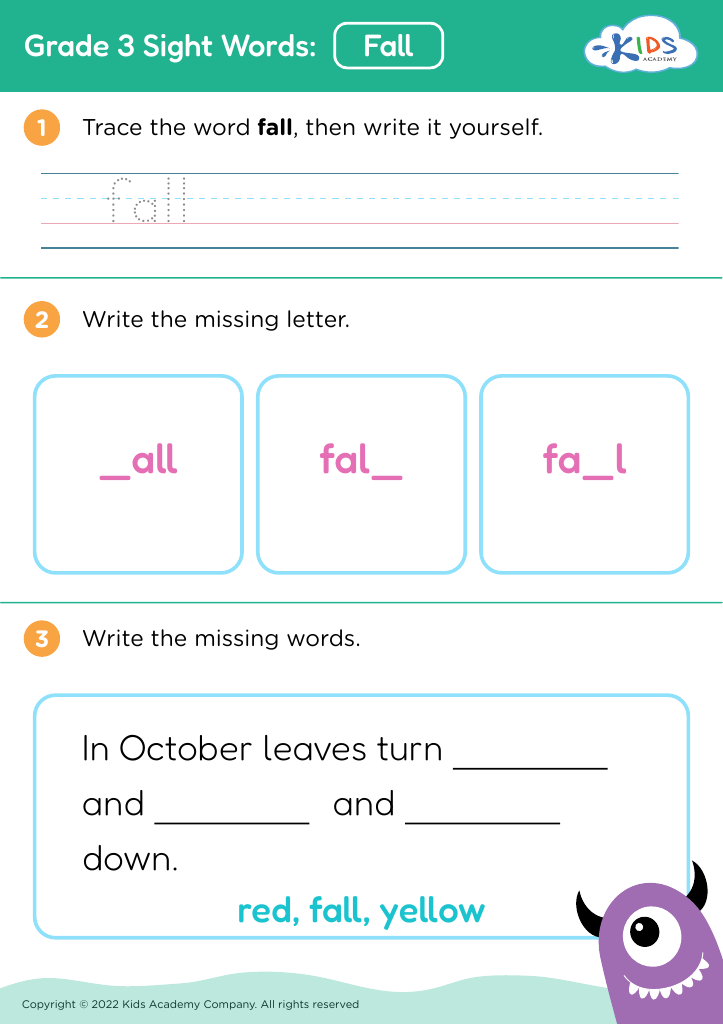
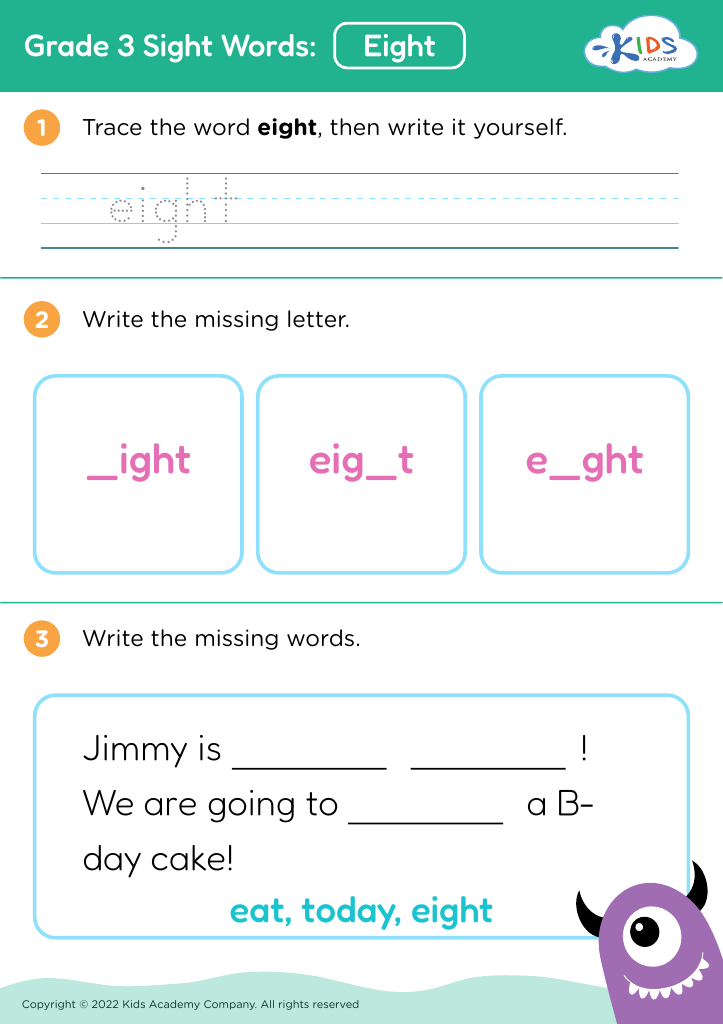
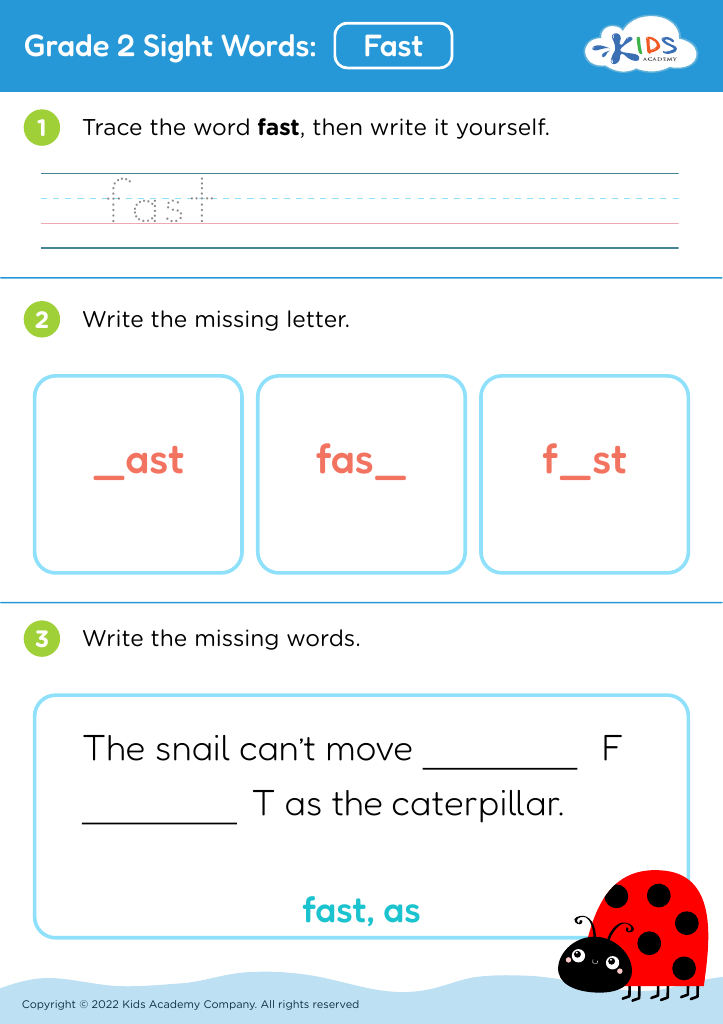
Discover our engaging Counting Skills Building Vocabulary Worksheets designed for 8-year-olds! These interactive and age-appropriate resources help children develop critical counting skills while expanding their vocabulary. Each worksheet features fun activities that encourage kids to recognize numbers, count objects, and associate terms with quantities, fostering a deeper understanding of mathematical concepts. As they practice counting, children will also enrich their language skills through word recognition and definition exercises. Perfect for reinforcement in the classroom or at home, our worksheets promote learning through play, ensuring that your child gains confidence in their counting abilities while enjoying the process. Get started today!
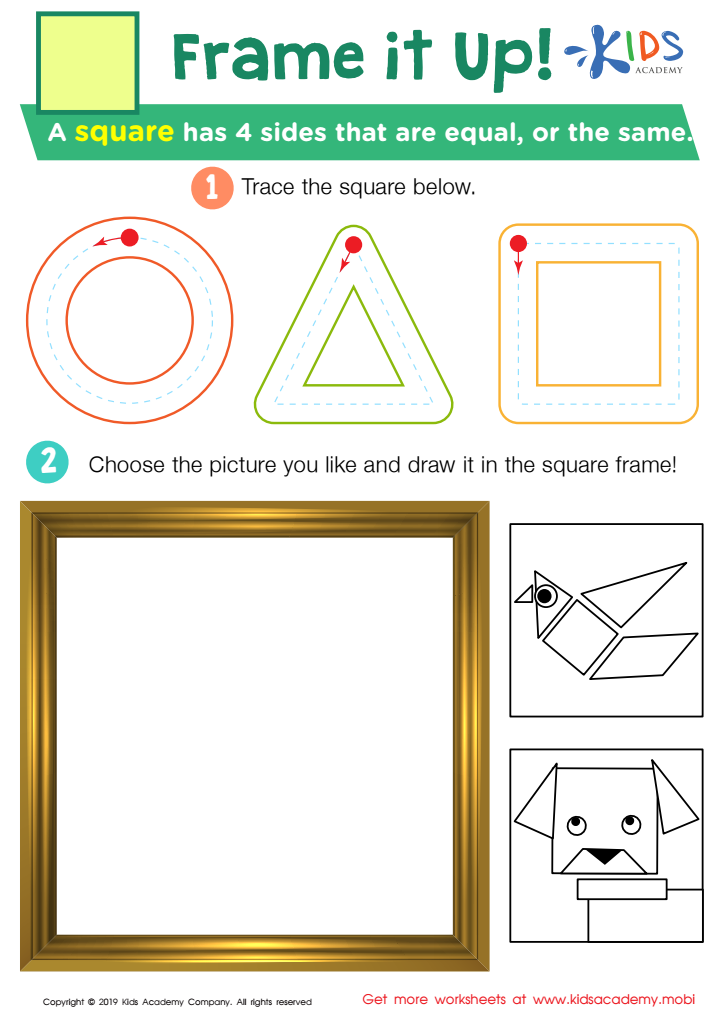
Frame it Up Worksheet
 Assign to My Students











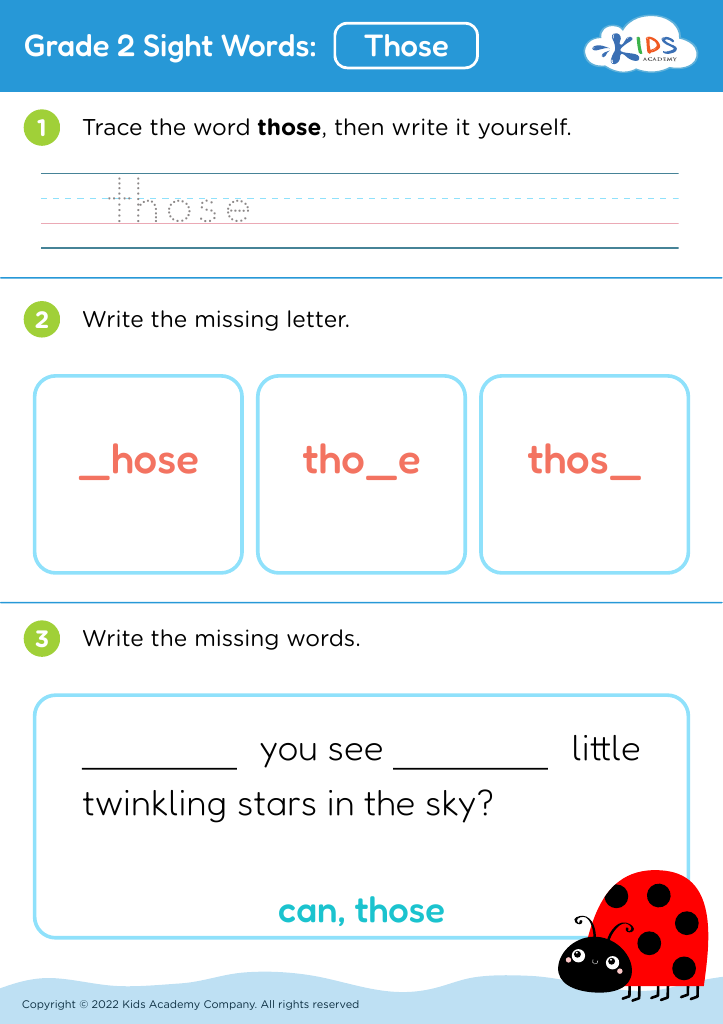
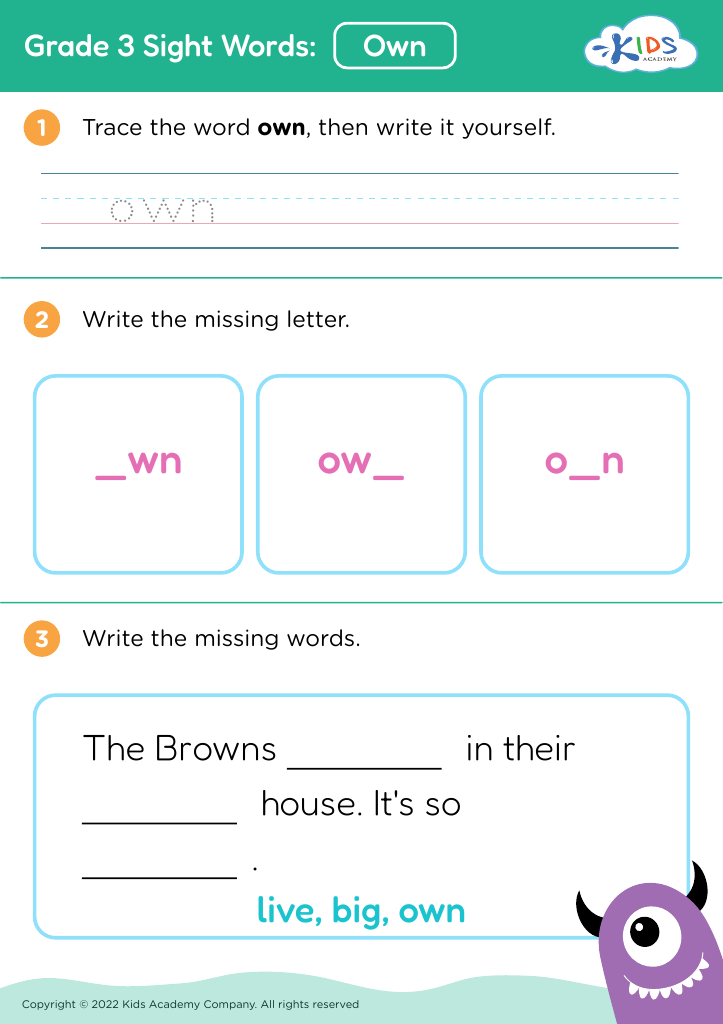
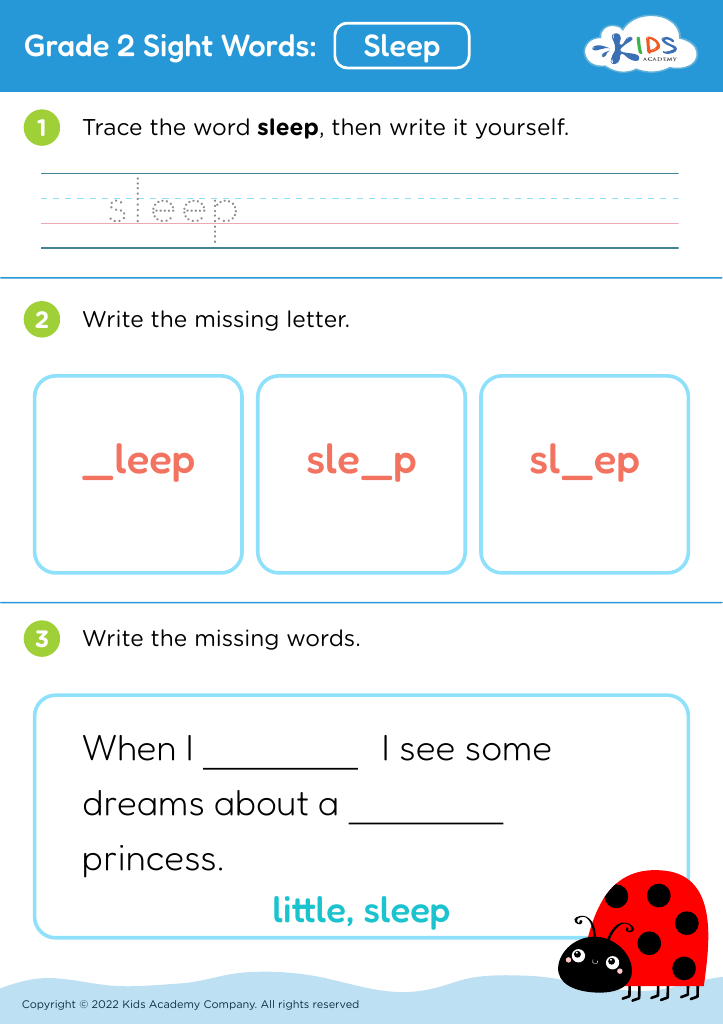
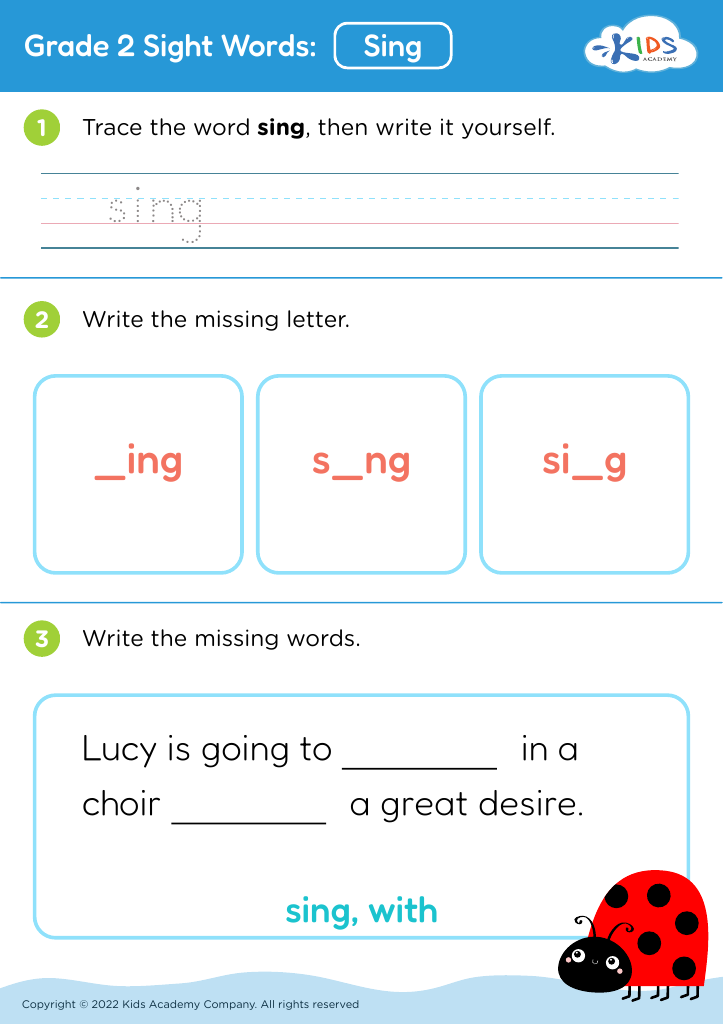
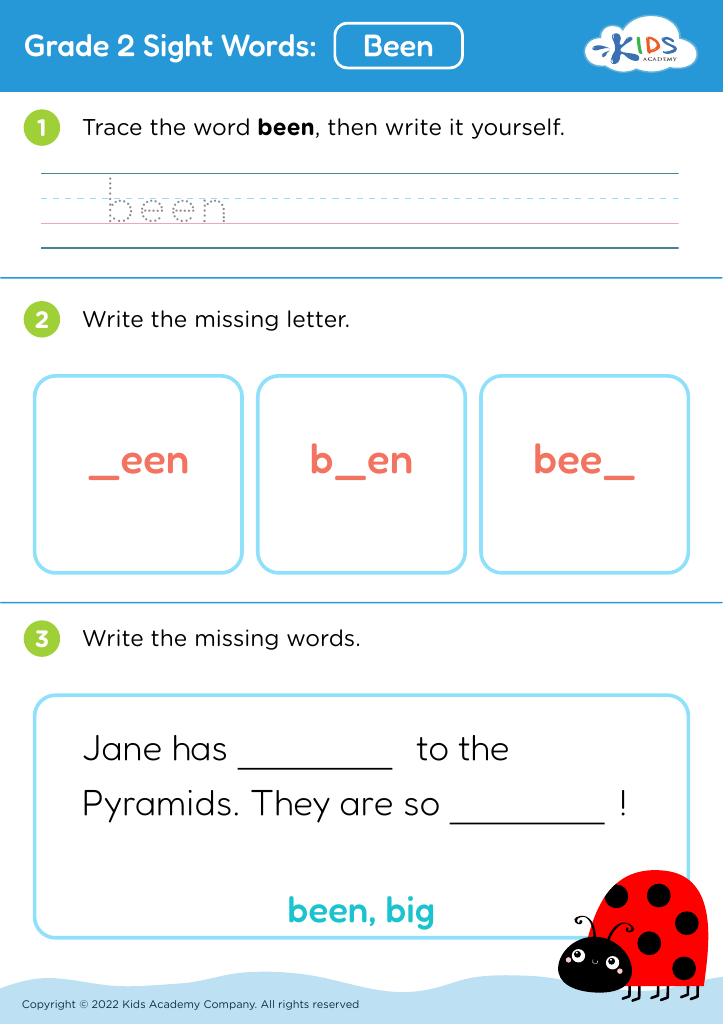








Counting skills and vocabulary development are essential building blocks for an 8-year-old's academic success and overall cognitive growth. First, counting skills enhance a child's ability to understand numerical concepts and relationships, which are vital for future learning in mathematics. A solid foundation in counting promotes logical thinking and problem-solving abilities, crucial for a child's academic journey.
Secondly, building vocabulary is equally important as it enriches communication skills and comprehension. At this age, children begin to read more complex texts, making a robust vocabulary vital for grasping new ideas and concepts. A rich vocabulary not only aids in reading but also boosts writing skills and encourages effective expression of thoughts and emotions.
Parents and teachers should prioritize these skills because they are interconnected. As children learn to count, they encounter new terms related to numbers and measurements, expanding their language. Similarly, a strong vocabulary can enhance understanding of mathematical concepts. Encouraging both counting and vocabulary development fosters a love for learning, instills confidence, and prepares children for future academic and social success. Engaging in fun, interactive activities that incorporate both skills can significantly benefit children's overall development.








