Following instructions Building Vocabulary Worksheets for 8-Year-Olds
9 filtered results
-
From - To
Our "Following Instructions Building Vocabulary Worksheets for 8-Year-Olds" are designed to enhance reading comprehension and vocabulary while honing critical listening skills. These engaging worksheets challenge children to follow multi-step instructions accurately, helping them develop a strong foundation for academic success. Through fun activities and interactive exercises, kids will learn new words in context, practice sequencing, and improve their ability to understand and execute directions. Perfect for at-home learning or classroom use, these worksheets cater to various learning styles and keep young minds engaged. Boost your 8-year-old's reading skills and vocabulary today with our expertly crafted resources!
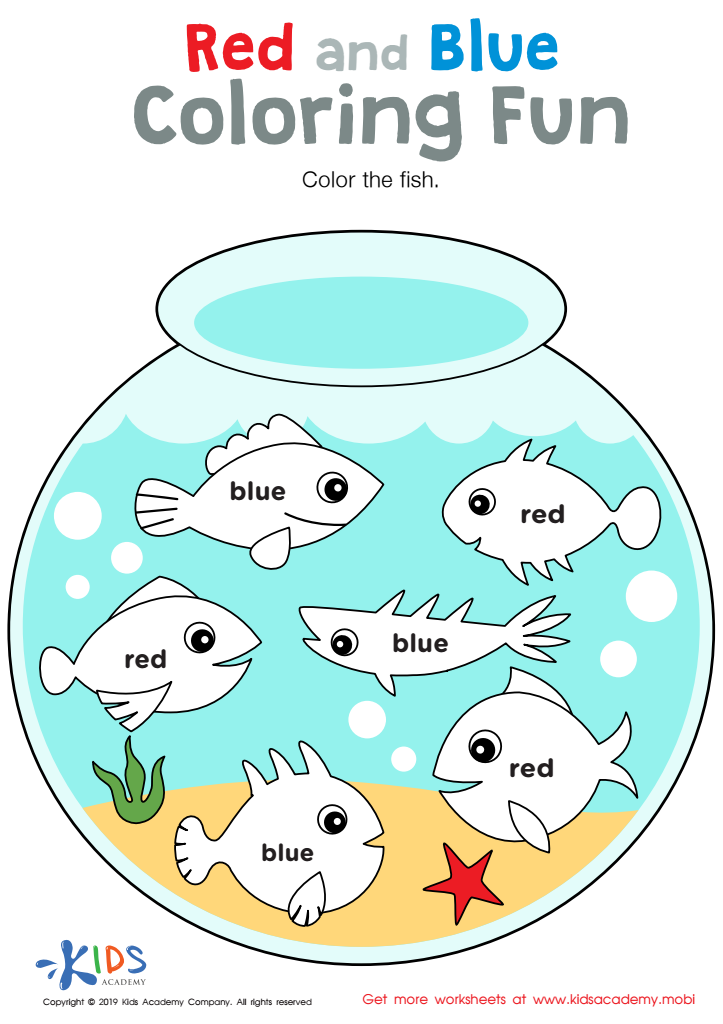
Red and Blue Coloring Fun Worksheet
 Assign to My Students











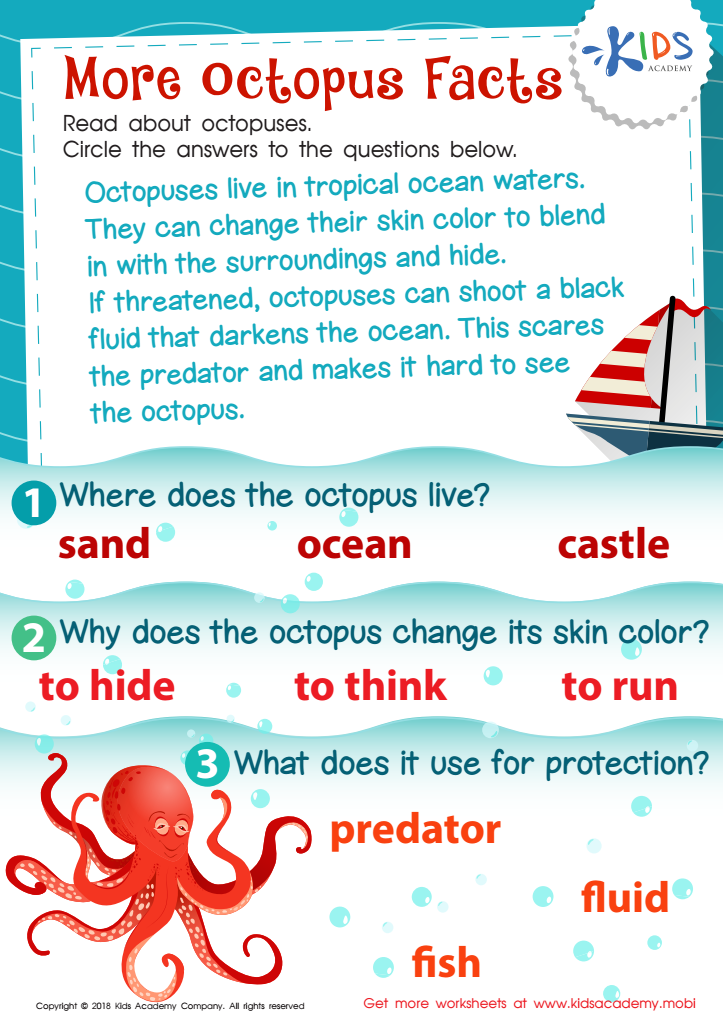
More Octopus Facts Worksheet
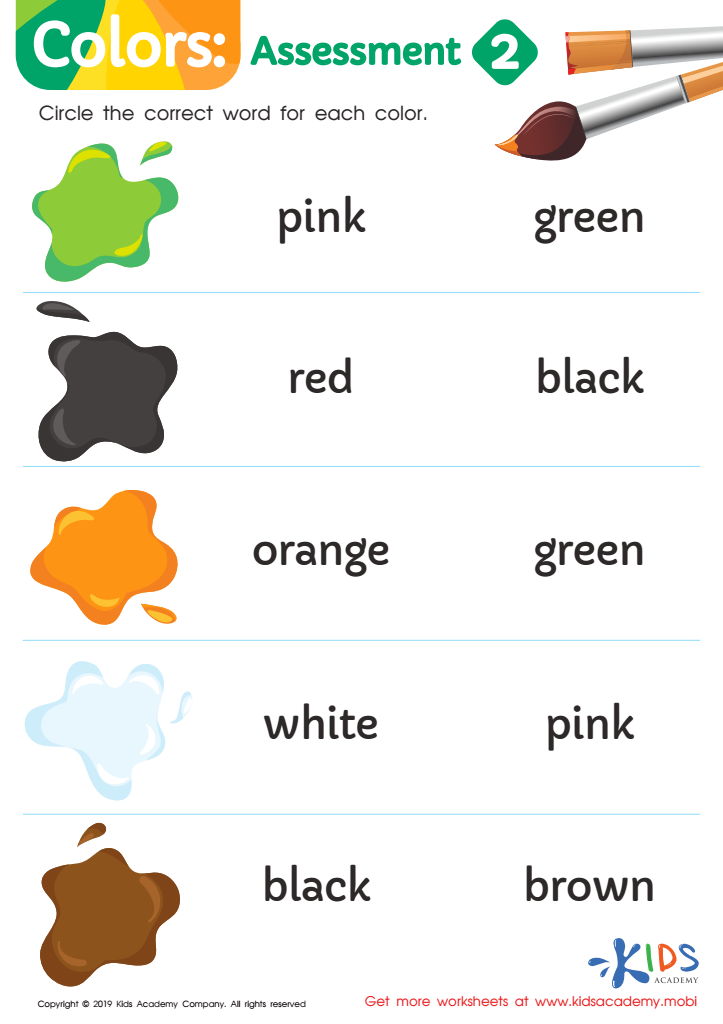
Colors: Assessment 2 Worksheet
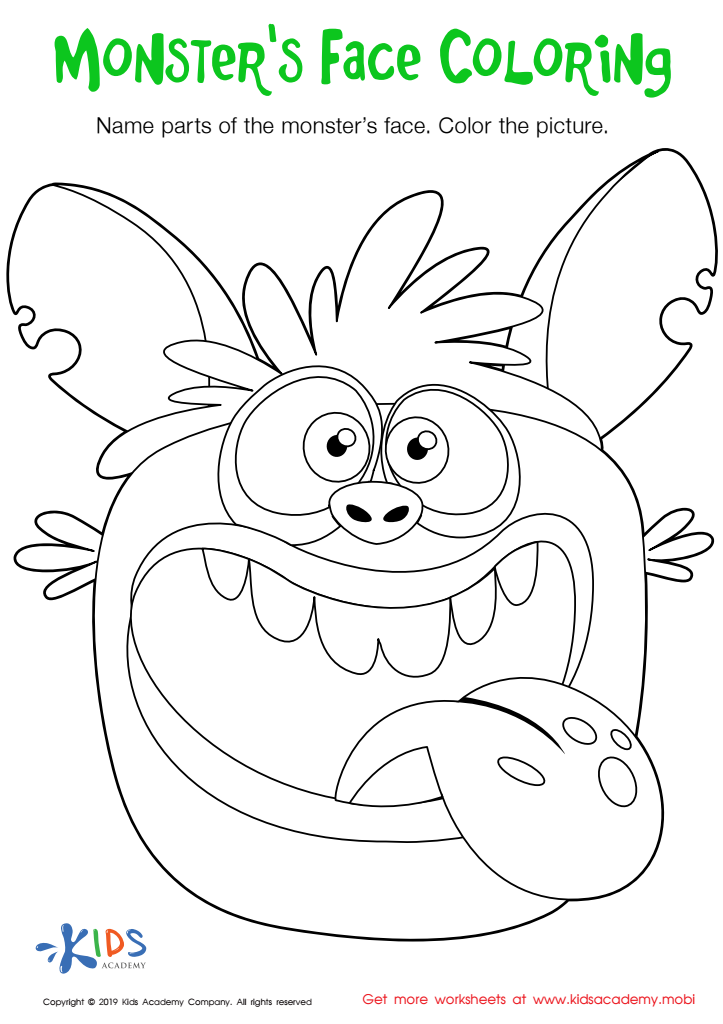
Monster's Face Coloring Worksheet
Assign to My Students
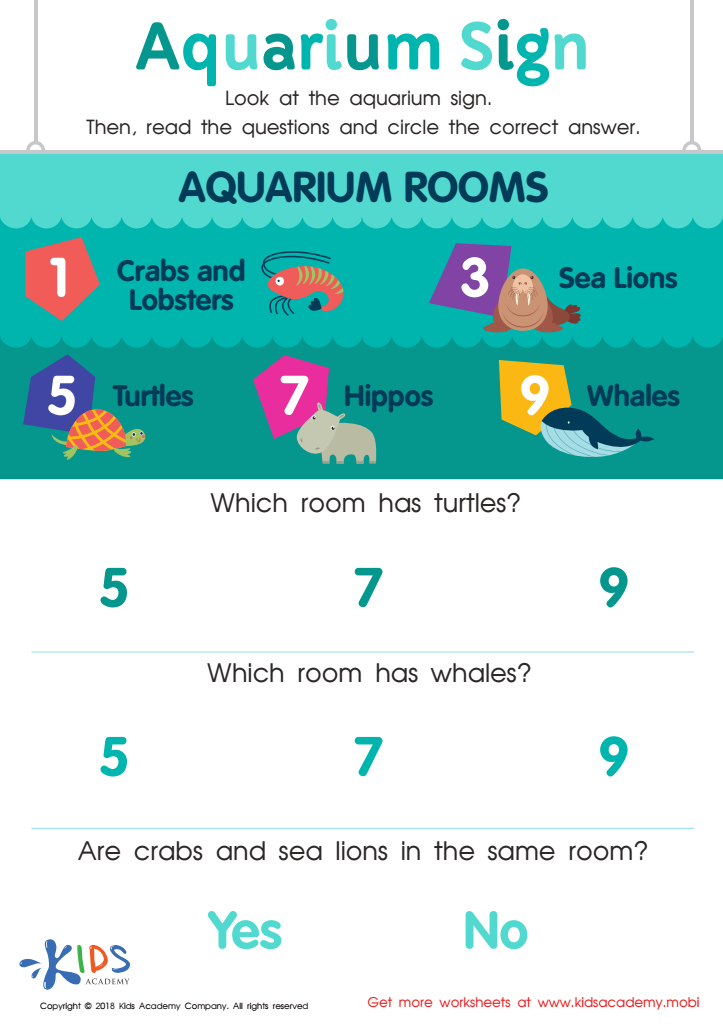
Assessment: Aquarium Sign Worksheet
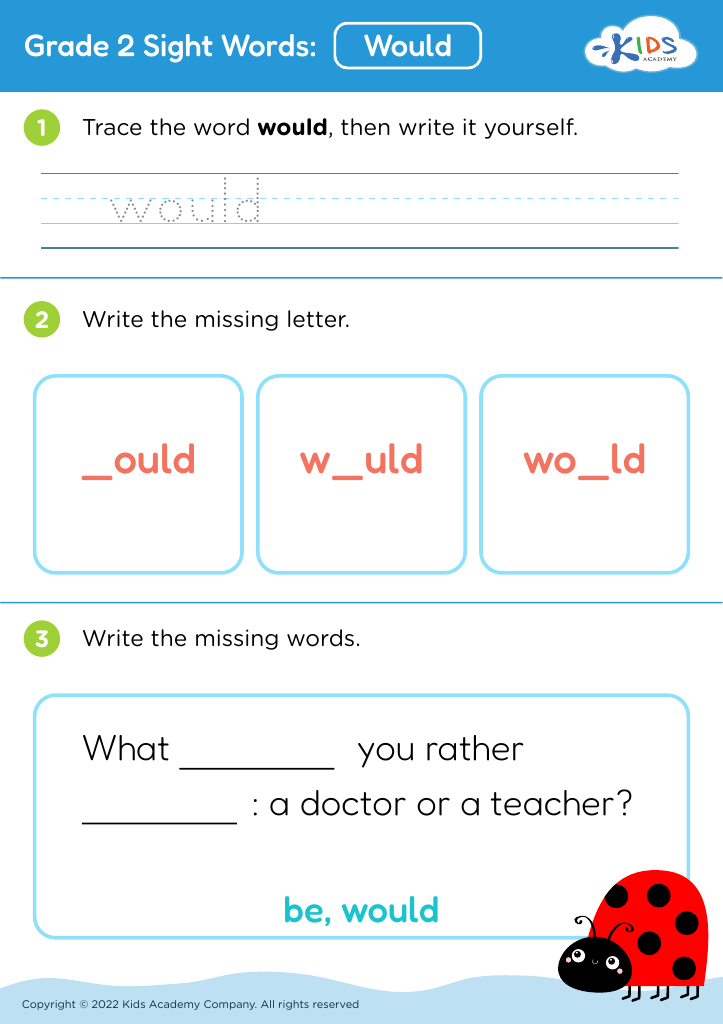
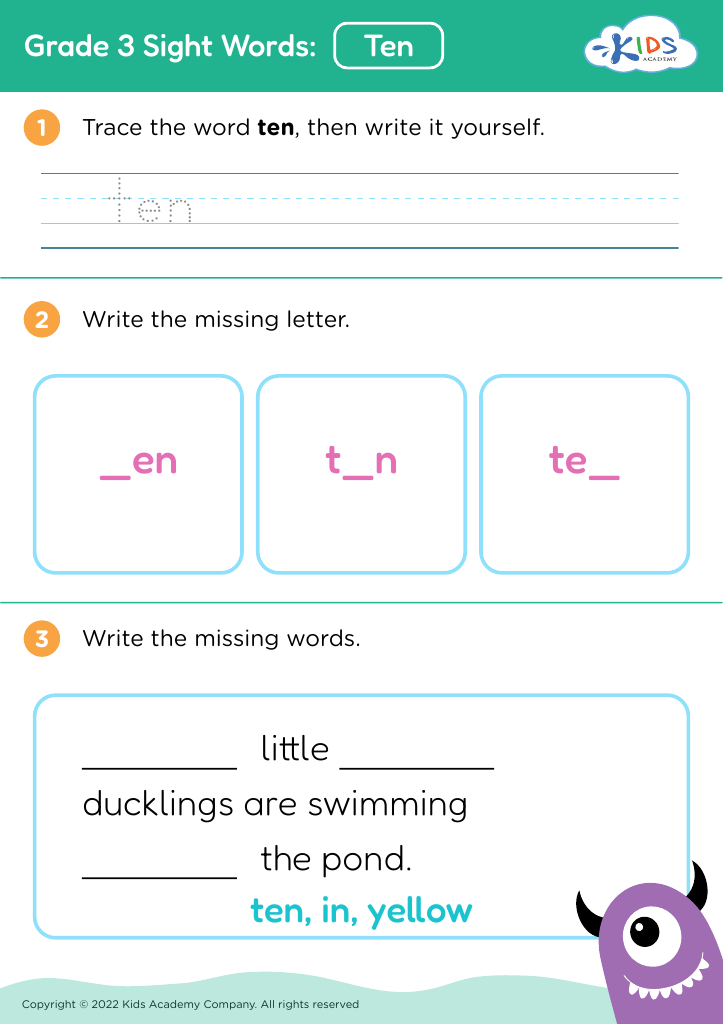
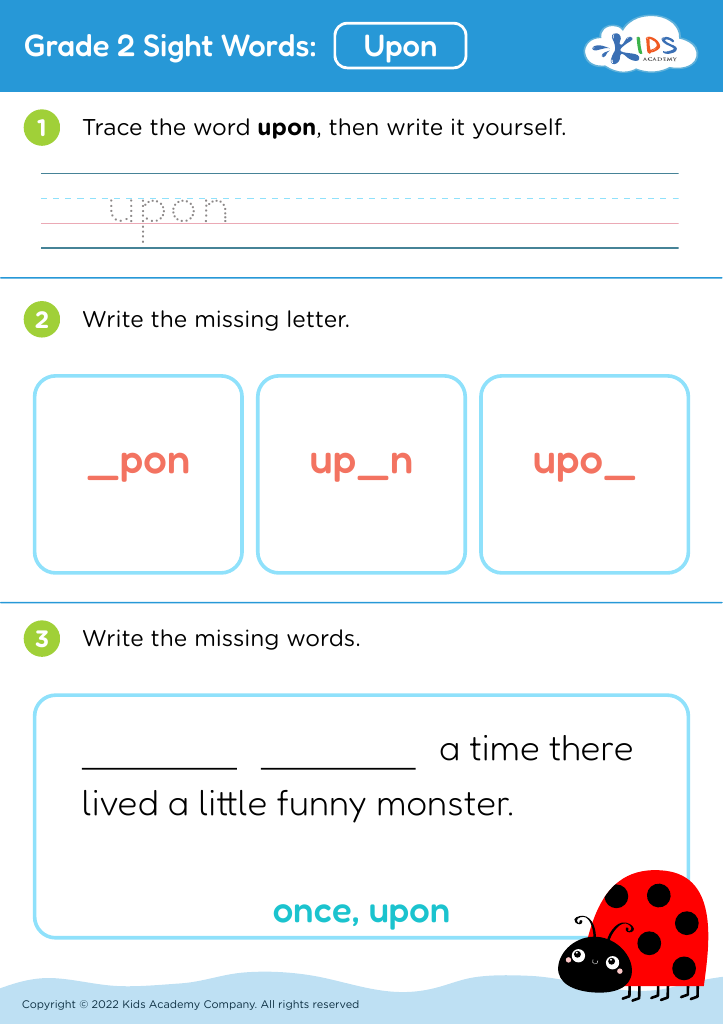



.jpg)




Parents and teachers should prioritize the ability of 8-year-olds to follow instructions and build vocabulary, as these skills are critical for academic and personal development. Following instructions teaches children discipline, improves attentional control, and increases their ability to work cooperatively in group settings. This foundational skill helps them complete tasks correctly, grow their critical thinking, and foster self-confidence—vital attributes in educational environments and everyday life.
Building vocabulary is equally essential because it directly impacts reading comprehension, communication skills, and overall cognitive development. A rich vocabulary enables children to understand more complex texts, express ideas more clearly, and engage in more sophisticated conversations. This skill not only enhances academic performance across all subjects but also aids in social relationships and problem-solving abilities. Possessing a broad vocabulary allows children to navigate different social situations effectively and fosters empathy by helping them articulate their thoughts and understand others’ perspectives better.
Investing time and resources into teaching following instructions and expanding vocabulary ensures that children develop into competent, articulate, and independent learners. By embedding these skills early on, parents and teachers lay down a strong foundation that supports future academic achievements and personal growth, setting children on a path to lifelong success.








