Math problem-solving Building Vocabulary Worksheets for 8-Year-Olds
5 filtered results
-
From - To
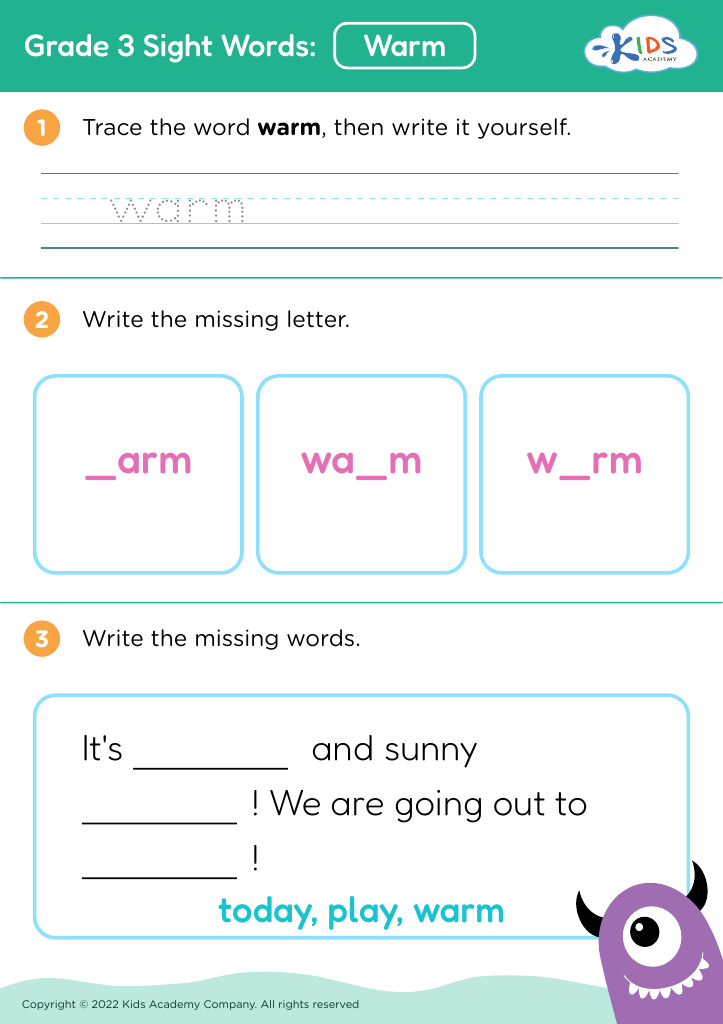
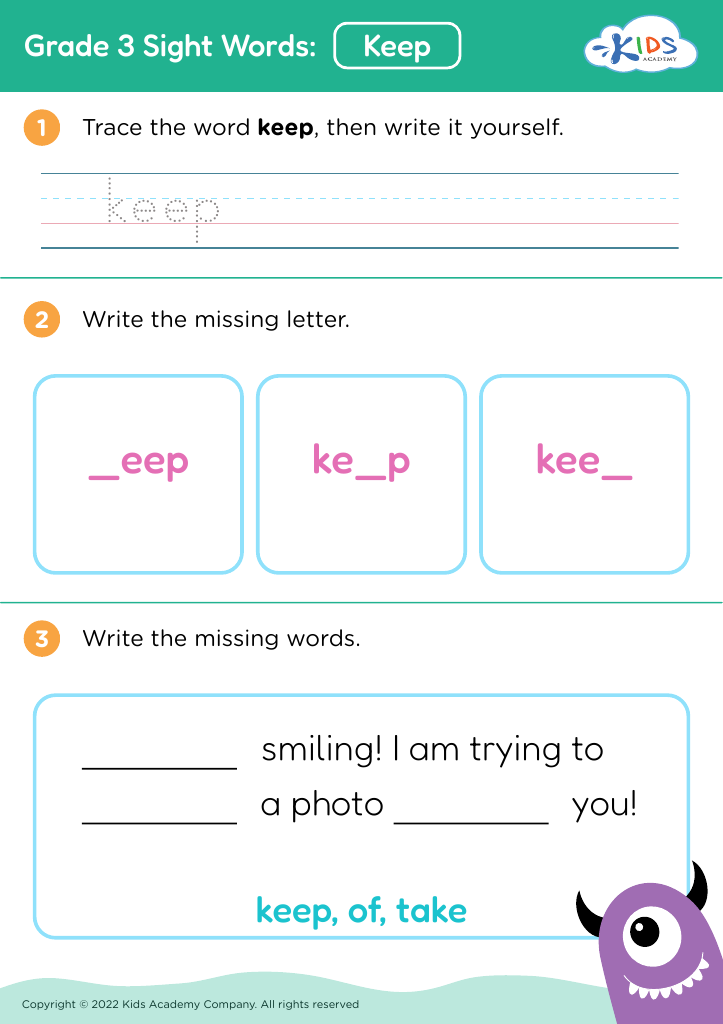
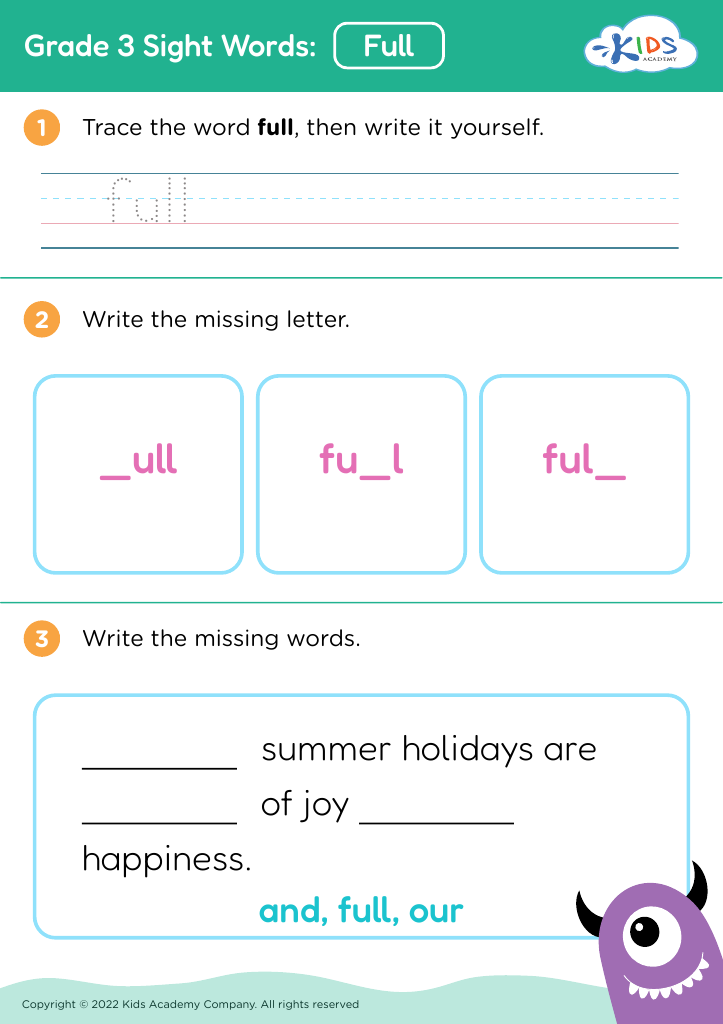
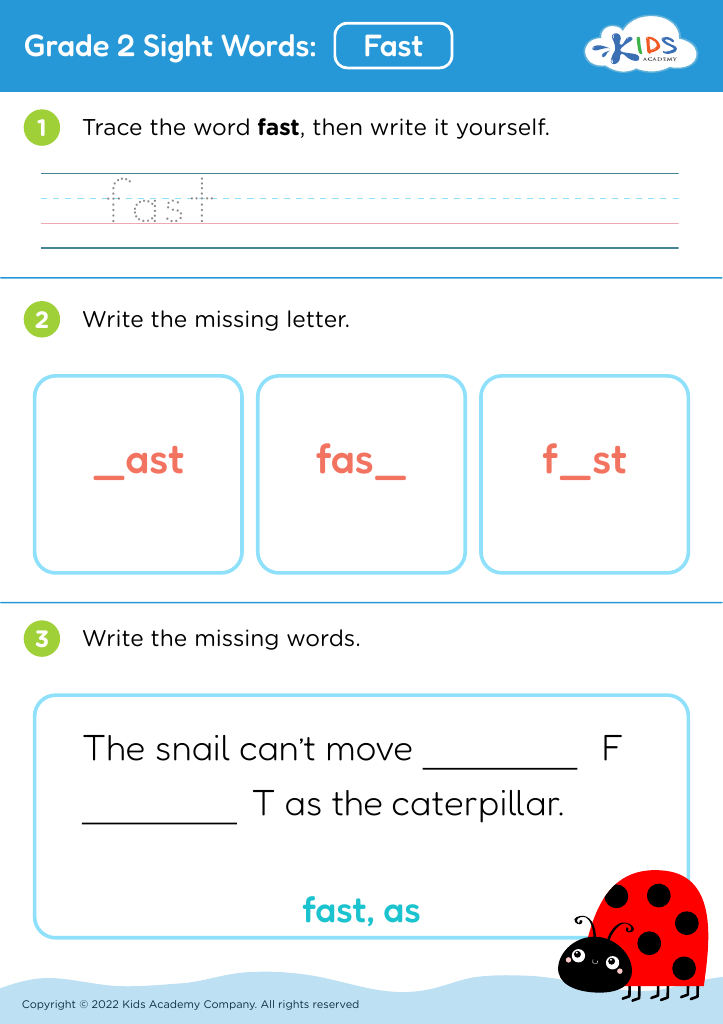
Discover our engaging Math Problem-Solving Building Vocabulary Worksheets, designed specifically for 8-year-olds! These worksheets enhance students' understanding of math concepts while expanding their vocabulary. Each activity combines challenging math problems with essential vocabulary terms, empowering young learners to articulate their thought processes and solutions clearly. Our resources provide step-by-step guided practice, making learning fun and interactive. Perfect for classroom use or at-home enrichment, these worksheets promote critical thinking and boost confidence in math skills. Equip your child with the vocabulary and problem-solving strategies they need for academic success. Explore our collection today and watch their math skills flourish!
















.jpg)


Teaching math problem-solving and vocabulary to 8-year-olds is crucial for several reasons. First, at this formative age, children develop foundational skills that pave the way for their future academic success. Learning math vocabulary builds a robust mathematical language, allowing students to articulate their thought processes and understand complex concepts. This vocabulary also helps them decipher word problems, leading to better problem-solving skills.
Moreover, math problem-solving goes beyond just numbers; it fosters critical thinking and logical reasoning. Engaging students in solving real-world problems encourages creativity and perseverance. When parents or teachers emphasize math vocabulary, they create an environment where children feel empowered to express themselves and become more confident in their capabilities.
Furthermore, strong math skills are essential in today's technology-driven world. Ensuring that children have a firm grasp on math and related vocabulary sets a strong educational foundation, ultimately impacting their career options and opportunities in the future. By investing in young learners' mathematical vocabulary and problem-solving abilities, parents and teachers help them navigate challenges and build resilience, equipping them for lifelong learning and success in an increasingly complex world.








