Recognizing shapes Building Vocabulary Worksheets for 8-Year-Olds
5 filtered results
-
From - To
Enhance your 8-year-old's vocabulary with our engaging Recognizing Shapes Building Vocabulary Worksheets! Designed for young learners, these worksheets encourage children to identify and describe various shapes, fostering both language development and critical thinking skills. With a mix of fun activities, including matching, coloring, and drawing, kids will actively participate while strengthening their understanding of geometric concepts. Perfect for classroom use or home practice, our resources promote essential vocabulary acquisition related to shapes and spatial relationships. Build confidence in communication through interactive learning and help your child excel in their educational journey. Download the worksheets today and make learning shapes an enjoyable experience!
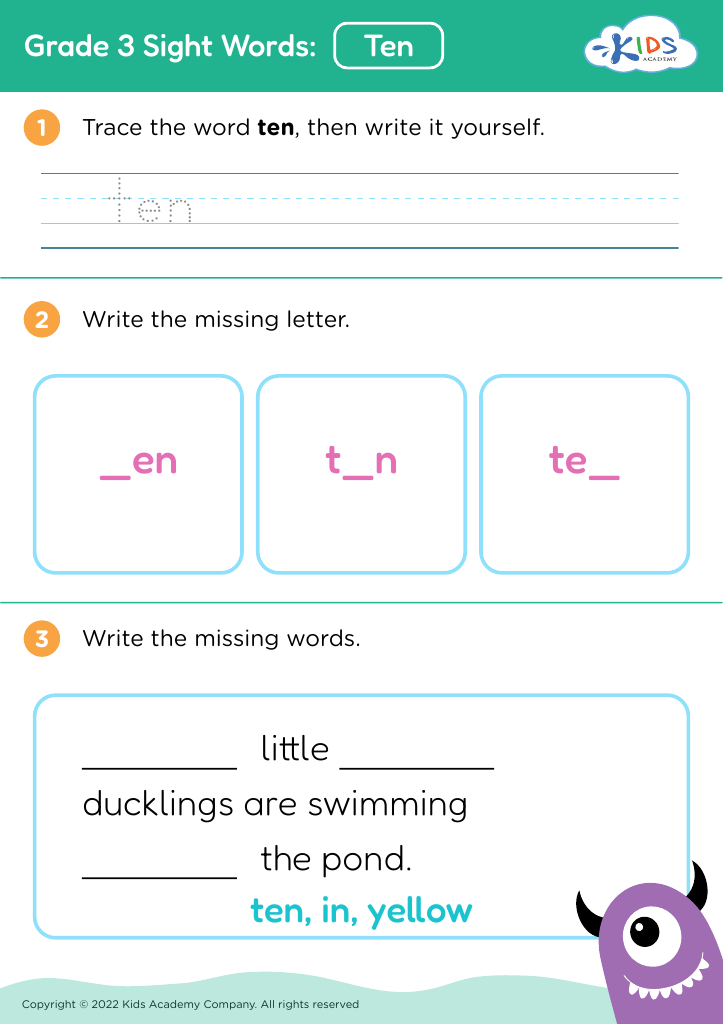











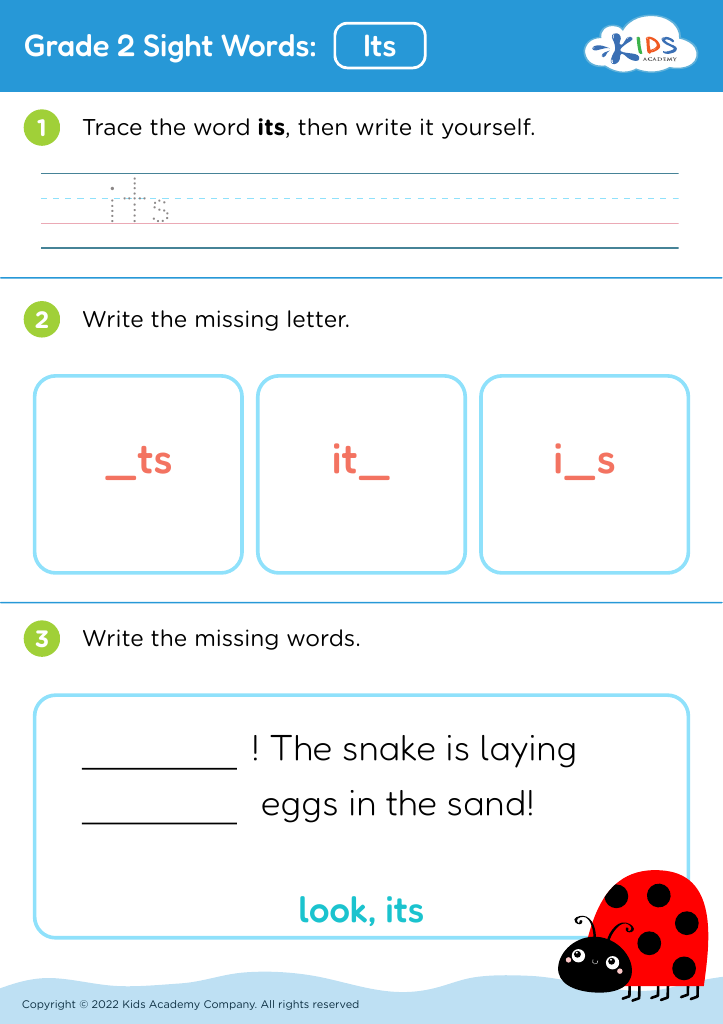
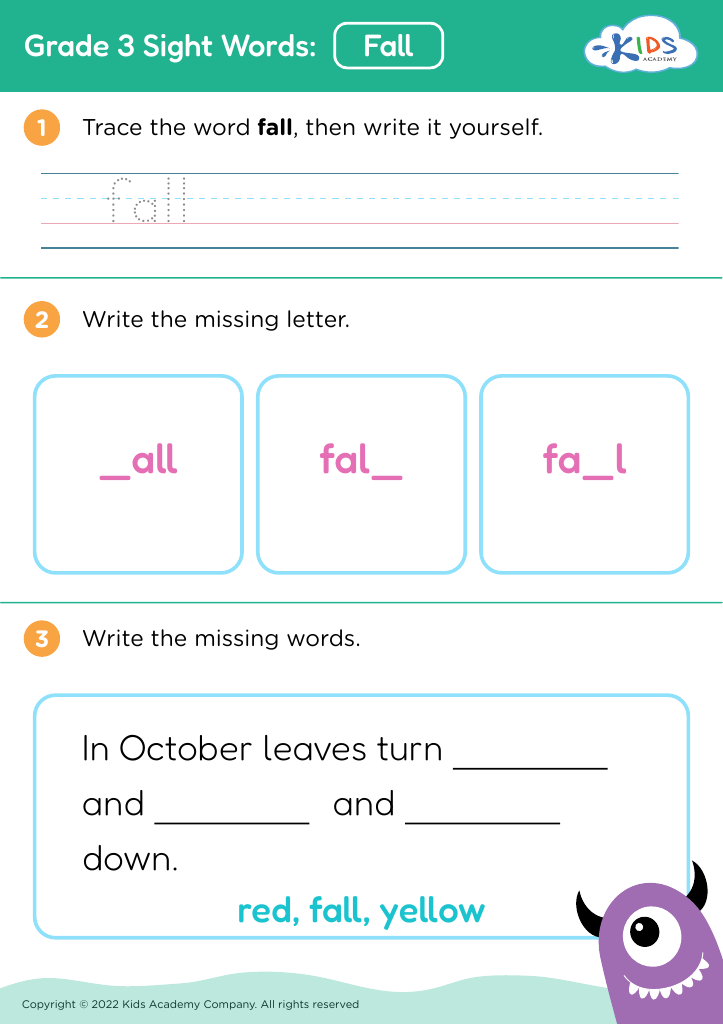
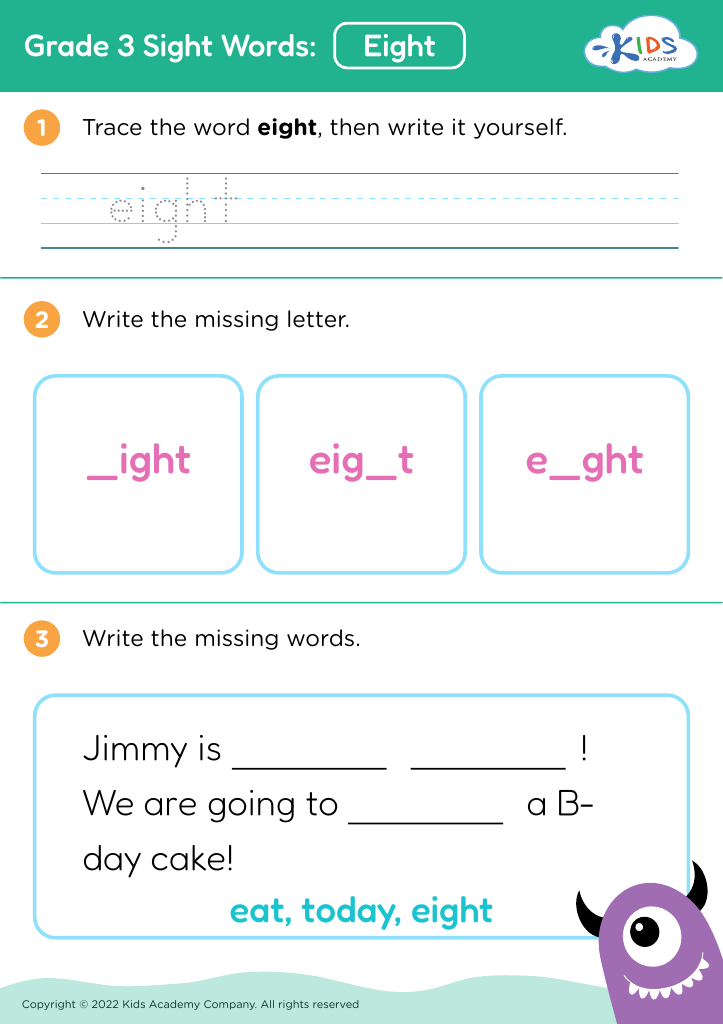





.jpg)

Recognizing shapes and building vocabulary are essential components of a child's development, particularly for 8-year-olds who are at a pivotal stage in their learning journey. Understanding shapes goes beyond just identifying circles, squares, or triangles; it lays the groundwork for spatial awareness, geometry, and problem-solving skills. Mastering these concepts enhances children’s ability to navigate the world around them and fosters critical thinking.
Building vocabulary in tandem with recognizing shapes enriches a child's communication skills and cognitive development. As children learn to describe shapes and their attributes—such as size, color, and orientation—they expand their vocabulary, enhance their descriptive language, and improve their ability to articulate thoughts effectively. This dual approach encourages curiosity and deepens comprehension by allowing children to connect language with visual concepts.
Furthermore, parental and teacher engagement in these areas cultivates a supportive learning environment. When parents and teachers reinforce shape recognition and vocabulary-building at home or in the classroom, they support children's overall intellectual growth, setting a strong foundation for math and literacy skills that will benefit them in future academic endeavors. By prioritizing these essential skills, adults can empower children to become confident learners and communicators, better equipped for success in school and beyond.








