Enhance your 8-year-old's reading skills with our engaging story sequencing worksheets! At Kids Academy, we understand the importance of building a strong reading foundation, which is why we've designed these printables to help children grasp the sequence of events in a story. Each worksheet encourages young readers to identify the logical order of events, improving their comprehension and storytelling abilities. With colorful illustrations and captivating stories, our worksheets make learning fun and interactive. Perfect for classroom and home use, these resources are tailored to meet the needs of developing readers. Start your child's literacy journey today with Kids Academy!

Check out this FREE Trial Lesson on Reading for age 8!

Recognize Common Types of Text: Poetry

Favorites
With answer key
Interactive
  • 8
  • Story sequencing
  • Reading
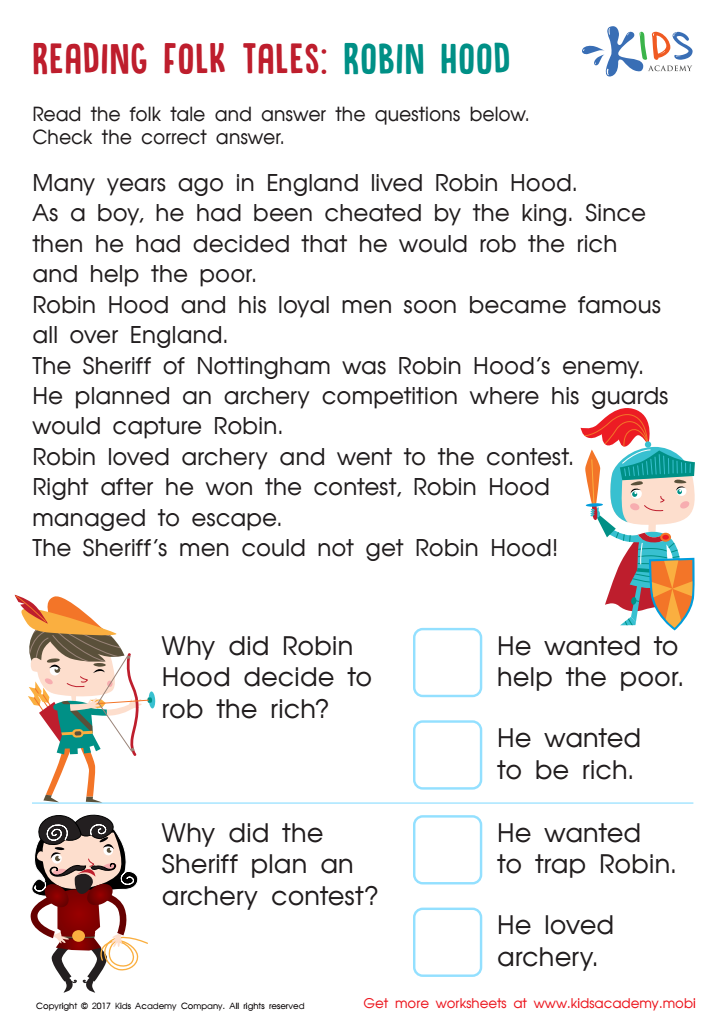
Robin Hood Folktale Worksheet

Robin Hood Folktale Worksheet

Have your child practice reading comprehension and inferencing with this Robin Hood folktale worksheet! Get them to read between the lines to find character motivation and answer important questions about the passage. It's a fun way to test their reading skills!
Robin Hood Folktale Worksheet
Worksheet
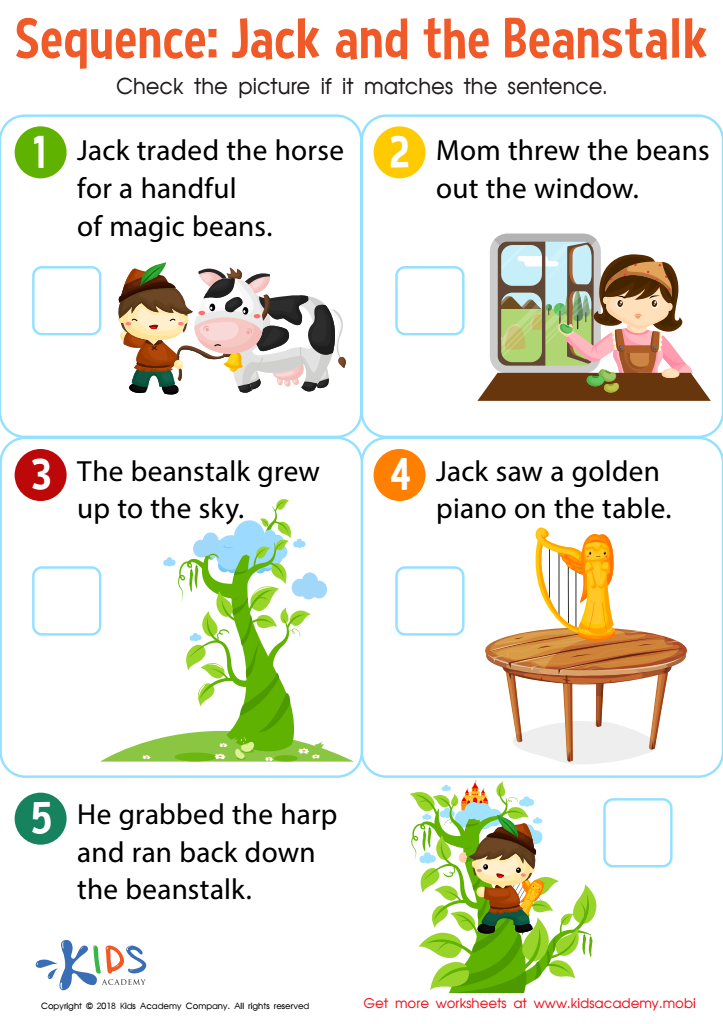
Sequence: Jack and The Beanstalk Worksheet

Sequence: Jack and The Beanstalk Worksheet

Ensure your kids are familiar with Jack and the Beanstalk before starting this worksheet. If not, read them the story. In the pdf, there are five pictures with sentences. Read the sentences, ask your kid if it matches the picture, then help them check if it does.
Sequence: Jack and The Beanstalk Worksheet
Worksheet
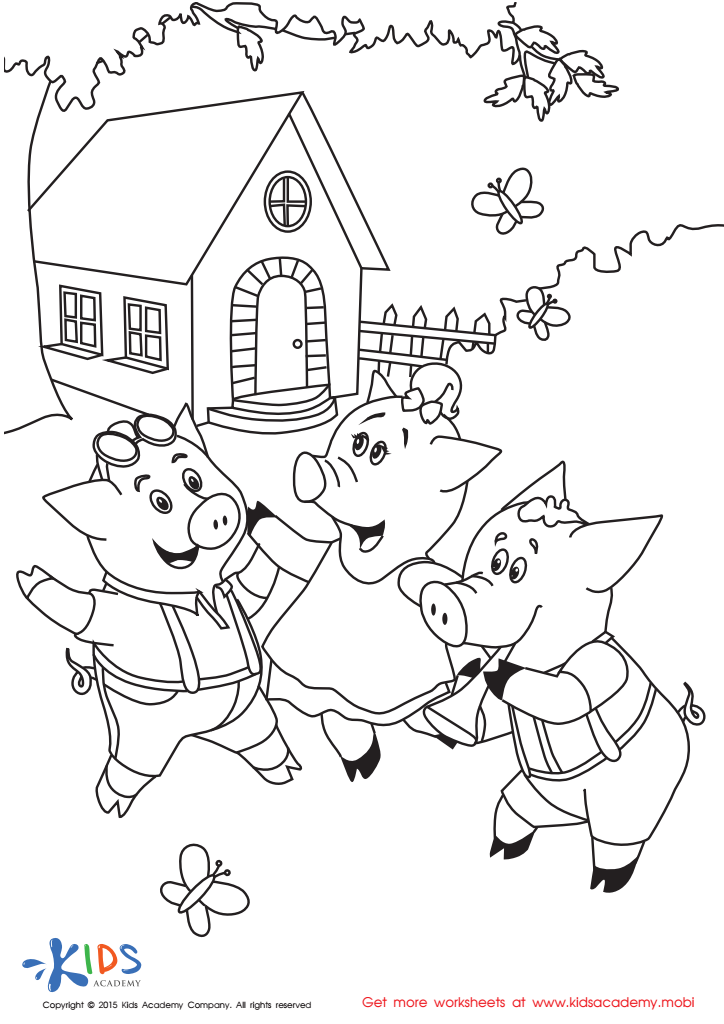
Folktales Printable PDF Worksheets: The 3 Little Pigs

Folktales Printable PDF Worksheet: The 3 Little Pigs

Then, help your child to color the scene with pink piglets, blue sky and green grass. Make the brick house bright and vivid. Enjoy!
Download (PDF)
Assign to My Students
Folktales Printable PDF Worksheet: The 3 Little Pigs
Worksheet
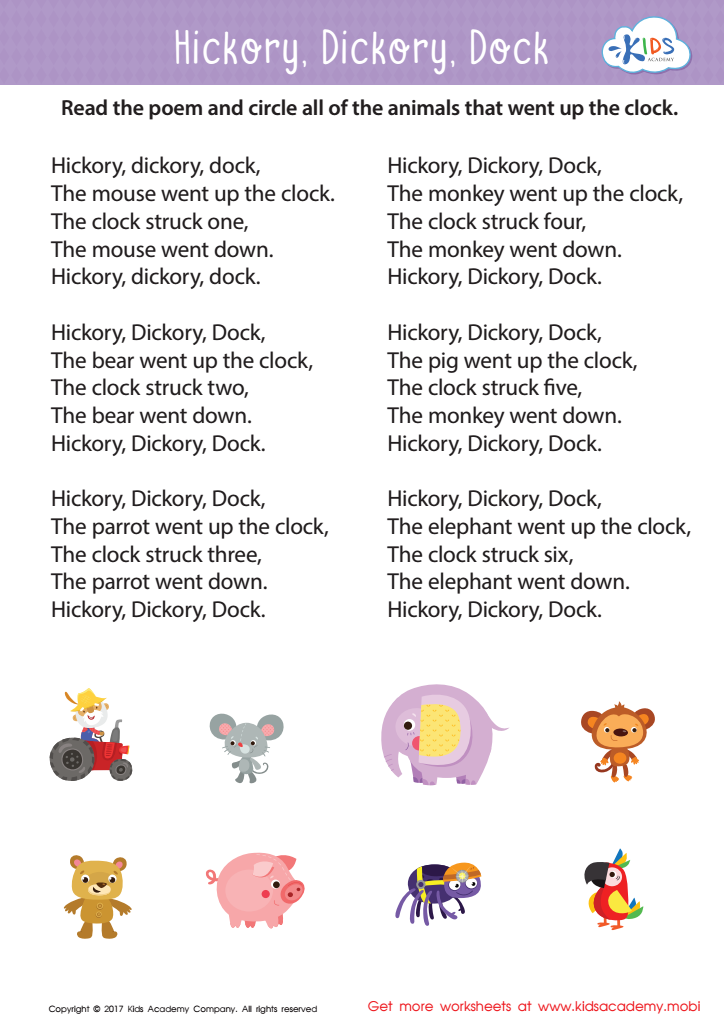
Hickory dickory dock sequencing worksheet

Hickory Dickory Dock Sequencing Worksheet
Help your child boost their reading skills with this fun Hickory Dickory Dock sequencing worksheet! They'll read and identify the animals in the right order, strengthening their story sequencing and comprehension skills.
Hickory Dickory Dock Sequencing Worksheet
Worksheet
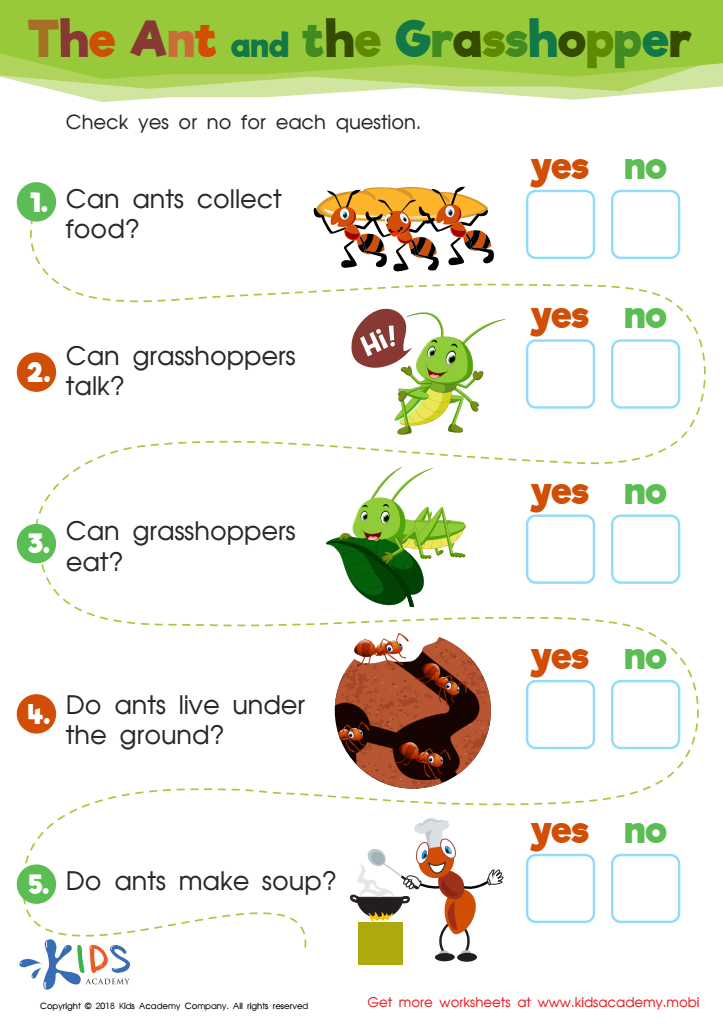
The Ant and The Grasshopper Worksheet

The Ant and The Grasshopper Worksheet

Does your child know about insects? If they're a nature lover or scared of them, use this worksheet to learn more. Read each of the questions and help them fill in the yes or no boxes. This may help them become less scared of insects.
The Ant and The Grasshopper Worksheet
Worksheet
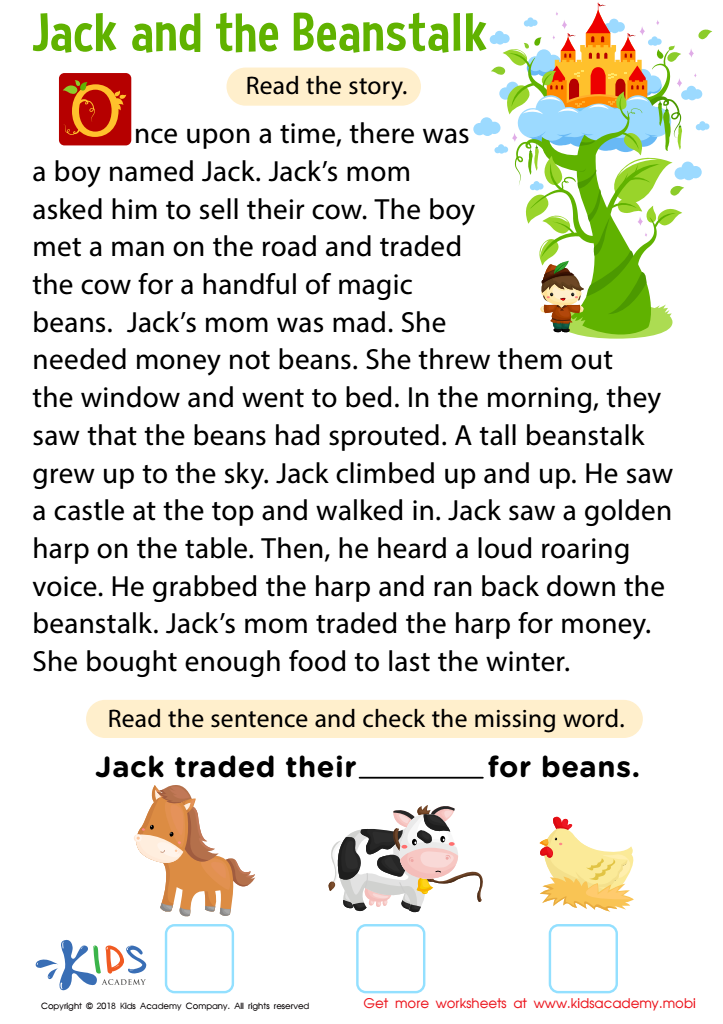
Jack and Beanstalk Worksheet

Jack and Beanstalk Worksheet

Story time can be a fun and educational experience for your kids. Read them the classic Jack and the Beanstalk - and even read it twice to help them pay attention. Afterwards, help them fill in the blank on the worksheet to expand their vocabulary and learn more from the story.
Jack and Beanstalk Worksheet
Worksheet
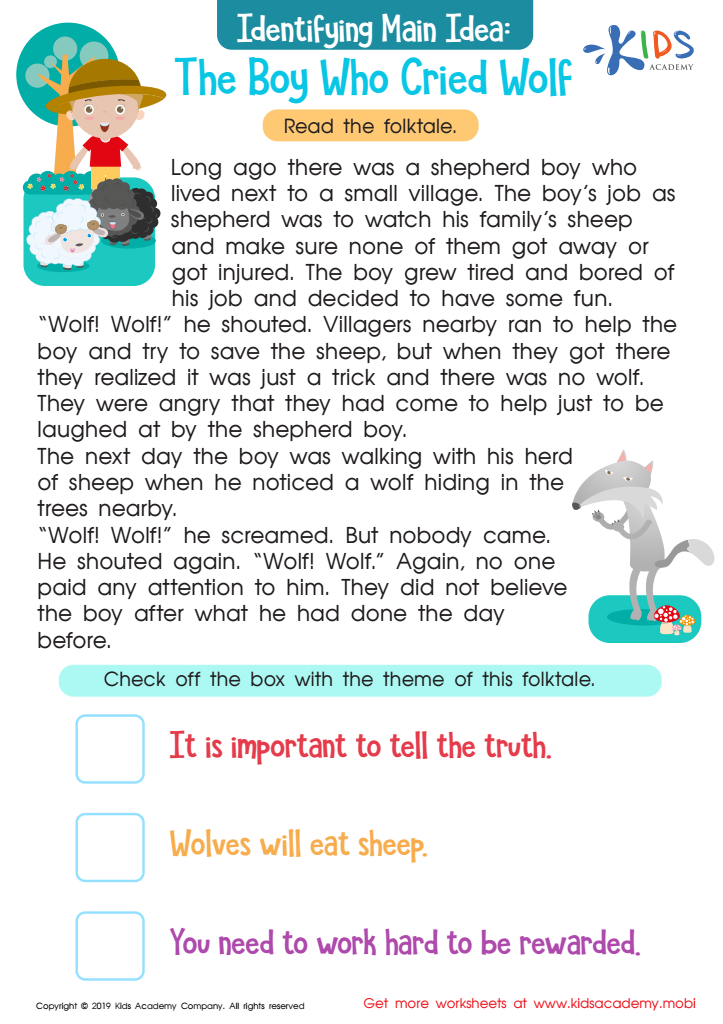
The Boy Who Cried Wolf Part 2 Worksheet


The Boy Who Cried Wolf Part 2 Worksheet

Kids love story time - no doubt they know their favorites! This worksheet tells a story with a theme or main idea. Read it carefully with your kids and ensure they understand every word. Then, help them answer the simple questions at the bottom of the page.
The Boy Who Cried Wolf Part 2 Worksheet

Worksheet


Story sequencing is a critical aspect of early literacy development, and it holds significant importance for 8-year-olds. For parents and teachers, placing emphasis on this skill is crucial because it directly boosts a child's comprehension and overall reading ability. At this age, children are transitioning from learning to read to reading to learn. Story sequencing helps them understand the logical flow of events, which is essential for grasping the meaning of what they read.

Understanding sequence in stories helps children make sense of narratives by identifying the beginning, middle, and end. This comprehension aids in retaining information, recognizing patterns, and predicting future events in both the story and real-life scenarios, ultimately strengthening critical thinking and problem-solving skills.

Additionally, sequencing bolsters memory retention and attention to detail, as children must recall and order story events accurately. This not only enhances their reading comprehension but also helps in writing skills, as they learn to structure their stories coherently.

Parents and teachers who encourage sequencing activities, such as retelling stories or reorganizing jumbled events, empower children to become confident, independent readers. This fosters a love for reading, ensuring that it is a source of joy and knowledge. In essence, refining story sequencing skills lays a solid foundation for academic success and lifelong learning.