Problem-Solving Skills Reading Comprehension Worksheets for 8-Year-Olds
6 filtered results
-
From - To
Our Problem-Solving Skills Reading Comprehension Worksheets for 8-Year-Olds are meticulously crafted to boost critical thinking and comprehension among young learners. Each worksheet features engaging passages followed by thought-provoking questions designed to develop problem-solving capabilities. By understanding and analyzing stories, children enhance their reading skills while learning how to approach various challenges creatively. Perfect for classroom and home use, these worksheets encourage independence and confidence in tackling problems. Unlock your child's potential with our interactive, educational resources that make learning fun and effective. Explore our selection and watch your 8-year-old thrive in both reading and critical thinking!
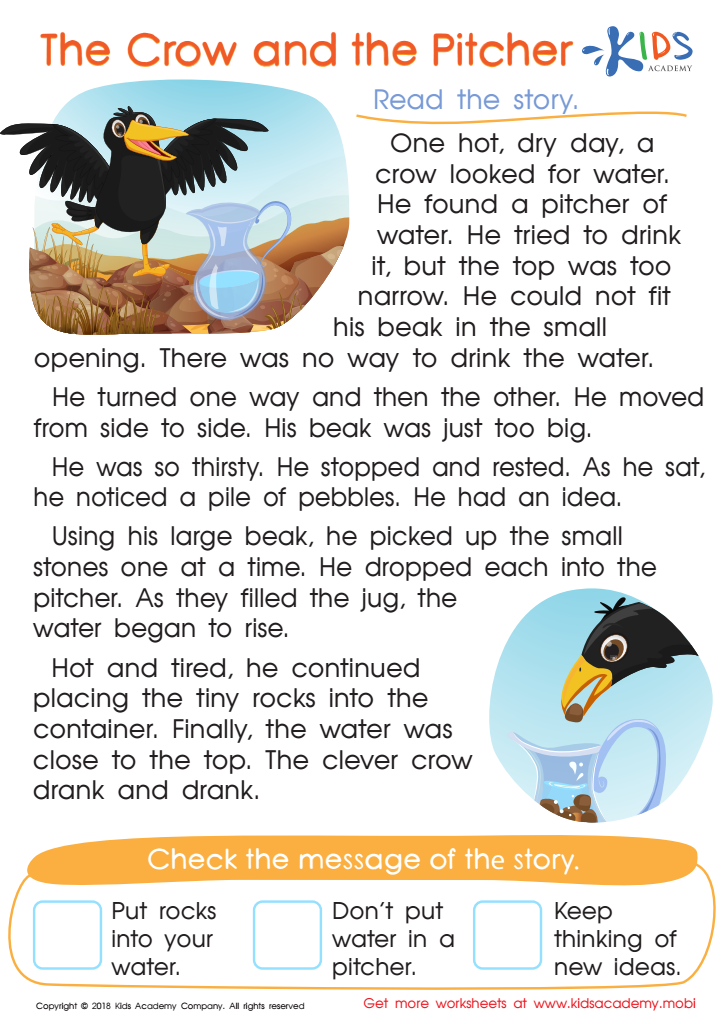
The Crow and the Pitcher Worksheet
 Assign to My Students
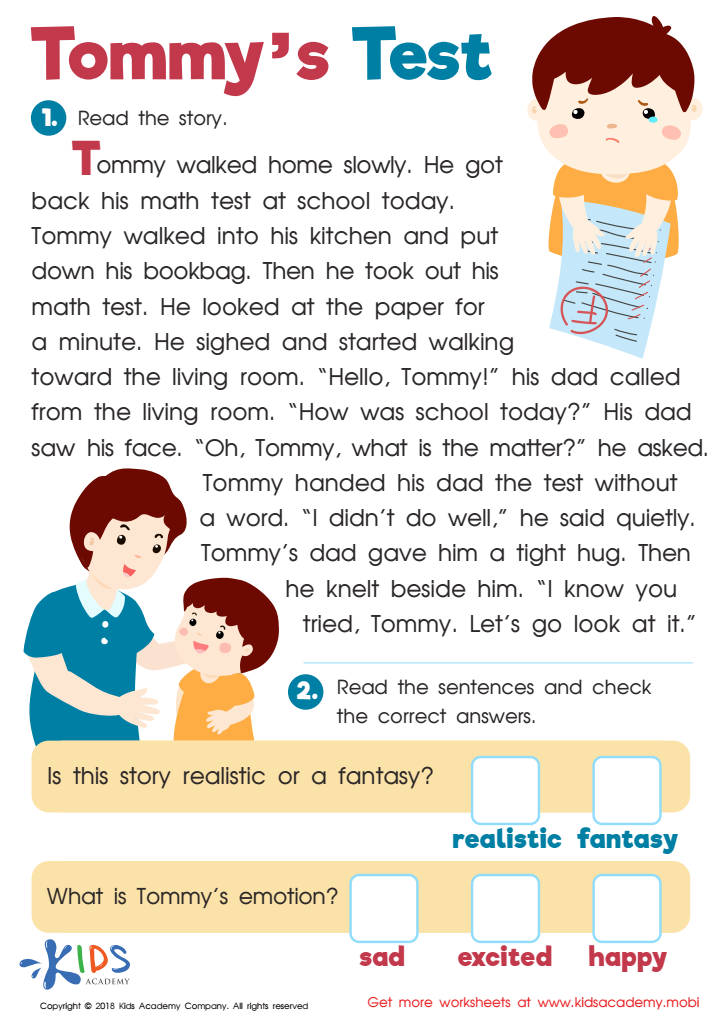
Tommys Test Worksheet
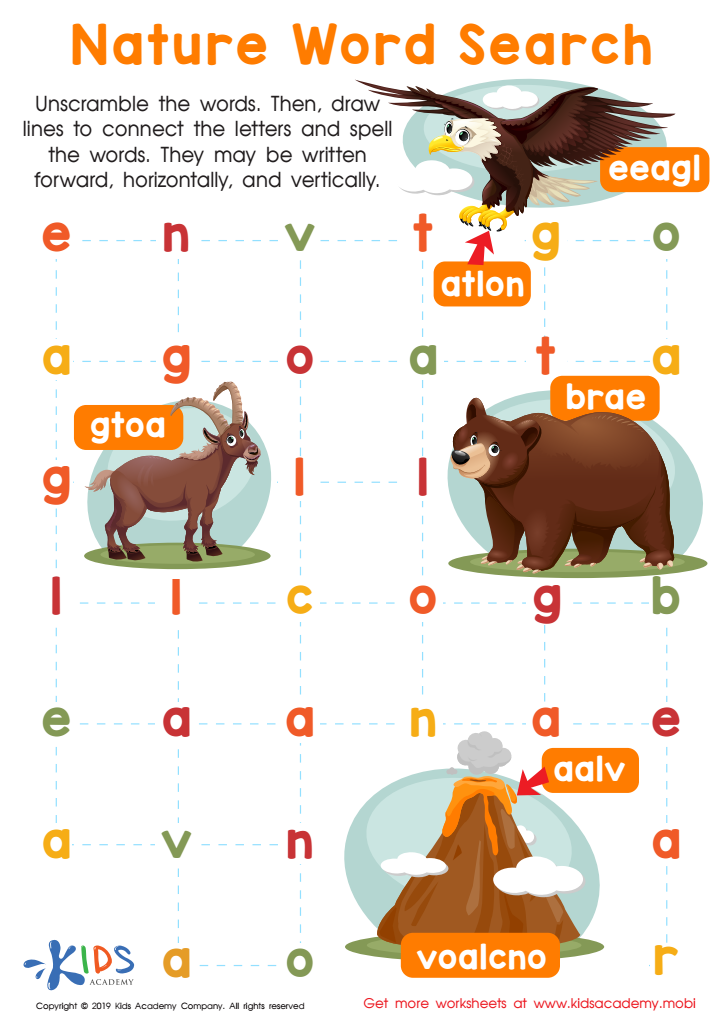
Nature Word Search Worksheet
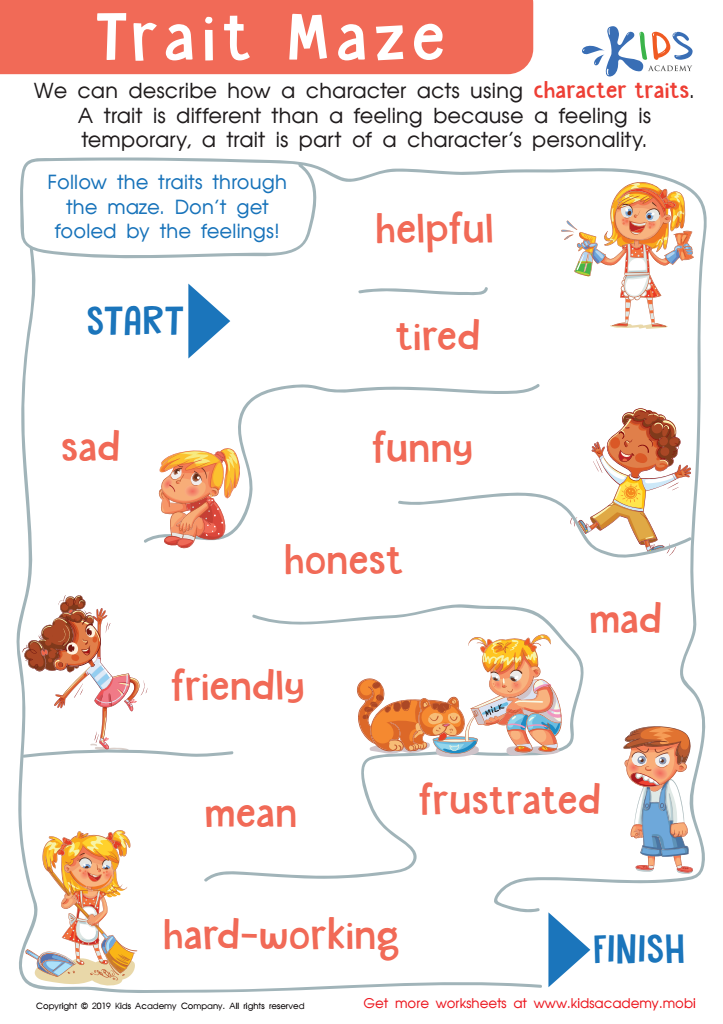
Trait Maze Worksheet
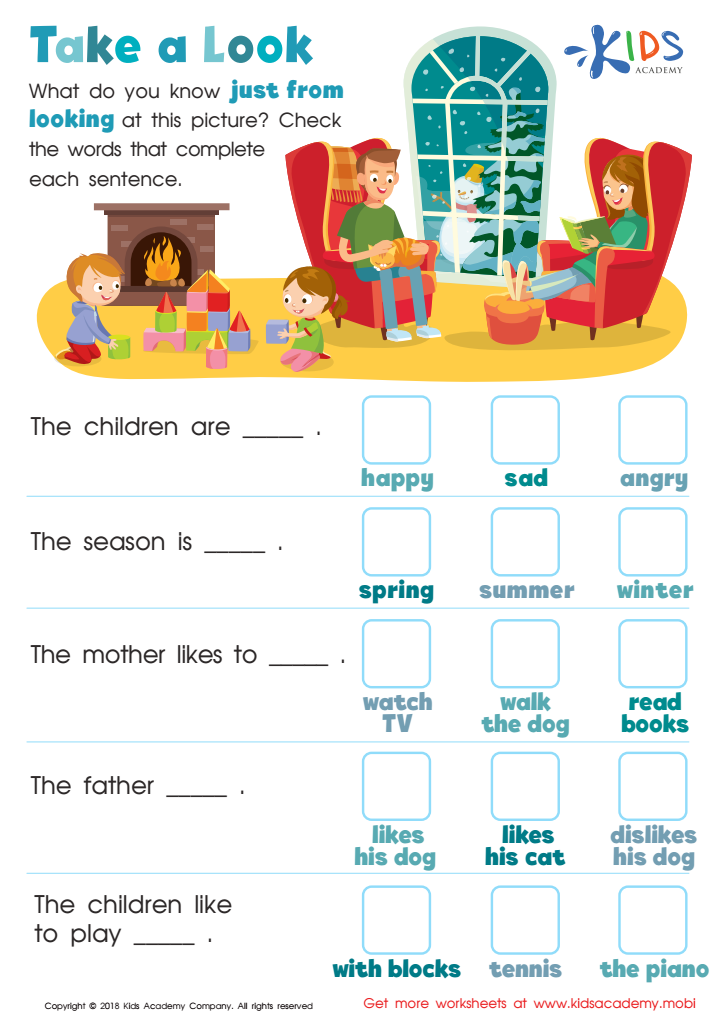
Take a Look - Part 1 Worksheet
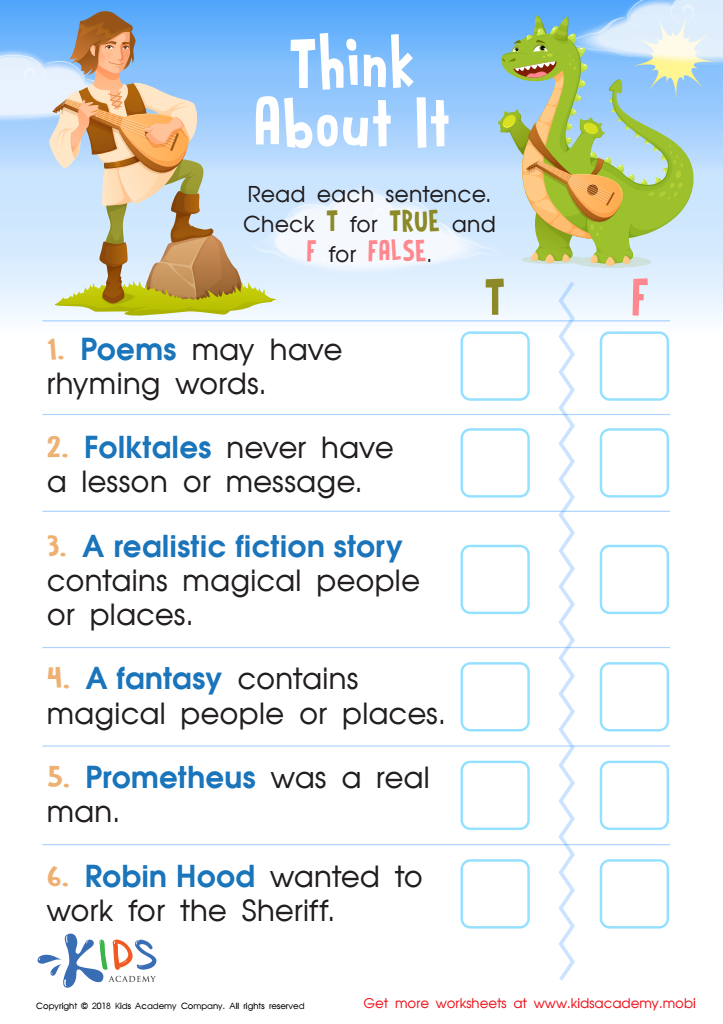
Think About It: Assessment Worksheet








Problem-solving skills and reading comprehension are fundamental components of a child's educational development, particularly for 8-year-olds. These skills are crucial as they lay the foundation for lifelong learning and practical decision-making.
Firstly, problem-solving skills help children to navigate through challenging situations by encouraging critical thinking and creativity. For 8-year-olds, this means being able to approach tasks with curiosity, analyze options, and find effective solutions. When children engage in problem-solving activities, they learn to become more independent and confident, skills that benefit them not only academically but also in everyday life.
Secondly, reading comprehension is essential because it plays a significant role in academic success. Good reading comprehension enables children to understand and process the information they read, which is critical for learning across all subjects. For 8-year-olds, mastering reading comprehension helps them to follow instructions, grasp new concepts, and engage more deeply with content. It also fosters a love for reading, which can enhance their vocabulary and overall communication skills.
Incorporating problem-solving into reading comprehension exercises ensures that children are not just passive consumers of information but active participants. This dual focus equips them with the intellectual tools they need for creative thinking and understanding complex ideas, setting a solid foundation for future learning and success. Hence, parents and teachers should prioritize and nurture these skills to support holistic development in their children.








