Critical Thinking Governance and Civics Worksheets for 8-Year-Olds
5 filtered results
-
From - To
Our Critical Thinking Governance and Civics Worksheets for 8-Year-Olds are designed to engage young minds in the essentials of governance and civics while fostering critical thinking skills. These educational worksheets incorporate fun and interactive activities that make learning about government structures, civic responsibilities, and societal roles accessible and enjoyable. Perfect for classroom use or at-home learning, they encourage students to think deeply, ask questions, and draw connections to the real world. Aligned with educational standards, our resources support young learners in becoming informed and thoughtful future citizens. Provide your child with the tools to grow intellectually and civically today!
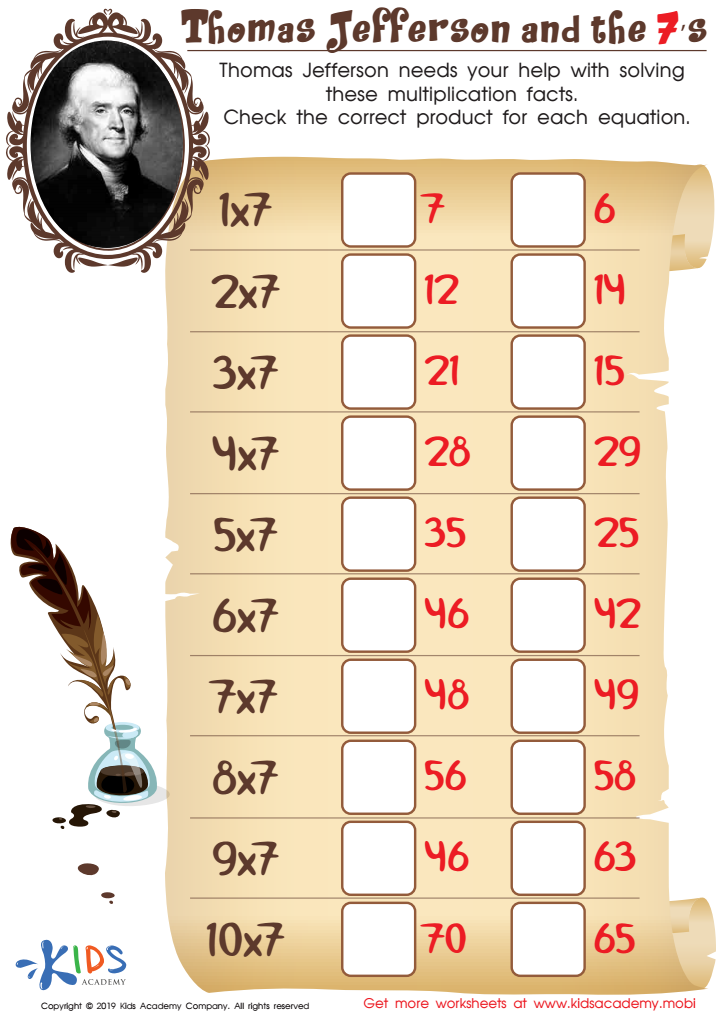
Thomas Jefferson and the 7’s Worksheet
 Assign to My Students
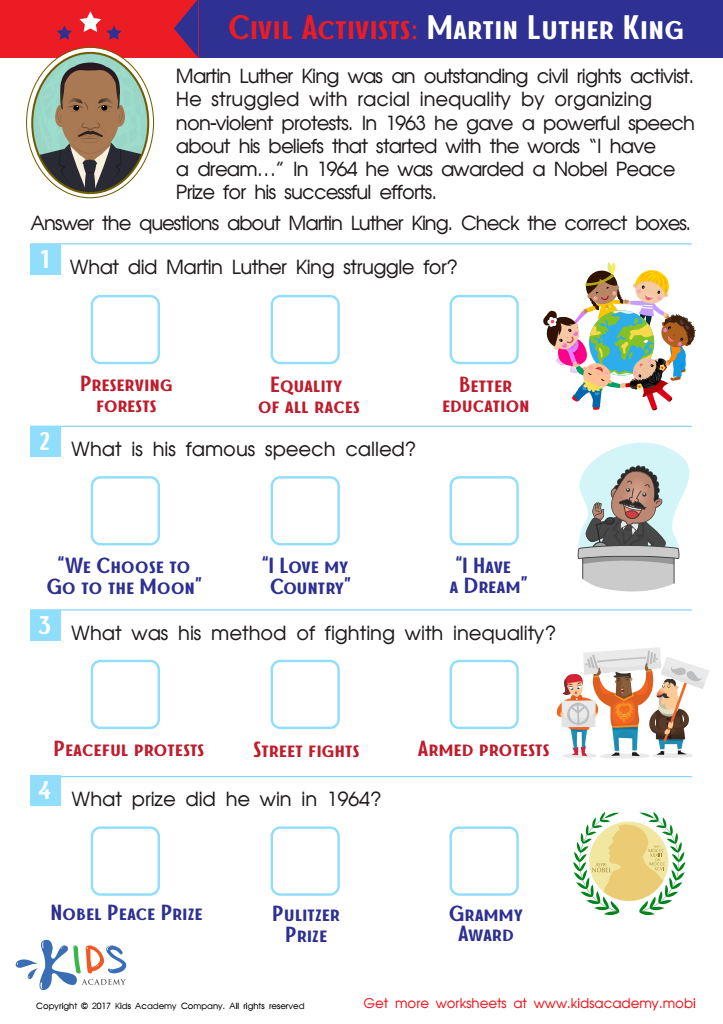
Martin Luther King Worksheet
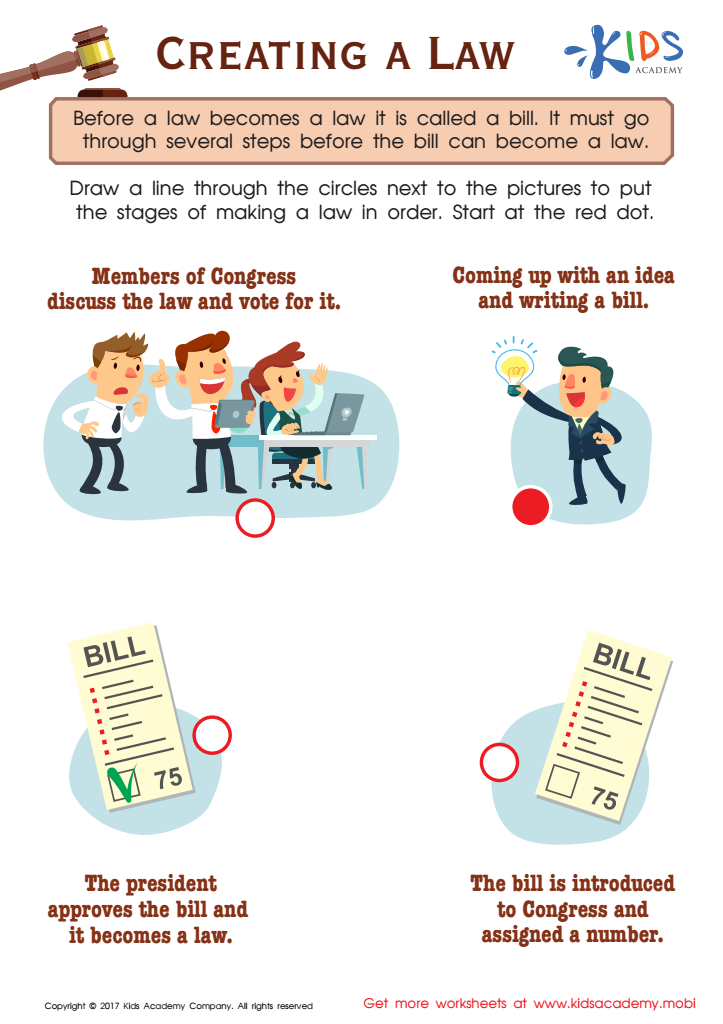
Creating a Law Worksheet
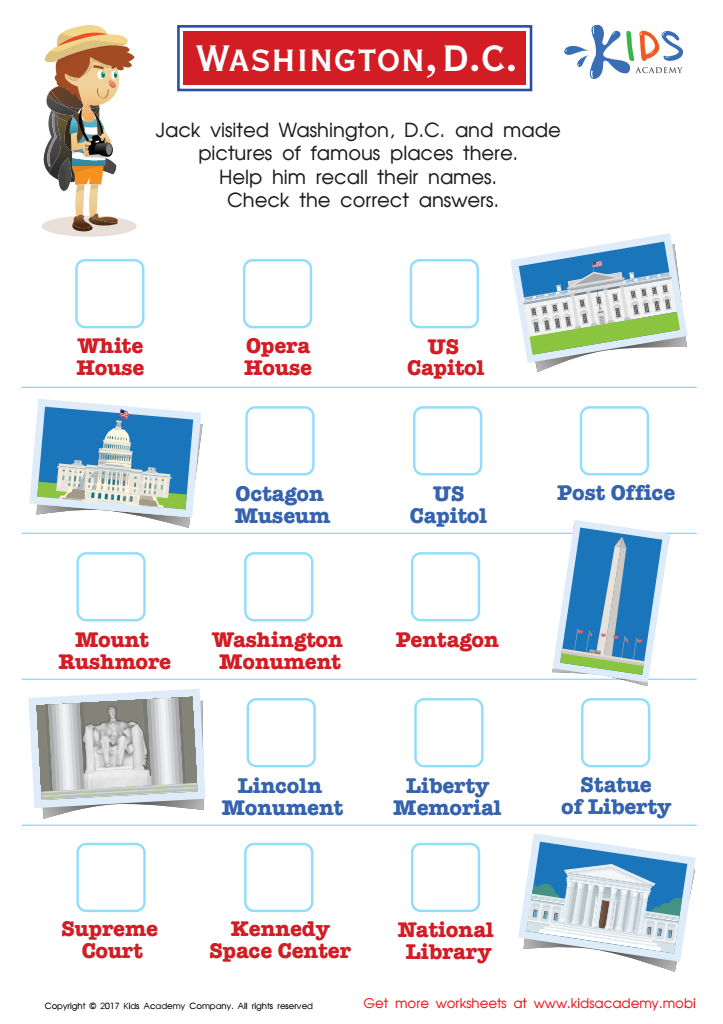
Washington D.C. Printable Worksheet
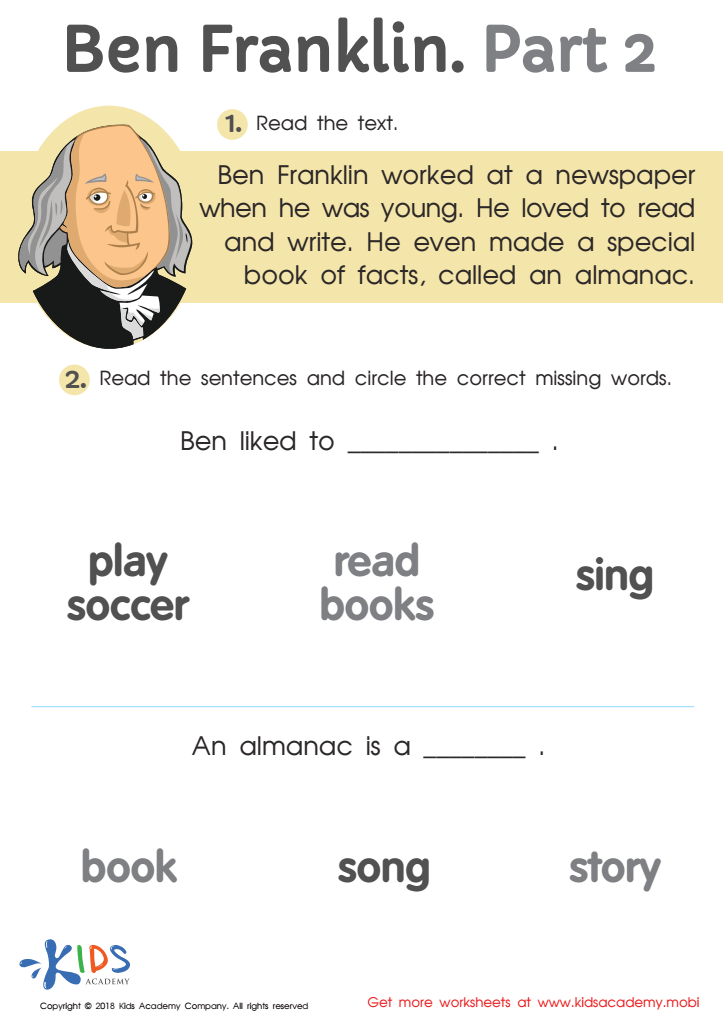
Ben Franklin Part 2 Worksheet


Parents and teachers should prioritize critical thinking, governance, and civics for 8-year-olds because these skills are foundational for responsible, informed citizenry and lifelong learning. Early childhood is a critical period for cognitive and character development. Teaching critical thinking empowers children to analyze information, solve problems, and make rational decisions. This builds a solid basis for academic success and everyday decision-making.
Governance education introduces children to the structures and responsibilities of society and government, fostering an understanding of democracy, laws, and civic duties. When children comprehend how communities function and their role within these systems, they grow into more engaged and responsible citizens. By starting this education early, we instill values of participation, responsibility, and ethics.
Civics education encourages community awareness and involvement. Children learn about diversity, respect, and the importance of contributing positively to society. Teaching civics also cultivates empathy and understanding, which are vital for cooperative living in diverse communities.
In summary, equipping children with critical thinking and an understanding of governance and civics prepares them for meaningful participation in their communities and society at large. It sets the stage for informed, engaged, and thoughtful citizenship, which is essential for the well-being and progression of any community or nation.