
Word identification Grammar Worksheets for 8-Year-Olds
6 filtered results
Difficulty Level
Grade
Age
-
From - To
Subject
Activity
Standards
Welcome to our engaging Word Identification Grammar Worksheets for 8-Year-Olds! Designed to enhance reading and writing skills, these worksheets focus on helping children recognize and understand various words in context. Through fun and interactive activities, young learners will improve their vocabulary, reading comprehension, and grammar foundations. Our resources cater to diverse learning styles, making language learning enjoyable and effective. With colorful illustrations and relatable examples, your child will be motivated to explore the world of words confidently. Perfect for classroom use or at-home practice, these worksheets will support your child's journey in mastering essential language skills!
Favorites
With answer key
Interactive
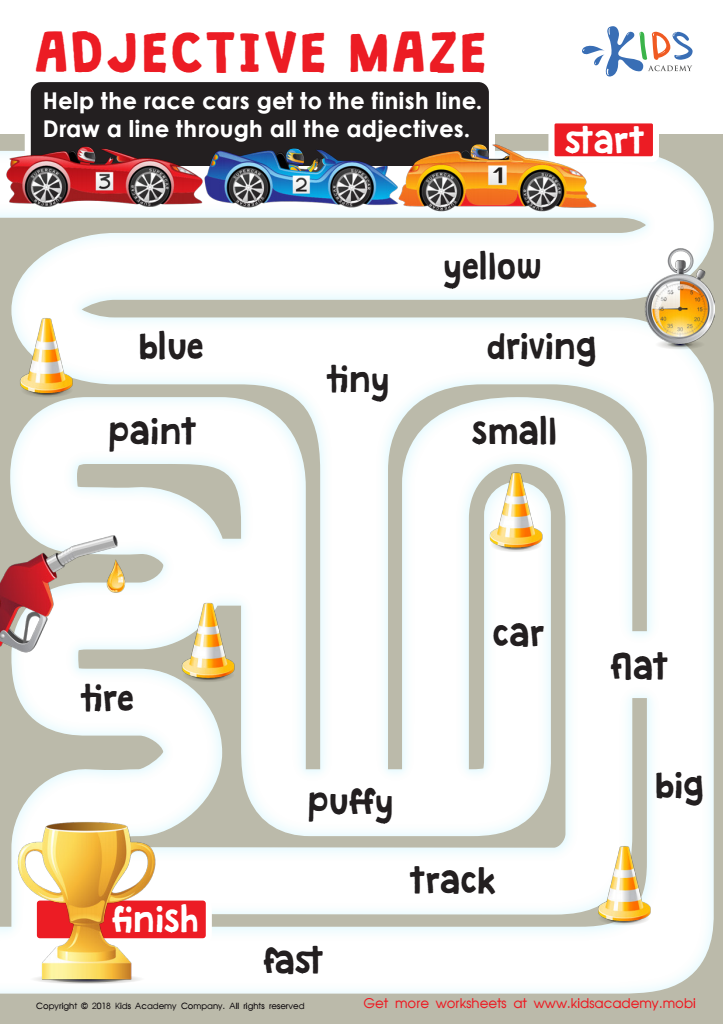
Adjective Maze Worksheet
Race your pencil to the finish line with Kids Academy's exciting maze worksheet! Remind your little racer that adjectives describe nouns - looks, sounds, and more. On your mark, get ready - zoom through the track and circle each adjective you see!
 Assign to My Students
Adjective Maze Worksheet
Worksheet
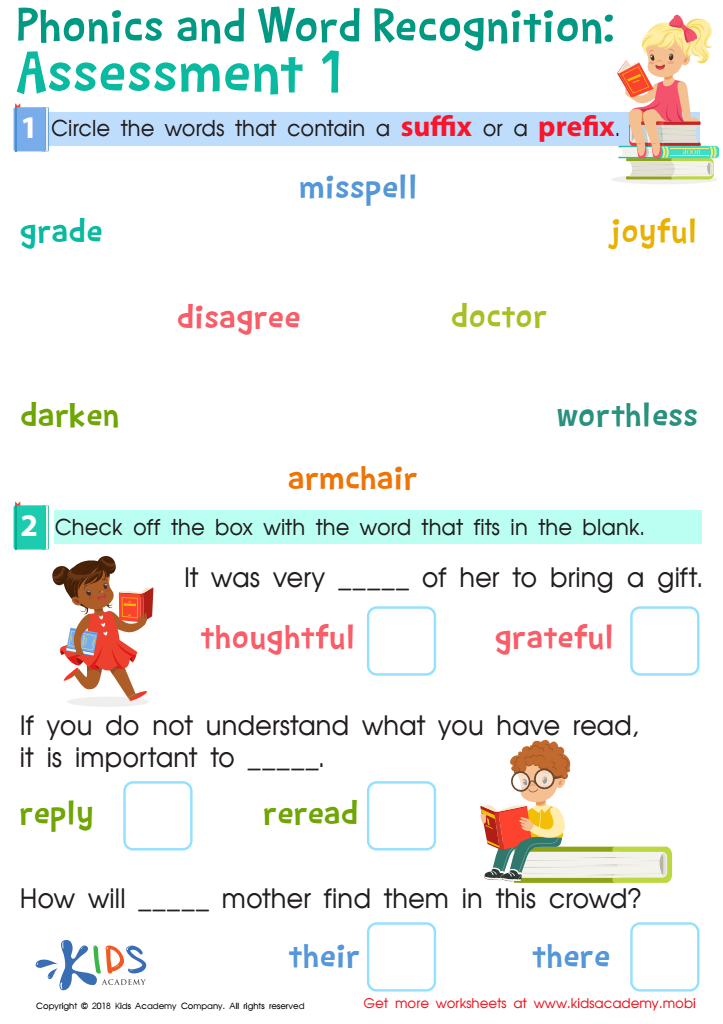
Phonics and Word Recognition: Assessment 1 Worksheet
Explain prefixes (words added to start of another word to give it a new meaning) and suffixes (added to end of word to change its meaning) to your kids with examples like 'unhappy' (prefix) and 'forgetful' (suffix). Now, help your child complete this worksheet, including circling words and checking boxes.
Phonics and Word Recognition: Assessment 1 Worksheet
Worksheet
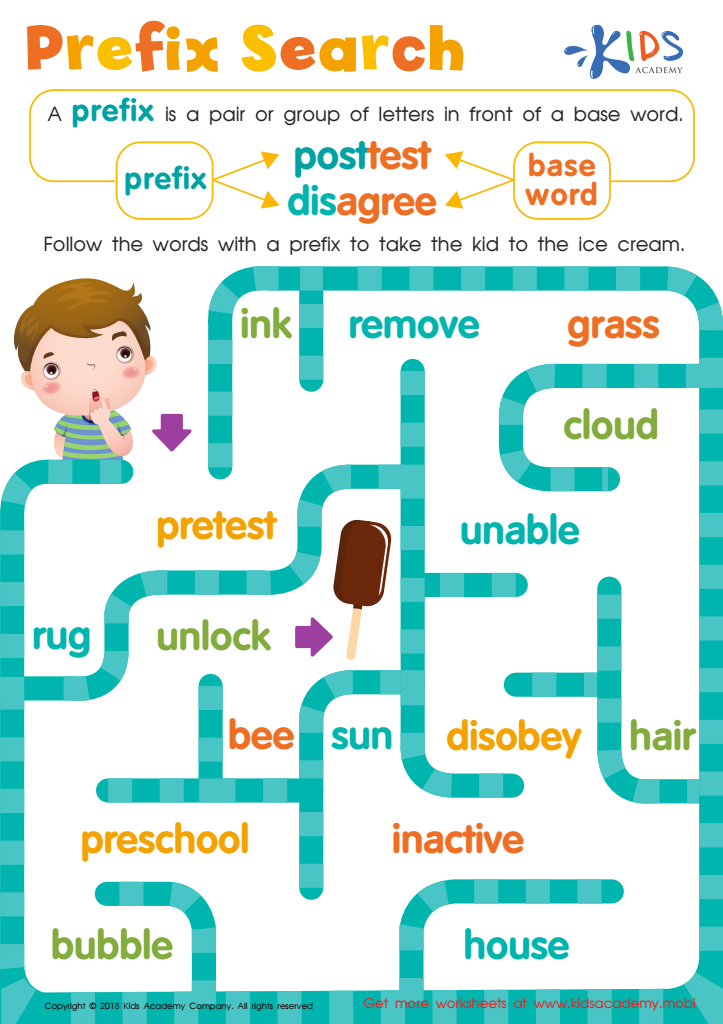
Reading: Prefix Search Worksheet
Maze your way through prefixes! This worksheet helps students practice reading new words with a prefix and figuring out the base word. An understanding of prefixes gives students the skills to comprehend new words. A fun and useful activity for the reading classroom!
Reading: Prefix Search Worksheet
Worksheet
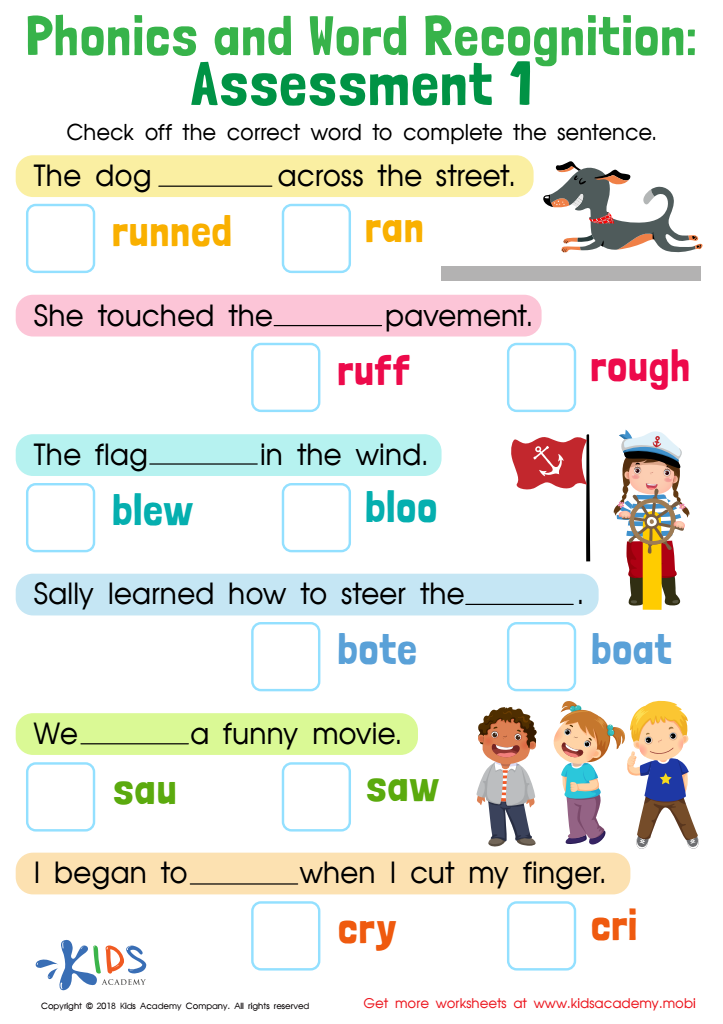
Phonics and Word Recognition: Assessment 1 Worksheet
This worksheet tests phonetics and word recognition. Students should be familiar with past tense verbs. Read incomplete sentences, then read multiple options and help students select the correct one.
Phonics and Word Recognition: Assessment 1 Worksheet
Worksheet
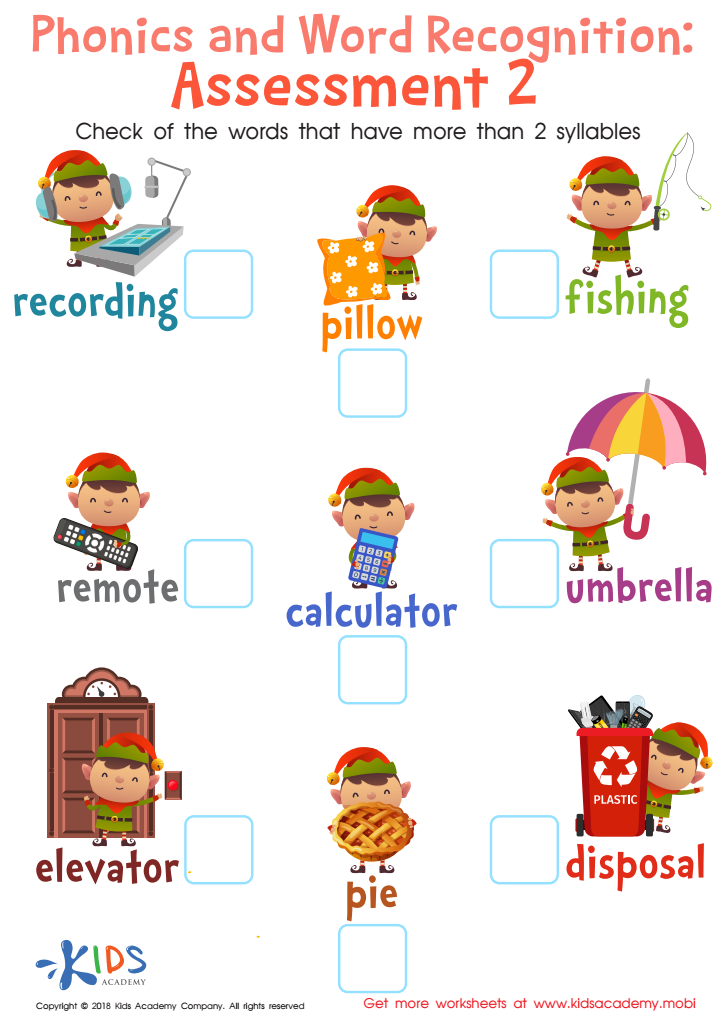
Phonics and Word Recognition: Assessment 2 Worksheet
Help your kids learn proper pronunciation by counting syllables. Most words they'll encounter have 1-3 syllables, making them simple to say. Have them repeat the words in your worksheet after you. Focus on longer words with more than two syllables.
Phonics and Word Recognition: Assessment 2 Worksheet
Worksheet
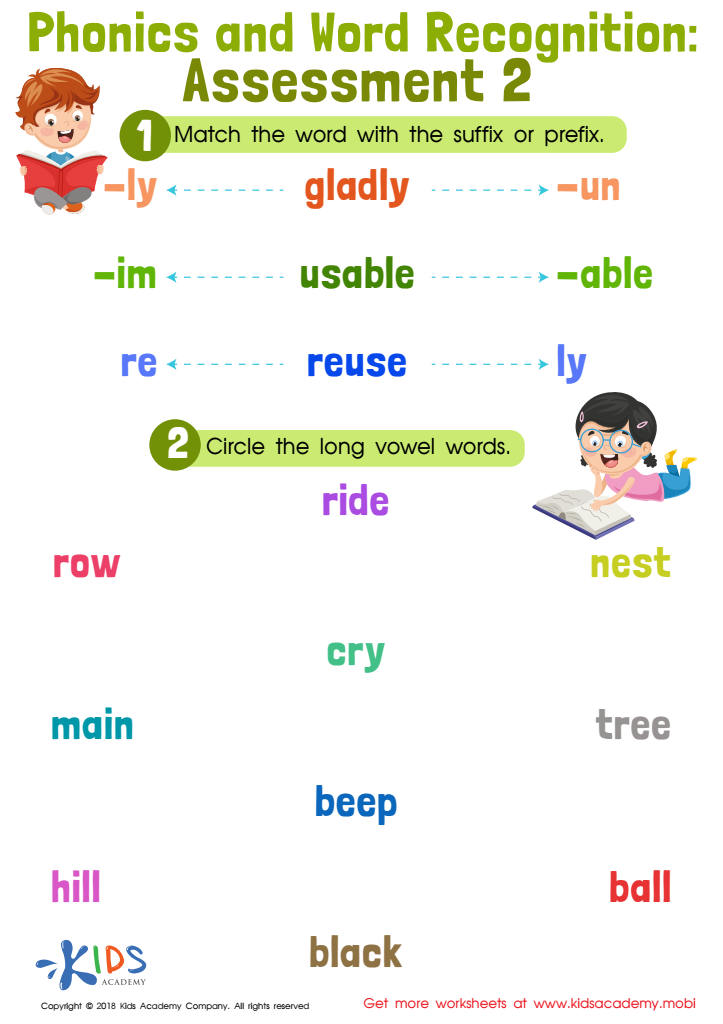
Phonics and Word Recognition: Assessment 2
Give kids common examples of suffixes and prefixes, such as "un-," "unhappy," "ness," "happyness." Ask them to match each word in the word recognition exercise to the correct suffix or prefix. Test phonetic understanding by having them circle the long vowel sounds.
Phonics and Word Recognition: Assessment 2
Worksheet
Join Kids Academy for Free
Who is primarily going to use this learning content?





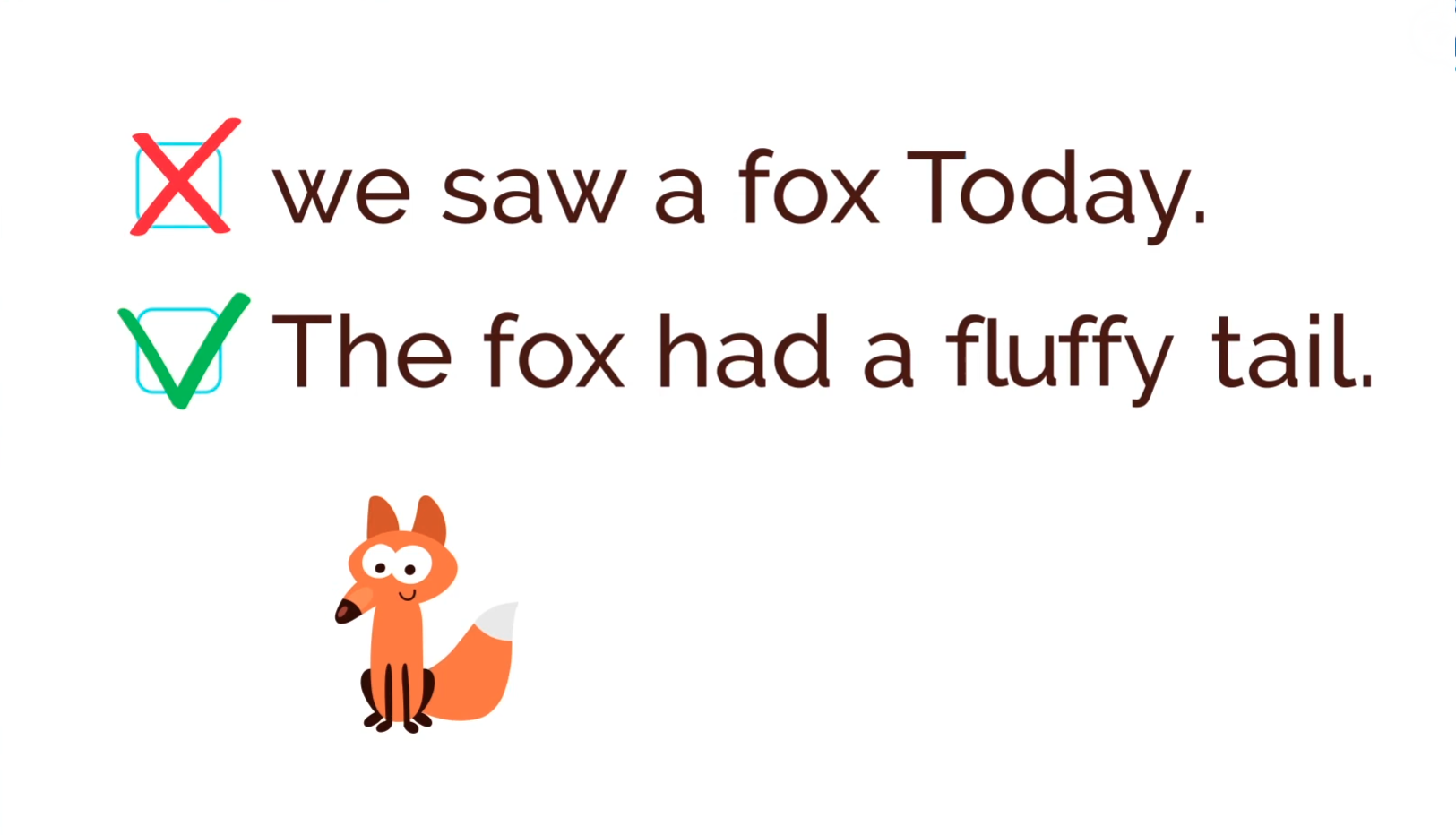
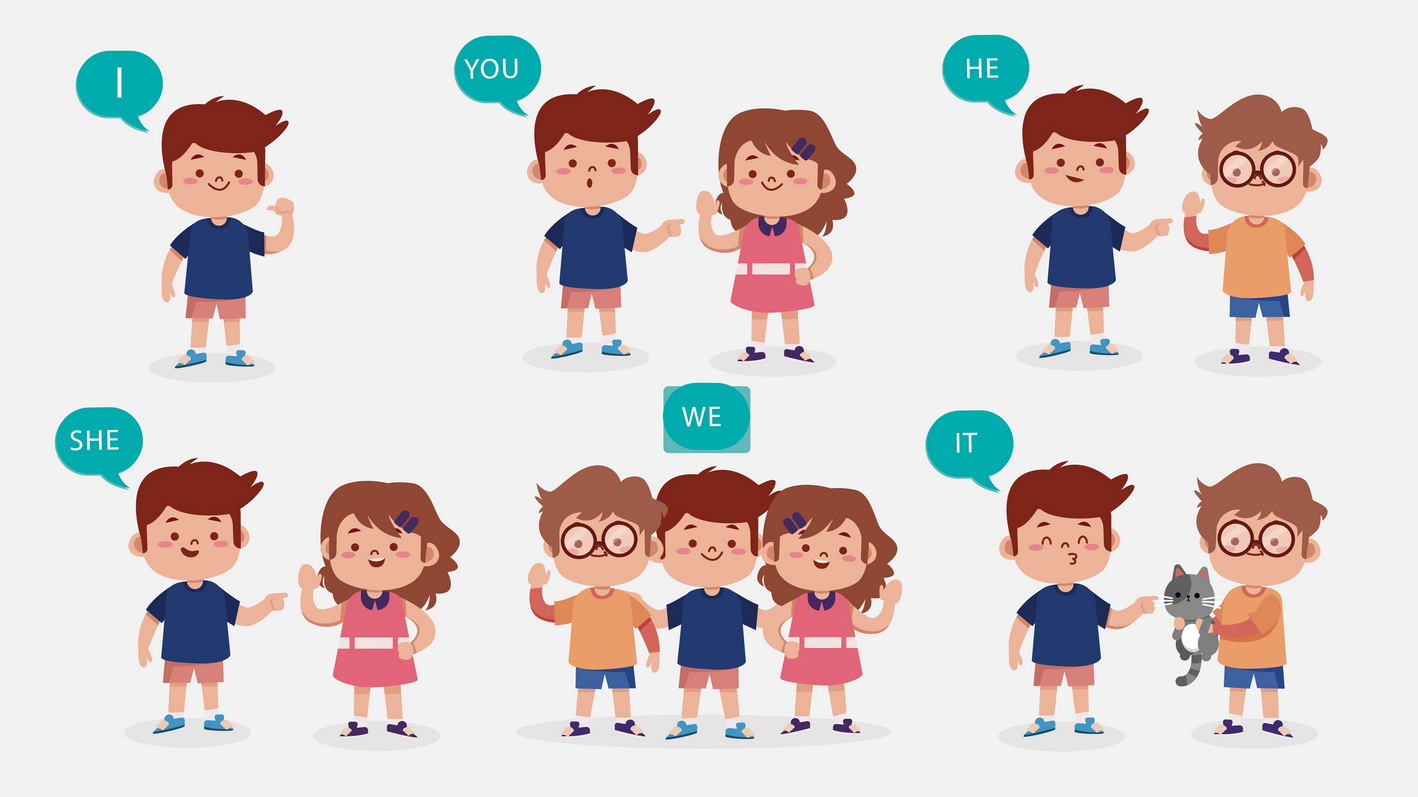

Word identification and grammar are fundamental components of literacy development for 8-year-olds, significantly influencing their academic and personal growth. At this age, children are transitioning from learning to read to reading to learn. Understanding word identification helps them decode unfamiliar words, fostering confidence and fluency in reading. This skill is essential for comprehending diverse texts, from storybooks to educational materials, which broadens their knowledge base and imaginations.
Grammar plays a critical role in effective communication. It teaches children the rules governing sentence structure, punctuation, and vocabulary usage, which allows them to express their thoughts clearly and correctly. A strong foundation in grammar enhances writing skills, crucial for their essays, reports, and everyday communication.
Moreover, both word identification and grammar contribute to overall language development, empowering children to articulate their ideas, ask questions, and engage in discussions. This is essential not only for academic success but also for building social skills and emotional intelligence.
For parents and teachers, supporting these skills can lead to improved classroom performance, increased confidence, and a lifelong love for reading and writing. Prioritizing word identification and grammar helps ensure that children are equipped with the tools they need to thrive in an increasingly complex world.








