Handwriting practice Worksheets for 9-Year-Olds - Page 2
46 filtered results
-
From - To
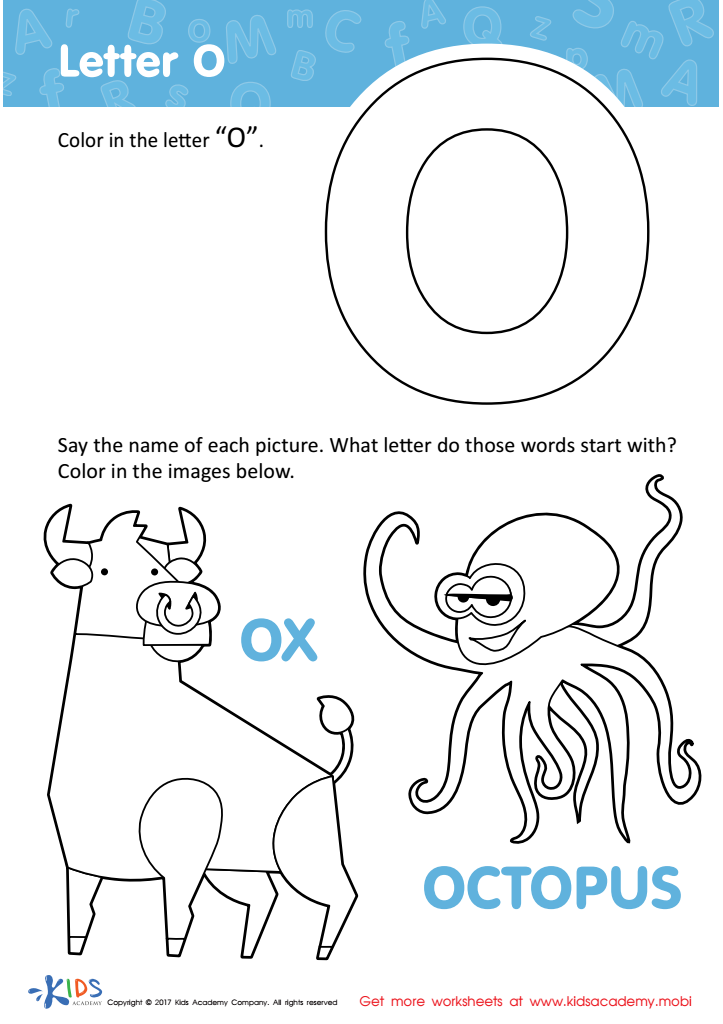
Letter O Coloring Sheet
 Assign to My Students
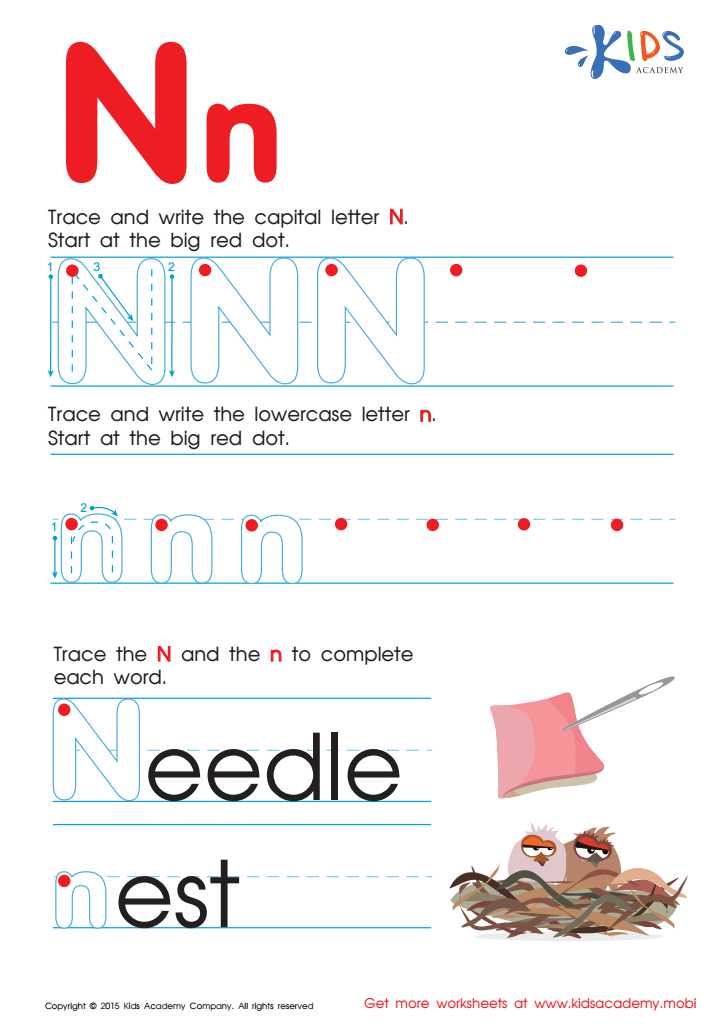
Letter N Tracing Page
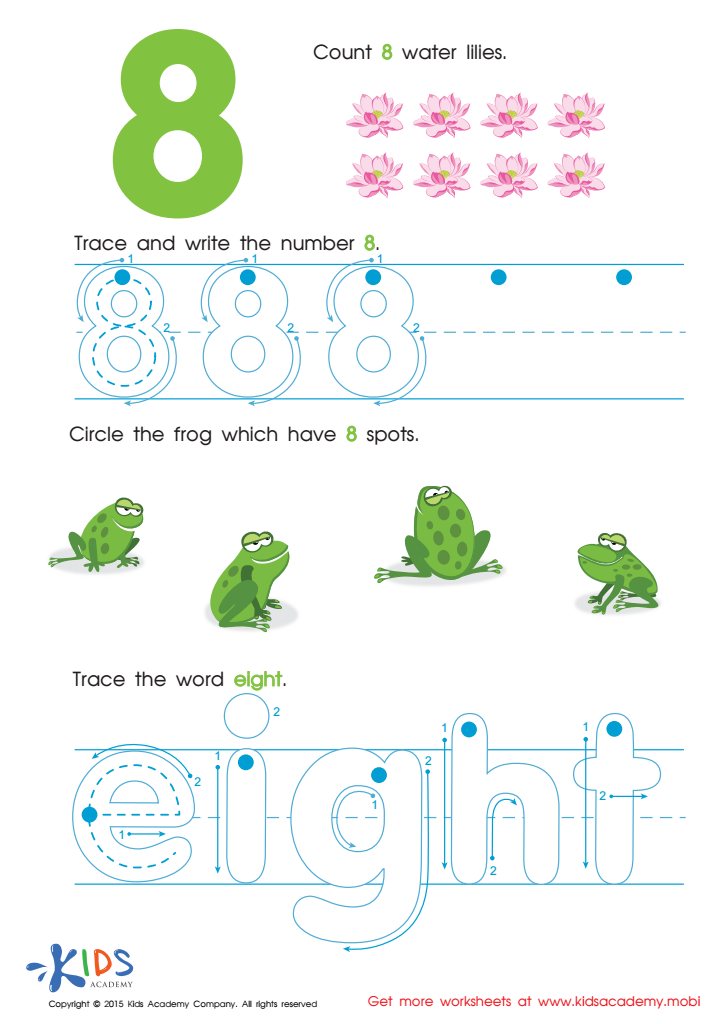
Learn Number 8 Easily Worksheet
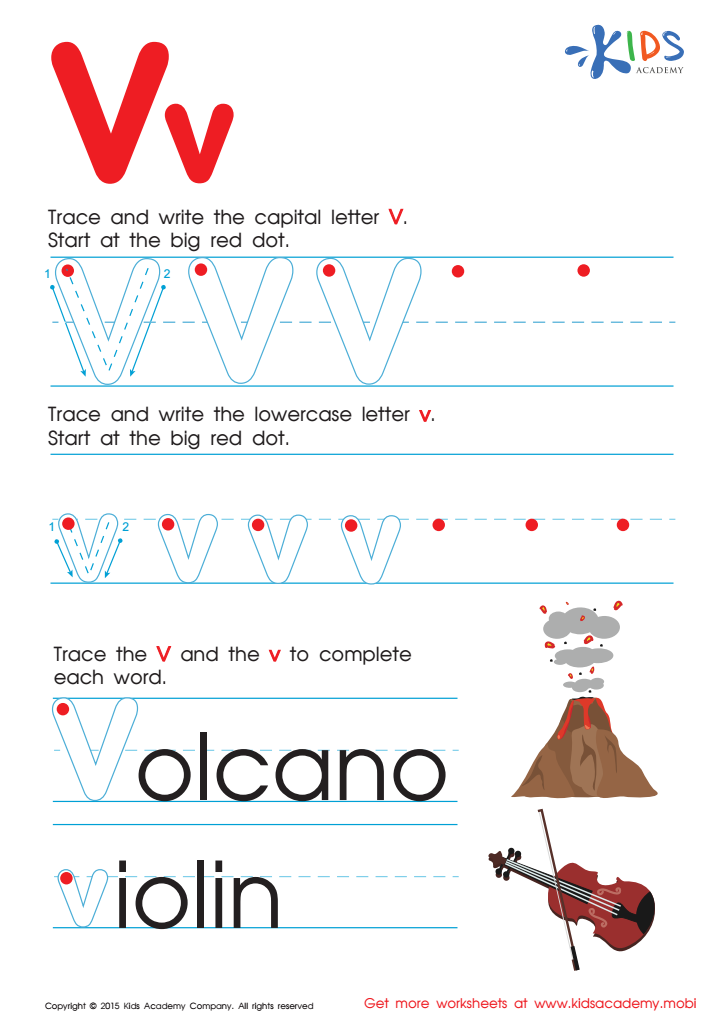
Letter V Tracing Page

Grey Tracing Color Words Worksheet
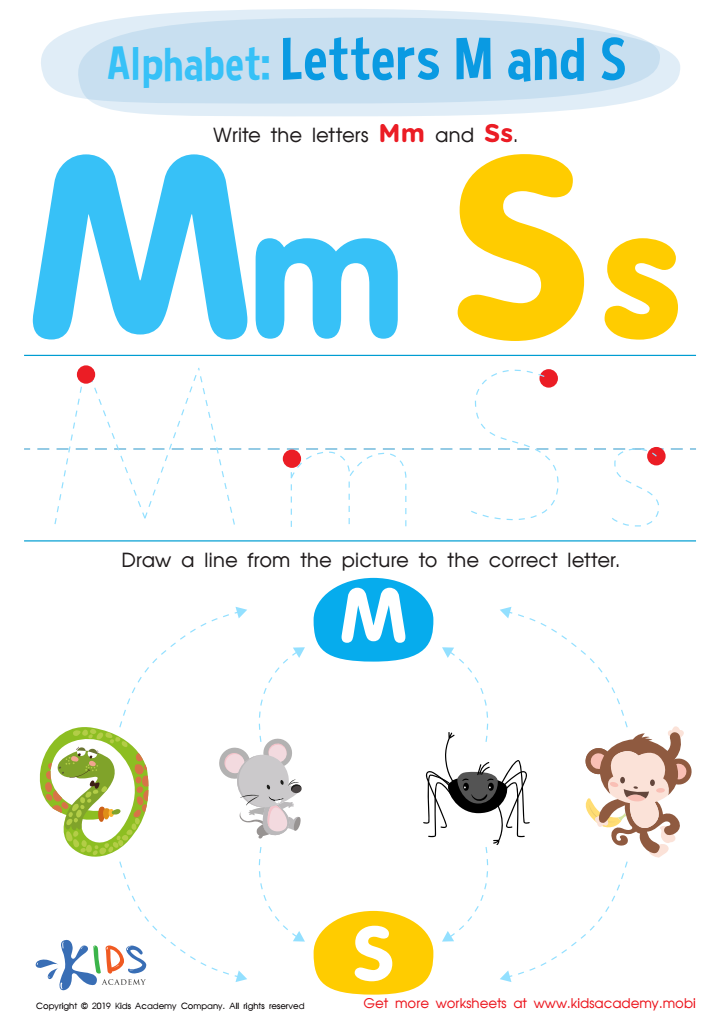
Letters M and S Tracing Worksheet
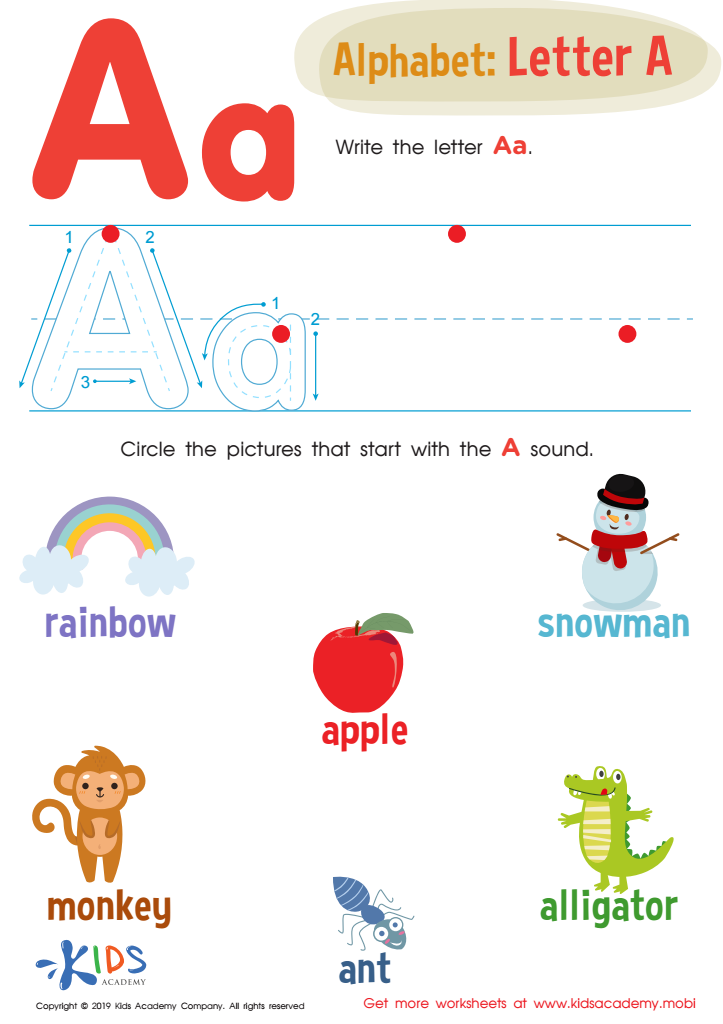
Letter A Tracing Worksheet
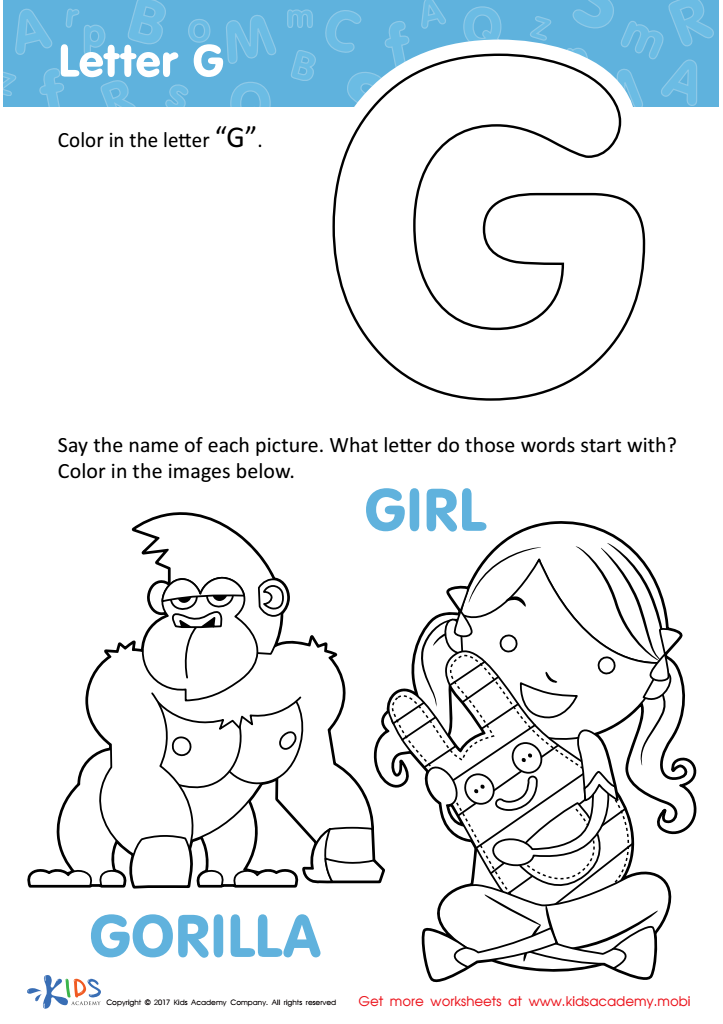
Letter G Coloring Sheet
Assign to My Students
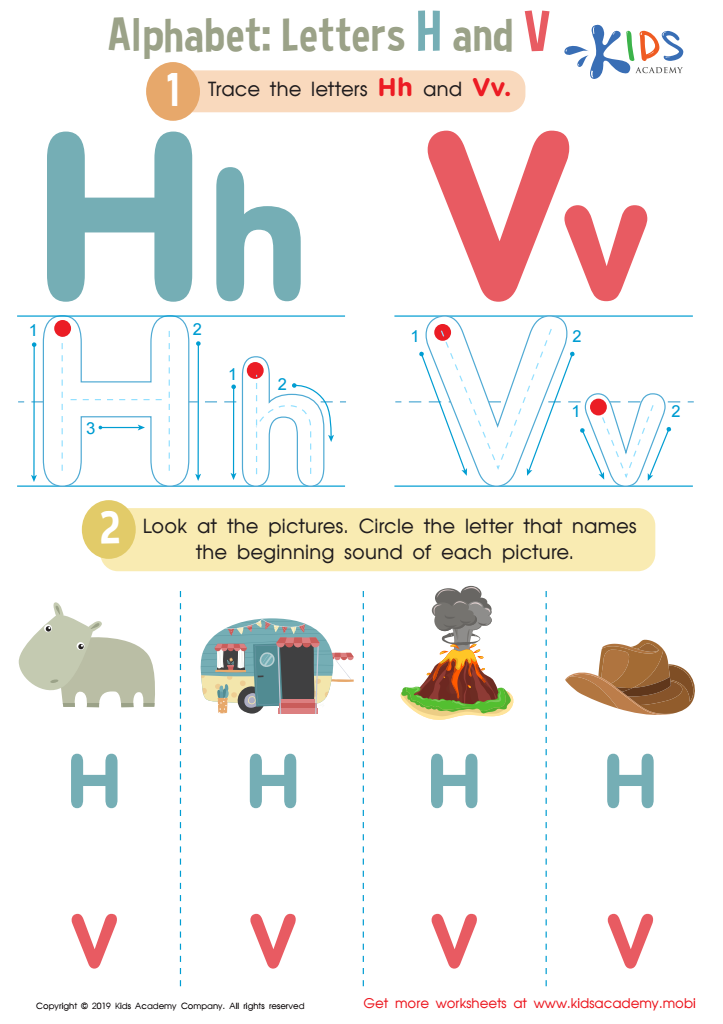
Letters H and V Tracing Worksheet

Green Tracing Color Words Worksheet
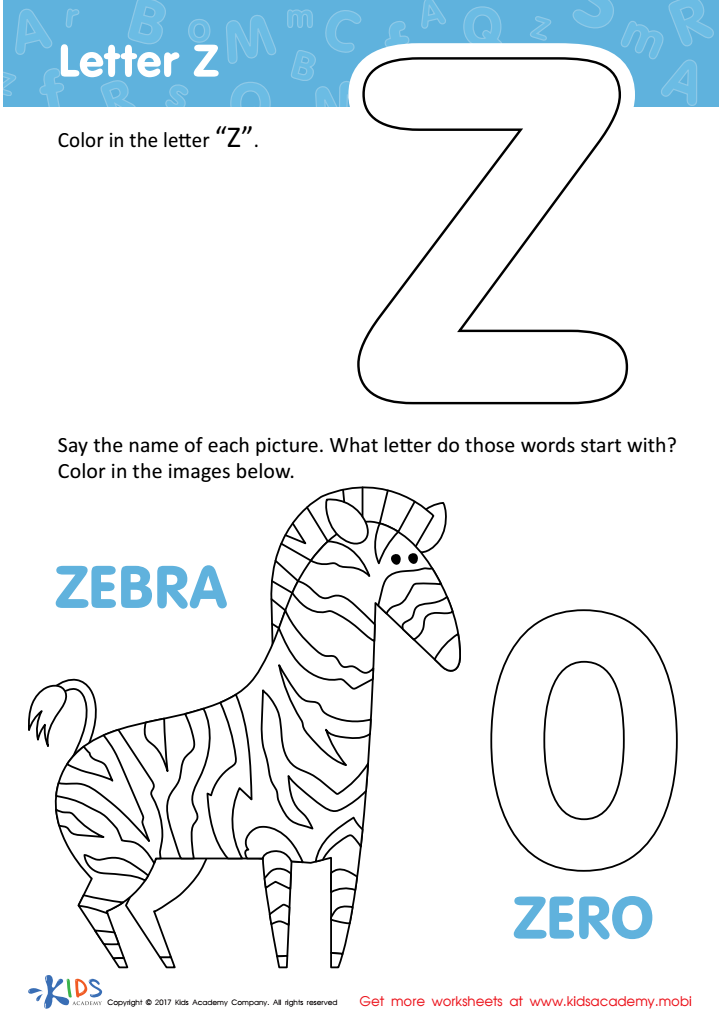
Letter Z Coloring Sheet
Assign to My Students
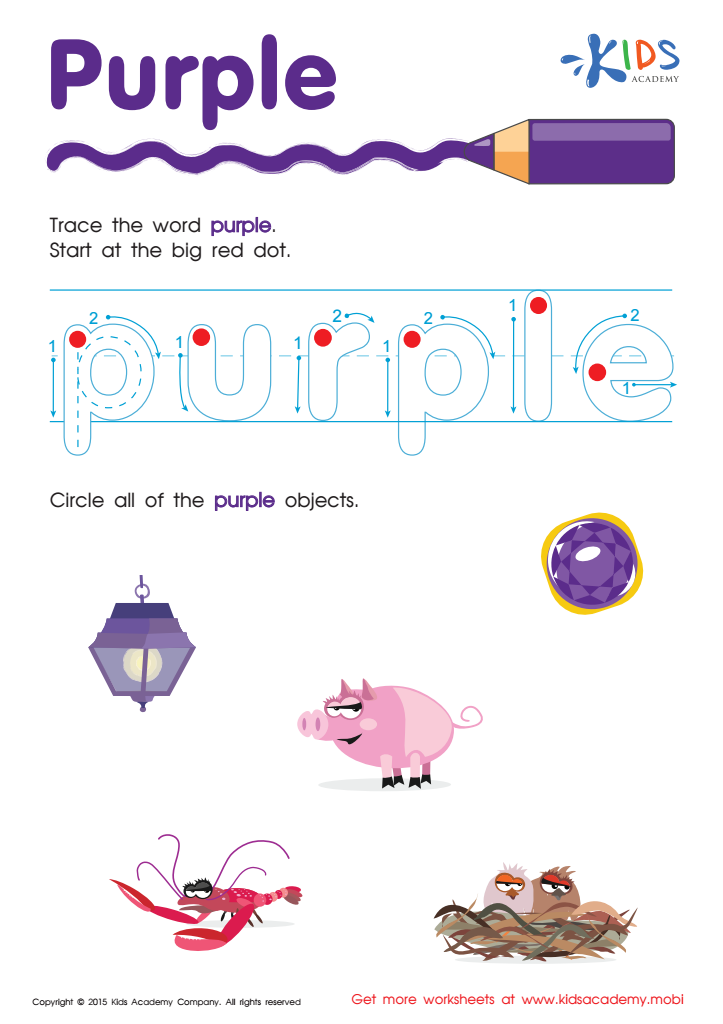
Purple Tracing Color Words Worksheet
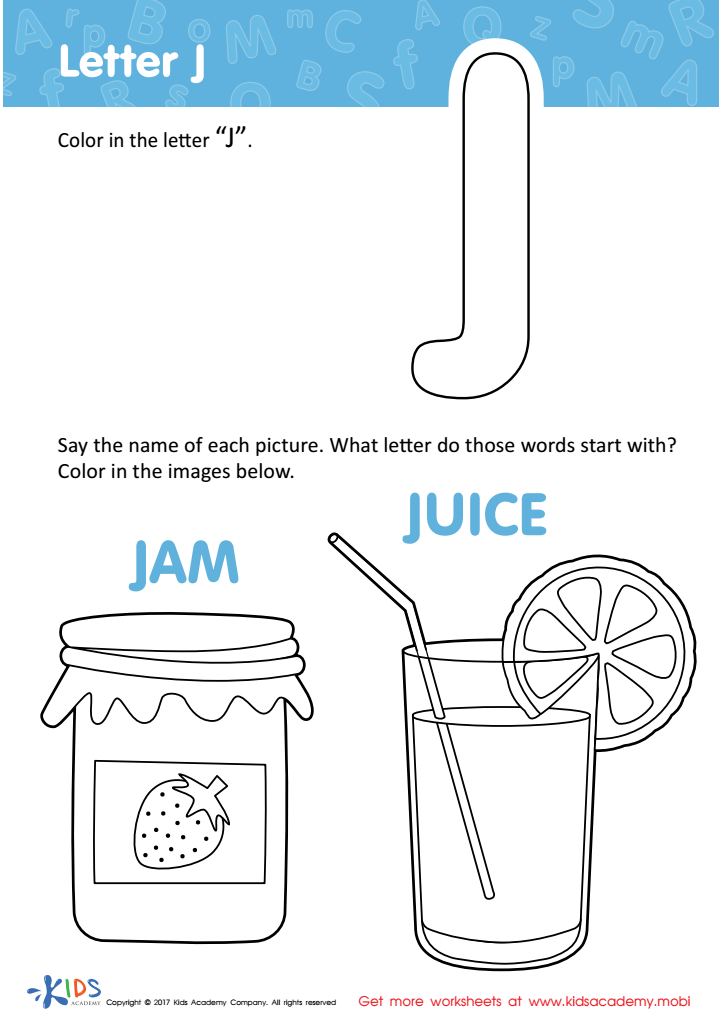
Letter J Coloring Sheet
Assign to My Students
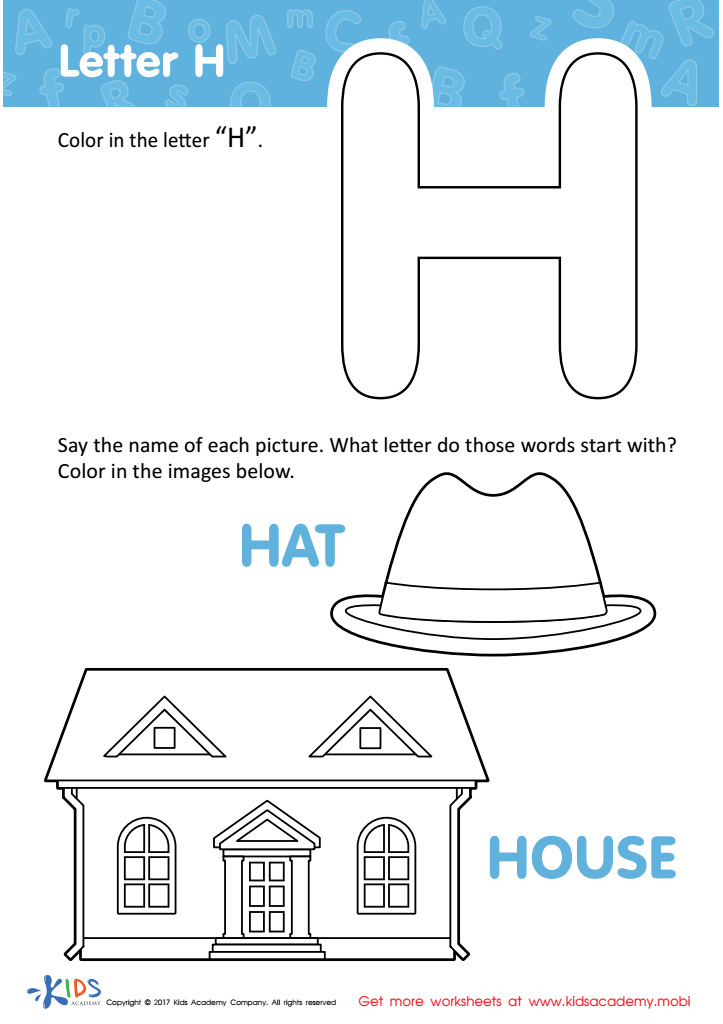
Letter H Coloring Sheet
Assign to My Students
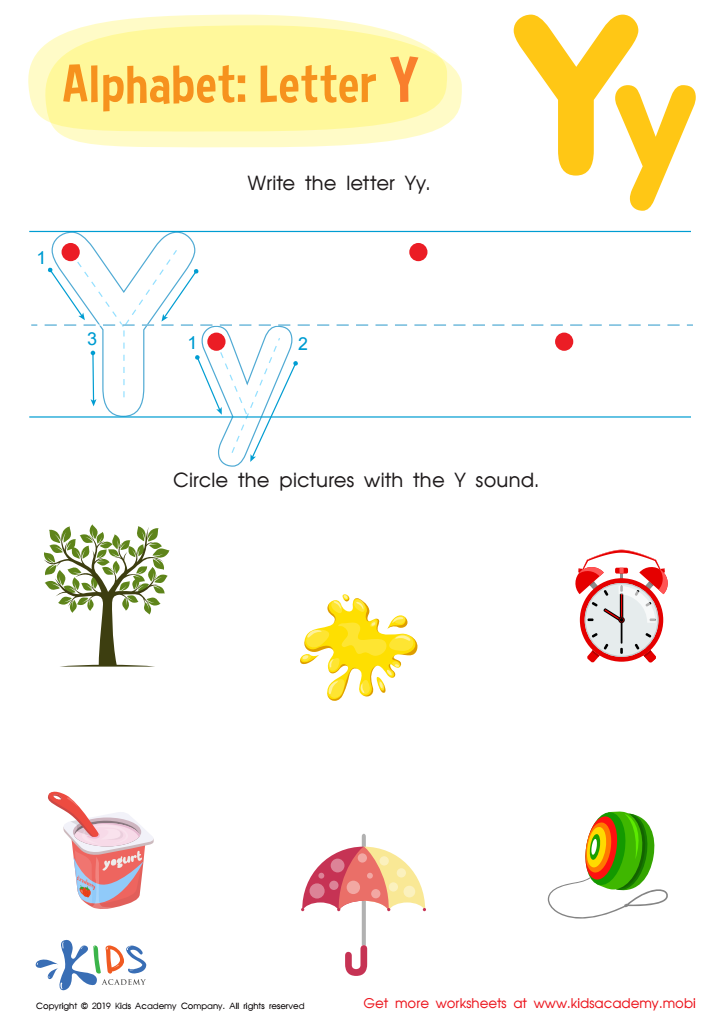
Letter Y Tracing Worksheet
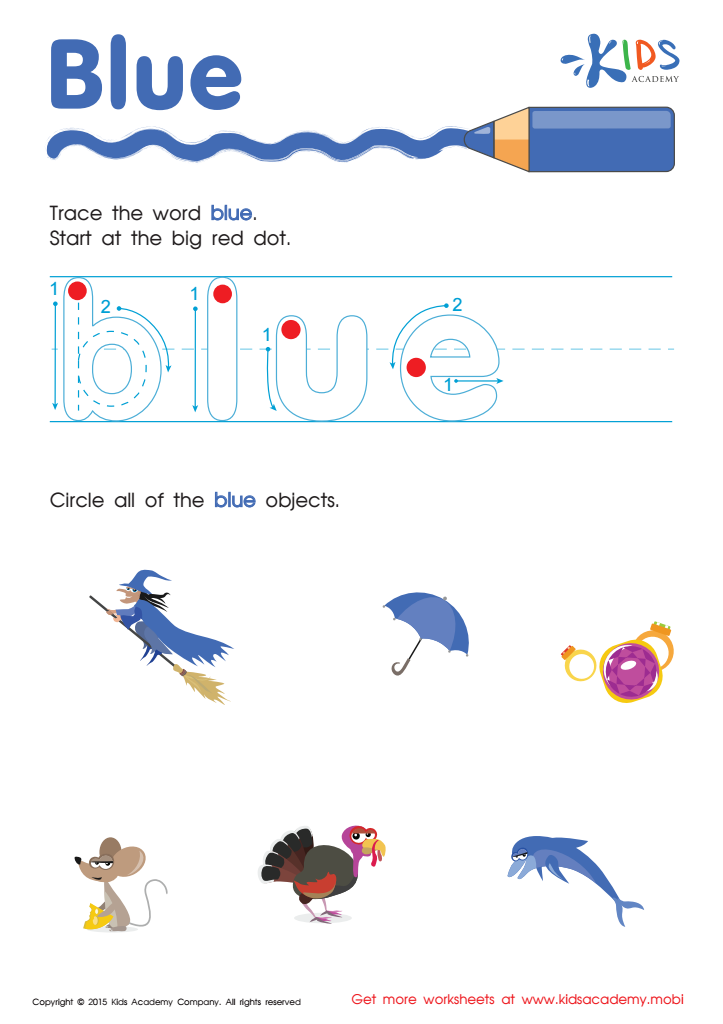
Blue Tracing Color Words Printable

Brown Tracing Color Words Worksheet
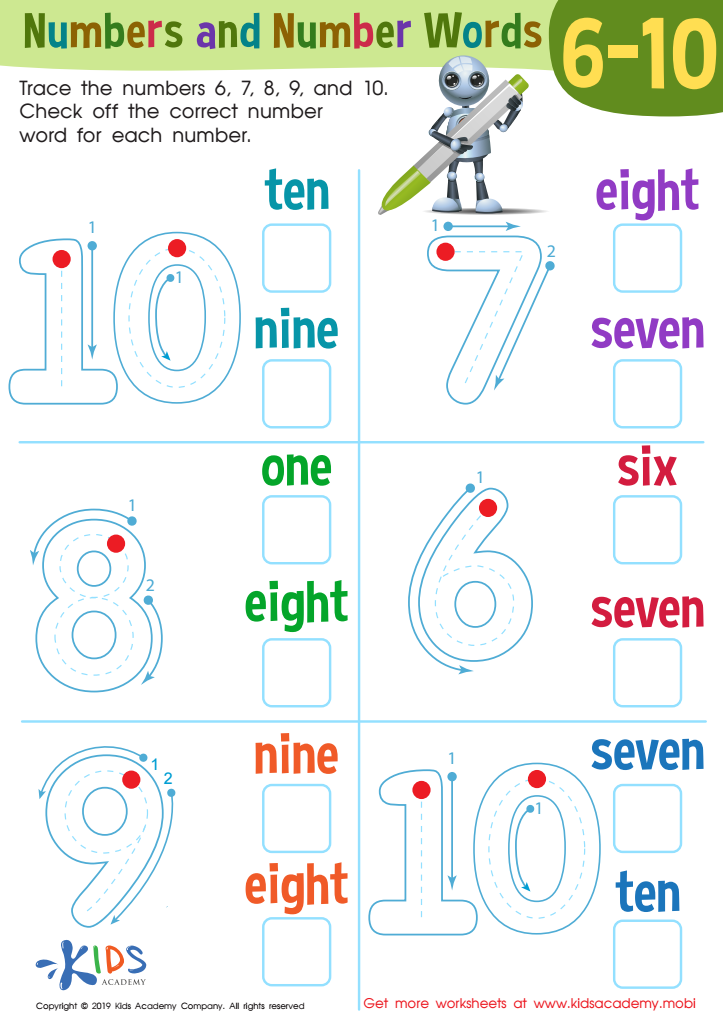
Numbers and Number Words 6–1 Worksheet
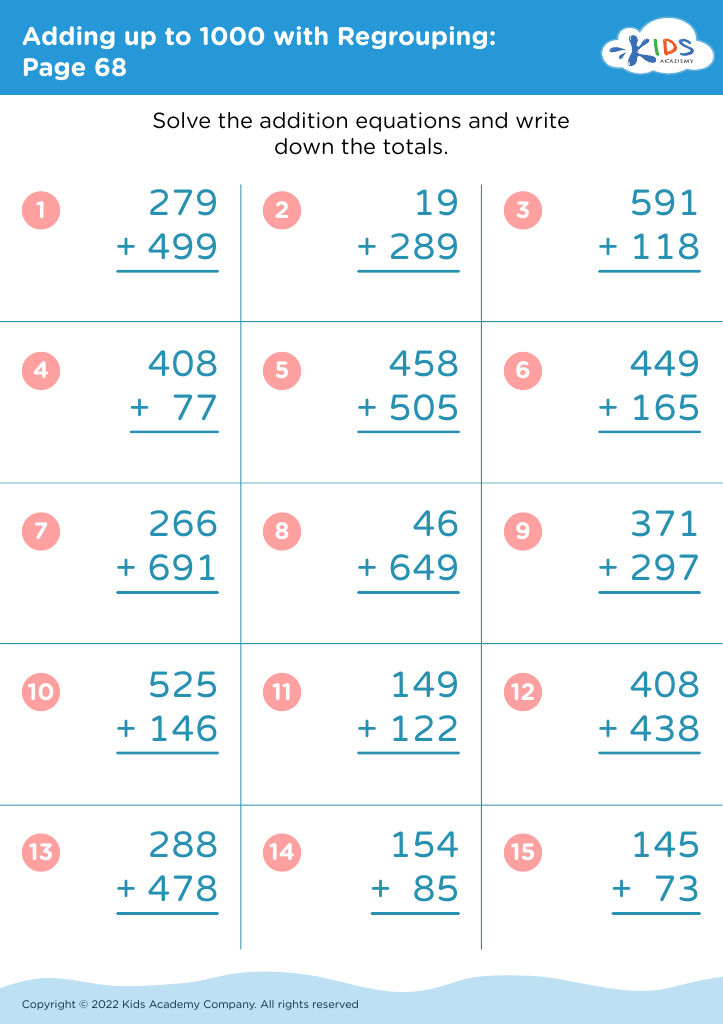
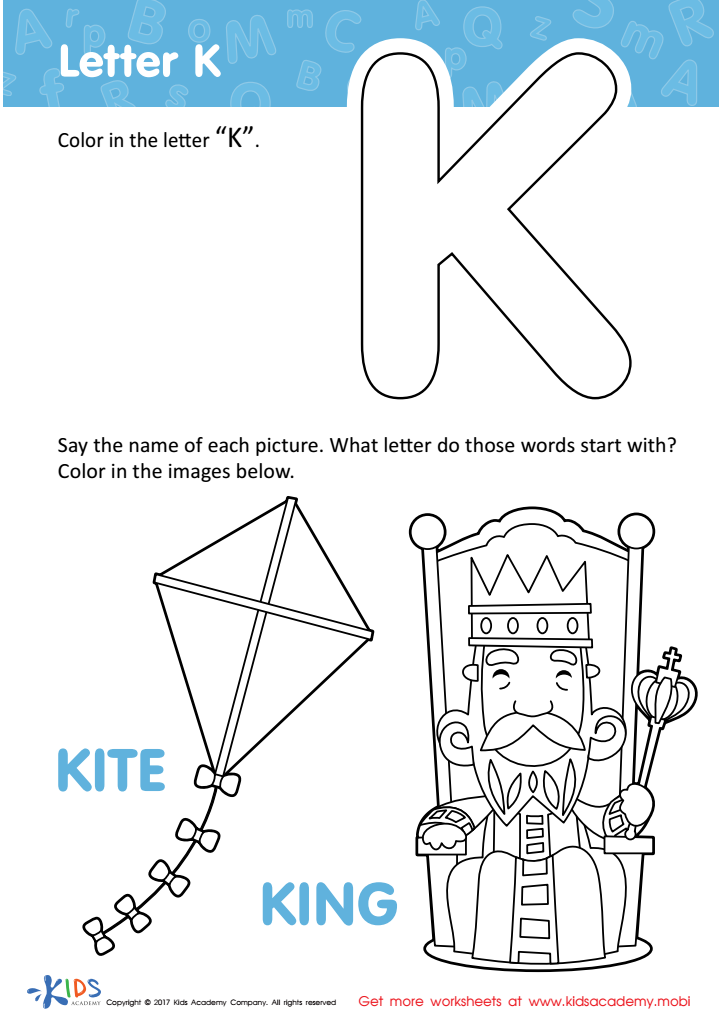
Letter K Coloring Sheet
Assign to My Students
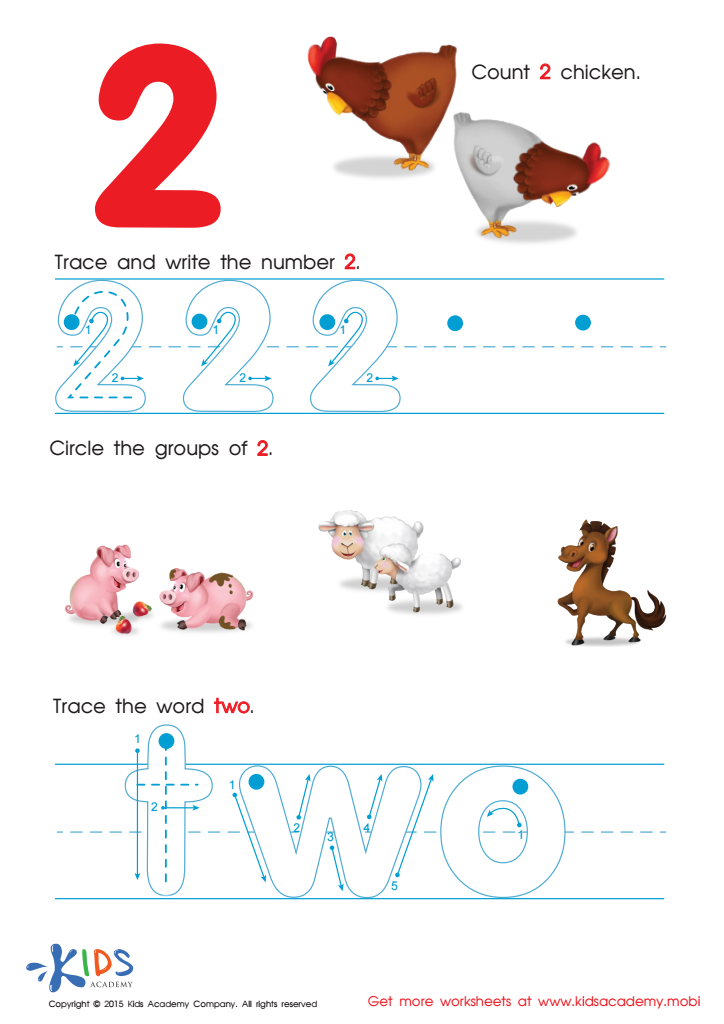
Learn to Write the Number 2 Worksheet
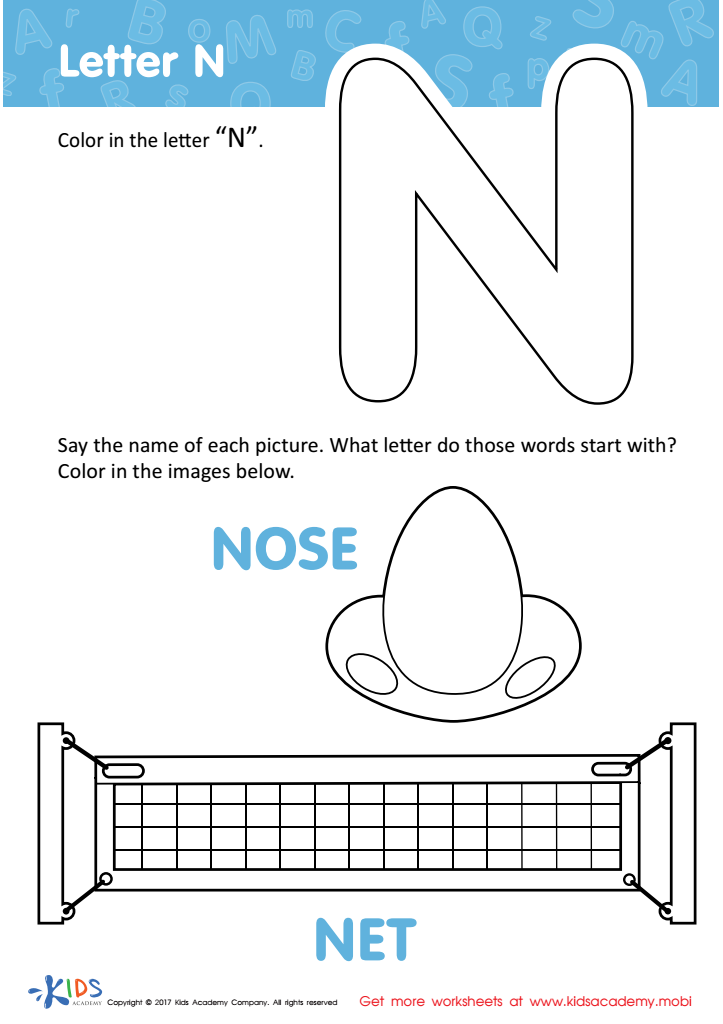
Letter N Coloring Sheet
Assign to My Students








Handwriting practice for 9-year-olds is vital for several reasons that extend beyond mere penmanship. At this age, children are refining their motor skills, and handwriting is an essential activity that enhances their fine motor development. Practicing handwriting helps improve hand coordination and control, which are crucial not only for writing but also for various daily tasks.
Moreover, handwriting proficiency is linked to academic achievement. Research suggests that well-developed handwriting skills can lead to better performance in expressive writing, allowing children to organize their thoughts more effectively and communicate their ideas with clarity. As children transition to standardized testing environments, legible handwriting can influence grading and assessment outcomes.
Handwriting also supports cognitive development. The act of writing engages different types of memory, enhancing comprehension and retention of information. When children physically write letters and words, they engage with language in a tactile manner, promoting deeper understanding.
Finally, fostering positive handwriting habits encourages discipline and focus. In a society increasingly dependent on technology, handwriting remains an important life skill. By emphasizing handwriting practice, parents and teachers contribute to a well-rounded education that prepares children for success in both academic and personal endeavors.








