
Spelling improvement Worksheets for 9-Year-Olds
8 filtered results
Difficulty Level
Grade
Age
-
From - To
Subject
Activity
Standards
Elevate your 9-year-old's spelling skills with our engaging Spelling Improvement Worksheets. Created for children aged nine, these thoughtfully designed printables offer a fun and effective way to enhance spelling accuracy and vocabulary. Each worksheet combines interactive activities and age-appropriate challenges to reinforce word patterns, usage, and phonics. Perfect for homeschoolers, teachers, and parents, our worksheets cater to diverse learning needs and styles, making spelling practice both enjoyable and educational. Unlock your child's spelling potential and foster a lifelong love for learning with Kids Academy's Spelling Improvement Worksheets! Visit our website to download and start today.
Favorites
With answer key
Interactive
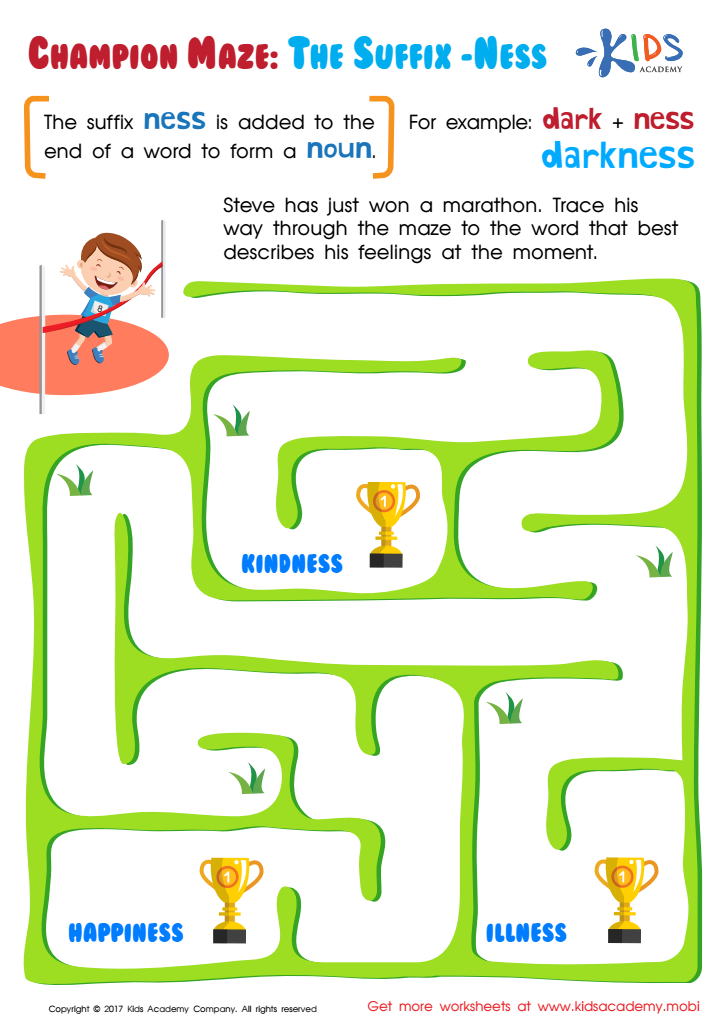
Suffix Ness Worksheet
Words are amazing! Add an ending and they can change part of speech. Make nouns out of adjectives with -ness. This worksheet has a fun maze to help learners increase vocabulary and language skills.
Suffix Ness Worksheet
Worksheet
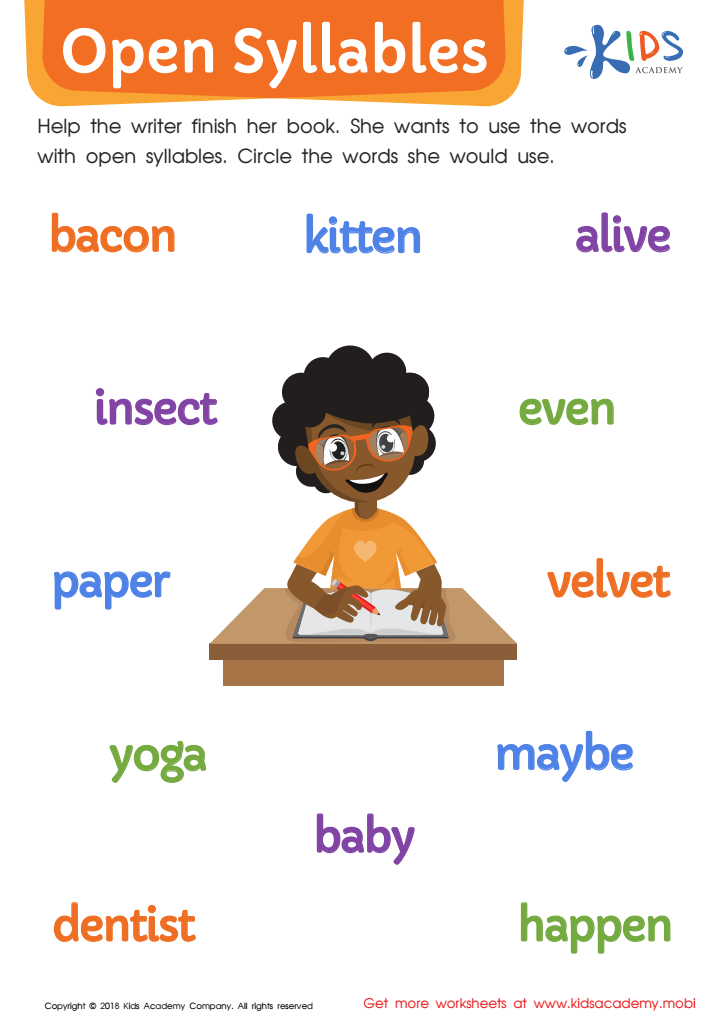
Open Syllables Worksheet
Before beginning this worksheet, make sure your child knows what open syllables are. If not, take time to teach them with examples. Then, help the writer finish her book by circling words with open syllables. She needs your child's help!
Open Syllables Worksheet
Worksheet
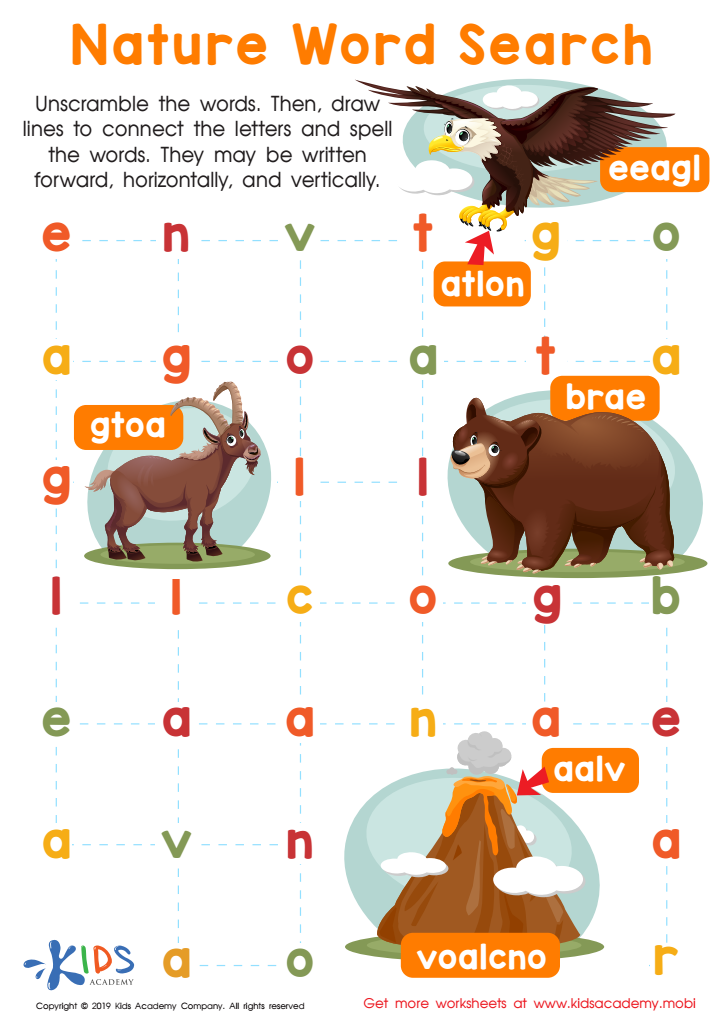
Nature Word Search Worksheet
Unscramble science vocabulary words and find them in this fun worksheet! Use the pictures as clues if you get stumped; you can also write down the words for reference. Solve the puzzle when you're done to finish!
Nature Word Search Worksheet
Worksheet
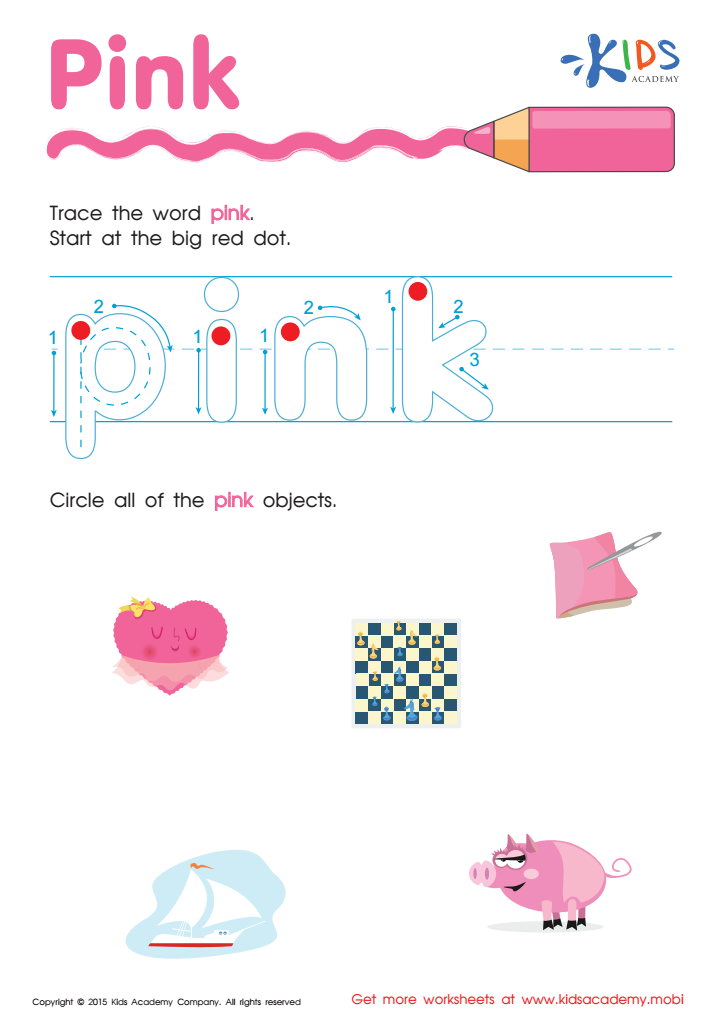
Pink Tracing Color Words Worksheet
Trace 'pink' with a pink crayon for an exciting handwriting lesson! Build fine motor skills and learn about sight words with this fun printable. Get creative and give it a splash of color for a colorful learning experience. For more tracing color words, explore here.
Pink Tracing Color Words Worksheet
Worksheet
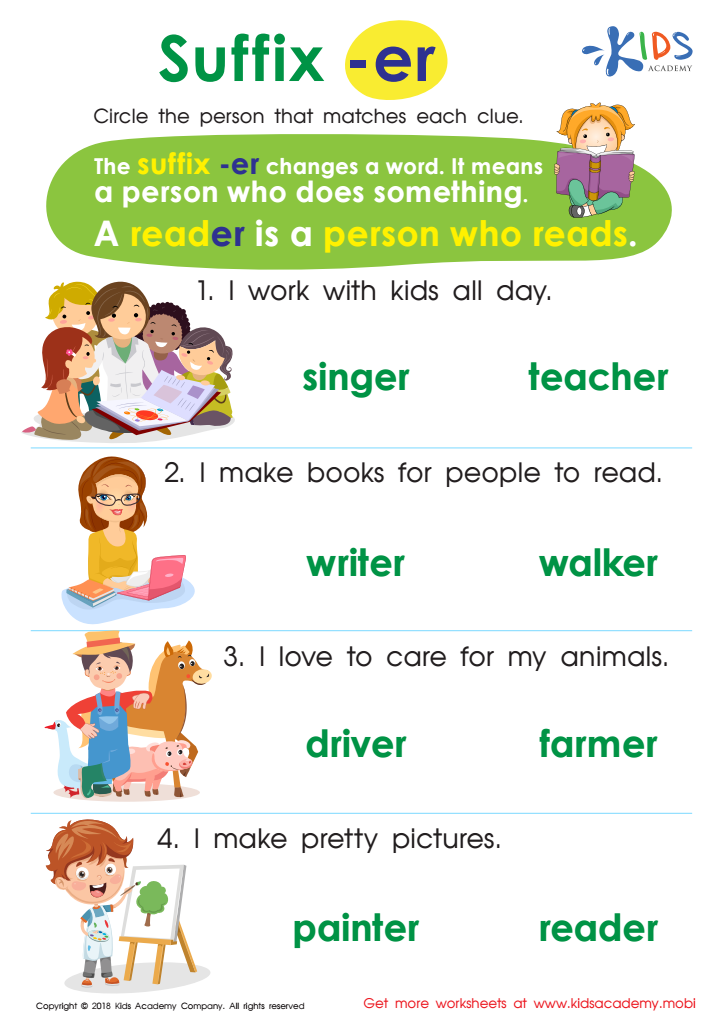
Suffix –er Printable Worksheet
Kids learn how powerful suffixes are with this printable worksheet. Read the sentence clues and select the word it describes. Discuss how the suffix alters the original word. Amazing how two letters can transform meanings!
Suffix –er Printable Worksheet
Worksheet
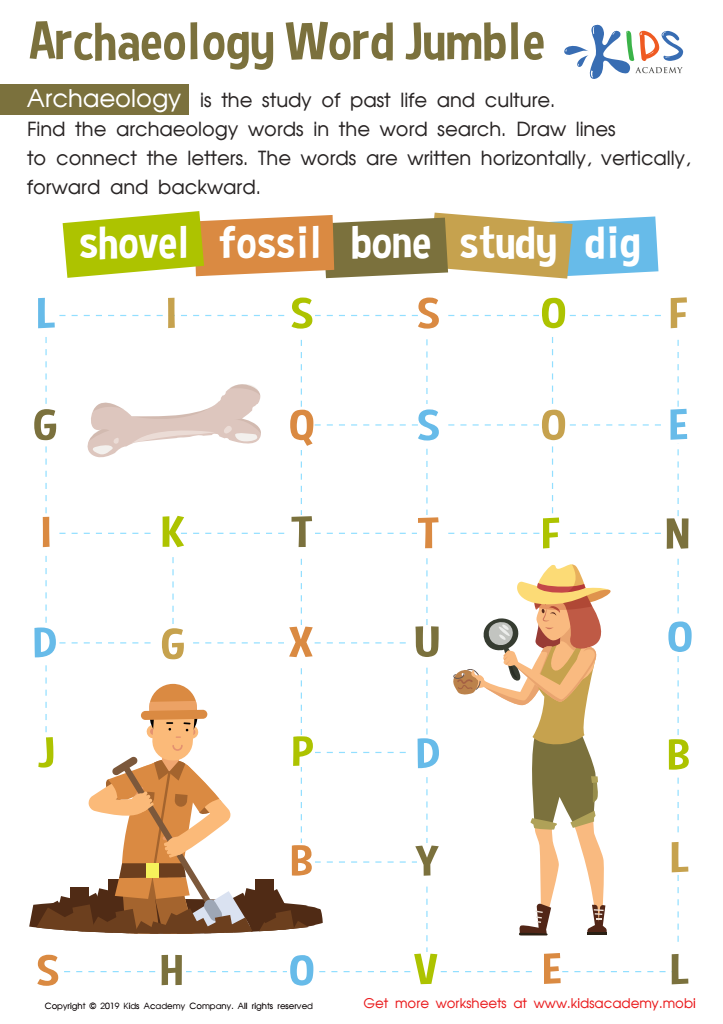
Archaeology Word Jumble Worksheet
Kids will love this fun, colorful word search about archeology! Tracing the lines, they'll uncover terms related to the study of past life and cultures. As they explore, they'll learn about fossils and bones and discover new archeology words.
Archaeology Word Jumble Worksheet
Worksheet
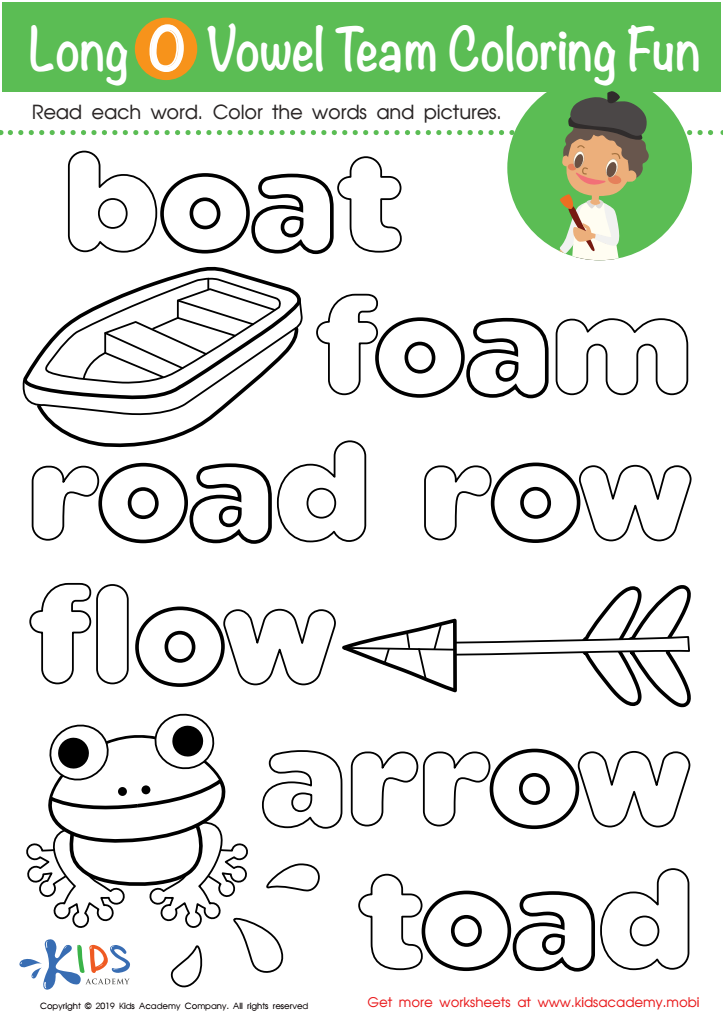
Long O Vowel Team Coloring Worksheet
Divide your class into teams and have them work together to identify and pronounce the long O sound in words like "boat" and "flow". As they read aloud, have the rest of the class listen attentively. Then let teams color in the words and matching pictures, reinforcing the lesson. This simple printout is perfect for phonics lessons and a fun way to energize your class.
Download (PDF)
 Assign to My Students
Assign to My Students
Long O Vowel Team Coloring Worksheet
Worksheet
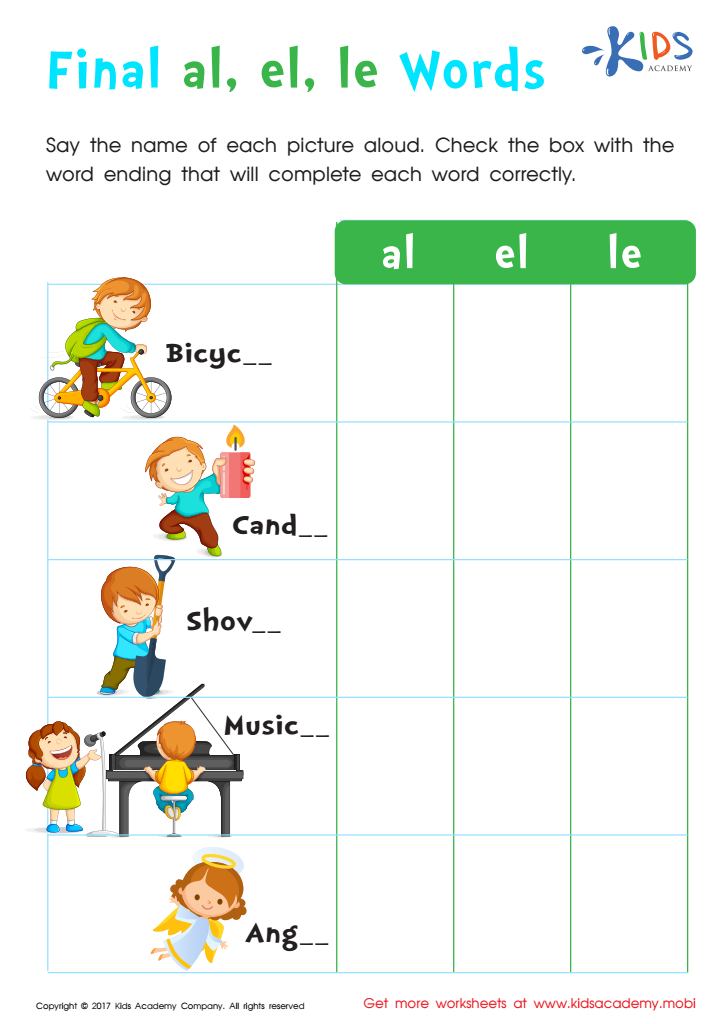
Spelling Words Ending with –le, –el and –al Worksheet
Spelling tricky words with the same ending sounds can be fun with this worksheet! Kids learn to spell -le, -el, and -al words while enjoying colorful pictures. It's a great way to refine their usage of tricky word endings.
Spelling Words Ending with –le, –el and –al Worksheet
Worksheet
Join Kids Academy for Free
Who is primarily going to use this learning content?







.jpg)
Spelling improvement is crucial for 9-year-olds as it directly impacts their overall literacy skills, including reading and writing fluency. Around this age, students transition from learning to read to reading to learn, a phase where accurate spelling supports comprehension and communication. When students can spell words correctly, they can dedicate more cognitive resources to understanding and analyzing the text, thereby enhancing their learning experience.
Moreover, good spelling is a confidence booster. A child who spells well is likely to participate more actively in writing activities and discussions, fostering a more positive attitude toward school. This confidence can have long-term effects on a child's academic performance and self-esteem.
Another key factor is the role spelling plays in the development of a robust vocabulary. When children understand spelling patterns and word origins, they can decode unfamiliar words more efficiently, improving their language skills and ability to engage with complex texts.
Parents and teachers also need to be aware of the social aspect. Poor spelling can sometimes lead to stigmatization or bullying, negatively affecting a child's social interactions and emotional well-being. Thus, focusing on spelling improvement is a holistic approach, ensuring a child’s academic growth, emotional stability, and social development.








